Dwell: Audio Bible
- 2.23K
- 4.7
- Installs
- 500.00K
- Price
- Free

Screenshots


Analysis by Reviewed
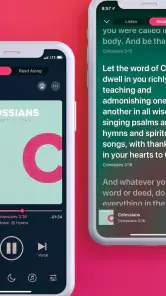
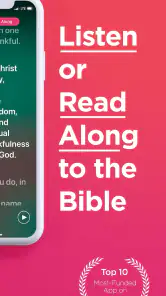
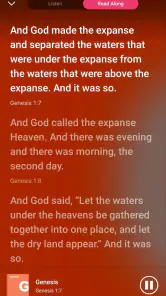
When I want Scripture to fit into an ordinary day rather than wait for a quiet hour and a printed book, listening can make the difference. Dwell: Audio Bible is a Bible-listening app from Dwell App, LLC, in the Books & Reference category. Its approach is built around hearing passages, so it suits people who take in words more easily through audio or want a change from reading on a screen. I see it as a focused companion to a reading habit, not a replacement for every way of studying the Bible.
What the free starting point means
The app is free to install, and its age rating is Everyone. It also offers in-app purchases, with items ranging from $7.99 to $199.99. That makes the distinction worth keeping clear: you can begin without paying, but some purchases may cost substantially more than a small one-off app add-on. I’d explore the free experience first and decide whether the way I actually listen makes a paid option worthwhile, rather than treating the full range of purchase prices as a single subscription or assuming every feature is included.
That approach matters because “free to install” and “everything is free” are not the same promise. I would use the initial experience to answer a practical question: do I naturally reach for spoken Scripture often enough to make this format part of my week? If not, buying access would not fix the underlying mismatch. If I do keep returning, I can then check the purchase details in the app and decide whether the specific access offered matches what I want, rather than making a decision from the highest or lowest price alone.
Listening that fits real routines
First off, the audio quality is top-notch. The Dwell: Audio Bible app offers a variety of voice options, each bringing its own unique flavor to the scripture. Whether you prefer a deep, comforting voice or a lively and animated reading, this app has you covered. I found myself particularly drawn to the soothing tones, which made my daily commute feel like a serene escape.
Plans for a specific purpose
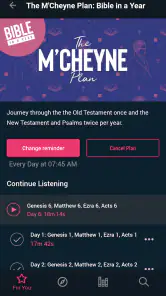
The app doesn't just stop at delivering audio bible passages. It also allows users to create personalized listening plans. You can choose specific books or themes, and the app will guide you through the texts at your own pace. This feature is fantastic for those who want to focus on particular aspects of their faith journey.
The flexibility is incredible; whether you’re looking to complete the Bible in a year or focus on specific teachings, the app’s got your back. I’ve personally tailored my plan to start my mornings with Psalms, and it's the perfect way to set a positive tone for the day.
A useful way to make a plan stick is to connect it to a routine that already happens: a walk, breakfast, or the drive to work. I’d keep the first goal modest and choose a book or theme that answers a current question, rather than building an ambitious schedule that becomes another chore. Listening while moving also has a trade-off: it’s convenient, but it can be harder to pause and examine a phrase than when reading with a physical Bible open beside you.
More From Our News Desk

Clash of Clans Is Won Between the Battles

Android Auto Makes the Case for Quieter Car Software

MobiOffice: Transforming Mobile Productivity with Seamless Integration

EA SPORTS FC™ Mobile Soccer: Redefining Mobile Sports Gaming

How Microsoft OneDrive Became a Mobile Productivity Giant

How Google Translate Breaks Language Barriers Effortlessly
There is also a useful difference between choosing a plan for structure and choosing one because its subject genuinely matters to you. If I’m trying to build consistency, I’d start with a manageable sequence and listen at the same point in my routine for several days. If I’m exploring a particular theme, I’d be comfortable moving at a less predictable pace. The plan is most helpful when it makes the next step obvious; it is less helpful if I feel obliged to keep up with a schedule that no longer fits my day.
For example, someone who spends a few minutes preparing breakfast can listen then without having to find a quiet place or keep a screen in hand. Later, they can return to the same subject when they have more attention available. That split use—casual first listening, thoughtful return later—is a better fit for audio than expecting every passage to be fully absorbed in one pass.
Finding your place and returning to it
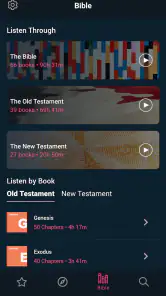
One of the standout features is the app’s intuitive design. Navigating through the app is a breeze, with a clean interface that doesn’t overwhelm. The home screen provides easy access to your playlists, and searching for specific verses is quick and painless. Trust me, even if you’re not tech-savvy, you’ll find this app easy to use.
Additionally, the option to bookmark and highlight passages means you can easily return to your favorite verses. This has been a game-changer for me, as I often revisit these highlights during my meditation sessions.
For a more deliberate session, I’d search for a passage, listen once without stopping, then bookmark the section I want to revisit. On a second listen, I can pay attention to a phrase that passed by the first time. That small workflow helps balance the app’s strength as audio with the slower reflection that can come from reading. If precise study, comparing translations, or annotating extensively is the main goal, a dedicated Bible study app or a print edition may be a better fit.
Bookmarks are especially useful for people who listen in scattered pockets of time. Rather than relying on memory to find a verse again, I can save a passage at the moment it catches my attention and return when the setting is calmer. I would treat highlights as a personal trail of passages, not as a substitute for fuller notes: someone who wants to record arguments, cross-references, or detailed study observations will probably want another tool alongside it.
One small but important listening habit is to avoid multitasking that competes with comprehension. A familiar walk or simple household task can leave enough attention for a passage, while a demanding task may turn the audio into background noise. If I realize I have drifted, I would pause and replay the relevant section rather than letting the whole session run and assuming it all registered. That is a more realistic way to use narrated Scripture than treating minutes played as the same thing as reflection.
Sharing without making it the point
Another cool aspect of the Dwell: Audio Bible is its community feature. You can share your favorite passages with friends or family directly through the app. It’s a wonderful way to stay connected and engage in meaningful conversations about faith, no matter where you are.
Not to mention, the app regularly updates with new content and voices, keeping the experience fresh and engaging. It's like having a dynamic, ever-evolving spiritual companion.
Sharing works best when it starts a conversation rather than replacing one. I’d send a passage to someone who already wants to discuss it, then use the listening plan privately to keep my own practice consistent. If social features are not appealing, they needn’t be the reason to use the app: the central value for me is having Scripture available in an audio routine. Compared with a standard text Bible app, Dwell puts listening at the center; compared with a standalone audiobook, its plans and Bible-focused browsing make it more purposeful for faith practice.
That distinction helps when deciding whether to keep a second Bible app installed. A text-first app is usually the more direct choice when I want to scan several verses quickly, read quietly in a waiting room, or compare wording on screen. A general audiobook player may be more convenient for someone already organizing all spoken books in one place. I would choose Dwell when the point is not simply to play a recording, but to make listening to Scripture a repeatable practice and return to passages within that context.
Sharing is also optional in the way I would use the app. Someone who prefers private reflection can keep their listening routine personal and ignore the social side without losing the central audio purpose. For a group or family conversation, sending a passage can be a useful starting point, but I would not assume that sharing alone creates meaningful discussion; it works best when the people receiving it are interested in engaging with the text.
Who is likely to get the most from it?
I’d recommend trying it if you want Scripture during hands-busy parts of the day, prefer spoken narration, or need a gentle structure for returning to a particular book or theme. A realistic weekday use might be listening to a short part of a plan over breakfast, then returning to a bookmarked passage in the evening when there’s time to reflect. That gives the app two distinct jobs: making a routine easier to start and making a meaningful passage easier to find again.
It is less compelling if you mainly want silent reading, detailed note-taking, or a study workflow centered on comparing text closely. Audio can also be a poor match when your surroundings are noisy or your attention needs to stay on another task; I wouldn’t treat listening during a commute as a substitute for focused study. In those cases, a text-first Bible app or a physical Bible is the more practical choice.
I also think it is worth considering whether you enjoy being read to. Some people find narration warm and absorbing; others prefer to control the pace themselves, stop at every sentence, or read aloud in their own voice. The app can make Scripture easier to fit into a day, but it cannot make audio the right medium for everyone. If listening feels like a distraction rather than a help after a fair try, there is no reason to force the format just because it is convenient in theory.
For a first session, I would pick a passage or theme I already care about, choose a voice that feels comfortable, and listen somewhere I can give it at least partial attention. If the narration suits me, I’d then try a plan and see whether having a next step makes me more consistent. That simple test is more informative than downloading an app and judging it by the number of options on the screen.
How I’d judge the value
Dwell has a 4.7 average from around 13,000 ratings, and it has been installed over 500,000 times. It first appeared on April 13, 2019, and its current version is 2025.11.3; it requires Android 7.0 or later. Those details suggest an established app, but they don’t tell me whether a paid purchase will suit an individual listener. I’d judge that by testing whether I return to the audio, whether the plan format helps, and whether the available free access meets my needs before spending anything.
The strongest value is not simply having an audio Bible on a phone; it is having a format that can turn a transition in the day into a purposeful listening moment. For a listener who already uses audio regularly, that convenience may be meaningful. For someone who reads comfortably and rarely wants narration, even a polished listening experience may add little. I would measure value by whether it changes my actual routine, not by how many sessions I imagine I might use it for later.
Because the purchase range is broad, I would not treat the most expensive option as the natural choice or assume that a purchase is necessary to get started. I’d first confirm what a particular in-app purchase includes and whether it fits the way I plan to use the app. That is especially sensible for occasional listeners: a free starting point gives them a chance to see whether the voice, pacing, and plan approach hold their attention before they commit to spending.
My buy-or-skip verdict is straightforward: start free if listening sounds useful, and consider an in-app purchase only if you understand what it unlocks and expect to use it regularly. Skip it if audio is not how you engage with Scripture or if you need study tools more than narration. For the right listener, its strongest value is practical: it helps turn spare moments into a deliberate listening habit without asking you to make audio your only way of reading.
In conclusion, the Dwell: Audio Bible app is more than just an audio book. It’s a versatile tool for anyone looking to deepen their spiritual practice in a modern, accessible way. From its customizable plans to its immersive audio and user-friendly design, it’s an app that I highly recommend for anyone on a faith journey. So why not give it a try and see how it enriches your life?
Dwell: Audio Bible Frequently Asked Questions
What is Dwell: Audio Bible’s age rating, and who is it intended for?
Dwell: Audio Bible is rated Everyone, so its age classification is suitable for a broad audience. It is a Books & Reference app centered on listening to Scripture, which may appeal to people who want Bible content in an audio format. The app has an average rating of 4.7 from around 13,000 ratings, offering a sense of how other users have responded to it.
How popular is Dwell: Audio Bible, and when was it released?
Dwell: Audio Bible was released on April 13, 2019, and has reached over 500,000 installs. It is an established option for people looking for an audio-focused way to engage with Scripture. Its store summary, “Press Play on Scripture,” captures the app’s listening-first approach, while its Books & Reference category helps distinguish it from general music or audiobook apps.
Is Dwell: Audio Bible suitable for someone who prefers listening to reading?
Yes. Dwell is centered on listening to Scripture, so it may suit people who want to experience the Bible through audio rather than read on a screen. You can listen to selected passages or playlists, which can make it easier to fit Scripture into a daily routine. Its Books & Reference category also reflects its focus on engaging with Bible content.
Is Dwell: Audio Bible free to download, and are there paid options?
Dwell: Audio Bible is free to download, and it follows a freemium model: some content is available without paying, while a subscription unlocks additional content and features. In-app purchases range from $7.99 to $199.99 per item, so it is worth checking the available options in the app before subscribing. The app is rated for Everyone.
What is Dwell: Audio Bible and how does it work?
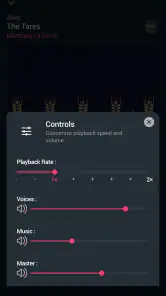
Dwell: Audio Bible is an innovative app designed to help users engage with the Bible through immersive audio experiences. The app offers a variety of narrators and musical backgrounds, allowing for personalized listening. Users can choose specific books, chapters, or curated playlists to focus on particular themes or narratives, making Bible study both accessible and enjoyable.
Pros
- High-quality audio recordings enhance listening experience.
- Variety of Bible versions available for comparison.
- User-friendly interface with intuitive navigation.
- Offline access allows listening without internet.
- Regular updates with new content and features.
Cons
- Limited free content; subscription needed for full access.
- Large app size may affect device storage.
- Some versions require additional purchases.
- Occasional bugs disrupt playback.
- No customization for playback speed.
- Category
- Books & Reference
- Version
- 2025.11.3