Ditch: Pay Off Debt Faster
- 62.00
- 4.8
- Installs
- 10.00K
- Price
- Free

Screenshots
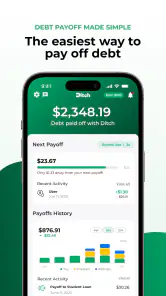
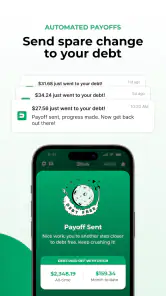
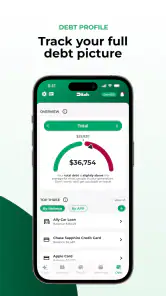
Analysis by Reviewed
Debt is difficult enough without turning every payment into a small research project. After spending time with Ditch: Pay Off Debt Faster, I found its main appeal easy to understand: it gives a debt payoff plan a more active role in your financial routine instead of leaving everything scattered across statements, notes, and mental reminders. It is a free finance app from Ditch Technologies, Inc, designed for people who want to automate payoff decisions and keep track of progress in one place.
My overall view is positive, but with an important qualification. This is most useful when you already know what you owe and want help staying organized and consistent. It is less suitable if you need broad banking tools, investment management, detailed household budgeting, or a financial counselor. The app focuses on the debt journey, and that narrower purpose is both its strongest quality and its clearest limitation.
What makes the debt-focused approach useful
Most people begin with a simple list: a credit card balance, a personal loan, perhaps a medical bill or another recurring obligation. The problem is not always understanding that these debts exist. The harder part is deciding what to pay first, remembering the next action, and seeing whether the plan is actually moving forward. Ditch approaches that problem as a dedicated payoff companion rather than as a general-purpose money dashboard.
That distinction matters. A traditional banking app can show balances and transactions, but it usually does not make debt reduction feel like a project with a clear direction. A spreadsheet can be more flexible, but only if you build the formulas, update them, and keep using them. Ditch sits between those options: more focused than a bank app and less demanding than maintaining a custom financial workbook.
In my experience, the most valuable part is the change in attention. Instead of asking only, “What is my balance today?” I can think in terms of the next payment, the order of debts, and the effect of keeping the plan active. That is a small shift, but it can help turn an uncomfortable financial obligation into a series of manageable decisions.
The app’s store summary describes its purpose as automating payoff and tracking debt, and that is a better description of its role than calling it a complete money manager. It is not trying to replace every financial tool on your phone. Its job is to keep debt repayment visible and easier to follow.
Where it fits into a normal monthly routine
A realistic use case is someone paid twice a month who has several balances and tends to make minimum payments without a consistent extra-payment strategy. After payday, that person can review the plan, confirm the required payments are covered, and decide whether available extra money should go toward the current priority. The important benefit is not simply seeing a number; it is having a repeatable moment when the debt plan is checked.
More From Our News Desk

Clash of Clans Is Won Between the Battles

Android Auto Makes the Case for Quieter Car Software

MobiOffice: Transforming Mobile Productivity with Seamless Integration

EA SPORTS FC™ Mobile Soccer: Redefining Mobile Sports Gaming

How Microsoft OneDrive Became a Mobile Productivity Giant

How Google Translate Breaks Language Barriers Effortlessly
I also see value for people who have recently combined their finances with a partner. Couples often know their total debt but disagree about how to organize it, especially when one balance has a higher interest cost and another is emotionally frustrating because it is small and nearly finished. A focused payoff app can provide a shared reference point for the conversation. It does not solve the disagreement, but it can make the discussion less dependent on memory or scattered screenshots.
Another useful situation is a temporary income change. If overtime disappears, a contract ends, or an unexpected expense arrives, the plan needs to be reviewed rather than blindly followed. A debt tracker gives you a place to reassess priorities. That does not mean every adjustment is automatically correct; it means the decision is visible instead of being lost in a busy month.
The practical strength: reducing decision fatigue
Debt repayment often fails through small lapses rather than one dramatic mistake. A person forgets to update a balance, loses track of an extra payment, or keeps switching between payoff methods after reading another piece of advice. The focused design of Ditch can help reduce that constant rethinking. Once a plan is chosen, the user has a clearer path to revisit.
One tip I would give new users is to treat the app as a planning checkpoint, not as a substitute for opening statements and checking actual account activity. Before relying on any payoff view, make sure the balances, minimums, and payment dates you enter are current. Then use Ditch to organize the plan and monitor progress, while continuing to verify the real-world transactions through your lender or bank.
A second tip is to update the app after irregular payments, not only at the end of the month. A tax refund, work bonus, gift, or unusually low bill can change the order or timing of a payoff plan. Recording those changes promptly makes the progress view more meaningful and prevents you from making decisions from an outdated picture.
A third insight is that the best payoff strategy is not always the one that looks mathematically perfect. Some users need the motivation of eliminating a small balance first; others prefer directing extra money toward the costliest debt. The app can support a more deliberate choice, but it cannot decide which emotional and financial trade-off fits your household. I would use it to make the consequence of each approach clearer, then choose a method I can actually maintain.
What the numbers around the app suggest
Ditch has a 4.8 average from around 1.1 thousand ratings, with over 10 thousand installs. Those figures suggest that the focused concept is connecting with a meaningful group of users, although they should not be mistaken for proof that it will suit every financial situation. Debt tools are highly personal: an app that feels motivating to someone with three cards may feel restrictive to someone managing a mortgage, business borrowing, or irregular income.
The app is rated for Everyone, which makes its general audience broad, but the practical audience is narrower. Anyone dealing with debt can understand the purpose, yet the most benefit will go to adults who are ready to enter their own information, review it regularly, and follow through on payments outside the app.
The friction I noticed before recommending it
The main weakness is that a debt-focused planner still depends on accurate user input and continued attention. If a balance changes and the app is not updated, the plan can become less useful. That is not an unusual problem for financial trackers, but it is especially important here because the app’s value depends on the relationship between your recorded debts and the decisions you make from them.
This also creates a trade-off with automatic banking tools. A bank-connected service may save more manual work by importing transactions, while a focused debt app may offer a cleaner payoff experience. If your priority is effortless synchronization across accounts, Ditch may require more hands-on maintenance than you want. I would not choose it simply because it is free; I would choose it if the act of reviewing debt is something I am willing to make part of my routine.
The free entry point is helpful, especially for someone who wants to test a dedicated debt workflow without committing immediately. At the same time, the app includes in-app purchases ranging from $5.99 to $89.99 per item. That makes it worth checking exactly what is included before paying. A person should compare any paid option with the value of a spreadsheet, a budgeting app already in use, or a one-time consultation with a qualified financial professional.
I would also avoid treating a payoff projection as a promise. Real life changes interest charges, fees, income, emergencies, and spending. Even a well-organized plan can be disrupted by a car repair or a missed work period. The useful question is not whether the app can guarantee a debt-free date. It is whether it helps you make the next responsible decision and return to the plan after a setback.
Who should use it, and who should look elsewhere
I think Ditch is a strong fit for someone with several consumer debts who feels overwhelmed by choosing a payoff order. It is also a good match for users who have tried a spreadsheet but stopped updating it, or for anyone who wants a dedicated place to review progress without the distractions of a full banking dashboard. People who respond well to visible milestones and recurring check-ins are likely to appreciate its purpose.
It can also help a financially organized person who wants a separate debt workspace. You do not need to be careless with money to benefit from a focused tracker. Sometimes the problem is simply that debt information is spread across different lenders, and a single payoff view makes monthly planning less tiring.
I would be more cautious if your finances are unusually complex. Someone with business debt, multiple currencies, legal repayment arrangements, or a need for detailed tax treatment should not assume that a consumer debt tracker covers those needs. Likewise, if you are behind on payments, facing collections, or deciding between debt settlement and bankruptcy, an app should be only a small part of the process. Professional advice and direct communication with creditors may matter more than a polished payoff plan.
It is also not the right choice for someone who wants a full budget-first experience. Apps built around envelope budgeting, transaction categorization, or household cash flow may be better if debt is only one part of a wider money-management system. Ditch makes more sense when reducing debt is the central task and you want the interface and routine to reflect that priority.
How I would set it up for the best result
I would begin with a quiet session rather than entering information hurriedly between errands. Gather current statements, write down each balance and required payment, and distinguish recurring obligations from optional extra payments. The goal is to create a starting picture that is honest enough to guide decisions. An incorrect starting point can make later progress look better or worse than it really is.
Next, I would choose one payoff approach and commit to reviewing it for a reasonable period before changing direction. Constantly switching methods can create the feeling of activity without producing consistent payments. If circumstances change, adjust the plan deliberately and record why. That simple note-to-self can prevent you from abandoning a workable strategy because of a temporary bad month.
I would then pair the app with two outside habits: automatic minimum payments where appropriate, and a calendar reminder to review balances after statements arrive. Automation protects against avoidable late payments, while the review keeps the plan current. Ditch can organize the payoff effort, but the actual financial safeguards still need to happen through your accounts and personal routine.
Finally, I would use any progress view as encouragement, not as a reason to borrow again. Paying off one balance can create a tempting sense of spare money. Before redirecting that amount to lifestyle spending, decide whether it should move to the next debt or build a small emergency cushion. That is one of the less obvious trade-offs in debt planning: faster repayment is valuable, but having no buffer can force new borrowing after one unexpected bill.
My verdict on Ditch: Pay Off Debt Faster
Ditch: Pay Off Debt Faster succeeds because it stays focused on a problem that general finance apps often treat as just another screen. I like the way its purpose encourages a recurring payoff habit, and I think it can be genuinely useful for people who need structure more than they need another place to view transactions. The free starting option also lowers the barrier to trying a debt-centered workflow.
My recommendation comes with clear boundaries. Keep your lender accounts as the source of truth, update the app when balances change, and do not mistake a plan for guaranteed financial results. Be especially careful before choosing an in-app purchase, since the available items extend from a modest amount to a much higher one.
For a person with ordinary consumer debt, a willingness to review information, and a desire to stop improvising every month, I would recommend giving it a fair trial. For someone seeking investment tools, advanced budgeting, professional debt advice, or completely hands-off account synchronization, I would choose a different solution. In its proper lane, Ditch is a practical and focused companion: not a cure for debt, but a useful way to keep the payoff process visible, deliberate, and easier to continue.
The app was released on September 12, 2023, and its current version is 1.5.6, with support beginning at Android 8.0. Those details make it accessible to many Android users, while its Everyone rating keeps the presentation broadly approachable. If your main financial goal is to get organized around repayment rather than manage every aspect of your money in one place, this is where Ditch makes the most convincing case for itself.
Ditch: Pay Off Debt Faster Frequently Asked Questions
What information should I have ready before setting up Ditch?
It helps to gather the details for each debt you want to track, including its current balance, interest rate, and minimum payment. Having those figures nearby makes it easier to build a useful overview and follow repayment progress. You can start by entering what you know, then check your lender statements so the information in the app reflects your current obligations.
Is Ditch available for my phone, and what does it cost to get started?
Ditch is a finance app from Ditch Technologies, Inc. It is free to download, and it is intended for devices running iOS 8.0 or later. Some tools may involve in-app purchases, with prices ranging from $5.99 to $89.99 per item, so check the purchase details shown in your app store before buying anything. The app is rated for Everyone.
What is Ditch: Pay Off Debt Faster, and how does it work?
Ditch is a debt-management app designed to help you organize outstanding balances, understand repayment progress, and work toward becoming debt-free sooner. After entering information about your debts, such as balances, interest rates, and minimum payments, the app can help you review your situation and follow a repayment strategy. It is intended as a planning and motivation tool rather than a replacement for your bank or lender.
Can Ditch connect to my bank accounts or credit cards?
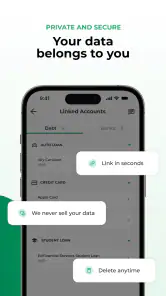
Depending on your location, subscription, and the version available on your device, Ditch may offer account-connection features through a third-party financial-data service. These connections can make tracking debts and payments more convenient, but availability is not guaranteed for every bank or card provider. Before linking an account, review the permissions, privacy policy, and security information, and use manual entry if you prefer not to share financial credentials.
Does Ditch make debt payments for me automatically?
Ditch should not be treated as an automatic bill-payment service unless the specific feature is clearly available in your version of the app. Its main purpose is to help you plan, monitor, and stay focused on repayment. You remain responsible for paying lenders on time, checking payment amounts, and confirming due dates. Always verify details with your creditors, since an app reminder or progress screen does not replace an official statement.
Pros
- Clear payoff tracking helps users see progress toward becoming debt-free.
- Supports focused repayment planning instead of leaving debts unorganized.
- Can make regular payments feel more motivating through visible milestones.
- Useful for users managing multiple debts in one place.
- Simple design may be less overwhelming than complex budgeting apps.
Cons
- It may not support every lender
- account type
- or repayment method.
- Some advanced features may require a subscription or in-app purchase.
- Users still need to enter accurate debt details for useful calculations.
- It is not a replacement for professional financial or credit advice.
- Privacy-conscious users may hesitate to share sensitive financial information.
- Category
- Finance
- Version
- 1.5.6