 About Pokémon GO
Pokémon GO: Redefining Mobile Gaming and Culture
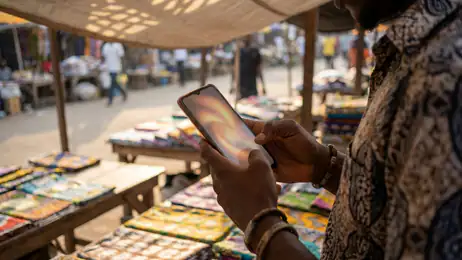
In the ever-evolving landscape of mobile culture, Pokémon GO stands out as a phenomenon that’s reshaped how we interact with both our devices and the world around us. As I laced up my sneakers to venture outside, smartphone in hand, I couldn’t help but feel part of a global ritual—a shared experience transcending age, geography, and background.
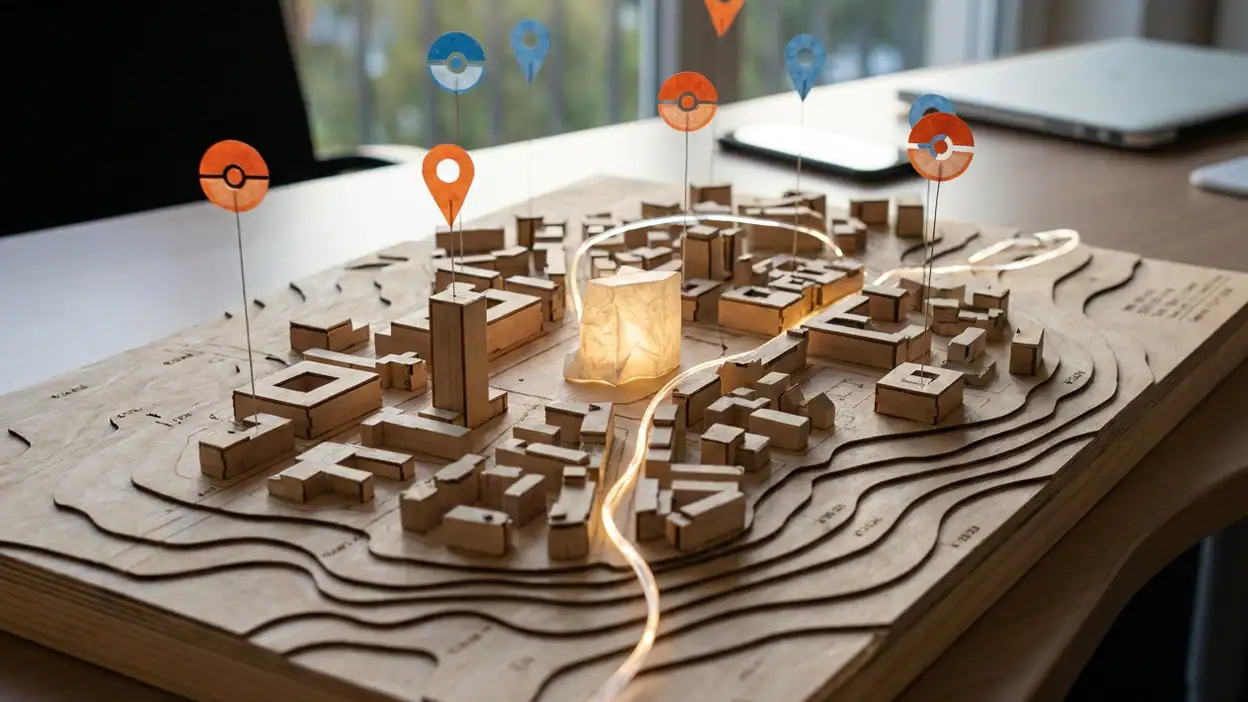
Launched in 2016, Pokémon GO was more than just another mobile game; it was a signal of a new era. It captured the zeitgeist of a generation hungry for augmented reality and blended digital interaction with the physical world. Unlike apps like Google Maps Go, which focus on navigation, Pokémon GO encourages exploration and discovery, turning familiar streets into adventure-filled landscapes.
The behavior it normalizes is fascinating. Gone are the days when gaming meant sitting indoors. Now, players are rewarded for venturing out and connecting in real life. This game has subtly shifted our expectations of what mobile gaming could be, promoting physical activity and community interaction in a way that feels both effortless and engaging.
In terms of status, there’s an undeniable allure to the convenience of having a world of Pokémon at your fingertips. While rivals like Crafto offer creativity in a digital sandbox, Pokémon GO delivers nostalgia with a modern twist, allowing players to relive childhood dreams in a way that feels fresh and dynamic.
For many, Pokémon GO has become part of their daily rituals. It’s not just about catching Pokémon; it’s about the walk to work, the lunchtime stroll, or the weekend meetup with friends. The game seamlessly integrates into everyday life, encouraging players to find new patterns and routines.
Why do people keep it close? Simply put, it’s the thrill of the hunt, the joy of the unexpected encounter, and the satisfaction of completing a collection. The game taps into a deep-seated desire for novelty and achievement, something that keeps players coming back day after day.
The design mirrors culture in its simplicity and accessibility. Unlike BeSoccer’s focus on real-time sports updates or Blinkit’s promise of rapid grocery deliveries, Pokémon GO offers an escape that’s both leisurely and rewarding, reflecting a cultural shift towards valuing experiences over possessions.
Yet, there’s something revealing—and perhaps uneasy—about how easily Pokémon GO has integrated into our lives. It blurs the line between reality and virtuality, raising questions about screen time and our relationship with technology. However, its ability to foster real-world connections and encourage physical activity provides a counterbalance that feels both reassuring and innovative.
Rivals have certainly taken note, with many attempting to replicate its success by incorporating AR features into their platforms. However, few have captured the same magic. Pokémon GO’s blend of nostalgia, exploration, and community engagement remains uniquely compelling.
In the end, Pokémon GO is not just an app—it’s a cultural touchstone. It’s a reminder that our phones are not just tools, but gateways to new experiences and ways of seeing the world. As we chase Pikachu through parks and streets, we become part of a global narrative, one that continues to evolve and inspire.