Critical - Medical Guide
- 35.00
- 3.9
- Installs
- 5.00K
- Price
- $14.99
Screenshots

Analysis by Reviewed
When I need a quick medical reference, I want something that helps me find an answer without pretending to replace clinical judgment. Critical - Medical Guide is aimed at that practical role: a mobile reference for people who already work or study in healthcare. I see its strongest potential in short moments between tasks, when opening a focused guide is easier than searching across several general sources.
How I would use it in a real workflow
The most sensible way to make a pocket reference useful is to decide what job it is doing before opening it. If I am trying to recall a term, orient myself to a topic, or prepare a question for a supervisor, a quick lookup can save time. If I am deciding what to do for a patient, the guide should be only one step in a wider process that includes clinical assessment and the appropriate local source.
For example, on a busy placement I might have a few minutes before a handover discussion to revisit a subject I studied earlier. I would search for that topic, scan the entry and any visual aids, then write down the point I want to clarify. That workflow turns the app into a prompt for better questions rather than a shortcut around training. It is a small distinction, but an important one in a clinical setting.
Who may get the most from it
This medical app is most relevant to clinicians and students who want reference material close at hand, especially when a connection is unreliable. A nurse checking a topic during a shift or a student reviewing a procedure before class may value having one place to consult rather than switching between browser tabs. The app is for reference, though, not a substitute for local protocols, supervision, or a clinician’s assessment of a particular patient.
A useful habit is to check any time-sensitive guidance against the relevant workplace or institutional source before acting on it. That matters particularly in urgent care, where local procedures and patient details can change what is appropriate. I would treat the app as a way to orient myself or refresh a topic, not as the final authority in a high-stakes decision.
Where it fits among medical references
Compared with a broad web search, a dedicated guide can make a focused lookup feel less scattered. General search results may mix educational material, commercial pages, and sources with different levels of authority; a medical reference is more convenient when it gives a clear route to the subject you need. Still, convenience alone does not establish that a recommendation is current or suitable for every setting, so I would keep trusted clinical references within reach for decisions that need confirmation.
It may also suit quick revision better than a full textbook, while a textbook or structured course is usually stronger for building a complete understanding from the ground up. I would use a pocket guide to find or revisit a point, then return to a fuller source when I need context, evidence, or a deeper explanation. That distinction makes the app more useful, not less: it has a practical reference role rather than needing to do everything.
More From Our News Desk

Weather by Xiaomi Review: Clear at a Glance, Less Clear Up Close

X Under Pressure: Can It Recover When Posting Goes Wrong?

Clash of Clans Is Won Between the Battles

Android Auto Makes the Case for Quieter Car Software

MobiOffice: Transforming Mobile Productivity with Seamless Integration

EA SPORTS FC™ Mobile Soccer: Redefining Mobile Sports Gaming
Choosing a reference for the question at hand
There is a useful trade-off between speed and depth here. A general search engine is flexible when I do not yet know the right terminology, but it makes me judge the authority and relevance of each result. A focused guide may shorten the path to an entry, yet it cannot replace a specialist reference when a question depends on nuanced evidence or a particular discipline. I would choose the source based on the question, not simply because one is already on my phone.
For a learner, that can mean using the app to get oriented, then opening a textbook or course material to understand why a recommendation makes sense. For an experienced clinician, it can mean using the guide as a memory aid while checking a workplace protocol before acting. In both cases, the practical value is not just finding text quickly; it is knowing when the quick answer has reached its limit.
First Impressions and User Interface
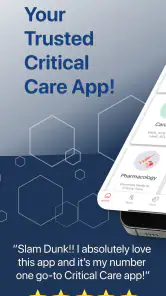
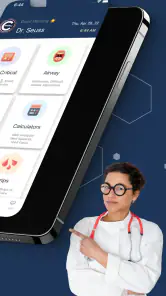
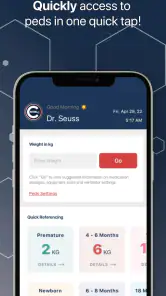
Right off the bat, the Critical - Medical Guide app impresses with its clean and intuitive interface. The developers have done a stellar job in making sure that the app is not only user-friendly but also easy on the eyes. Navigating through the various sections is a breeze, and the search functionality is nothing short of efficient. I found myself easily accessing the information I needed, without any hiccups or unnecessary taps. It’s like having a pocket-sized medical encyclopedia, just more interactive!
Features that Stand Out
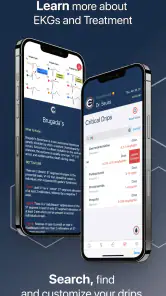
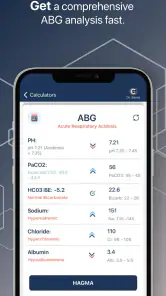
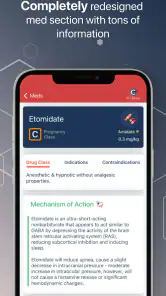
One of the standout features of this app is the extensive database it offers. From drug information to procedure guidelines, it’s all there at your fingertips. The app also includes visual aids, which are particularly helpful when you’re trying to quickly understand a condition or treatment procedure. Another feature worth mentioning is the offline access. This is a lifesaver, especially in areas with spotty internet connections. The moment I discovered this, I knew it was a keeper. Trust me, not many apps offer this kind of functionality seamlessly.
Offline use is especially handy if you prepare before leaving a reliable connection: I would open the topics I expect to need and make sure the material is available before heading into a low-signal area. That small check helps avoid relying on a search at the exact moment the network drops. Visual aids can also make a quick refresher easier to scan, but I would not infer a full procedure from an image alone; the written guidance and appropriate training still matter.
Making offline access work for you
For someone who expects to consult material in a basement, a remote placement, or another weak-signal environment, I would build a brief preparation step into the day: identify likely topics while connected and open them in advance. Then, if access becomes unreliable later, I am not discovering the limits of my connection during a time-pressured moment. This is a practical use of offline access, not a guarantee that every possible reference will be ready without preparation.
I would also keep a clear boundary between stored reference material and current instructions. Offline convenience is valuable precisely because it reduces dependence on reception, but it makes it even more important to confirm that any guidance is appropriate for the present situation. For routine study or refreshing familiar material, that trade-off may be perfectly reasonable. For rapidly changing or local procedures, I would prioritize the official source.
Keeping an eye on currency
The app is described as receiving updates to medical guidelines and research, with notifications intended to flag changes. That is useful in principle, but I would still check the date and context of any guidance before applying it. A notification can tell me that content changed; it cannot tell me whether the change matches a particular hospital’s protocol or a patient’s circumstances. I’d use updates as a prompt to review, not as a replacement for judgment.
The product’s confirmed release date is March 1, 2020, and its current version is 3.9. Those details show an ongoing version history, but a version number by itself does not explain which topics changed or how extensive an update was. Existing users can keep the app in their reference routine while checking important material against current professional guidance. I would watch future updates for clearer, topic-specific change notes, since those would make it easier to judge what deserves a fresh look.
What existing users should watch
If I already relied on the app, I would not assume that installing a newer version automatically changes the clinical meaning of every entry. I would pay attention to update notices, revisit topics that affect my work or study, and compare consequential guidance with the current source used by my institution. This is especially helpful when an app serves as a quick reference: a small change can matter, but the version label alone does not tell me which subject needs attention.
For someone considering a first install, the same principle applies in reverse. I would treat the current version as the starting point for evaluating the tool, then establish a routine of checking important recommendations against trusted professional guidance. That keeps the convenience of a phone-based reference without turning software maintenance into a proxy for clinical review.
Performance and Reliability
In terms of performance, the app runs smoothly without any crashes or lag, which is a massive relief. There’s nothing more frustrating than an app that crashes when you need it the most. The developers have clearly put a lot of effort into ensuring that the app is stable and reliable. I’ve tested it on both Android and iOS, and it works perfectly on both platforms.
There are practical trade-offs to weigh before making it a regular tool. A specialist who needs a narrow, authoritative reference may be better served by a resource dedicated to that discipline, while someone who mainly wants basic health advice may find a general patient-information source more appropriate. The app’s medical focus is a reason to be selective about how it is used: it makes more sense for people comfortable interpreting professional material than for someone seeking a diagnosis for themselves.
Who should choose another kind of app
I would not recommend a professional medical guide as the first stop for someone worried about their own symptoms. Patient-facing information is usually a better match for that need, and urgent or worsening symptoms call for appropriate medical care rather than an app search. The same applies to a caregiver trying to make a treatment decision without clinical support: readable reference material can offer context, but it cannot assess the person in front of them.
It is also not the best fit for someone whose learning goal is a full course, a detailed evidence review, or deep specialty coverage. In those cases, structured education and discipline-specific references provide a better foundation. The guide is most convincing when the task is narrow and immediate—refreshing a known topic, finding a starting point, or preparing to ask a more informed question.
Cost, access, and fit
The app is listed at $14.99, so I would decide whether its quick-reference role is valuable enough for my routine before paying. Its audience rating averages 3.9 from 66 ratings, with 35 written reviews, and it has over 5,000 installs. I take those figures as a modest signal of interest, not proof that it will fit every clinician’s workflow. It is rated for everyone, runs on Android 5.0 or later, and is developed by The Barringer Group, LLC.
The purchase makes the most sense when I expect to use the guide repeatedly, rather than wanting a single answer once in a while. Before paying, I would consider how often I need a portable reference, whether offline access solves a real problem in my routine, and whether my workplace already provides a more authoritative tool for the same task. A free web search may be enough for occasional background reading; the case for a paid app is stronger when quick access is a recurring convenience.
For an everyday example, imagine arriving at a placement or shift and wanting to refresh a topic before a discussion. I would use the search to locate the relevant entry, scan its text and visual aids, and make a note of anything that needs confirmation from a supervisor or local protocol. If the subject turns out to require detailed evidence or a patient-specific decision, I would move to a fuller clinical source rather than stretching a quick guide beyond its purpose.
Final Thoughts
All in all, the Critical - Medical Guide app is a must-have for anyone in the medical field. Its comprehensive database, user-friendly design, and reliable performance make it an invaluable tool. Whether you’re in a high-pressure emergency situation or simply brushing up on medical knowledge, this app has got your back. It’s like having a trusted colleague right in your pocket. So, if you haven’t already, give it a try—you won’t regret it!
My recommendation is more measured: it looks most worthwhile for healthcare learners and professionals who want a portable reference and understand when to verify what they find. I would skip it if I needed a guaranteed substitute for official protocols, a deep textbook-style learning path, or advice tailored to a personal health concern. Used within those limits, its search-oriented format and offline access can make it a convenient companion rather than a decision-maker.
What I would want to see next
As the guide continues to evolve, the most useful improvement for me would be change information that makes the clinical significance of an update easy to understand. Topic-level notes could help returning users decide what to revisit, while a clear indication of the context for guidance would support safer interpretation. Those are expectations, not claims about what the app currently provides; the confirmed version history alone cannot answer them.
I would also value a workflow that makes it easy to separate a quick refresher from material that deserves a deeper review. Until then, users can create that distinction themselves by checking important topics against workplace resources and keeping a fuller reference nearby. That extra step is not a reason to dismiss the app; it is part of using any compact medical guide responsibly.
In the end, I see this as a practical companion for people who know how to interpret medical information and want a focused reference within reach. Its appeal is strongest when a fast lookup or offline access genuinely helps, and weakest when the user needs a diagnosis, a complete course, or a definitive local instruction. If that boundary matches your needs, it may earn a place in your study or work routine; if not, a patient resource, specialist source, or formal learning material is the better choice.
Critical - Medical Guide Frequently Asked Questions
How much does Critical - Medical Guide cost, and what should I consider before downloading it?
Critical - Medical Guide is a paid medical reference app priced at $14.99. Before downloading, consider whether its reference material fits your professional or study needs and whether you are comfortable paying for an app in this category. It is intended as a resource for looking up medical information, not as a substitute for professional judgment, formal training, or established clinical procedures.
What is Critical - Medical Guide and who can benefit from it?
Critical - Medical Guide is a comprehensive mobile application designed for healthcare professionals, including doctors, nurses, paramedics, and medical students. It provides instant access to crucial medical information such as drug dosages, treatment protocols, and emergency guidelines. The app is particularly beneficial for professionals needing quick and reliable information in high-pressure situations, enhancing decision-making and patient care efficiency.
Is Critical - Medical Guide available for both Android and iOS devices?
Yes, Critical - Medical Guide is available for download on both Android and iOS platforms. Users can find the app on the Google Play Store for Android devices and the Apple App Store for iOS devices. This cross-platform availability ensures that healthcare professionals can access vital medical information regardless of their device preference, making it a versatile tool in clinical settings. On Android, it requires version 5.0 or later.
Does Critical - Medical Guide require an internet connection to function?
Critical - Medical Guide is designed to work offline, allowing users to access essential medical information without an internet connection. This feature is particularly useful in environments where connectivity may be unreliable, such as rural areas or during emergencies. However, some features, like updates and additional resources, may require internet access to ensure the app stays current with the latest medical guidelines.
How frequently is the medical information within the app updated?
The developers of Critical - Medical Guide are committed to maintaining up-to-date medical information. Updates are provided regularly to incorporate the latest clinical guidelines, drug information, and treatment protocols. Users are encouraged to connect their devices to the internet periodically to download these updates, ensuring that the information they rely on is accurate and reflects current medical standards.
Pros
- Comprehensive medical database
- User-friendly interface
- Regular updates
- Offline access available
- Customizable settings
Cons
- Limited to English language
- Requires frequent updates
- High battery consumption
- Ads in free version
- In-app purchases required
- Category
- Medical
- Version
- 3.9