BookFunnel
- 1.05K
- 4.4
- Installs
- 1.00M
- Price
- Free
Screenshots
Analysis by Reviewed
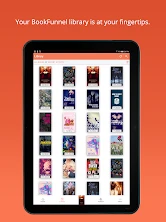
I’d treat BookFunnel as a practical way to get books you’ve received into the reading app you already enjoy, rather than as a general-purpose bookstore. That distinction makes the first use less mysterious: its main job is helping you manage BookFunnel books and move them into your preferred reading setup. If you arrive expecting a huge browseable catalogue or a new reading app to replace your usual one, the experience may not match that expectation.
What to expect as a first-time user
BookFunnel is a free Books & Reference app from BookFunnel.com, and its audience includes readers who receive books through the service as well as authors distributing copies. It has an average rating of 4.4 from around 3,600 ratings, and more than a million installs. Those figures suggest it is well established, but what matters day to day is whether it fits the way you get books: it is most useful when a title or book link is already connected to BookFunnel.
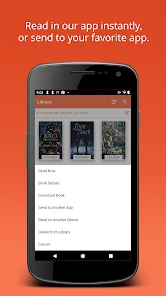
For a first successful try, start with a book you have been sent or can access through the service. Open it in the app, then follow the available steps to get it into your preferred reading app. That small test is more useful than browsing at random: it shows whether the handoff works with your device and your chosen reader before you depend on it for a trip or a reading group. I’d keep the original delivery message nearby until the book is visible where you expect it.
The reassuring part is that you do not need to reorganize your entire digital library to try it. Treat the first book as a one-title test: identify the reader you want to use, complete the transfer, and confirm that the title opens there. If that path feels clear, you can repeat it for other BookFunnel books. If it feels awkward, you have learned that before making it part of your routine.
A useful handoff, not necessarily a new library
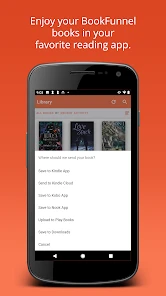
The key choice is where you want to read. If you already have a favorite app, BookFunnel’s appeal is that it can help route its books there, instead of asking you to abandon your existing habits. That can make it a better fit than managing downloaded files manually, especially if file handling feels fiddly. On the other hand, readers who want one app to discover, buy, organize, and read everything may prefer a conventional ebook store or library app as their main hub.
One practical tip is to test the handoff with a single title before collecting several books. If you switch between reading apps, decide which one you want to use for this book first; otherwise, it is easy to lose track of where you opened it. For travel, check that the book is actually available in the reading app before you leave a reliable connection. A successful transfer and offline access are separate things to verify on your own device.
Choosing your reading destination
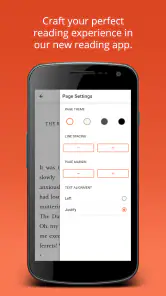
That distinction also answers a common first-use question: should you read inside BookFunnel or send the book elsewhere? The most useful approach depends on the reading habits you already have and on the options shown for the book on your device. If you have a preferred reader with settings you rely on, such as your chosen text size or theme, aim to continue there when the handoff allows it. If you are unsure, test the available route rather than assuming every title behaves identically.
More From Our News Desk

Clash of Clans Is Won Between the Battles

Android Auto Makes the Case for Quieter Car Software

MobiOffice: Transforming Mobile Productivity with Seamless Integration

EA SPORTS FC™ Mobile Soccer: Redefining Mobile Sports Gaming

How Microsoft OneDrive Became a Mobile Productivity Giant

How Google Translate Breaks Language Barriers Effortlessly
There is a small but worthwhile organizational habit here. When a book is delivered, note which reader you chose and look for it there before trying the process again. That prevents duplicate effort and helps distinguish a transfer issue from simply checking the wrong library. I would also avoid moving several new titles at once on the first day; one confirmed success gives you a clear baseline if another book later takes a different path.
Discovering Books Like Never Before
First off, let me rave a little about the discovery feature. With BookFunnel, you can discover a plethora of books from indie authors that you might not find on mainstream platforms. It's like having a secret library where every book is a hidden gem. The app's interface is super intuitive, making it easy to search for genres that tickle your fancy. Trust me, if you love exploring new reads, this app is going to be your new best friend.
Seamless Reading Experience
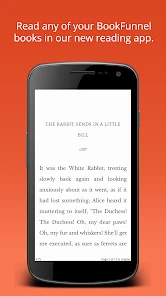
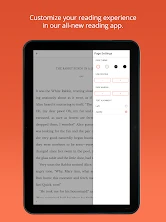
Now, let’s talk about the reading experience. I’m someone who’s super picky about how I read my eBooks. With BookFunnel, the reading experience is smooth as silk. You can download books to your device and read them offline, which is perfect for those long flights or when you're chilling in a no-Wi-Fi zone. Plus, the app ensures that the formatting is top-notch, so no more weird line breaks or funky fonts!
For a realistic everyday example, imagine getting a book from an author after signing up for a newsletter, then opening it during a commute. I’d use BookFunnel to get that copy into the reader I normally use, and I’d make sure it opens properly before relying on it on the train. That workflow is especially helpful if you value keeping your reading routine consistent across books from different sources. It is less compelling if all your reading comes from one store that already delivers titles directly to its own app.
Making a commute or trip less uncertain
For a commute, the useful check is not merely whether the title appears somewhere on the phone, but whether it opens from the reading app you plan to use. I’d do that while I still have a dependable connection, then leave the book in that destination instead of assuming I can sort out the handoff later. This is a practical distinction for travel: getting a copy into a reader and being ready to read offline are related steps, but they are not the same check.
The same approach works before a book-club meeting. If someone has sent a BookFunnel title, test it ahead of the discussion rather than spending the opening minutes switching between apps. A member who is comfortable with ebooks may find this straightforward; someone who rarely handles digital books may need a little more guidance. In that situation, a clear message naming the chosen reading app and the next action is more useful than sending the link without context.
Sharing is Caring
If you’re like me and love sharing books with friends, BookFunnel has got your back. The app allows easy sharing of book links with fellow bookworms. And if you’re an author, you can send free copies to your readers without any hassle. This feature is a godsend for anyone looking to build or engage with their book community.
For authors, the useful question is not just how to send a copy, but how the reader will open it. A short note telling someone which app to choose and what to do after tapping the book link can prevent a lot of back-and-forth. I’d also send myself a test copy first: seeing the experience from the recipient’s side is a simple way to catch confusing instructions before sharing with a larger group. The trade-off is that this is a distribution aid, not a replacement for writing, editing, or deciding how you want to reach readers.
Perfect for Authors Too
Speaking of authors, this app isn’t just a dream for readers. If you’re an indie author, BookFunnel provides tools that help you distribute your books directly to your audience. You can even create exclusive reader magnets to engage your fans further. It’s like having a mini marketing toolkit right at your fingertips.
When a simpler alternative is better
BookFunnel makes most sense when the books you want to read or distribute are already part of its workflow. If your ebooks come almost entirely from one retailer, that retailer’s reader may be simpler because your purchases and reading destination are already connected. If you depend on borrowing, your library’s app is the more natural starting point. And if your main goal is to browse a large catalogue and choose your next paid title, a dedicated ebook shop is designed more directly around that task.
Compared with moving ebook files by hand, a guided delivery route can spare you some of the uncertainty around locating a file and opening it in the right place. But it is still another step in the chain, so it will not feel as effortless as a title that appears automatically in the reader where you already shop. I’d choose it for the direct copies it helps manage, not install it expecting it to replace every other book service.
Where it fits—and where it doesn’t
In practice, I’d recommend BookFunnel to readers who regularly receive direct book copies, and to independent authors who want a more straightforward way to deliver them. It is also useful for book clubs when a member has a copy to share through the service: everyone can focus on getting the title into a suitable reader rather than figuring out file management from scratch. If you mainly borrow from a public library, buy through a single ebook shop, or want a broad catalogue inside one app, that store or library’s own app is likely the simpler everyday choice.
A good candidate is someone who receives books from authors or other direct sources and wants to keep reading in an app they already know. It can also suit a reader who is willing to make a quick transfer in exchange for using familiar reading settings. I’d skip it as a daily hub if you rarely receive BookFunnel books, dislike switching between apps, or expect a single shelf to combine every ebook you own regardless of source.
For an author, the decision is slightly different. The service can help with delivery, but the reader’s experience still depends on understandable instructions and a destination they can use. I would test the route personally before sending a copy to a group, particularly if some recipients are new to ebooks. That extra preparation does not remove every possible point of confusion, but it gives you a much clearer idea of what your readers will see.
BookFunnel is rated for Everyone, and it has been available since July 21, 2015. I would still keep expectations specific: it is a bridge between a BookFunnel book and a reading destination, not a guarantee that every title from every source will appear in one unified shelf. When a book does not show up where you expect, first check whether you completed the transfer and whether you are looking in the same reading app you selected. That quick check is more useful than repeatedly reopening the delivery message.
Working through the first snag
If the book seems to have vanished, I would retrace the route in order: return to the delivery message or book access point, confirm which reading destination was selected, and then check that destination rather than another app’s library. This simple sequence helps narrow down the problem without starting over blindly. A title that has not yet completed its handoff and a title that has been sent to a different reader can look like the same problem at first.
If you are helping someone else, ask them to describe the last screen they saw instead of only asking whether the book worked. That makes it easier to tell whether they opened the book, chose a reader, or expected the title to appear automatically. I find this especially useful when sharing with less confident readers: a calm, step-by-step check is usually better than asking them to repeat the whole process without knowing where it stalled.
A sensible next step after setup
Once the first title opens where you want it, keep using that same route for the next BookFunnel book and make a note of any step that was easy to overlook. For an author, that note can become a clearer instruction for recipients. For a reader, it can be a small personal routine: open the delivery, choose the intended reader, confirm the title is there, and check offline access when needed. The point is not to create extra bookkeeping, but to avoid confusion when books arrive from more than one place.
That routine also helps you judge whether BookFunnel deserves a regular place on your phone. If you receive direct books often, a dependable handoff can be worth the extra stop. If you only encounter one occasionally, you can use it when needed without making it the center of your reading life. I prefer that realistic expectation to treating every book app as though it must become an all-in-one library.
In conclusion, whether you’re diving into a new novel or sharing your latest read with friends, BookFunnel ensures that your bookish adventures are nothing short of magical. If you haven’t already, give it a whirl and let it transport you to a world where every page is an adventure waiting to unfold.
BookFunnel Frequently Asked Questions
Who develops BookFunnel, and what is it designed for?
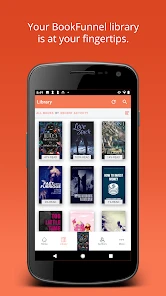
BookFunnel is a Books & Reference app from BookFunnel.com, built around managing your BookFunnel books and sending them to your favorite reading app. It is aimed at readers who want a convenient way to handle books they receive through BookFunnel. If you already use a preferred reading app, BookFunnel’s role is to help get your books there rather than replace every reading app with a single destination.
What is BookFunnel and how does it work?
BookFunnel is a popular platform that allows authors to deliver their e-books directly to readers. It works by providing a seamless process for downloading e-books onto any device, whether it's a Kindle, iPad, or Android phone. Users receive a unique download link to access their purchase, ensuring a smooth reading experience with no technical hiccups.
Is BookFunnel free to use for readers?
Yes, BookFunnel is free for readers. The platform is designed to facilitate easy access to e-books without any cost to the reader. Authors typically bear the cost as part of their marketing and distribution strategy. Readers simply need to click on the provided link to download their chosen book, hassle-free and without any hidden charges.
Can I use BookFunnel on multiple devices?
Absolutely! BookFunnel supports multiple devices, allowing you to download and read your e-books on any device of your choice. Whether you prefer using a Kindle, a smartphone, or a tablet, BookFunnel ensures compatibility across all major platforms, making it easy for you to pick up where you left off, no matter what device you are using.
What types of files does BookFunnel support?
BookFunnel supports a variety of file formats, including EPUB, MOBI, and PDF. This versatility ensures that readers can enjoy their books on any device without compatibility issues. The platform takes care of the conversion process whenever necessary, so you receive the right format suited for your device, ensuring optimal reading pleasure.
Pros
- User-friendly interface for easy navigation.
- Seamless eBook download and transfer.
- Supports multiple file formats for versatility.
- Reliable customer service for assistance.
- Offers promotional tools for authors.
Cons
- Limited free version features.
- Occasional sync issues with devices.
- No audiobook support currently.
- Requires internet for initial setup.
- Some features behind paywall.

- Category
- Books & Reference
- Version
- Varies with device