BlackHole
- 561.00
- 3.9
- Installs
- 10.00M
- Price
- Free

Screenshots
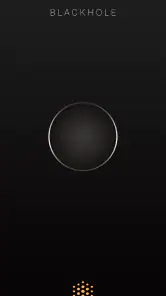
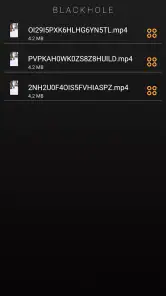
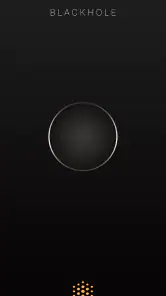
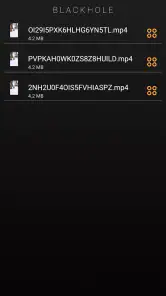
Analysis by Reviewed
When I need to share a video without its original sound, I want a quick edit that does not turn into a project. That is the narrow job BlackHole is built for: it removes sound from a video. It is not a music service, despite what its name might suggest, and that distinction is important when deciding whether it belongs on your phone.
A focused job, not a full editing suite
BlackHole sits in the video players and editors category, but its purpose is much more specific than a general editor’s. I see its value in the moment when a clip’s visuals are useful and its audio is not: perhaps a recording contains private background conversation, or you want a demonstration to play silently in a shared space. For that simple result, a single-purpose app can be easier to approach than a timeline full of tools.
That focus also sets a clear boundary. Removing sound is not the same as lowering music while keeping speech, cleaning up wind noise, adding captions, or balancing several audio tracks. If those are the real goals, I would use a fuller video editor or a dedicated audio tool rather than expect this app to do more than its central task.
Discovering a Universe of Music
So, what exactly is BlackHole? Imagine a music app that feels like a treasure trove of sounds waiting to be discovered. It's like walking into a record store, but instead of flipping through vinyls, you're scrolling through an endless array of tracks and playlists curated just for you.
The first thing I noticed was how intuitive and sleek the interface is. It’s not cluttered with unnecessary frills, just straightforward and user-friendly design. The search function is a breeze, and before you know it, you're knee-deep in a sea of music genres. From indie rock to classical symphonies, BlackHole has got you covered.
Music Quality that Hits the Right Note
Now, let’s talk sound quality. If you’re like me and a bit of an audiophile, you’ll appreciate the crystal-clear audio that the app delivers. It’s almost as if the artists are performing right there in your living room. The app supports high-resolution audio, which is a game-changer for those who crave that extra depth in their music.
One of my favorite features is the offline mode. No more worrying about spotty internet connections on road trips or subway rides. Just download your favorite tracks when you're online, and you’re good to go, even when you're off the grid.
More From Our News Desk

Weather by Xiaomi Review: Clear at a Glance, Less Clear Up Close

X Under Pressure: Can It Recover When Posting Goes Wrong?

Clash of Clans Is Won Between the Battles

Android Auto Makes the Case for Quieter Car Software

MobiOffice: Transforming Mobile Productivity with Seamless Integration

EA SPORTS FC™ Mobile Soccer: Redefining Mobile Sports Gaming
Curated Playlists and Personalized Experience
Ever felt overwhelmed by the sheer volume of music out there? BlackHole has this nifty feature where it curates playlists based on your listening habits. It’s like having a personal DJ who knows exactly what you need, whether it's a chill morning vibe or an energetic workout mix.
The app learns from your music preferences and creates a personalized experience that evolves with your taste. It’s like having your music evolve alongside you, which is pretty awesome if you ask me.
Readability and Navigation in Everyday Use
The original appeal here is a focused music interface, but the name can cause confusion: BlackHole is a video player and editor, not a music streaming service. Its core task is removing sound from a video. That narrow purpose is useful when I want a clip without its original audio, but it does not replace a music library, streaming subscription, playlist recommender, or audio player.
Because removing sound is a specific editing job, the practical workflow is to choose the video, apply the sound-removal action, and check the result before sharing it. I would keep the original clip until I have confirmed the edited copy is the one I need. That small habit matters if the video contains narration or ambient sound that cannot easily be recreated.
For readability, I find it useful to decide what the final clip needs to communicate before opening the editor. If the visual alone tells the story, muting may be enough. If someone needs spoken directions, a description, or an explanation of what happens off-screen, silence can remove information rather than simply remove distraction. Thinking through that distinction first helps me avoid editing a clip into a form that no longer works for its audience.
Motor and Sensory Considerations
For someone who finds dense editing suites tiring, a single-purpose tool can be easier to approach than a full video editor packed with timelines and controls. Still, I would not assume every interaction suits every user. A touch-based workflow may be awkward for anyone who has difficulty with precise taps, and a quiet or low-contrast screen can be harder to use in bright surroundings. I would test the main action with a short, unimportant clip first.
Sound removal also has a sensory trade-off: it can make a video more comfortable to watch in a quiet space, but it removes useful context along with unwanted noise. If the clip relies on speech, music cues, or environmental warnings, muting it may make the content less understandable. For accessibility, captions or a separately prepared audio track may be a better route than simply stripping out all sound.
A practical way to reduce the risk of a frustrating session is to prepare the source clip before editing: choose a short video, make sure it is the right one, and keep a separate original available. This is especially helpful for people who use assistive ways of navigating a phone or who find repeated visual checking tiring. A quick test can reveal whether selecting the clip and reviewing the result feels manageable before the task becomes important.
Situational Access and Practical Trade-Offs
A realistic use is preparing a short video for a group chat when the recording includes private conversation in the background. I would remove the sound, review the clip from beginning to end, and make sure the silent version still communicates what I intended. This is also handy when a visual demonstration should play without distracting audio in a shared office or waiting room.
Another useful situation is a video that will be shown where sound would interrupt a conversation or disturb people nearby. A silent clip can be easier to share in a classroom, clinic waiting area, or workplace, provided its meaning does not depend on audio. I would still consider whether the viewer needs captions or a written explanation; silence alone does not make a clip accessible to everyone.
Compared with general-purpose video editors, this app’s appeal is its focused task rather than broad control over cuts, captions, transitions, or audio mixing. If I need to preserve speech while lowering background noise, adjust separate sound levels, or build a polished montage, I would choose a fuller editor instead. If I only need a silent version quickly, a dedicated tool can mean less setup and fewer decisions.
BlackHole is free, with in-app purchases ranging from $1.99 to $4.99 per item. It comes from developer fawazapp, has an Everyone age rating, and runs on Android 6.0 or later. Its current version is 40. The app has a 3.9 average from around 55,000 ratings and more than 10 million installs, which gives a newcomer a sense of its broad reach without telling me whether its particular workflow will fit my needs.
Those figures make it a familiar option for many Android users, but popularity does not answer the most useful question: will this one edit solve your problem? I would treat the free download as a chance to test the workflow on a disposable clip rather than assume that a large audience means it suits every device, editing habit, or access need. The in-app purchases are worth keeping in mind, too; I would check what an optional purchase changes before paying, and only if the basic task already fits my routine.
Remaining Barriers and Who Should Choose It
The main limitation is the scope: removing a video’s sound is not the same as cleaning up a recording or selectively editing its audio. I would skip this app if I need detailed sound controls, accessibility captions, or a complete editing workspace. I would also be cautious about using it on an important original before checking how it handles the output; keeping a separate source copy is sensible for any editing task.
There is also a simple but easy-to-miss decision: whether the edited clip should replace the original in your sharing routine or remain a separate version. I prefer keeping both until I have watched the result and confirmed that the silent copy is clearly identifiable. This matters when several similar clips are in the camera roll, because choosing the wrong version can undo the care taken to remove private audio.
For occasional users, the key question is whether the result is easy to identify and share without confusing it with the original. I recommend checking the saved clip’s playback and filename before sending it, especially when several versions are in the camera roll. If the goal is simply a silent visual, that final check can prevent an embarrassing or inconvenient mix-up.
For a person who edits only now and then, the appeal is not a large set of creative controls but avoiding the overhead of learning them for one small job. Someone who regularly makes social videos, needs precise audio decisions, or relies on captions will likely be better served by a more capable editor. Someone who merely wants to remove the sound from an occasional clip can reasonably try this focused option and judge it on that task alone.
Inclusive Verdict
For a quick, narrowly defined edit, this is the kind of app I would try before opening a larger video editor. Its focused purpose may reduce the learning burden, while the actual suitability depends on how comfortable you are with touch controls and whether removing all audio meets your needs. I would use it for casual clips and straightforward sharing, not as a substitute for captioning, noise reduction, or careful audio editing.
My recommendation is therefore conditional rather than universal. If you can comfortably choose a clip, apply the edit, and review the result, the narrow workflow may be a relief compared with a full editing suite. If you need spoken content preserved, a low-effort way to add captions, or controls that accommodate a particular motor or sensory need, I would look for a different tool that directly supports that job.
Final Thoughts: Is BlackHole Worth a Download?
So, is the app worth your precious phone space? In my humble opinion, it can be, if your need is specifically to make a video silent. It is a more focused choice than a full editing suite, but that simplicity comes with clear limits: it is not the music service described in the earlier sections, and it is not a comprehensive video editor.
With its straightforward sound-removal purpose, it may suit people who want a quick way to prepare a silent clip. I would test it on a copy first, check the finished video, and choose another tool when selective audio control or captions matter. That is the most useful way to decide whether it belongs on your phone.
BlackHole Frequently Asked Questions
Can BlackHole be used to mute a video before sharing it?
BlackHole’s stated purpose is to remove sound from a video, so it may be useful when you want to prepare a silent clip before sharing it. It belongs to the video player and editor category, and its short description is “BlackHole.” The app is developed by fawazapp; consider whether removing a video’s sound is the task you need before downloading.
Is BlackHole available on Android, and what is the minimum Android version?
BlackHole requires Android 6.0 or later and carries an Everyone age rating. Check your device’s Android version before downloading so you know it meets the minimum requirement. The age rating indicates that the app is considered suitable for a general audience; parents can still review its use with children as they would with any video editing app.
What is BlackHole’s main purpose?
BlackHole is a video player and editor app whose short description is simply “BlackHole.” Its stated purpose is to remove sound from a video, making it relevant when you want a silent version of a clip. It is developed by fawazapp and is free to download, with optional in-app purchases.
What operating system does BlackHole require, and is it suitable for all ages?
BlackHole requires Android 6.0 or later and carries an Everyone age rating. Check your device’s Android version before downloading so you know it meets the minimum requirement. The age rating indicates that the app is considered suitable for a general audience; parents can still review its use with children as they would with any video editing app.
What is BlackHole and what does it offer to its users?
BlackHole is an innovative app designed to provide users with a seamless music streaming experience, boasting a wide range of features including offline listening, high-quality audio, and an extensive library of tracks from various genres. Its user-friendly interface, coupled with unique customization options, makes it a popular choice among music enthusiasts looking for a personalized listening experience.
Pros
- High-quality audio streaming
- Intuitive user interface
- Offline music download
- Wide music library
- Ad-free experience
Cons
- Requires premium for full access
- Limited social features
- No lyrics support
- Occasional app crashes
- Limited customization options
- Category
- Video Players & Editors
- Version
- 40











