ALLBLK: Exclusive Movies & TV
- 1.83K
- 3.5
- Installs
- 1.00M
- Price
- Free

Screenshots
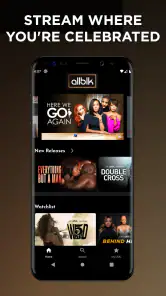
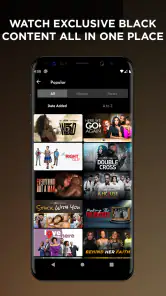
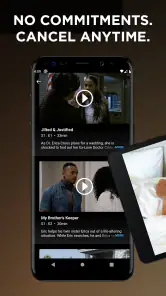

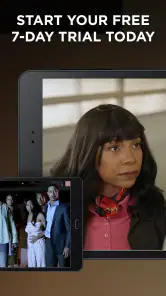
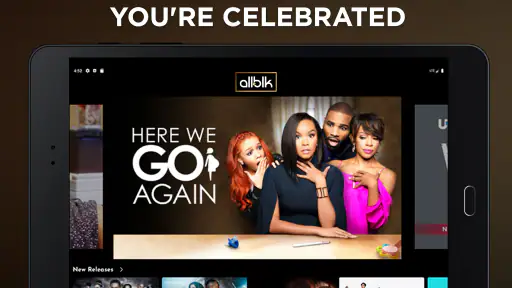
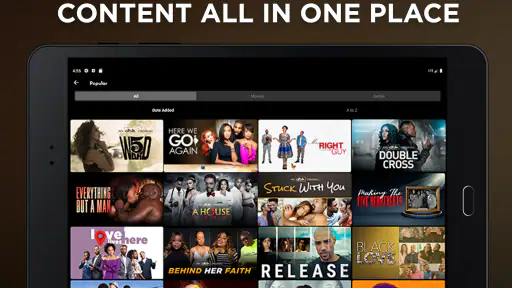
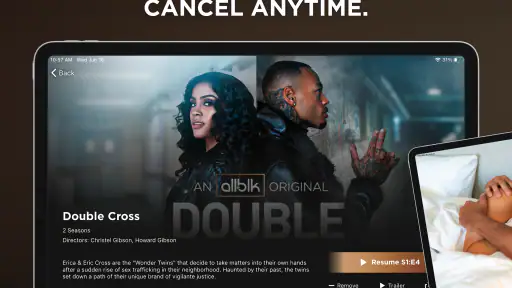
Analysis by Reviewed
I spent time with ALLBLK: Exclusive Movies & TV as an entertainment app, and my first impression was clear: it is aimed at viewers who want Black-focused films, series, plays, and related programming gathered in one place. That focus gives it a stronger identity than a general streaming app, but it also means its value depends heavily on whether its particular catalog matches your taste. I would not choose it simply because it is free to install; I would choose it because the programming focus feels relevant to what I already want to watch.
The app is developed by RLJ Entertainment and is available for Android users on version 7.0 or later. It is free to download, carries a Teen content rating, and has passed the one-million-install mark. Those details make it easy to try without committing money at the installation stage, although the viewing experience can involve paid purchases. In my view, that makes the first session especially important: use it to judge the catalog and navigation before deciding whether it deserves a longer-term place in your entertainment routine.
What the free starting point really tells you
The most important cost distinction is between downloading the app and paying for access. ALLBLK costs nothing to install, while its listed in-app purchases range from $6.99 to $69.99 per item. I would therefore treat the app as free to explore, not as proof that every program is available at no cost. That difference matters when comparing it with free video platforms, ad-supported services, or a streaming subscription you already pay for elsewhere.
I like this model for discovery because there is little friction in getting started. You can install the app, look around, and decide whether the selection feels worthwhile before spending anything. At the same time, the broad purchase range means you should pay attention to what the app presents at the moment you are ready to watch. A free download is useful, but it does not by itself establish the final value of the service.
The app’s average rating is 3.5 from around 4.6 thousand ratings, alongside roughly 1.8 thousand written reviews. I read that as a reason to keep expectations measured rather than as an automatic warning. A rating in that area suggests that the experience works well for some viewers and frustrates others. Streaming apps are particularly sensitive to device behavior, catalog expectations, account flow, and playback reliability, so I would judge it on your own phone instead of assuming the rating tells the whole story.
ALLBLK first appeared on December 19, 2017, and the current version is 5.0.29.1. The version history is less important to me than the practical result: whether the app opens cleanly, lets me find something quickly, and stays out of the way once a program begins. If you are using an older Android device, the minimum operating-system requirement is Android 7.0, so checking compatibility before planning a family movie night is sensible.
How I would test it before paying
My advice is to begin with a specific viewing goal rather than browsing aimlessly. For example, decide whether you want a film, a series, or a play, then see how quickly the app takes you from opening screen to a plausible choice. This simple test reveals more than scrolling through promotional artwork. It shows whether the catalog organization suits the way you actually choose entertainment.
More From Our News Desk

Clash of Clans Is Won Between the Battles

Android Auto Makes the Case for Quieter Car Software

MobiOffice: Transforming Mobile Productivity with Seamless Integration

EA SPORTS FC™ Mobile Soccer: Redefining Mobile Sports Gaming

How Microsoft OneDrive Became a Mobile Productivity Giant

How Google Translate Breaks Language Barriers Effortlessly
I would also test the app at the time of day when I normally watch. A quick lunchtime browse can feel fine, while an evening viewing session exposes every irritating step in the process. Check how clearly the app distinguishes accessible content from content connected to an in-app purchase, and make sure you understand what action is being requested before confirming anything. That habit is particularly useful here because the installation is free but the purchase range is substantial.
Another useful approach is to create a short personal shortlist during the first visit. Do not rely on remembering titles from a long scroll. If a film or show catches your attention, note why it appealed to you and whether you would realistically watch it within the next week. This prevents the common streaming mistake of paying for theoretical choice while rarely opening the app.
What value the focused catalog can deliver
The strongest part of ALLBLK is its editorial identity. Instead of treating Black programming as a small corner inside a much broader entertainment service, it puts that audience at the center. For me, that focus makes browsing feel more purposeful. Someone looking specifically for Black films, television, plays, and related entertainment does not have to begin with a huge general catalog and hope that the right material appears.
That focus can also make the app useful in a shared household. If several people regularly look for the same kind of programming, a dedicated service may reduce the time spent searching across unrelated platforms. It can work as a destination for a themed evening, a weekend catch-up session, or a way to introduce friends to titles they might not encounter while browsing a general service.
The inclusion of plays is another meaningful point of distinction. A viewer who wants more than conventional films and television may appreciate having stage-oriented entertainment represented alongside screen content. I would not assume that every user values this equally, but it broadens the reason to open the app. If your interests include performance formats beyond standard episodic series, that part of the catalog may carry more weight for you than the headline promise of movies alone.
There is also value in reducing search fatigue. On a large general streaming platform, finding something that fits a particular cultural interest can involve repeated searches, changing recommendations, and a lot of irrelevant results. A more focused service can make the first decision easier, even when its total catalog is smaller. That is a trade-off I consider worthwhile when relevance matters more than having the largest possible number of titles.
A practical evening with the app
Imagine that I have friends visiting and we want entertainment that reflects Black stories and performers, but nobody has prepared a list in advance. I would open ALLBLK before checking several general services, browse the film and television sections, and then look at the play-related offerings if the group wanted something different. The app’s usefulness in that moment is not just the number of choices; it is the chance to start from a more relevant pool.
If the group is undecided, I would avoid making the purchase decision while everyone is waiting. I would first narrow the options to a few realistic candidates, check which one fits the mood, and then confirm the cost shown in the app. That workflow prevents a rushed choice based on attractive artwork. It also makes the free installation valuable even if I ultimately decide not to buy anything that evening.
For solo viewing, I would use a similar method but with a stricter rule: choose the app when I already know the kind of content I want. A focused catalog is at its best when the viewer has a clear interest. It is less compelling when I simply want endless background entertainment and do not care where the next program comes from.
Where it differs from ordinary alternatives
Compared with a general streaming service, ALLBLK offers a narrower starting point and a more defined cultural focus. That can be a major advantage when relevance is your priority. The usual alternative may provide a larger mixture of genres and mainstream programming, but it can require more searching before you find something aligned with your interests.
Compared with free, ad-supported video platforms, ALLBLK is a different proposition. Free alternatives may be better for casual browsing when you want to spend nothing, while this app makes more sense when its specific programming is the reason you are watching. I would not replace every free video source with it; I would use it when the focused selection offers something those broad services do not give me as efficiently.
Compared with buying or renting individual titles through a general digital storefront, the app’s entertainment identity may feel more coherent. A storefront is convenient when I want one known film and nothing else. ALLBLK is more attractive when I want to explore a connected area of programming. The better choice depends on whether I am shopping for a single title or looking for a destination built around a particular audience.
Trade-offs that affect everyday use
The first limitation is catalog fit. A focused service can feel wonderfully relevant one day and too narrow the next. If your household has widely different tastes, one person may find the app compelling while another sees little reason to return. I would be cautious about paying for it solely because the concept sounds appealing; the actual titles you want to watch should be the deciding factor.
The second limitation is the difference between interest and usable value. A large collection of possible viewing options only helps if I can identify something suitable without spending most of the evening browsing. That is why I recommend testing the discovery process with a real viewing goal. If the app makes it easy to locate the kind of program you want, its focus is working. If you repeatedly leave without choosing anything, the catalog may not match your habits closely enough.
The purchase structure requires attention as well. Since individual in-app purchases can reach $69.99, I would never treat a prominent title or package as an impulse buy. Read the purchase screen carefully, consider whether you will actually use the access, and compare the cost with services you already have. The free installation gives you room to investigate, so there is no good reason to rush.
The Teen content rating is useful context for households. I would not hand the app to a younger child and assume that every available program is suitable simply because it is a streaming application. Parents should make the viewing decision title by title and remain aware of the app’s overall age guidance. For teenagers and adults, the rating is a straightforward signal that the catalog is not designed as a children’s-only service.
Another trade-off is platform scope. This review is based on the Android app, whose minimum requirement is Android 7.0. If your household depends on a mixture of devices, you should think about where you will actually watch before paying. An app can be excellent on one phone and inconvenient as the center of a shared viewing setup if your preferred device is older or uses another platform.
Small habits that improve the experience
I found that purposeful browsing is more rewarding than treating the app like an endless feed. Start with the format you want, then narrow by mood or occasion. A play may suit a quiet evening when you want a performance-led experience, while a series may be better when you are planning several shorter sessions. This sounds simple, but it prevents the catalog’s variety from turning into decision fatigue.
I would also separate “interesting” from “watchable tonight.” Keep the first group in mind, but choose from the second group when you are ready to view. This is especially important for a service with a strong niche: it is easy to appreciate the breadth of its identity without finding a title that fits your current mood.
Finally, I would review the cost at the moment of commitment, not when I first install the app. Prices and purchase choices are the part of the experience that most directly affects value, and the listed range is wide enough that a casual assumption could lead to an unsuitable purchase. The app is free to try, so use that advantage to make a deliberate decision.
Who will get the most from it
I think ALLBLK is best for viewers who actively want Black-centered entertainment and prefer a dedicated place to explore it. It is also a sensible option for people who enjoy discovering films, television, and plays through a shared cultural focus rather than through a general-purpose recommendation engine. If that describes you, the app’s identity may save time and make browsing feel more meaningful.
It can also suit a viewer who is tired of searching several broad services for relevant programming. The benefit is not necessarily having every title you could imagine; it is beginning with a selection that is more likely to reflect your interests. That makes the free installation worthwhile as a trial, even if you remain selective about paid access.
I would be more hesitant to recommend it to someone who wants one enormous all-purpose library, children’s programming as the main priority, or the cheapest possible source of casual video. A general service may be better for a mixed household, while free ad-supported platforms may be better when spending nothing is the only goal. Someone who watches only occasional individual films may also prefer a storefront where they pay for one known title rather than adopting a focused entertainment destination.
The app is not automatically the right choice for every fan of Black entertainment either. If your favorite programs are already easy to find through services you pay for, ALLBLK must offer enough additional discovery or exclusive interest to justify another purchase. I would compare actual viewing plans, not just the appeal of the category. A second service is valuable only when it changes what you can watch or how easily you can find it.
My buy-or-skip verdict
My verdict is to try ALLBLK before deciding whether to pay. The free installation lowers the risk, and the focused catalog gives the app a clear purpose that broad entertainment platforms often lack. I would recommend it to a friend who specifically wants Black films, series, plays, and related programming in one dedicated entertainment app, especially if that friend already has a few titles or formats in mind.
I would not recommend an automatic purchase to a casual viewer who is simply looking for the biggest library or the lowest possible cost. The listed in-app purchase range means paid value needs to be judged carefully, and the 3.5 average rating suggests that the experience is not universally satisfying. Those facts do not cancel out the app’s strengths, but they do support a measured trial rather than blind commitment.
In daily use, the best strategy is simple: install it, test the search and browsing flow with a real viewing plan, check the exact cost before confirming anything, and judge whether the available programming would earn repeat visits. If the answer is yes, ALLBLK is a focused entertainment choice with a clear audience and a useful alternative to general streaming apps. If the answer is no, keep the free installation as a no-cost experiment and choose a broader or more pay-as-you-go option instead.
For me, the app succeeds because it knows what kind of viewer it is trying to serve. Its value is not that it replaces every other way to watch video; its value is that it gives a particular audience a more direct route to programming that matters to them. That is a strong reason to explore it, but the final buy decision should always come from the titles you genuinely plan to watch.
ALLBLK: Exclusive Movies & TV Frequently Asked Questions
Is ALLBLK available on Android, and what system version does it require?
ALLBLK is an entertainment app for Android, with a minimum operating system requirement of Android 7.0. Before downloading, check your device’s software version and make sure you have enough storage for the app and any content you may choose to save, if that option is available. The app is free to download, while access to its full streaming library requires a subscription.
How much does ALLBLK cost, and are there in-app purchases?
ALLBLK is free to download, but watching its full library is tied to a paid membership. The app also offers in-app purchases ranging from $6.99 to $69.99 per item, so the amount you pay can depend on the option you choose. Review the subscription and purchase terms shown in the app before confirming, including renewal and cancellation details.
What is ALLBLK: Exclusive Movies & TV?
ALLBLK is a subscription streaming service focused on Black television, films, documentaries, comedy specials, and original programming. Its catalog includes exclusive series as well as selected movies and shows from different genres. The app is designed for viewers looking for culturally relevant entertainment and can be used on supported Android and iOS devices, along with other compatible platforms.
Does ALLBLK require a subscription, or can I watch content for free?
ALLBLK generally requires a paid membership to access its full library and exclusive programming. New users may occasionally receive a free trial or promotional offer, although availability, duration, and eligibility can vary by location and current campaign. Before subscribing, check the pricing and trial terms carefully, especially the renewal date and cancellation conditions.
What kind of movies and TV shows are available on ALLBLK?
The service offers a mixture of original ALLBLK series, independent films, dramas, comedies, documentaries, reality-style programs, and other Black-focused entertainment. The selection can change over time as titles are added or removed, and the exact catalog may differ depending on your country. It is best suited to viewers who value niche and culturally specific programming.
Pros
- Strong selection of Black-led movies
- series
- and documentaries.
- Exclusive originals give subscribers content unavailable on many services.
- New releases and curated collections make discovery straightforward.
- Supports multiple profiles for sharing with household members.
- Video quality is generally sharp on compatible devices and connections.
Cons
- The catalog is smaller than mainstream streaming platforms.
- A paid subscription is required after the trial period ends.
- Some titles may rotate out without much notice.
- Offline downloads may not be available for every piece of content.
- Availability and catalog size can vary by country or region.
- Category
- Entertainment
- Version
- 5.0.29.1