85C Bakery Cafe
- 687.00
- 4.3
- Installs
- 100.00K
- Price
- Free

Screenshots
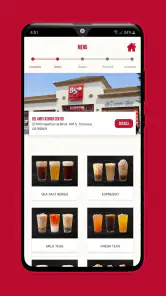
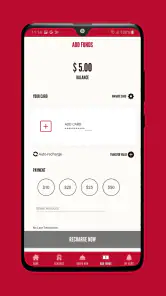
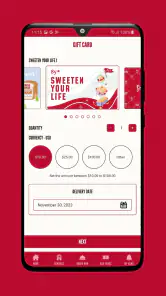

Analysis by Reviewed
I tried 85C Bakery Cafe as a practical companion for visits to the bakery rather than treating it like a general food-delivery tool. That distinction matters. This is a free Food & Drink app from 85C Bakery Cafe, built around rewards, online ordering, and the brand’s own cafe experience. If you already buy pastries, bread, cakes, or drinks from 85C, it can make repeat visits easier. If you are looking for a broad restaurant marketplace, it is a much narrower choice.
My overall impression is that the app makes the most sense when it sits between you and a familiar bakery routine. I can see myself opening it before leaving work, checking the ordering flow, arranging a pickup, and using the rewards side when I return another day. It is less compelling as an app I would keep for occasional browsing if I rarely visit an 85C location. The value depends heavily on whether the bakery is already part of your normal food habits.
How I judged the app before deciding whether to keep it
I looked at it through four simple questions: does it save time, does it make repeat purchases more convenient, does it give me a reason not to use a browser or another ordering service, and does it remain useful when I am not actively planning a bakery visit? Those questions are more useful here than comparing it with unrelated restaurant apps, because 85C Bakery Cafe is designed for a particular chain rather than the whole food market.
The app is free, and its content rating is Everyone, so the basic decision is not about an upfront purchase or an age-restricted experience. The more important cost is attention: installing another app, signing in, remembering it during visits, and learning where ordering and rewards sit in the interface. For a regular customer, that small routine can pay off. For someone who visits only when passing by, it may feel like unnecessary maintenance.
The developer is 85C Bakery Cafe, which gives the app a clear advantage over an unofficial menu viewer or a generic ordering platform: the experience is tied directly to the bakery brand. That focus also creates its main limitation. I would not install it expecting a large selection of restaurants, broad delivery discovery, or a single place to manage every food order. Its job is more specific, and judging it by the standards of a marketplace would be unfair.
The app has reached over 100 thousand installs, with an average rating of 4.3 from around 1.4 thousand ratings. Those numbers suggest a meaningful group of customers finds the app useful, while the rating also leaves room for ordinary frustrations. I read that as a reason to approach it as a convenience tool, not as something essential to every bakery visit.
Ordering works best when the visit is predictable
The strongest use case is a planned pickup. Imagine a weekday morning when I want to bring pastries to the office but do not have time to stand at the counter deciding what to buy. Opening the app before leaving home gives me a chance to organize the order around the actual purpose of the trip. I can think about the number of people, choose items with a little more care, and arrive with the transaction already part of my plan.
More From Our News Desk

Clash of Clans Is Won Between the Battles

Android Auto Makes the Case for Quieter Car Software

MobiOffice: Transforming Mobile Productivity with Seamless Integration

EA SPORTS FC™ Mobile Soccer: Redefining Mobile Sports Gaming

How Microsoft OneDrive Became a Mobile Productivity Giant

How Google Translate Breaks Language Barriers Effortlessly
That workflow is also useful for repeat purchases. If I already know what I like, an app-based order can reduce the friction of explaining the same request again. It is especially practical for a family member who wants a cake or a box of baked goods arranged ahead of time, although I would still review every selection carefully before confirming. Bakery orders are less forgiving than casual snack purchases when the quantity or pickup timing matters.
A less obvious benefit is that online ordering can separate browsing from buying. I can look through the available choices when I have a quiet moment instead of making a decision while people are waiting behind me. That does not guarantee a faster visit in every situation, but it can make the experience calmer. For anyone who dislikes making food decisions under pressure, that change alone may justify keeping the app.
There is a trade-off, though. A digital order is only as useful as the store selection and ordering flow presented for the visit. If I am already standing in the bakery and can see exactly what is fresh, available, and ready to take home, the app may add little. In that situation, ordering in person gives me more flexibility to react to what is actually on display.
Rewards are useful only when they become a habit
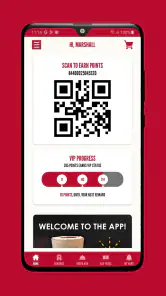
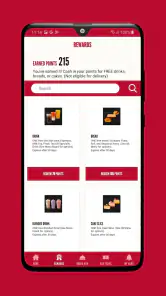
The rewards feature is the other reason to consider installing it. I do not think of rewards as an instant discount every time I open the app; I see them as a long-term reason to keep my purchases connected to one account. That distinction is important because occasional customers may not build enough momentum for the rewards side to feel meaningful.
My practical advice is to decide in advance whether you will actually remember to use the app at checkout or when ordering. If the answer is yes, rewards can quietly improve the value of regular purchases. If the answer is no, the feature becomes background decoration. I would not buy something I did not want merely to chase a reward. The sensible approach is to let the rewards follow your normal bakery routine, not create a new one.
One useful habit is to open the app before entering the store, not after paying. That gives me a chance to check whether I need to identify my account during the purchase and prevents the common mistake of treating rewards as something I can add later automatically. I would also avoid assuming that every purchase situation works exactly like an in-store transaction; online ordering and counter purchases can involve different steps, so I would read the prompts rather than tap through them quickly.
This is where the app feels more specialized than a generic food platform. A marketplace may help me compare restaurants, but it usually does not replace the feeling of having a direct relationship with one bakery brand. Conversely, a broad platform may be better if my priority is delivery discovery, restaurant variety, or managing several cuisines in one place. The rewards advantage matters only if 85C is where I return often.
What the app changes compared with ordinary alternatives
The usual alternative is simply walking into the cafe and ordering at the counter. That remains the better choice when I am nearby, want to see the display, or have not decided what I want. The app wins when preparation matters more than spontaneity. It gives me a way to turn a bakery visit into a planned errand instead of an improvised stop.
A mobile browser is another reasonable alternative. A browser does not require another installed icon, which is appealing for occasional customers or anyone trying to keep their phone uncluttered. The dedicated app is more natural for repeated use, especially when rewards and ordering are the main reasons for returning. My decision would depend on frequency: occasional browsing favors the browser, while recurring orders favor the app.
Generic delivery and restaurant-ordering services may be better for people who want to compare nearby options or combine items from different businesses. They are also more suitable when the main goal is delivery discovery rather than a direct bakery relationship. The 85C app is the more focused option when I already know I want 85C and prefer to deal with the brand’s own experience.
There is also the in-store conversation to consider. For a custom request, a question about an item, or a last-minute change, speaking with staff can be more effective than forcing the request into an online order. I would use the app for straightforward, repeatable purchases and switch to the counter when the order needs explanation or personal judgment.
Small decisions that make the app more useful
I found that the best way to use a focused bakery app is to give it a narrow job. I would not browse it aimlessly every day. Instead, I would open it for three situations: planning a pickup, checking the rewards side before paying, and preparing for a larger purchase. This keeps the app from becoming another notification source while preserving the features that can genuinely save time.
For a group order, I would make a short list before opening the app. Bakery menus can tempt me into adding items without thinking about quantity, transport, or how quickly everything will be eaten. A written plan makes the digital ordering process faster and reduces the chance of forgetting the practical details. I would also review the final order once from the perspective of the recipient: is the selection suitable for the group, and is the pickup plan realistic?
For a routine personal visit, I would compare the app’s convenience with the display in front of me. If I want a specific item and know I am going at a busy time, I would lean toward ordering ahead. If I am exploring or choosing based on freshness, I would visit in person. That is a useful trade-off rather than a flaw: the app handles certainty well, while the physical cafe handles discovery better.
I would also avoid making the app the only record of an important purchase until I had become comfortable with the flow. For a birthday cake or a large office order, I would carefully check the confirmation details and keep any information the app presents after ordering. The extra few seconds are worthwhile because a small digital misunderstanding can be more inconvenient when the purchase is time-sensitive.
Where the experience may create friction
The biggest limitation is scope. This is not a universal food app, and I would not recommend it to someone who wants one tool for every restaurant, grocery trip, or delivery order. Its focused design is a benefit for 85C customers, but it also means the app has little reason to remain on my phone if I move away from the bakery’s locations or only visit once in a long while.
There is also the normal friction of maintaining a dedicated account and remembering to use the correct ordering route. A person can easily pay at the counter out of habit, then wonder why the app did not contribute to the experience in the way they expected. The solution is simple but requires consistency: decide whether the app is part of the purchase before beginning the transaction.
Online ordering can feel less personal than asking a staff member for help. That matters with bakery products because people often buy for celebrations, dietary preferences, or groups with different tastes. When the order is simple, digital convenience wins. When the order is unusual, a direct conversation may be the safer and faster option.
I also would not confuse a rewards program with guaranteed savings on every visit. The app’s value comes from repeated, ordinary use, not from assuming that every item or every occasion will produce an immediate benefit. Customers who dislike tracking accounts, checking app prompts, or changing their established checkout habit may find the rewards feature more work than it is worth.
Version, compatibility, and the switching decision
The current version is 26.1.2026011401, and the app requires at least OS 10. That makes compatibility an important first check for anyone using an older phone. If the device meets that requirement, the technical barrier is relatively straightforward; if it does not, the app should not be the reason to replace a phone or reorganize a food routine.
Switching from counter ordering costs very little in money because the app itself is free, but it does cost a small amount of learning time. I would install it before the next planned visit rather than while standing in line. That gives me time to understand the layout, sign in, and decide whether I prefer the ordering process. Trying to learn it during a busy bakery run defeats the convenience it is supposed to provide.
Switching from a generic food platform is a different decision. I would keep the broader service if I regularly compare restaurants or need delivery from multiple businesses. I would add the 85C app if direct bakery ordering and brand-specific rewards were more important than having every food option in one place. These tools can serve different purposes, so replacing one with the other is not always necessary.
For an occasional customer, the browser or counter may be enough. For a regular customer, the app can become a small but useful part of the weekly routine. The dividing line is not technical sophistication; it is repetition. The more often I return to 85C, the more likely the ordering and rewards features are to repay the effort of using a dedicated app.
Who should use it and who should skip it
I would recommend trying it if you already visit 85C Bakery Cafe regularly, often order ahead, or want a more organized way to handle bakery purchases for work and family. It is particularly suitable for people who prefer predictable pickups over spontaneous counter decisions. The free price also makes testing the experience low-risk, provided the phone meets the minimum OS requirement.
I would be more cautious if you visit only when you happen to pass a cafe. In that case, the physical store may be faster and more flexible, especially when you want to inspect the baked goods before choosing. I would also skip it if your main need is a broad restaurant marketplace, cross-restaurant comparison, or a single app for many food categories. This app is focused, and that focus should match your habits.
For large or sensitive orders, I would use the app as a planning tool but keep my attention on the final details. It can reduce the time spent arranging a straightforward purchase, yet it should not replace common sense about quantity, timing, or special requests. When the order involves an important event, I prefer a clear confirmation and, when necessary, direct contact with the cafe.
After using it, my recommendation is clear: install it when 85C Bakery Cafe is already one of your regular stops, not simply because you like the idea of a bakery app. Its best qualities are convenience, focused online ordering, and a rewards connection that can become worthwhile through normal repeat visits. Its weaknesses are equally clear: limited usefulness outside the 85C ecosystem, less flexibility than an in-person conversation, and little benefit for infrequent customers.
In my experience, it is a sensible companion rather than an essential food app. I would keep it for planned pickups, recurring purchases, and occasions when I want to avoid making decisions at the counter. I would choose the cafe itself for browsing and custom conversations, and a broader service when variety is the priority. That makes 85C Bakery Cafe an easy recommendation for loyal customers, but only a conditional one for everyone else.
85C Bakery Cafe Frequently Asked Questions
What devices can run the 85C Bakery Cafe app?
The 85C Bakery Cafe app is intended for Android and iOS devices, and its current version requires Android 10 or later. Before downloading, check your device’s operating system version and make sure you have enough space for the app. Keeping your phone’s software up to date can also help with compatibility and provide a smoother experience when browsing menus or using available account features.
Is the 85C Bakery Cafe app suitable for all ages?
The app is rated for Everyone, so its content is generally suitable for a broad audience. It focuses on bakery and cafe information, ordering, and rewards rather than age-restricted entertainment. Parents may still want to guide younger users when they create an account or place orders, since purchases made through the app involve food and drinks and should be reviewed by the person responsible for payment.
What is the 85C Bakery Cafe app used for?
The 85C Bakery Cafe app is designed to help customers explore the bakery and cafe menu, find nearby locations, and stay informed about available products and promotions. Depending on your region, it may also support ordering, pickup, rewards, or other account features. The exact options can vary by country, so checking your local store information is recommended before relying on mobile ordering or loyalty functions.
Can I order cakes, bread, or drinks through the 85C Bakery Cafe app?
In supported locations, the app may allow customers to browse bakery items, cakes, coffee, tea, and other beverages before placing an order for pickup or another available service. However, ordering availability is not necessarily identical at every branch. Some stores may only provide menus and location details, while others offer full mobile ordering. Always confirm the selected store, preparation time, and product availability before submitting an order.
Does 85C Bakery Cafe offer rewards or special promotions in the app?
The 85C Bakery Cafe app may include loyalty features, member benefits, digital promotions, or notifications about special offers, depending on the market where it is used. These benefits can require an account and may have specific restrictions, expiration dates, or participating-store limitations. Before downloading, users should review the app’s current terms and verify whether rewards are available in their country and at their preferred location.
Pros
- Wide selection of breads
- cakes
- pastries
- and savory snacks
- Freshly baked items are generally available throughout the day
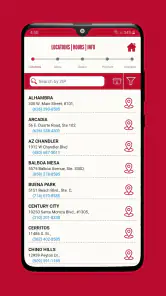
- Useful store locator helps find nearby 85°C Bakery Cafe branches
- Menu photos make it easier to browse products before visiting
- Supports convenient ordering at participating locations
Cons
- Menu availability and prices can vary between locations
- Some popular pastries may sell out during busy periods
- Ordering features may be limited in certain regions
- The app may require location access to show nearby stores
- Rewards and promotions can differ depending on the market
- Category
- Food & Drink
- Version
- 26.1.2026011401