Livetopia: Party!
- 474.00
- 4.4
- Installs
- 10.00M
- Price
- Free

Screenshots
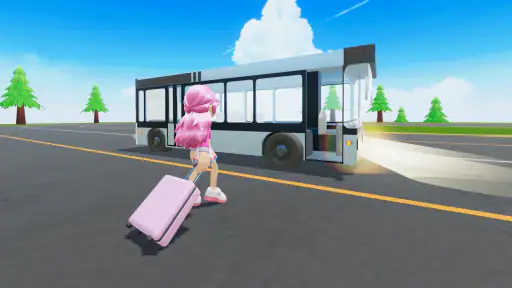

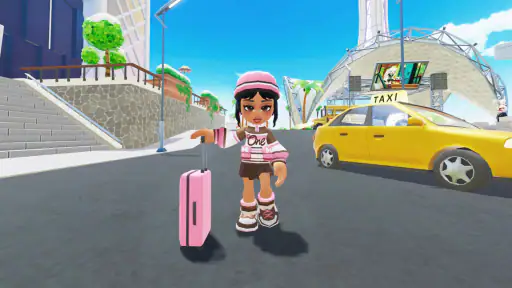




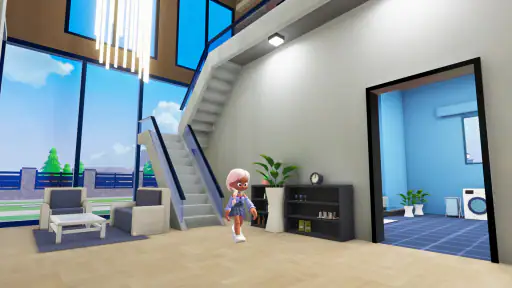
Analysis by Reviewed
My first impression of Livetopia: Party! was that it gives a casual game the feel of a place to drop in, rather than a challenge to finish. I could make a character, wander around, sample activities, and see whether friends were online. That freedom is immediately appealing, but it also raises the question I care about most with social games: once the newness fades, is there a reason to keep coming back?
The first week: follow curiosity, not a checklist
There is no single route through the game that I would tell every new player to follow. I got more out of it by picking one small goal at a time: try an activity, change my character, then see whether friends were around. That keeps the opening sessions playful instead of turning exploration into a checklist. If you are joining mainly to meet friends, agree on a simple plan before you enter; otherwise, the number of distractions can make it surprisingly easy for a group to scatter.
The game is free to download, and its casual format suits short visits as well as longer hangouts. I can imagine opening it after school or work to join a friend for a quick session, rather than needing a dedicated evening. It is aimed at Everyone 10+, but a family-friendly label is not a substitute for paying attention to online interactions, especially when younger players are involved.
Choosing a session that fits your mood
A practical way to start is to decide whether you want a shared hangout or something to do on your own. If a friend is joining, pick an activity before entering and use the rest of the session for whatever catches your attention. If you are alone, give yourself a small experiment—try a different activity or spend a little time on your character—then stop when that goal is done. This avoids the common open-world trap of roaming without knowing why you opened the game.
That approach also helps answer a useful question: does it work without a group? It can, because there are activities and places to explore, but I would not expect a solo visit to feel as lively as meeting someone there. Players who want a complete single-player loop, a clear story, or a strong sense of achievement will probably get more satisfaction from a game built around those things.
How the social loop holds up over time
As a casual game, Livetopia has a different rhythm from a focused puzzle or a competitive match-based game. Those alternatives are easier to pick up when I want one clear challenge and a tidy stopping point. Here, the draw is the combination of activities and social time: a session can shift from trying a mini-game to simply chatting or spending time together. That variety is a strength when friends want an informal place to meet, but less useful if you prefer a structured campaign or measurable progression.
For recurring value, I would treat it as a place to return to with other people, not a routine that has to be maintained every day. A useful habit is to decide what would make a session worthwhile before starting: perhaps catching up with a friend or trying an activity you have not played yet. If nobody is available, a solo visit may still offer things to explore, but the social side is what gives the world its strongest reason to feel fresh.
More From Our News Desk

Clash of Clans Is Won Between the Battles

Android Auto Makes the Case for Quieter Car Software

MobiOffice: Transforming Mobile Productivity with Seamless Integration

EA SPORTS FC™ Mobile Soccer: Redefining Mobile Sports Gaming

How Microsoft OneDrive Became a Mobile Productivity Giant

How Google Translate Breaks Language Barriers Effortlessly
Why a shared plan makes a difference
In an open social space, agreeing on a plan is more useful than trying to see everything at once. For a group, one person can suggest an activity, while everyone keeps the option to move on if it is not clicking. That small bit of coordination gives the visit a beginning and an easy stopping point, without making the game feel like a scheduled task. It is especially helpful when friends have only a short break and do not want to spend most of it deciding what to do.
For a family visit, I would set expectations before handing over a device: who the child plans to meet, how long the session should last, and what to do if an interaction feels uncomfortable. That is not a substitute for adult supervision, but it is a more useful starting point than relying on the age label alone. Social play adds spontaneity; it also means the experience depends partly on who else is present.
Welcome to the Party!
From the moment I downloaded Livetopia: Party!, I felt like I stepped into a vibrant universe teeming with life. The game opens up with vibrant graphics and an upbeat soundtrack that sets the tone. It’s like stepping into a cartoon where you’re the main character. I was immediately drawn to the idea of creating my own unique character, and the customization options did not disappoint. Whether you want to be a rock star, a chef, or even a ninja, the choices are plentiful and ridiculously fun.
Features That Keep You Hooked
Now, what really caught my attention were the countless activities available in the game. It's like a buffet of fun that never ends. There are mini-games galore, ranging from treasure hunts to dance-offs, each promising a dose of excitement. I found myself particularly addicted to the cooking challenges, where you can whip up virtual delicacies that look good enough to devour on screen.
Another feature worth mentioning is the social aspect. Livetopia: Party! is not just about playing solo; it’s about connecting with friends. You can join parties, host events, or just hang out in the virtual world. It’s like having a house party at your fingertips, minus the cleanup. I was pleasantly surprised by how easy it was to make new friends and join in on the fun, thanks to the game's seamless chat and interaction features.
Making activities work for a small group
When I play with friends, I find it helps to alternate between doing something together and leaving room to wander. A mini-game gives the group a shared focus; chatting or exploring afterward keeps the session from feeling like a string of rounds. If one person is less interested in a particular activity, switching is often better than trying to persuade everyone to stay. The game’s range makes that flexibility possible, though it can also mean a group needs to make its own decisions about what counts as a good visit.
Character customization is another reason a return visit can feel personal, but I would treat it as a creative extra rather than the main long-term goal. If you enjoy trying different looks, a simple approach is to change one detail when you want a fresh start, instead of spending the whole session browsing options. Players who care more about collecting, unlocking, or optimizing a character may prefer a game with a more explicit progression system.
A Few Things to Note
While the game is mostly a blast, there are a few quirks. The game sometimes lags during high-traffic times, which can be a bit of a bummer when you’re in the middle of an intense dance-off. Also, the in-app purchases can add up if you’re not careful. But hey, that’s the trade-off for keeping the game free to download.
I also noticed that while the game is generally family-friendly, some of the player interactions can get a bit rowdy. It’s always a good idea to keep an eye on younger players to ensure they’re having a safe gaming experience.
A Few Practical Trade-Offs
One detail I would keep in mind is that the social format affects how smoothly a session goes: when a group is active, it can feel lively, but a busy moment may also make lag more noticeable. If a mini-game becomes frustrating, I would switch to chatting or exploring rather than keep pushing through a choppy round. That flexibility is useful here, because the game is not built around one activity that has to be completed before you can enjoy the rest.
For anyone wondering whether purchases are necessary, I would start by playing without spending. The available in-app items range from $0.49 to $99.99, so it is worth setting a personal limit before browsing them, particularly if a younger player uses the device. Paying is not the only way to see whether the social world suits you; first find out whether its activities and hangouts are fun enough on their own.
Keeping the game from becoming a chore
The maintenance burden is low in the sense that I would not build my day around checking in. Its open-ended format is better suited to occasional, deliberate visits than to a daily obligation. A recurring plan with friends can give it a natural place in the week, but if nobody is available and no activity sounds appealing, closing the game is a perfectly reasonable choice. That is a healthier fit than trying to manufacture a reason to play every day.
For spending, I would decide on a limit before opening purchase options, not while deciding whether an item looks tempting. The range of prices makes that distinction useful, especially for a shared family device. A parent can also make the expectation clear in advance: free play is the default, and purchases need permission. That keeps optional spending from becoming an argument in the middle of a casual session.
Who will get the most from it
I would recommend it most to players who like making a character, sampling different casual activities, and having an easy place to meet friends. It also works for families who are comfortable discussing online manners and checking in on how younger players interact. If you want a quiet solo game, a tightly guided story, or a session with no social unpredictability, a puzzle game or a single-player adventure may be a better fit.
A realistic way to use it is to arrange a short get-together after school or work: choose one mini-game to try, then leave time to hang out if the group is still enjoying itself. That gives the visit a natural shape without requiring a long commitment. If friends cannot join, I would go in with a specific activity in mind rather than expecting the same energy from a solo session.
What to expect from a longer-term routine
Livetopia is made by Century Games PTE. LTD. and has a 4.4 average from around 44,000 ratings, with over 10 million installs. It is a free casual game for Android, with in-app purchases, an Everyone 10+ age rating, and a minimum operating-system requirement of Android 5.1. Its current version is 1.6.428, and it was released on January 20, 2024. Those basics make it accessible to many Android players, but they do not change the main question of whether you enjoy returning to a shared virtual place.
To keep it from becoming another app opened out of habit, I would use it when I have a friend to meet or a particular activity to try, and take a break when neither sounds appealing. That is a better fit for its open-ended social loop than expecting a daily reward treadmill or a clearly defined finish line. The key trade-off is that the same freedom that makes casual visits relaxed can also leave a session feeling aimless if you arrive without a plan.
How it compares with familiar casual games
Compared with a quick puzzle game, this is less convenient when I want a self-contained round that I can finish in a few minutes; the social world can take time to feel engaging, and other players affect the pace. Compared with a competitive match game, it asks less of me in terms of focus and performance, but offers less of the clean win-or-lose closure that makes those games satisfying. Its strongest niche is the middle ground: informal play where conversation and trying activities matter as much as a score.
That distinction is a good way to decide whether it earns space on your phone. If your usual casual game is something you open while waiting in line, a compact puzzle may be more reliable. If you want a place to meet friends and are happy to let a session develop naturally, this one has a clearer purpose. It is not a replacement for every kind of casual game; it is a social option for a particular mood.
Final Thoughts
Overall, I’d say Livetopia: Party! is a fantastic escape into a world where the party never ends. It’s bright, it’s fun, and it’s packed with activities that cater to all sorts of interests. Whether you’re looking to chill with friends or dive into thrilling mini-games, this app has got you covered. I’d definitely recommend giving it a whirl if you’re in need of a little virtual excitement. Just remember to pace yourself with those in-app purchases!
Livetopia: Party! Frequently Asked Questions
What is the age rating for Livetopia: Party!, and is it suitable for children?
Livetopia: Party! is rated Everyone 10+, so parents may want to consider that age guidance when deciding whether it is suitable for a child. The game is designed for a general audience, including children and teenagers. Reviewing the age rating together can help families decide if its social simulation and player interactions are appropriate for younger players.
Does Livetopia: Party! have a current version, and should I update it?
The current version is 1.6.428. Keeping a game updated can help you use its latest available release, so check your device’s app store for updates if you already have it installed. Before downloading or updating, it is also sensible to make sure your device has enough available storage and that its operating system meets the game’s requirements.
What devices can run Livetopia: Party!?
Livetopia: Party! is available on Android and iOS, and the Android version requires Android 5.1 or later. Before downloading, check that your device’s operating system meets the requirement and that you have enough available storage. The game is free to download, so you can try its social simulation experience without paying upfront.
What is Livetopia: Party! and what can players do in the game?
Livetopia: Party! is an immersive social simulation game where players can explore a vibrant virtual world, interact with other players, and participate in various activities and parties. Players can customize their avatars, design their homes, and engage in mini-games. It's a platform for creativity and social interaction, making it ideal for those who enjoy virtual socializing and community events.
Is Livetopia: Party! free to play, and are there any in-app purchases?
Yes, Livetopia: Party! is free to play, making it accessible to a wide audience. However, it offers in-app purchases ranging from $0.49 to $99.99 per item for players who wish to enhance their gameplay experience. These purchases can include cosmetic items, avatar customizations, or special event passes. While optional, they can add a personalized touch to the game.
Pros
- Engaging virtual world experience
- Frequent updates and new content
- Wide variety of activities
- Multiplayer interaction enhances fun
- User-friendly interface
Cons
- Occasional in-app purchase prompts
- Requires stable internet connection
- Can be addictive for some users
- Limited offline functionality
- May have performance issues on older devices

- Category
- Casual
- Version
- 1.6.428