Mobile Legends: Bang Bang
- 183.71K
- 4.1
- Installs
- 500.00M
- Price
- Free

Screenshots
Analysis by Reviewed
I first noticed how unusual it is to plan a mobile game around other people’s time. In Mobile Legends: Bang Bang, a match is a shared commitment: your teammates keep playing whether you have to answer the door or hand the phone to someone else. That makes it a more social and tactical choice than a game you can dip in and out of whenever you like, and it shapes how I’d use it on a household device.
A shared phone changes the kind of match you choose
I can see this working well on a household device when everyone agrees on whose turn it is and which account is being used. A match demands attention from start to finish, so it is not a good game to hand over casually while someone is already in the middle of a round. If a family member needs the phone, the player cannot simply pause a team fight and return later without affecting the others.
For a practical routine, I would set aside a clear turn before starting: finish the match, check that the phone is free, then pass it on. That small boundary matters more here than it would in a single-player puzzle game. The match is shared with real teammates, and leaving early can disrupt their plans as well as your own.
Reads About Mobile Legends: Bang Bang
Gameplay and Features
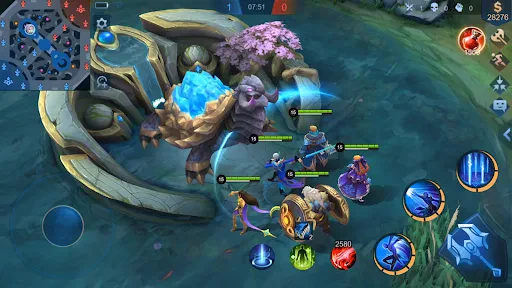
When you first dive into Mobile Legends: Bang Bang, it feels like stepping into a fast-paced arena where the stakes are high, and every decision counts. The game pits two opposing teams of five players against each other, each team fighting to destroy the enemy’s base while defending their own. It’s a classic MOBA setup, but what sets it apart is the simplicity with which it manages to bring the full MOBA experience to mobile players.
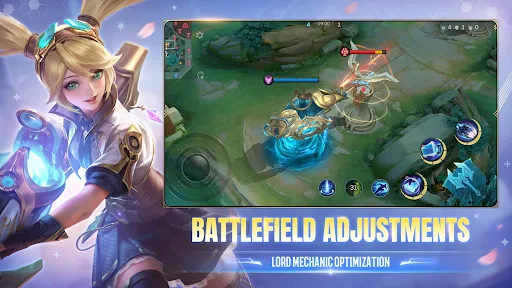
Each match typically lasts around 10 minutes, which is perfect for quick gaming sessions. The controls are intuitive; the left side of the screen is for navigation, while the right side handles the action buttons. It's a setup that feels natural, even if you're new to gaming.
Planning a session and setting account boundaries
In everyday use, I would treat the advertised match length as a guide for planning, not a promise that the whole session will fit neatly into a short break. You still need a moment to choose a hero, load into a match, and finish what is happening on the battlefield. I would not start one while waiting in a queue or just before a class, appointment, or household task that cannot wait.
On a shared device, account boundaries deserve a little thought. Agree in advance whether each player will use their own account or whether one person is simply borrowing the phone to play. Avoid making purchases or changing account details on someone else’s behalf without clear permission. The game is free to download, but it offers in-app purchases, so I would keep spending decisions separate from the excitement of a match.
More From Our News Desk

MobiOffice: Transforming Mobile Productivity with Seamless Integration

EA SPORTS FC™ Mobile Soccer: Redefining Mobile Sports Gaming

How Microsoft OneDrive Became a Mobile Productivity Giant

How Google Translate Breaks Language Barriers Effortlessly

Why Google Sheets Is the Ultimate Mobile Productivity Tool

Unveiling the Dynamic World of My Talking Tom Friends
Heroes and Strategy
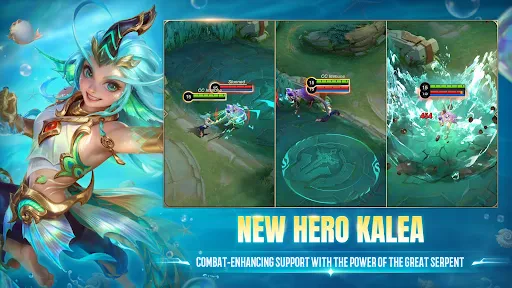
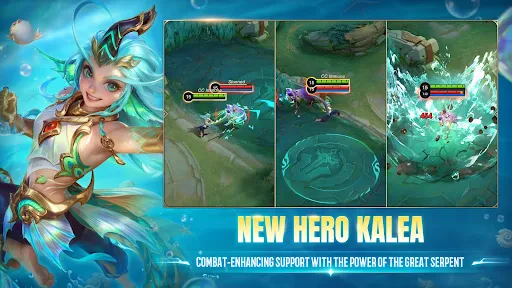
The game boasts a roster of over 100 heroes, each with unique skills and roles. Whether you prefer to lead the charge as a tank, deal heavy damage as a marksman, or support your team as a healer, there's a hero for every playstyle. I've found myself gravitating towards the mages—there’s something about casting powerful spells that just clicks for me.
Strategy is a huge part of the game. It’s not just about brawling your way through; you need to coordinate with your team, manage resources, and make tactical decisions on the fly. The in-game communication tools are a lifesaver, allowing you to strategize even if you’re not on voice chat. Trust me, pulling off a well-coordinated attack with your team is one of the most satisfying experiences in the game.
Coordination without turning play into a chore
For new players, I recommend learning one preferred role and a small set of heroes before trying to cover every position. That gives you time to understand what your character can contribute instead of making decisions under pressure in every match. It also makes it easier to coordinate: a quick, relevant message or map signal is often more useful than sending a stream of chat while teammates are fighting.
There is a trade-off in relying on strangers. Teamwork can make a close game feel brilliant, but teammates will not always share your plan or respond to communication. I try to focus on the decisions I can control—where I move, when I join a fight, and whether I help defend—rather than treating every loss as someone else’s fault. If you want a game you can play entirely at your own pace, this team structure may feel restrictive.
Graphics and Community
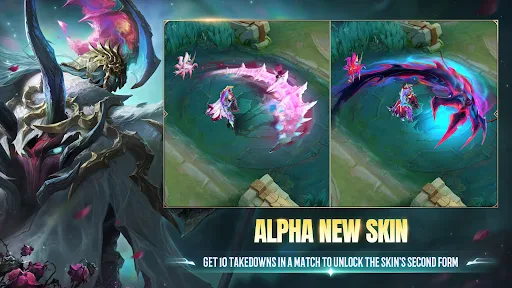
The graphics are vibrant and well-optimized for mobile devices. The characters are detailed, and the animations are smooth, making each battle visually appealing. Despite my phone being a couple of years old, the game runs without a hitch, which is a testament to the developers' optimization efforts.
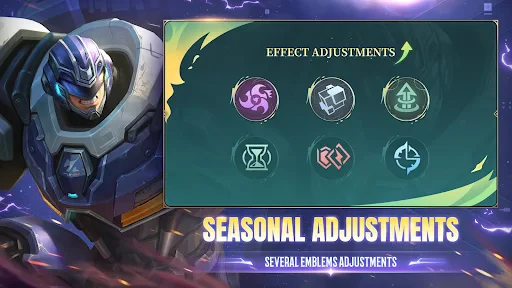
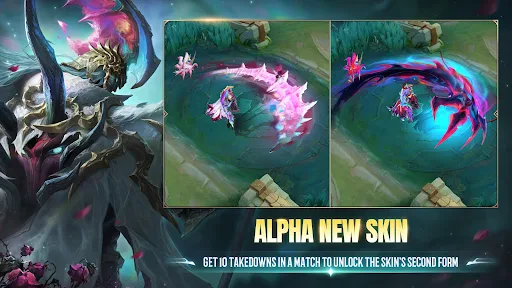
One of the aspects I love about Mobile Legends is its community. With millions of players worldwide, there’s no shortage of allies and opponents. The in-game chat can be a bit of a mixed bag, but when you find a good group, it enhances the experience tenfold. Plus, the developers keep the community engaged with regular updates, new heroes, and seasonal events.
Age, trust, and choosing the right alternative
MOONTON’s action game is rated Teen, so I would not assume it is automatically suitable for every child who can operate a touchscreen. The online team setting and in-game chat are part of the experience, and adults should consider whether those are appropriate for the young person using the device. A rating is a useful starting point, not a substitute for knowing how a child handles competitive play and contact with other players.
Compared with a solo action game, this is much more dependent on a team and on staying committed to a match. Compared with other mobile MOBAs, its appeal is the compact, touch-friendly format and the familiar five-player objective; a player who prefers a slower pace, offline play, or full control over when to stop may be happier with a different genre. It is free to play, has an average rating of 4.1 from around 37 million ratings, and has passed 500 million installs. Those figures show its reach, but they do not guarantee that its competitive style will suit every household.
Released on October 31, 2016, it is a long-running title from MOONTON, and it supports Android 4.4 and later. In-app purchases range from $0.49 to $111.40 per item, so I would discuss spending before letting someone play on a shared device. The number of reviews is also substantial, but popularity alone is not a reason to install it; the key question is whether the people sharing the phone are comfortable with online competition and can agree on turns.
For a weekday evening, I would use it as a planned activity: one player gets a proper uninterrupted session while others know when the device will be available again. It is a better fit for friends or family members who enjoy learning roles and cooperating than for a person who wants to pick up a game for a few seconds at a time. If the household shares one account or device, clear expectations about purchases, chat, and handoffs can prevent avoidable friction.
Small habits that make matches easier to share
One useful way to make a shared session feel less chaotic is to decide on the player and role before opening matchmaking. That avoids spending another person’s turn debating which hero to choose and gives newer players room to pick something familiar. I would also agree on a simple handoff rule: the person waiting gets the phone only once the match has ended, not when the current player says they are nearly done.
For a group learning together, taking turns watching can be more useful than passing the device mid-game. A sibling or friend can notice a missed map signal or suggest a different route after the match, while the active player keeps both hands and attention on play. This is a better fit for friendly coaching than trying to give a running commentary during a crowded fight.
What the competitive format asks of you
The five-player structure is both the main attraction and the biggest commitment. Even a player who is comfortable with action games may need time to learn when to defend, when to support a teammate, and when not to chase a fight. I would expect the first sessions to involve plenty of looking at the screen and trying to connect cause and effect; the controls are approachable, but team decisions take practice.
That learning curve is easier to handle when you focus on one job rather than trying to master every hero at once. If a match goes badly, noticing one decision you can change next time is more useful than switching roles immediately or blaming the team. This also makes the game less intimidating for a younger or less experienced player sharing a device with someone who already knows the genre.
Who will enjoy it, and who may not
I would recommend it to someone who likes competitive rounds, enjoys improving through repetition, and is happy to cooperate with people they may not know. It can also suit friends or family members who want a shared activity but are willing to take turns rather than play simultaneously on one phone. The appeal is not just winning; learning a role and seeing a team plan work can be rewarding even in a close defeat.
I would steer away from it if you need a game that can be paused at any moment, prefer to play offline, or dislike having your progress in a match depend on teammates. The same goes for anyone who finds chat or competitive losses stressful. A solo action game is a better choice for short interruptions, while a slower strategy game may suit someone who wants time to think without the pressure of a live team match.
The game is free to start, but the purchase range makes a conversation about spending sensible before a child or guest uses a shared device. I would not treat access to the phone as permission to buy anything. Keeping the device owner in charge of payment choices, and making that boundary clear before play, is a straightforward way to avoid an awkward surprise.
A household verdict
As a household game, I think it works best when the phone is treated as a booked turn rather than a communal toy that anyone can interrupt. The match length makes it tempting to squeeze in a game between chores, but a little planning is kinder to teammates and to whoever is waiting for the device. The Teen rating also makes it worth having an honest conversation about online competition and chat before younger players join in.
MOONTON has built a hugely established action game: it has around 184,000 written reviews, and its reach is reflected in the millions of people who play. Those figures can reassure a newcomer that there is an active audience, but they cannot tell you whether your household will enjoy the teamwork or the pressure. I would decide based on the people who will actually use the phone, their comfort with online play, and whether they can respect one another’s turns.
In conclusion, Mobile Legends: Bang Bang offers an exhilarating mobile gaming experience that’s hard to match. Whether you’re a seasoned MOBA veteran or a newcomer looking to dip your toes into the genre, this game has something for everyone. So, gear up, choose your hero, and dive into the chaos—just don't forget to have fun!
Mobile Legends: Bang Bang Frequently Asked Questions
Can I play Mobile Legends: Bang Bang on Android and iOS?
Yes, Mobile Legends: Bang Bang is available for Android and iOS devices. If you use Android, check that your device runs version 4.4 or later before downloading. It is also worth making sure your phone or tablet has enough free storage and can run a current version of the game comfortably, especially if you plan to play online regularly.
Is Mobile Legends: Bang Bang suitable for casual players, or is it mainly competitive?
Mobile Legends: Bang Bang is centered on competitive 5v5 matches, so teamwork and decisions during a battle are important. That does not mean you need to approach every session as a serious competition: it can also suit players who simply enjoy action games and learning through play. Expect the main experience to involve online team battles rather than a single-player campaign.
Can I play Mobile Legends: Bang Bang offline?
Mobile Legends: Bang Bang is built around online multiplayer matches, so an internet connection is needed to play its 5v5 battles with other players. A reliable connection can help matches feel smoother and make it easier to coordinate with teammates. If you are looking for a game to play without going online, this one is better suited to times when you have internet access.
Is Mobile Legends: Bang Bang free to download, and does it include purchases?
Mobile Legends: Bang Bang is free to download and play, with optional in-app purchases available. Items range in price from around fifty cents to about one hundred eleven dollars, so it is sensible to consider your spending preferences before installing. Purchases are not required to try the core 5v5 experience, and families may want to review their device’s purchase settings.
Is Mobile Legends: Bang Bang appropriate for teenagers?
Mobile Legends: Bang Bang has a Teen content rating, so it is presented as suitable for teenage players and older. It is an online multiplayer game where players compete and work with other people, which families may wish to consider when deciding whether it fits their preferences. Its main appeal is the action-focused 5v5 format and the teamwork involved in each match.
Pros
- Engaging multiplayer battles
- Diverse hero selection
- Regular updates
- Strategic gameplay
- Responsive controls
Cons
- Can be pay-to-win
- Large file size
- Occasional server issues
- Steep learning curve
- Battery drains quickly
- Category
- Action
- Version
- Varies with device