Among Us
- 524.38K
- 3.9
- Installs
- 500.00M
- Price
- Free

Screenshots

Analysis by Reviewed
I first understood the appeal of Among Us during a round where nothing dramatic happened for several minutes: we went about our tasks, crossed paths, and quietly formed theories about one another. Then a meeting began, and those ordinary movements suddenly mattered. That shift—from routine to suspicion—is what makes this action game feel different from a typical run-and-gun title. It is most enjoyable when I have a group willing to pay attention, trade observations, and laugh when a confident accusation turns out to be wrong.
Where it stands now
As an action game from Innersloth LLC, it still works best when the group itself becomes part of the challenge. I find the appeal less about reflexes than about watching how people explain themselves, remember details, and decide whom to trust. Its current version is 2025.4.20, and it remains free to start, with optional in-app purchases priced from $0.99 to $24.99 per item. That makes it easy to try without paying up front, though anyone buying extras should treat them as optional rather than necessary to enjoy the central social deduction.
The game has a 3.9 average from around 13 million ratings, and has passed 500 million installs. Those figures show how widely it has traveled, but they don’t guarantee that every public match will be a good one: the quality of a session depends heavily on who joins and how they communicate. Its Everyone 10+ age rating is worth noting for families, especially because discussion with other players is part of the experience. I’d supervise younger players and consider whether they’re comfortable with online social situations before handing over a device.
Reads About Among Us
Setting the Scene
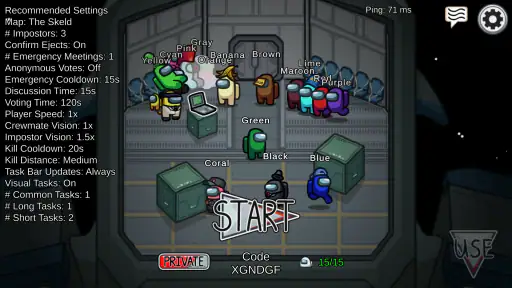
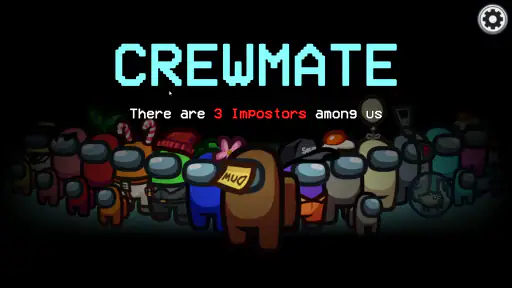
Picture this: you’re on a spaceship with up to ten players, each assuming the role of a crewmate or, in a sinister twist, an imposter. The goal? Crewmates must complete tasks around the ship while imposters work to sabotage the mission and eliminate the crew without getting caught. It’s a game of survival, deception, and deduction. Sounds exciting, right?
Gameplay and Features
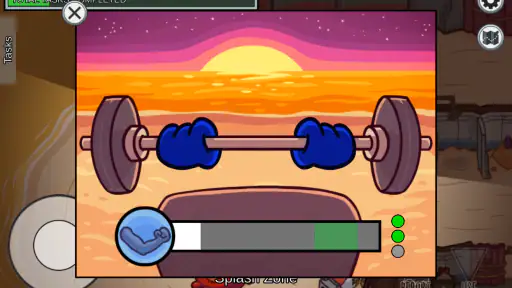
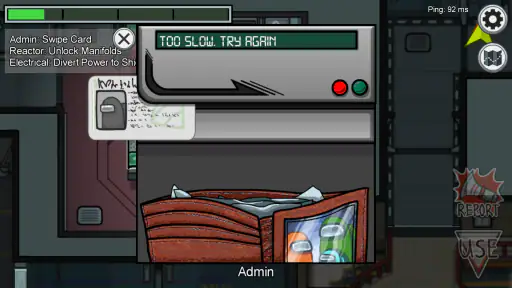
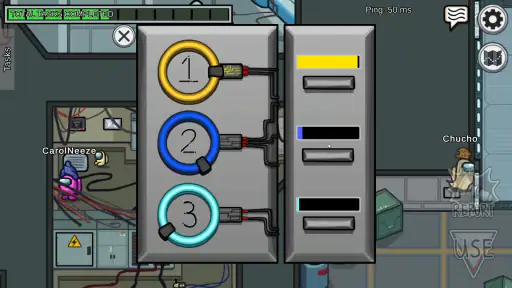
The beauty of Among Us lies in its simplicity. The controls are straightforward, and the graphics are reminiscent of classic cartoons, which adds a layer of charm to the game. But don’t let the simplicity fool you. The game is packed with suspense and strategy. As a crewmate, you’re tasked with performing mundane duties like fixing wires or emptying trash. But don’t get too comfortable; there’s always a lurking threat, keeping you on your toes.
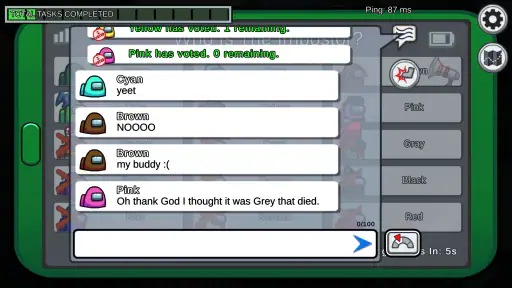
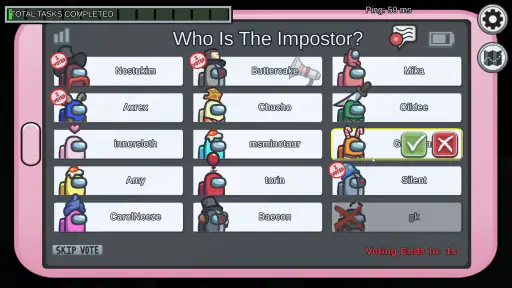
Imposters, on the other hand, have to blend in with the crew, all while secretly plotting their demise. The thrill of the game comes from the discussions that take place after a body is found. Everyone tries to figure out who the imposter is, and it’s a mix of detective work and sheer gut feeling. You can find yourself pointing fingers or trying to defend yourself from accusations. It’s all in good fun, though, and the social interaction is what makes the game addictive.
Getting more from each round
A small habit makes a real difference: I try to remember where I was going before a meeting interrupts me, then give a simple, consistent account of what I saw. As a crewmate, that helps me separate useful observations from guesses; as an imposter, it also makes me notice which details other players are likely to question. The key is not to over-explain. Long, elaborate defenses can sound less convincing than a clear timeline, especially when everyone is trying to speak at once.
More From Our News Desk

Clash of Clans Is Won Between the Battles

Android Auto Makes the Case for Quieter Car Software

MobiOffice: Transforming Mobile Productivity with Seamless Integration

EA SPORTS FC™ Mobile Soccer: Redefining Mobile Sports Gaming

How Microsoft OneDrive Became a Mobile Productivity Giant

How Google Translate Breaks Language Barriers Effortlessly
For a casual evening, I’d arrange a private session with friends and agree on a voice or text channel before starting. That avoids spending the first minutes figuring out how the group will communicate, and it makes the discussion phase much more enjoyable. If I’m joining strangers, I go in with lower expectations: a public lobby can be a quick way to play, but player behavior and conversation quality vary. The game is a better fit for someone who enjoys bluffing and lively group talk than for someone who wants a quiet, solo action campaign.
Making a session work for your group
A useful way to introduce the game is to play a few rounds with people who are new to it before bringing in a large group of experienced players. The rules are easy to grasp, but confidence in meetings comes with practice; a newcomer can otherwise feel lost while everyone else is trading shorthand and rapid suspicions. I’d encourage the group to explain why they suspect someone, rather than simply voting on a name. That keeps the conversation welcoming and gives new players something concrete to learn from.
It also helps to decide how you’ll handle communication before a match. A group that prefers voice chat can talk quickly, while text discussion gives people more time to compose a thought but may slow the meeting down. Neither approach is automatically better: the right choice depends on whether your friends enjoy lively interruptions or prefer a more orderly exchange. If you’re playing with people you don’t know, keep personal details out of the conversation and treat the match as a game rather than a reason to trust a stranger.
For a realistic weeknight use, I can imagine a few friends arriving home at different times and starting a short run of rounds while they catch up. Each person can join the same shared activity without needing the group to learn a complicated control scheme first. The catch is that it works only if enough people are available and interested in talking. If half the group wants to play silently while the other half wants to debate every clue, the same match can feel more frustrating than social.
What changed for returning players
The game first arrived on June 15, 2018, so its current version reflects a product that has continued beyond its original release. I wouldn’t assume a version number alone tells me exactly what has changed or that every update transforms the basic loop. The lasting appeal remains the mix of tasks, sabotage, and discussion; returning players can still approach it as a familiar social game, while checking the current in-game options for what is available to them.
That continuity is both a strength and a limit. Compared with many action games built around aiming, rapid movement, or a solo progression path, this one makes communication and deduction the main event. If I want quick mechanical action, another game in the genre may suit me better. If my group likes reading one another and arguing over evidence, the slower stretches between accusations are part of the fun rather than dead time.
How it compares with other multiplayer choices
Among social deduction games, its clearest advantage is how little explanation the central idea needs: do your jobs, watch what happens, and make a case when everyone gathers. That makes it easier to suggest spontaneously than a team game with a long set of abilities or a campaign that requires players to learn a larger system. On the other hand, it offers less appeal to someone who wants their skill to show mainly through precise movement, aiming, or mastery of a complex combat kit. Here, paying attention to routes and speaking persuasively can matter more than fast hands.
Compared with cooperative games where every player openly works toward the same goal, the fun here depends on not knowing whether a teammate is sincere. That creates strong stories, but it can also make the experience less relaxing. If your group wants to build trust and solve a challenge together without deception, a straightforward cooperative game is a better fit. If they enjoy friendly bluffing and can keep disagreements inside the match, the uncertain alliances are exactly the point.
Why It’s a Hit
Among Us has become a social phenomenon, probably because it’s so accessible. You can play with friends or join games with strangers. The quick rounds mean you’re never stuck for too long, and there’s always a new strategy to try out. Plus, the game is constantly being updated with new maps and features, keeping it fresh and exciting.
Another reason for its popularity is the way it brings people together. In a world where social interactions have become more digital, Among Us offers a fun way to connect with others, even if it's just to accuse them of being an imposter! It's a game that encourages communication, collaboration, and a bit of friendly deception.
Practical trade-offs
One frustration is that a round depends on people staying engaged: someone leaving early or a discussion turning into unsupported accusations can weaken the whole match. I find it helps to keep claims specific—where I was, what I observed, and when—rather than treating suspicion as proof. If the lobby feels chaotic, I’d rather leave and find another group than expect the game itself to fix a mismatch in play styles.
It also isn’t the right choice when I’m looking for a complete experience without other people. The tension comes from interpreting human behavior, so a player who dislikes deception, being blamed, or having to type or speak in a group may find it tiring. For friends who want a shared activity during a short break, though, a few rounds can be easier to arrange than a longer cooperative game that asks everyone to commit to a campaign.
What to keep in mind before playing
Because the game is free to start, there’s little reason to make a purchase decision before you know whether the social format suits you. I’d first try the core experience and ask whether the group is enjoying the rounds, not whether it has accumulated cosmetics or other extras. Optional purchases can be a personal way to spend on a game you already like, but they don’t solve the main practical problem: a good match still depends on having engaged players and a communication style that works for everyone.
Device compatibility is another simple point to check before inviting friends. The game requires Android 6.0 or later, so an older device may not be able to run the current version. It is also rated Everyone 10+, a sensible prompt for parents to think about online interaction and the tone of group discussion, rather than focusing only on the cartoon presentation. For younger players, playing with people they know and setting clear boundaries around chat is a more comfortable starting point than joining an unfamiliar lobby.
Some players will wonder whether it is enjoyable alone. I wouldn’t recommend approaching it as a solo game: even when you enter a match without friends, the core activity is still built around other people’s decisions and conversation. You can use public play to get a feel for the game, but if what you really want is a self-contained campaign or predictable progress at your own pace, a single-player action game will serve you better.
Final Thoughts
If you’re looking for a game that’s easy to pick up but hard to put down, then Among Us is definitely worth a try. It’s the perfect blend of strategy, suspense, and social interaction. Whether you’re playing with friends or jumping into a random game, there’s always a new adventure waiting. Just remember, trust no one and keep an eye on your fellow crewmates. Who knows, they might just be the imposter!
My recommendation depends on the group: try it if you enjoy conversation, deduction, and playful mistrust, and skip it if you’d rather have dependable solo action or dislike online discussion. I’d start with a short session, see whether the group’s pace suits you, and only then decide whether optional purchases are worth considering. That gives you a fair sense of the game’s real strength: not simply completing objectives, but turning a small group’s suspicions into the story of the round.
What I’d watch as it continues
For returning players, the useful question is less whether a new version number sounds substantial and more whether the available play options still match the kind of session they want. I’d check what is currently offered in the game before making plans around a particular mode or setup, and I’d judge any change by how it affects the group’s time together. The familiar deduction loop is a strong base, but keeping a group interested also depends on variety and on the quality of the people sharing the lobby.
Ultimately, I’d recommend trying it with friends who are happy to talk through a round and not take accusations personally. It is a distinctive multiplayer choice when the group wants a quick social challenge, but it is not a substitute for every kind of action game. If your friends enjoy the tension of uncertain motives, the free starting point makes it easy to test; if they prefer quiet solo play or direct competition, I’d choose something built around those priorities instead.
Among Us Frequently Asked Questions
What is the gameplay like in Among Us?
Among Us turns teamwork and suspicion into a multiplayer action game. Players are assigned roles as crewmates or impostors: crewmates work on tasks and try to identify the threat, while impostors sabotage the mission and avoid being discovered. The main appeal is reading other players, discussing clues, and making decisions together, rather than relying on action alone.
What does a crewmate do in Among Us?
As a crewmate, your job is to work with the group on tasks while watching for signs that someone is acting against the crew. Discussions and votes let players share suspicions and decide who they believe is the impostor. If you enjoy cooperating, observing behavior, and explaining your reasoning, the crewmate role offers plenty to focus on.
What does an impostor do in Among Us?
The impostor’s goal is to disrupt the crew’s mission and avoid attracting suspicion. That makes the role very different from simply completing tasks: you need to pay attention to what other players notice and take part in discussions without giving yourself away. The mix of deception and deduction is central to Among Us, so it is a good fit if you enjoy social strategy.
Does Among Us have different roles or objectives?
The main contrast is between crewmates, who work on tasks and try to identify the impostor, and impostors, who sabotage the mission and try to avoid suspicion. Each role gives you a different objective and changes how you approach the group’s discussions. The game’s central loop is built around those opposing goals, teamwork, deduction, and betrayal.
Is Among Us a competitive game?
Among Us is competitive in the sense that players have opposing goals: crewmates try to complete tasks and identify the impostor, while impostors try to sabotage the mission and escape suspicion. It also depends on group discussion and voting, rather than only quick reactions. If you enjoy trying to persuade others or spot a convincing deception, that social competition is a major part of the experience.
Pros
- Engaging multiplayer experience
- Simple and intuitive gameplay
- Cross-platform support
- Regular updates and events
- Strong community presence
Cons
- Requires online connection
- May face server issues
- Limited gameplay modes
- Can get repetitive
- In-app purchases present
- Category
- Action
- Version
- 2025.4.20