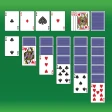
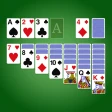
Spades Online - Card Game
- 1.34K
- 4.6
- Installs
- 100.00K
- Price
- Free

Screenshots
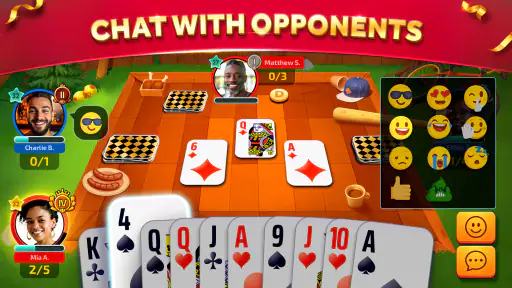





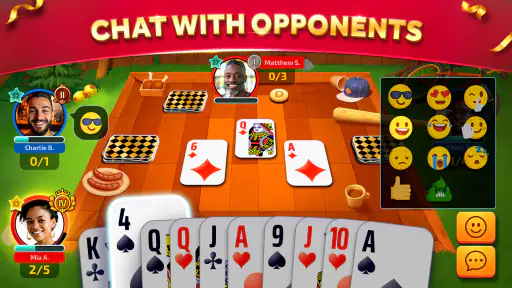

Analysis by Reviewed
Spades Online - Card Game is the kind of game I reach for when I want something more thoughtful than a quick matching game but do not have time for a long session. It turns the familiar trick-taking card game into a compact mobile experience, with options for playing alone or joining multiplayer games with friends. After spending time with it, I found the appeal is less about flashy presentation and more about the small decisions that make each hand feel different.
Developed by ZiMAD, this is a free card game for Android users, rated for Everyone 10+. It has built a solid audience, with an average rating of 4.6 from around 6,600 ratings and more than 100,000 installs. Those figures suggest a healthy level of interest, but they do not replace the more important question: whether the style of Spades suits the way you like to play. In my experience, it is best for players who enjoy planning, adapting to a partner, and learning from mistakes rather than simply tapping through turns.
What to expect when you start playing
The central idea is straightforward. Players compete to win tricks, and the spade suit acts as the trump suit. Before the hand begins, you estimate how many tricks you can take, then try to reach that target without overcommitting. That sounds simple, but the tension comes from incomplete information. You do not know every card in the other hands, so each play involves a mixture of memory, probability, and judgment.
That makes this a different experience from many casual card games. There is no need to build a collection or wait for a complicated board to load before you can make a decision. The interesting part begins almost immediately, when you decide whether a strong-looking hand is genuinely reliable or whether it only appears attractive because you are focusing on one suit.
The first useful mindset is to treat every bid as a promise, not a guess. A hand with several high cards may look powerful, but it can still fail if you lack enough cards in the right suits or if the opponents can use spades to interrupt your plan. I found that the game becomes much more satisfying once I stopped chasing every possible trick and started thinking about the whole hand.
Solo play is a comfortable way to learn the rhythm without putting pressure on a friend or an online opponent. Multiplayer is more appealing once you understand how bids, tricks, and partner play fit together. Playing with friends can also make the game feel less like a solitary puzzle and more like a short social activity, especially when everyone already knows the basic rules.
The free entry point is helpful because you can test the gameplay before deciding whether it deserves a regular place on your phone. The game includes in-app purchases ranging from $0.99 to $249.99 per item, so I would approach optional spending carefully. For a newcomer, the sensible route is to learn the core card play first and avoid treating purchases as part of the learning process.
More From Our News Desk

Clash of Clans Is Won Between the Battles

Android Auto Makes the Case for Quieter Car Software

MobiOffice: Transforming Mobile Productivity with Seamless Integration

EA SPORTS FC™ Mobile Soccer: Redefining Mobile Sports Gaming

How Microsoft OneDrive Became a Mobile Productivity Giant

How Google Translate Breaks Language Barriers Effortlessly
How the game feels in an ordinary evening
A realistic use case is a short break after dinner. I can start a solo session, play a few hands, and stop without needing to remember a large campaign or manage a complicated setup. If a friend is available, multiplayer gives the same basic activity a more social purpose. It works particularly well when you want a game that allows conversation between decisions rather than demanding constant rapid reactions.
It is not completely mindless, though. A hand can require enough concentration that I would not choose it while watching something that needs my full attention. Missing which suits have already been played, or forgetting that several spades are still unaccounted for, can change the result quickly. That balance is one of its strengths, but it also explains why someone looking for a purely relaxing tap-to-win game may find it more demanding than expected.
Setting up a useful first session
The game runs on Android 7.0 or later, and the current version is 3.3.2. Once installed, I recommend beginning with the least intimidating route available to you rather than immediately treating multiplayer as a test of skill. The goal of the first session should be familiarity: understand how cards are played, how a trick is decided, and how your bid affects the rest of the hand.
Before making your first bid, look at the hand in groups instead of judging individual cards. Count your likely winners, note how many spades you hold, and pay attention to suits where you have very few cards. A short suit can become valuable later because it may allow you to play a spade when another player leads that suit. That is an easy detail to miss when you are focused only on aces and kings.
I also suggest deciding on a simple personal rule for the opening hands. For example, bid conservatively until you understand how the game handles the pace of a round and how your partner’s decisions affect you. This is not about playing timidly forever. It gives you room to observe the table and build a reliable sense of what different hands can actually accomplish.
One point that may confuse new players is the difference between winning a trick and making progress toward the hand’s objective. Taking an extra trick is not automatically good if it creates a poor result for the bid. Likewise, failing to win a trick you expected can be more damaging than losing a single card, because it changes how you must approach the remaining plays.
For that reason, I would not judge the game by the first hand. Early mistakes are normal, especially if you are new to Spades or have mainly played simpler card games. The first meaningful success is not necessarily a dramatic win. It is recognizing why a hand worked, then repeating that decision in a later round.
Your first successful action
A practical first success is to make a modest bid, protect your strongest cards, and deliberately create an opportunity to use a spade at the right moment. If another suit is led and you cannot follow it, a spade can often take the trick. But using one too early may waste a valuable control card, while waiting too long may leave you unable to reach your target.
When I am learning a new table, I try to keep a mental note of which high cards have already appeared. I do not attempt to memorize every card immediately. Instead, I watch for the important turning points: whether the ace of a suit has been played, whether opponents have shown that they are short in a suit, and how many spades have entered the tricks.
This selective memory is more practical than trying to calculate everything. It also produces a clearer lesson after the hand. If I lose because I assumed a suit was safe even though an opponent had already shown a shortage there, I know what to watch for next time. That kind of feedback is where the game’s depth comes from.
Partner play adds another layer. You are not only trying to make your own bid; you are also interpreting what your partner’s cards and plays may mean. A common beginner mistake is to take a trick that your partner was positioned to win, leaving the team with an awkward distribution of control. Sometimes the best move is the one that preserves your partner’s likely winner rather than claiming the trick yourself.
That is also why multiplayer can feel less predictable than solo play. A human friend may understand your intentions, misread them, or take a risk that an automated opponent would not. If you are playing with someone new, agreeing to keep the first few hands relaxed makes the experience much more enjoyable. The aim should be to learn how each person thinks, not to criticize every imperfect card.
Common confusion that can slow down beginners
The biggest source of frustration is usually bidding too aggressively. New players often count all their high cards as guaranteed winners, but a high card is only dependable when the surrounding situation supports it. If another player can cut the suit with a spade, or if the card must be played before the lead is controlled, its value may be lower than it first appears.
Another confusion is assuming that the strongest card should always be played immediately. Holding a powerful card can be useful. It may force opponents to reveal information first, protect a later trick, or give you control over when a suit is exhausted. I often get more value from a strong card by delaying it than by using it at the first opportunity.
Players also need to adjust when they are void in a suit. Being unable to follow suit is not automatically a problem. It can be the opening that lets you trump a trick, but it can also force you to spend a spade before you are ready. Before cutting, consider whether the trick matters to your bid and whether the spade could be more valuable later.
It is easy to focus on the current trick and forget the shape of the remaining hand. I find it helpful to ask three quick questions before each play: what am I trying to win, what card might my partner be saving, and which suit will become dangerous if I lose control? These questions take only a moment, yet they prevent many impulsive decisions.
There is also a social confusion around multiplayer. A teammate who makes a surprising play may not be playing badly; they may be protecting a later plan that is not obvious from your side of the table. If you are playing with friends, discussing the hand afterward is more useful than reacting during it. Over time, you will learn whether a partner prefers cautious bids, aggressive control, or flexible play.
For someone who wants a completely predictable solo challenge, the uncertainty of card distribution may be a drawback. Skill improves your decisions, but it cannot remove the luck involved in which cards appear. I see that as part of the character of Spades, although players who prefer deterministic puzzles may be happier with a chess-style game or a card game where every position can be solved through calculation.
How it compares with familiar card-game alternatives
Compared with solitaire, this game asks more from you socially and strategically. Solitaire is often ideal when you want a private, low-pressure activity with no partner to consider. Spades offers more interaction because the value of a play depends on what opponents and teammates may do next. If you enjoy making plans around other players, this is the stronger choice; if you want a quiet reset with minimal mental effort, solitaire may fit better.
Compared with fast arcade card games, the pace here is more deliberate. You are rewarded for observing patterns and preserving options rather than reacting quickly. That makes it suitable for short sessions that still feel meaningful, but it may seem slow if your preferred mobile games are built around constant action and immediate rewards.
Traditional physical Spades has the advantage of face-to-face conversation and complete control over the group’s house rules. This mobile version is more convenient when no one is nearby or when you want a quick solo practice session. The trade-off is that a phone cannot reproduce every part of sitting around a table with friends. I see the app as a practical companion to the card game, not a total replacement for a real deck and a room full of people.
The game is also a better fit than many collection-based card titles if you want the focus to remain on decisions within a hand. You do not need to learn a large catalog of special cards before understanding what is happening. On the other hand, players who enjoy deck construction, character abilities, or long-term collection goals may find the traditional structure too narrow.
Who will enjoy it, and who should skip it
I would recommend it to newcomers who want a recognizable card game with enough depth to reward practice. It is especially suitable for someone who likes playing in short bursts, wants a solo option while learning, and may later invite friends into multiplayer sessions. The age rating of Everyone 10+ also makes it a reasonable choice for families looking for a strategic card activity, provided everyone is comfortable with optional in-app purchases.
Experienced Spades players may appreciate having the game available on a phone, particularly when they want a quick hand without organizing a physical game. Still, veterans should expect to spend some time adjusting to the app’s presentation and flow rather than assuming it will reproduce every familiar table rule or personal house rule.
I would skip it if you dislike trick-taking games, become frustrated by unlucky hands, or want a game that can be played without paying attention. I would also look elsewhere if your priority is a deep competitive ranking system, a collectible card economy, or a story-driven campaign. The appeal here is the hand itself: reading the cards, managing risk, and trying to coordinate with a partner.
Moving from beginner decisions to better play
Once you can complete hands comfortably, the next step is to review your bids instead of only reviewing your losses. Ask whether the bid was realistic when you made it, not whether the final cards happened to cooperate. A failed bid can still be a good decision if the information available at the time supported it. Conversely, a lucky win may hide a risky habit that will fail repeatedly later.
Try separating your cards into three mental groups: likely winners, cards that may become winners after suits are established, and cards you hope to discard safely. This helps you avoid treating every high card as equally valuable. It also makes it easier to identify when your hand is dependent on a particular suit being led in a certain way.
Another useful habit is to watch the opponents’ shortages. When a player cannot follow a suit, remember it. That player may be able to trump future tricks in that suit, so leading it later can become dangerous. At the same time, their shortage may reveal an opportunity to force them to spend a spade. The information is valuable in both directions.
Do not neglect the end of the hand. The final tricks often expose whether your earlier choices created control or left you hoping for a specific card. If you plan the last few plays while there are still several tricks remaining, you can preserve the card needed to finish your bid instead of discovering too late that it has already been spent.
Because the game is free to start but offers purchases, I would keep your spending tied to a clear reason. Play enough to decide whether you genuinely enjoy the card mechanics before considering anything optional. No purchase can replace understanding when to bid cautiously, when to let a trick go, or when to save a spade.
My final view after learning its rhythm
Spades Online - Card Game succeeds because it gives a classic card format enough room to breathe on a phone. It is accessible at the beginning, but the decisions become more interesting once you start tracking suits, protecting your partner’s chances, and judging bids by probability rather than optimism. I especially like that a short session can still teach you something useful for the next one.
Its limitations are tied to the same design. The game is not ideal for people who want constant action, guaranteed outcomes, or a broad collection of modes and systems. Luck remains part of the experience, and multiplayer enjoyment depends on the quality of the people at the table. Optional purchases also mean that I would approach the free-to-play structure with awareness rather than spending automatically.
For a first-time player, my advice is simple: begin with solo play, make conservative bids, watch which suits disappear, and treat your first successful hand as a lesson rather than a final test. After that, invite a friend and compare how differently two people can read the same cards. If you enjoy that combination of quiet concentration and occasional social tension, this ZiMAD card game is worth trying.
Spades Online - Card Game Frequently Asked Questions
What devices and operating systems can run Spades Online - Card Game?
Spades Online - Card Game is available for Android devices running Android 7.0 or later. Before downloading, check that your device meets this minimum requirement and has enough available storage for installation. Keeping your operating system up to date can also help with compatibility and performance, though the game itself is designed for mobile play.
Who developed Spades Online - Card Game, and what kind of game is it?
Spades Online - Card Game is a card game developed by ZiMAD. Its focus is the classic Spades experience, with options described for playing online with friends or enjoying solo play. If you enjoy trick-taking games that involve bidding, teamwork, and deciding when to use your trump cards, its familiar format may be a good fit.
What is Spades Online - Card Game?
Spades Online - Card Game is a digital version of the classic trick-taking card game, designed for playing on a mobile device. It generally lets you compete against computer opponents or other players online, depending on the available modes. The main objective is to estimate how many tricks your team will win, then play strategically to meet that bid while managing your cards and trump spades.
Can I play Spades Online - Card Game without an internet connection?
Offline availability depends on the specific version and game mode offered by the app. Many Spades games include single-player matches against artificial intelligence, which may work without a connection after installation, while online multiplayer, rankings, advertisements, and account features usually require internet access. Check the app’s store description and test the solo mode before relying on it for offline play.
Does the game support multiplayer matches with real players?
Yes, Spades Online - Card Game is primarily intended to provide a multiplayer-style experience, although the exact options can vary between versions. You may be able to join public tables, invite friends, or compete through matchmaking. Online games normally require a stable connection, and some features may only become available after signing in or completing an initial tutorial or setup process.
Pros
- Smooth online multiplayer with quick matchmaking.
- Clear card visuals make suits and bids easy to follow.
- Supports casual games for relaxed
- low-pressure play.
- Competitive matches offer a satisfying challenge for skilled players.
- Simple interface is easy for new Spades players to understand.
Cons
- Match quality can vary depending on the available player pool.
- Some features may require an internet connection to work properly.
- Random teammates can make cooperative games unpredictable.
- Ads may interrupt the experience for free players.
- Advanced players may find the available modes somewhat limited.

- Category
- Card
- Version
- 3.3.2