Pokémon Champions
- 4.24K
- 4.7
- Installs
- 5.00M
- Price
- Free

Screenshots
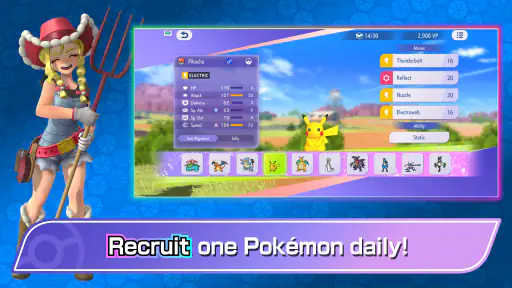
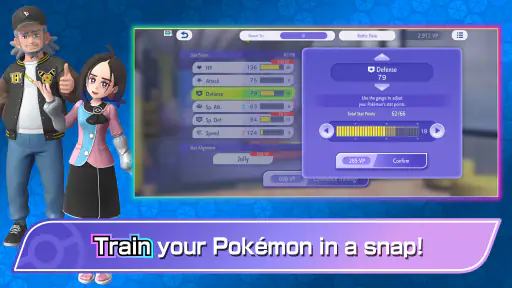
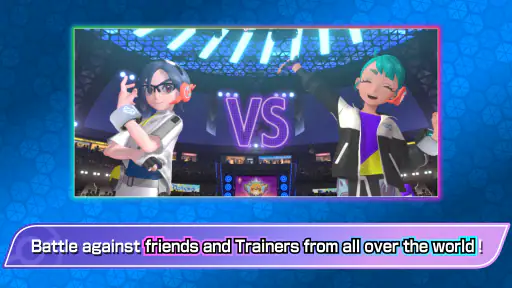

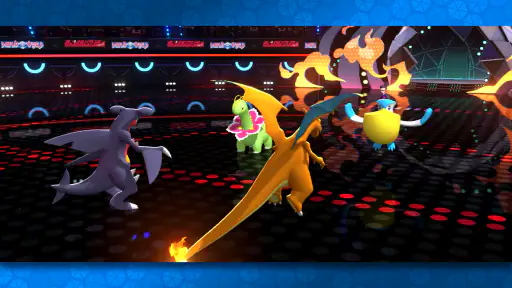

Analysis by Reviewed
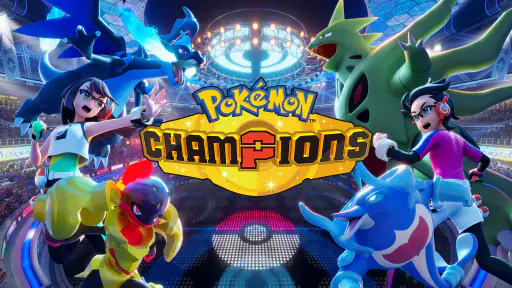
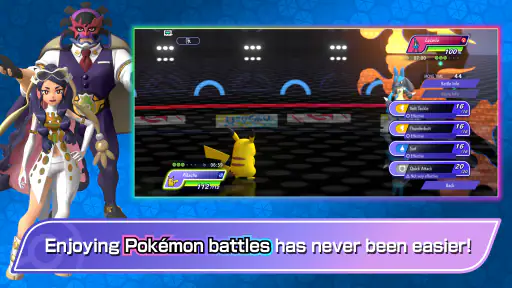
Some strategy games ask for a long stretch of attention before they become enjoyable. Pokémon Champions has a more familiar starting point: the appeal is the battle itself, with recognizable Pokémon-series matchups at its center. I find that a welcome focus. It gives returning fans a clear reason to try it, while making the game’s strategic side the main question for anyone deciding whether to stay.
Pokémon Champions is a free strategy game from The Pokémon Company, rated for Everyone. Its average rating is 4.7 from around 241,000 ratings, and it has passed 5 million installs. Those figures suggest a broad audience, but they don’t tell you whether its battles suit your taste. My advice is to approach it as a game for people who enjoy thinking through choices, not simply tapping through a Pokémon-themed distraction.
Build a battle routine that fits your day
Start with the decisions you enjoy
The most useful way to approach a battle-focused game is to pay attention to what you find interesting: planning a move, reacting to an opponent, or learning from a result that went against you. Familiar Pokémon battles provide a recognizable frame, but the strategy comes from making choices rather than just admiring the theme. If you like asking yourself what an opponent might do next, that central loop has a natural draw.
Articles Related to Pokémon Champions
I’d begin with short, deliberate play sessions rather than trying to make every match a test of mastery. Before starting, decide on one thing to notice: whether you tend to act too quickly, whether you overlook a safer option, or whether you can explain why a choice worked. That simple habit turns a string of battles into useful practice. It also helps you tell the difference between a game you’re learning and one whose style you simply don’t enjoy.
For an everyday scenario, imagine having a little spare time between other plans. A focused session can give you a clear stopping point: play, reflect on one decision, then put the game away. That works better than opening it while distracted and expecting to make thoughtful choices. Strategy is less satisfying when you’re dividing attention between a match and a busy commute, conversation, or task.
Check your setup before trying to play faster
I would make a quick settings check early, not because I expect a particular hidden option, but because comfort matters in a game built around repeated decisions. Look over the available controls and presentation choices on your own device, then keep the arrangement that makes it easiest to follow a battle without fumbling. Avoid changing several things at once: if the experience feels better or worse, you’ll know what made the difference.
That approach is especially useful when moving between playing at home and playing in short breaks. The same setup may feel comfortable in one situation and awkward in another. Rather than chasing an ideal configuration, aim for one you can use consistently. If you find yourself missing information or tapping before you’ve considered your options, pause and reassess your setup instead of blaming every mistake on strategy.
You May Like

How Microsoft OneDrive Became a Mobile Productivity Giant

How Google Translate Breaks Language Barriers Effortlessly

Why Google Sheets Is the Ultimate Mobile Productivity Tool

Unveiling the Dynamic World of My Talking Tom Friends

Free Fire MAX: Dominating the Battle Royale Arena
Free Fire: Winterlands – The Ultimate Winter Gaming Adventure
I also recommend treating the game’s purchase prompts as a separate decision from whether you enjoy the battles. It is free to start, while optional in-app purchases range from $4.99 to $49.99 per item. You can decide whether the core experience is worth your time before spending anything. If you do consider a purchase, check what it offers in the game and whether it solves a problem you actually have; don’t buy simply because you feel that spending is necessary to enjoy a strategy game.
Use repeatable habits instead of rushed shortcuts
The best shortcut I can recommend is a routine, not a button combination. Before choosing an action, take a breath and ask what outcome you want, what the opponent could do in response, and what you’ll learn if your plan fails. It may sound basic, but repeating those questions helps prevent the common habit of making a move just because it is available.
After a match, review one turning point rather than trying to remember everything. Identify the decision that most changed how the battle felt, then make a note in your own words: “I rushed,” “I didn’t account for a response,” or “I stuck with a plan after it stopped making sense.” This is a practical way to improve without inventing a complicated training system. It also keeps a loss from becoming a vague frustration.
A second useful pattern is to separate experimentation from reliable play. When you want to test an idea, treat the session as practice and accept that the result may be messy. When you want a steadier experience, use choices you understand and focus on executing them well. Mixing those goals can make a match feel disappointing for the wrong reason: experimentation is valuable even when it doesn’t produce a win, while careful play is a better test of consistency.
A third is to stop when your attention drops. In a strategy game, fatigue can make the same choices feel harder and encourage careless decisions. I’d rather finish a short session with one useful lesson than keep playing while clicking through options. This is particularly important if you’re using the game as a quick break: a small, repeatable routine is easier to return to than an open-ended grind.
Where its strategy focus helps—and where it may not
Compared with a Pokémon experience centered mainly on exploration, collection, or a long adventure, Champions puts the appeal of familiar battles closer to the foreground. That makes it a more direct pick when you want tactical decisions without first committing to an extensive journey. On the other hand, if what you love most is wandering through a world, discovering places, or following a story, a main-series-style adventure is likely to satisfy you more.
It also differs from casual puzzle games, where each round may be built around a self-contained challenge with an obvious solution. Here, the pleasure is in weighing choices within a Pokémon battle context. That can feel more personal and replayable for someone who enjoys matchups, but less immediately relaxing for a player who wants a quick, low-stakes puzzle. I wouldn’t choose it as background entertainment if I wanted to play without paying attention.
The key trade-off is that strategic depth asks something from you. Even when a battle is familiar in theme, a player who wants effortless progress may find the need to think through decisions tiring. Conversely, if you enjoy spotting patterns and adjusting your approach, that mental effort is exactly what gives the game its appeal. The right choice depends less on whether you already know Pokémon and more on whether you like learning through battles.
Know what the game can and cannot promise you
My main limitation is also the reason I’d recommend it selectively: the game’s identity is centered on battles. The store description points to familiar encounters from the series, but that alone isn’t a promise of a full adventure or every feature a fan might expect from another Pokémon game. I’d download it for its strategy focus, not on the assumption that it will replace a broader role-playing experience.
It may also take patience to decide whether your choices are improving. A single result doesn’t necessarily tell you that a plan is good or bad; the useful signal is whether you can understand what happened and make a more thoughtful decision next time. If you dislike learning by trial and error, or if losing makes you want to quit immediately, this style may not be a comfortable fit.
The current version is 1.2.2. For a new player, the practical takeaway is to spend your first sessions understanding how the battles feel before forming strong expectations about long-term play. Familiarity with the Pokémon series can make the setting approachable, but it doesn’t remove the need to think. I’d treat the game as its own strategy experience rather than assuming that knowledge from another title automatically translates into success.
Who I’d recommend it to
I’d recommend it to Pokémon fans who want battles to be the point, as well as strategy players open to a familiar creature-battle setting. It suits people who enjoy reviewing decisions, experimenting with an idea, and returning to a game in focused sessions. Its Everyone age rating makes its stated audience broad, though parents should still decide what play habits and in-app spending rules make sense for their household.
I’d suggest skipping it if you’re mainly looking for a story-led journey, a world to explore, or a game you can play while barely paying attention. It may also be a poor match if you feel pressured by optional purchases or prefer games where progress depends less on tactical decisions. Free entry is helpful, but it doesn’t change the basic question: do you want to spend your time thinking about battles?
A good fit when the battle is the reason you opened the game
My verdict is that Pokémon Champions makes the strongest case for itself when you treat it as a focused strategy game, not as a catch-all Pokémon experience. The familiar battle setting gives it an easy point of entry, and a thoughtful routine can make short sessions feel purposeful. I’d start free, check the controls and presentation for comfort, and judge it by whether you enjoy making and reviewing choices.
If you do, keep your practice simple: focus on one decision, experiment separately from your steadier play, and stop when you’re no longer paying attention. If you want exploration or a story above all else, choose a different kind of Pokémon game instead. For players who genuinely enjoy tactical battles, though, Pokémon Champions is worth trying on its own terms.
A practical way to decide whether it belongs in your rotation
If I were recommending it to a friend who had never tried it, I’d suggest using the first session as a test of attention rather than a test of skill. Notice whether you naturally start considering possible responses and whether a close decision makes you curious to try again. If you mainly want to see familiar Pokémon, that may be pleasant, but it won’t tell you whether the strategy loop is a match.
It is also a useful choice for someone who already knows the series but wants a more focused alternative to a long adventure. The trade-off is that familiarity should make the setting welcoming, not create an expectation that knowledge alone will carry every battle. A player who enjoys adapting may get more out of it than someone who wants to rely on one comfortable approach every time.
For a busy day, I’d keep the routine modest: play when you have enough attention to follow the battle, choose one decision to learn from, and leave before the session turns into distracted repetition. That gives the game a clear role as a compact strategy break. If you’re looking for a relaxing game to keep running while you do something else, I’d pick a less demanding option instead.
Pokémon Champions Frequently Asked Questions
What is Pokémon Champions?
Pokémon Champions is a Pokémon battle game focused on team building and competitive-style battles rather than exploring a large open world. Players assemble teams and use familiar Pokémon, moves, abilities, and battle strategies against other trainers. Its exact features and available modes may vary by platform and updates, so check the official store listing and game announcements for current details before downloading.
Is Pokémon Champions free to download, and does it include in-app purchases?
Availability, pricing, and monetization can depend on the platform and region. Before installing, review the official store listing to see whether the game is free to download, whether optional purchases are offered, and whether any paid content or subscriptions apply. If a child will play, check the device’s purchase controls and parental settings, since in-app purchases can be restricted through the platform’s account tools.
Which devices and platforms can run Pokémon Champions?
Supported devices and platforms are important to confirm before you download, because compatibility may differ by release, operating system, and region. Check the official Pokémon Champions page or the relevant app store for the current platform list, minimum system requirements, and available languages. On mobile, also verify that your device has enough free storage and is running a supported version of its operating system.
Does Pokémon Champions require an internet connection?
A game built around trainer battles may require an internet connection for online play, account features, matchmaking, or other connected services. The availability of offline play, if any, can depend on the mode and platform. Check the game’s current store description and support information for connection requirements, and make sure your connection is reliable if you plan to play online or access features that sync progress.
Can I transfer or use my Pokémon from other games in Pokémon Champions?
Whether Pokémon can be brought into Pokémon Champions from other games depends on the title’s supported transfer features and current service compatibility. Do not assume that every Pokémon, item, or save file can be moved across games or platforms. Before committing to a team or account setup, consult official support information for transfer requirements, limitations, and any need to link accounts or use a separate Pokémon storage service.
Pros
- Familiar Pokémon moves and abilities make battles easy to pick up.
- Team-building offers plenty of strategic choices.
- Online battles let you test teams against other players.
- A focused battle format keeps matches centered on strategy.
- Recognizable Pokémon give the game broad appeal.
Cons
- The battle-focused experience may feel limited to fans of exploration.
- Online play requires a stable internet connection.
- Competitive matches can be challenging for newcomers.
- Some Pokémon and options may not be available at launch.
- Match quality can depend on the strength of your opponents.

- Category
- Strategy
- Version
- 1.2.2