Pokémon Quest
- 12.10K
- 4.2
- Installs
- 10.00M
- Price
- Free

Screenshots

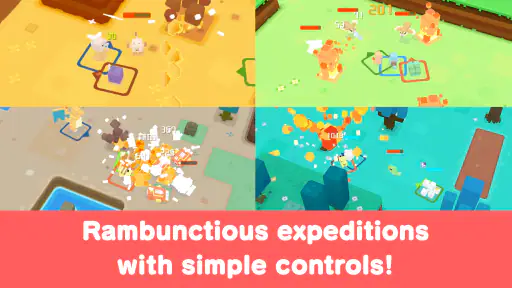
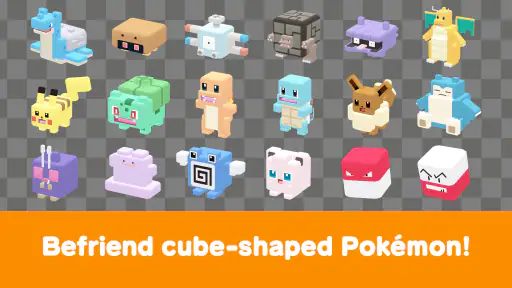

Analysis by Reviewed
I was surprised by how quickly Pokémon Quest establishes its own mood. Rather than trying to recreate the familiar look and feel of the main Pokémon role-playing games, it turns the world into a miniature expedition built from chunky shapes, short outings, and a cozy home base. That change gives it a clear identity, though it also means fans looking for a traditional journey with direct, turn-by-turn battles may find it unusually hands-off.
A compact adventure with its own pace
Made by The Pokémon Company, this free role-playing game is rated Everyone and runs on Android devices starting with version 4.4. It has a 4.2 average from around 217,000 ratings, and has passed 10 million installs. Those figures fit its broad appeal, but they don’t tell you whether its particular rhythm will suit you: the best way to approach it is as a series of small team-building decisions, not as a full-scale Pokémon campaign.
A typical session can fit into an everyday break. I might send a team out, check how it handles a stretch of island, then use what it brings back to make a meal at camp and see which Pokémon turns up. That loop has a satisfying sense of progress without demanding that every visit become a long play session. The trade-off is that repeated expeditions can feel samey if you want a story-heavy adventure or constant surprises.
What a quick visit can accomplish
For a realistic daily routine, I’d treat a spare few minutes as a check-in rather than a commitment to finish a major chapter. Before an outing, I can look at the current team and choose whether I want to gather ingredients, test a lineup, or simply make another step through the island. Afterward, camp gives me a natural stopping point: I can use what came back, consider a meal, and leave the next decision for later. That makes the game easy to fit around a commute or a quiet break, without pretending every short session will feel equally productive.
This structure is especially friendly to players who enjoy gradual collection but don’t want a sprawling map to navigate every time they open a game. It’s less suitable if you need each session to deliver a plot twist, a substantial new location, or a long tactical encounter. I’d also be cautious about starting it when I’m specifically in the mood for a conventional Pokémon journey: the familiar creatures are here, but the sense of play is built around preparing a team and watching expeditions unfold.
Welcome to Tumblecube Island
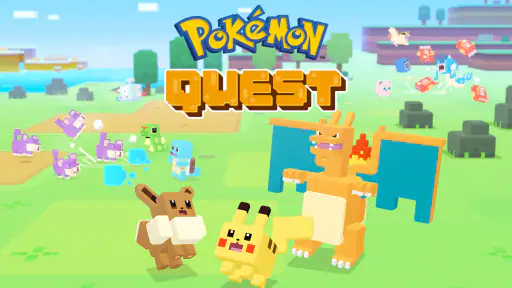
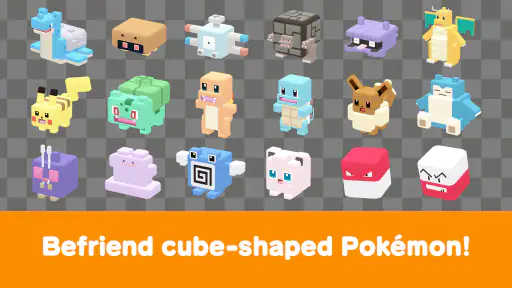
When I first landed on Tumblecube Island in Pokémon Quest, I was instantly captivated by its cube-shaped art style. The island is vibrant and teeming with life, yet it holds a sense of mystery that beckons you to explore further. The blocky design of the Pokémon themselves is both quirky and adorable, making the game visually appealing and quite different from the usual Pokémon games we're used to.
How the world’s look shapes the play
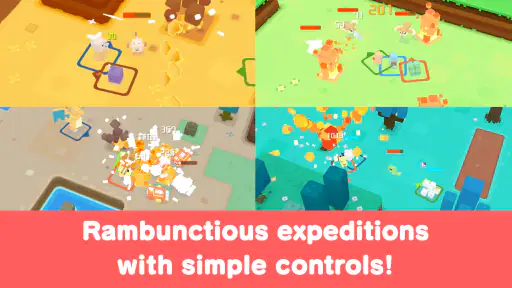
The square visual language does more than make the creatures cute: it keeps the screen easy to read while several Pokémon are moving and attacking at once. I find that useful when I’m checking a team’s performance rather than admiring every animation. The simplified look also helps the game feel like its own small, self-contained place, rather than a reduced version of the mainline games. If detailed landscapes and expressive character animation are what draw you into an RPG, this art direction may feel more toy-like than immersive.
More From Our News Desk

Clash of Clans Is Won Between the Battles

Android Auto Makes the Case for Quieter Car Software

MobiOffice: Transforming Mobile Productivity with Seamless Integration

EA SPORTS FC™ Mobile Soccer: Redefining Mobile Sports Gaming

How Microsoft OneDrive Became a Mobile Productivity Giant

How Google Translate Breaks Language Barriers Effortlessly
The island’s appeal comes from the contrast between wandering out on an expedition and returning to a base that feels like a pause point. Cooking gives that homecoming a practical purpose: ingredients collected on the trail can become meals that attract Pokémon. A useful habit is to treat each outing as preparation for the next one, rather than expecting every expedition to deliver a new favorite immediately. That makes the loop feel more deliberate and helps temper the randomness of who comes to camp.
Making the most of ingredients and camp
I find it helpful to think of ingredients as a reason to plan a return visit, not simply as a reward to collect and forget. If I’m hoping to bring a new Pokémon to camp, a meal is an experiment: I can choose to cook and wait to see who responds, while accepting that the result may not match a precise wish list. That uncertainty is part of the charm for a collector, but it can feel inefficient to someone who wants exact control over recruitment.
Likewise, I wouldn’t judge camp decorations only by how they look. Since some can provide in-game benefits, their practical value matters when deciding how to shape the home base. If I’m trying to influence the kinds of Pokémon that visit, I’d pay attention to those effects instead of placing items purely for appearance. The trade-off is that optimizing camp can pull attention away from the simple pleasure of its cozy, toy-like setting; I’d choose a few useful priorities rather than turn every visit into a min-maxing exercise.
Sound and the feel of a session
The game’s light, playful presentation supports its short-session pace. Its mood is more cheerful outing than dramatic quest, which makes it easy to dip into while waiting for a bus or relaxing at home. I wouldn’t choose it when I want a deeply involving audio-led RPG experience; its strongest atmosphere comes from the combined visual style, camp routine, and brisk expeditions, not from a heavy narrative tone.
That distinction matters when comparing it with familiar alternatives. Traditional Pokémon role-playing games put more emphasis on direct control, story progression, and the anticipation of a longer journey. Pokémon Quest instead makes the team setup and expedition loop the center of attention. If you enjoy watching a plan play out and then making adjustments, that’s a refreshing change. If you want to choose every action in combat, another Pokémon RPG is a better fit.
Gameplay Mechanics
One of the first things you'll notice is that Pokémon Quest is more about strategy than just mindless catching. You start with a basic Pokémon and gradually build your team by exploring different parts of the island. The game cleverly integrates the concept of cooking to lure Pokémon to your base camp. Yes, you read that right—cooking! By gathering ingredients during your quests, you can whip up delicious meals to attract new Pokémon to join your squad.
Combat in Pokémon Quest is automated to some extent, which means you can focus more on strategizing which Pokémon to bring into battles and how to utilize their unique moves. It's all about finding the right balance and synergy within your team to tackle various challenges that Tumblecube Island throws at you.
Planning around automated battles
Because combat isn’t fully hands-on, I’d look at team choices before setting out instead of expecting quick reactions to rescue a poor matchup mid-fight. One practical approach is to change one team member or move choice at a time when a challenge feels difficult; that makes it easier to tell whether the adjustment helped. The game rewards preparation, but the automation can frustrate anyone who wants precise control over every attack or a tactical pause whenever the fight turns.
There’s also a useful trade-off in how attention is spent: expeditions let you observe your team’s strengths and weaknesses, while cooking gives collected ingredients a second purpose. I’d avoid treating every new recruit as an automatic upgrade. A Pokémon that looks appealing may not improve the group’s overall balance, so it’s worth comparing how the team works together before replacing a dependable member. That small bit of restraint makes the strategic layer more meaningful.
Choosing it over a more traditional RPG
Compared with the usual role-playing games built around direct exploration and repeated command choices in battle, this one asks me to enjoy a different kind of involvement. I still make decisions, but they happen mainly before an expedition and between outings: which Pokémon belong together, what to do with collected ingredients, and whether a new recruit improves the team. That makes it a good change of pace for someone familiar with Pokémon, but not a substitute for a game where the pleasure comes from controlling every turn and following a longer story.
It also helps to set expectations about what “strategy” means here. The interesting part is weighing preparation against uncertainty, not reacting to every move as it happens. When a team struggles, I’d test a modest adjustment and observe the next attempt instead of changing everything at once. That keeps the cause and effect clearer, and it’s a more satisfying way to learn the game’s rhythm than hoping a single dramatic switch will fix every problem.
Building and Customizing Your Base
Another engaging aspect of the game is the ability to customize your base camp. As someone who loves personalization in games, this feature was a treat. You can decorate your camp with various items that not only make your base visually appealing but also provide in-game benefits, such as attracting specific types of Pokémon.
Who will enjoy the routine—and who may not
I’d recommend this to Pokémon fans who like collecting, experimenting with a compact team, and fitting progress into spare moments. It also suits players who enjoy a lighter role-playing game where the attraction is the routine of expedition, camp, and recruitment. The base decorations are worth considering as part of that routine, since their benefits can make them more than scenery; I’d prioritize items for their practical effect when I’m trying to shape which Pokémon visit.
On the other hand, I’d skip it if my main reason for playing Pokémon were to explore a long narrative, control battles move by move, or spend most of my time traversing a large world. It’s a different kind of RPG, not a replacement for those experiences. The current version is 1.0.9, and optional in-app purchases range from $2.99 to $29.99 per item, so I’d treat it as a free starting point and decide whether the loop is enjoyable before spending anything.
What to expect before spending
The game is free to start, while optional purchases are available at several price points, from $2.99 to $29.99 per item. I’d play long enough to know whether the expedition-and-camp pattern genuinely suits me before considering a purchase. Paying won’t change the basic question of fit: if I enjoy preparing teams and returning to camp, the core routine already has appeal; if I’m bored by that loop, spending is unlikely to turn it into the hands-on adventure I wanted.
That’s also why I’d avoid treating purchases as a shortcut to enjoyment. The most useful early test is whether I like making small decisions with imperfect information: choosing a team, seeing how it performs, and deciding what to do with the ingredients afterward. If that process feels satisfying, there’s a reason to keep playing. If it feels like waiting for the game to do the interesting part, I’d rather move on to a more direct RPG than try to force a match.
Why You'll Love It
What truly sets Pokémon Quest apart is its blend of simplicity and depth. It’s easy to pick up and play, yet offers enough depth in its mechanics to keep you engaged for hours. Whether you’re a seasoned Pokémon trainer or new to the franchise, there's something in this game for everyone. The progression system is rewarding, and the thrill of discovering new Pokémon never gets old.
Additionally, the game’s charming aesthetics and casual gameplay make it perfect for relaxing. You can play it on-the-go or while lounging at home, making it versatile for any lifestyle.
My atmosphere verdict
For me, the most satisfying way to play is in short visits: send out a team, note what worked, collect ingredients, and make a considered change back at camp. That workflow gives the game a gentle rhythm and makes its cube-shaped world feel coherent rather than merely unusual. The limitation is just as clear: once the expedition-and-camp cycle stops feeling rewarding, the relaxed pace can become repetition instead of comfort.
In conclusion, Pokémon Quest is a delightful addition to the Pokémon franchise. Its unique approach to the Pokémon world is refreshing, and the blend of strategy, exploration, and customization keeps it entertaining. Whether you’re here for the nostalgia or the novelty, Pokémon Quest does not disappoint. So, grab your cooking pot and embark on an unforgettable adventure on Tumblecube Island!
Pokémon Quest Frequently Asked Questions
Is Pokémon Quest free to download, and what purchases are available?
Pokémon Quest is free to download, so you can try its expedition-based role-playing gameplay without paying an upfront price. The game also offers optional in-app purchases, with items ranging from $2.99 to $29.99. These are not required to enjoy the core experience, but it is worth checking purchase settings if you share your device or are downloading it for a child.
Who developed Pokémon Quest, and what is the game’s general appeal?
Pokémon Quest is a role-playing game from The Pokémon Company, built around an immediately recognizable twist: its Pokémon have cube-shaped designs. That playful visual style pairs with expeditions, team building, and battles, giving the game a lighter feel than a traditional Pokémon adventure. It may appeal to fans looking for a more streamlined way to spend time with Pokémon.
Is Pokémon Quest suitable for younger players?
Pokémon Quest is rated Everyone, making it suitable for a broad audience, including younger players. Its approachable role-playing gameplay centers on exploring, building a team of Pokémon, and taking part in battles. Parents should still be aware that the game offers optional in-app purchases, so it may be helpful to review purchase settings before a child plays.
What kind of gameplay and progression should I expect in Pokémon Quest?
Pokémon Quest is a role-playing game built around expeditions, team selection, and battles. You send a group of cube-shaped Pokémon out to explore, then improve your team as you attract new Pokémon and adjust your lineup. Its simplified approach makes it easier to pick up than a more traditional Pokémon RPG, while still giving you choices about how to build a team.
What is Pokémon Quest and how does it differ from other Pokémon games?
Pokémon Quest is a unique action-adventure game that sets itself apart from traditional Pokémon games by featuring cube-shaped Pokémon and a simplified gameplay style. Instead of capturing Pokémon, players explore Tumblecube Island, cook recipes to attract Pokémon, and form teams to battle against wild Pokémon. This game combines elements of strategy and RPG, making it accessible to both casual and seasoned Pokémon fans.
Pros
- Simple controls and gameplay mechanics
- Unique art style that stands out
- Free to play with optional purchases
- Variety of Pokémon to collect and train
- Offline play available
Cons
- Repetitive gameplay over time
- Limited strategic depth
- In-app purchases can be tempting
- Energy system restricts playtime
- Graphics may not appeal to everyone

- Category
- Role Playing
- Version
- 1.0.9