FINAL FANTASY VI
- 271.00
- 4.0
- Installs
- 50.00K
- Price
- $11.99
Screenshots
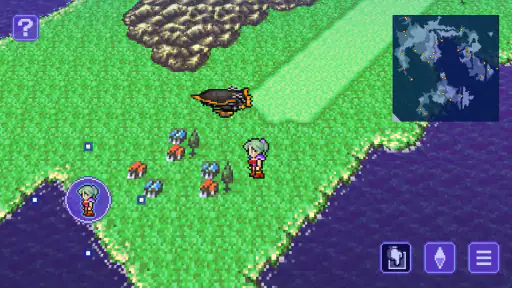
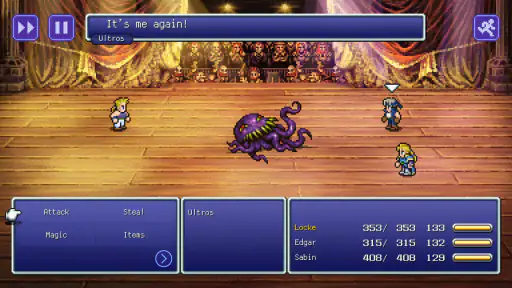
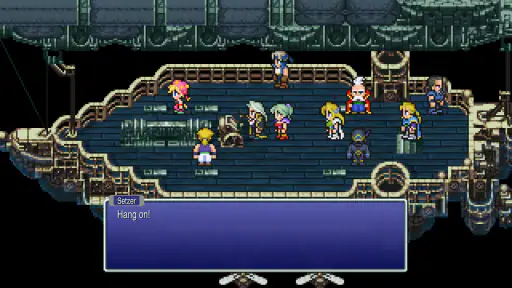
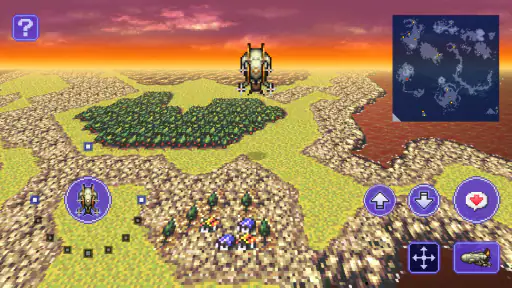
Analysis by Reviewed
I’d approach FINAL FANTASY VI as a character-led, turn-based role-playing game rather than a quick mobile distraction. Its appeal is the gradual shift from a focused opening into a much broader journey, with a large cast and a story that gives its dramatic moments room to land. If you enjoy older RPGs and are happy to take battles at a thoughtful pace, it offers a satisfying place to settle in. If you mainly want short bursts of action or a modern, guided tutorial at every turn, its older design may feel less welcoming.
What to expect from this version
This is SQUARE ENIX Co.,Ltd.’s paid mobile release of a classic console-style adventure, listed in the role-playing category. It costs $11.99, carries a Teen age rating, and has a 4.0 average from around 1,400 ratings. The release date is February 21, 2022; version 1.1.2 requires Android 6.0 or later, and the game has passed 50,000 installs. Those figures suggest a substantial audience for a premium, single-purchase RPG, but they don’t tell you whether its pacing will suit you. I’d make that decision based on the kind of storytelling and combat you actually enjoy.
The main adjustment for a first-time player is expectation: this isn’t structured like a modern mobile RPG built around frequent prompts, daily tasks, or automatic battles. You’re there to follow the adventure, learn how its encounters work, and spend time with its characters. I found that works best when I treat each session as a small stretch of a longer story instead of trying to rush toward a particular milestone.
Starting well on a phone
After installing, give yourself a few quiet minutes for the opening rather than launching it in the middle of a distraction. Pay attention to character names and the immediate situation; the story introduces people and stakes before you have a full picture of the world. There’s no need to understand everything at once. Let the early scenes establish the tone, then use the first encounters to get comfortable with the rhythm of turn-based combat.
A practical first goal is simply to finish the opening sequence and win a few battles without rushing through the choices. Notice how the party responds to different enemies, and take a moment to read the available commands before confirming an action. That little pause is more useful than tapping quickly and trying to recover from a poor choice. On a small screen, I also prefer playing somewhere I can focus: story-heavy scenes and battle menus are easier to follow when I’m not juggling messages or switching apps.
How to read the combat and exploration
The combat is turn-based, so it rewards deliberate decisions more than reflexes. When a fight feels tougher than expected, consider whether you are choosing suitable actions and making sensible use of the party, rather than assuming you need to grind immediately. The game’s Espers add another strategic layer, but they are most useful when you treat them as part of a broader approach to battles, not as a button to press without considering the situation.
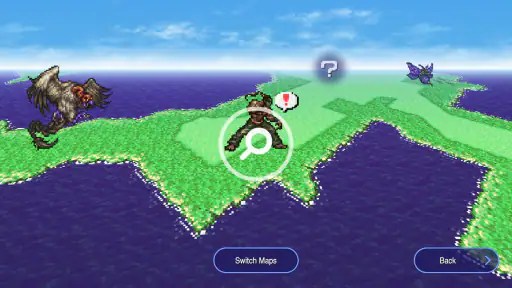
Exploration and story choices also benefit from patience. The narrative becomes less linear as the adventure opens up, which can be exciting if you like deciding what to investigate next. It can also leave a new player unsure about the best route. I’d follow the leads that interest you, speak to the people you encounter, and avoid treating every optional-looking path as a task you must clear right away. That keeps the journey personal without turning it into a checklist.
More From Our News Desk

Clash of Clans Is Won Between the Battles

Android Auto Makes the Case for Quieter Car Software

MobiOffice: Transforming Mobile Productivity with Seamless Integration

EA SPORTS FC™ Mobile Soccer: Redefining Mobile Sports Gaming

How Microsoft OneDrive Became a Mobile Productivity Giant

How Google Translate Breaks Language Barriers Effortlessly
Making progress in short real-life sessions
For a realistic routine, I’d save this for a lunch break only if I have enough time to reach a natural pause; a story scene followed by a battle can be less satisfying when I need to stop abruptly. It fits better into a relaxed evening, a longer train ride, or a quiet stretch at home. If I only have a few minutes, I can still make a small amount of progress, but I wouldn’t expect every session to feel complete. The useful habit is to stop after a clear story beat or encounter rather than closing the game midway through dialogue.
Another small but practical point is to keep track of the party’s current situation before setting the game aside. Turn-based battles allow you to think, but returning after a gap can make the immediate objective or the role of a character less familiar. I’d take a moment at the start of a new session to review what the game is asking me to do and what commands are available. That makes a brief play window feel purposeful, without turning the adventure into homework.
Where it fits among role-playing games
Compared with many current phone RPGs, this is a more self-contained, story-first experience: the draw is its world, party, and turn-based encounters, not a routine of short recurring activities. That makes it a good choice for someone who wants a substantial adventure to return to over time, especially during a quiet evening or a commute with enough uninterrupted attention. It’s less suitable if your ideal phone game is competitive, built around quick real-time combat, or designed for sessions that end after a minute or two.
It also asks you to accept the conventions of an older RPG. The pace can slow when dialogue and exploration take priority, and a branching-feeling story may not always point you toward one obvious next step. If you prefer contemporary guidance and streamlined battles, a newer role-playing game may be easier to pick up. If you’re curious about the genre’s classic approach, those same traits are part of what makes this journey distinctive.
Who will enjoy the slower rhythm
I’d recommend it most readily to someone who wants a complete-feeling narrative journey and likes learning a battle system by paying attention rather than following a constant stream of prompts. It is also a strong fit for players curious about how character-focused console RPGs handle a large ensemble and a story that gradually broadens. You don’t need to arrive as an expert in the series; the more important requirement is patience with an older style of pacing.
I’d hesitate to recommend it to someone who wants a casual game that can be understood with the sound off and played while multitasking. The opening relies on following names, events, and relationships, and battles ask for deliberate choices. If you want immediate action, competitive play, or a game that regularly supplies a short objective and a reward, a different mobile RPG will probably fit your habits better. The $11.99 purchase makes that distinction worth considering before you commit: this is best approached as a story to spend time with, not a free sampler of quick sessions.
The Enchanting World of FINAL FANTASY VI
When you first launch FINAL FANTASY VI, you're immediately transported into a rich, immersive world filled with intrigue and wonder. The game starts with a beautifully crafted opening scene that sets the stage for an epic journey. It's all about the characters here, and each one brings something unique to the table. From the enigmatic Terra to the charismatic Locke, you quickly find yourself invested in their stories.
Gameplay and Mechanics
The gameplay mechanics are a delightful blend of strategy and action. You'll find yourself navigating through treacherous terrains, battling fearsome foes, and solving intricate puzzles. The game's turn-based combat system is both engaging and challenging, requiring you to think on your feet and plan your moves carefully. And let's not forget the Espers! These magical beings add an extra layer of depth to the game, allowing you to summon powerful allies during battles.
One of the standout features of FINAL FANTASY VI is its non-linear narrative. Unlike many other RPGs, this game gives you the freedom to explore its vast world at your own pace. You can choose which quests to tackle first, and your decisions can have a significant impact on the storyline. It's this level of freedom that makes the game so engaging and replayable.
Visuals and Soundtrack
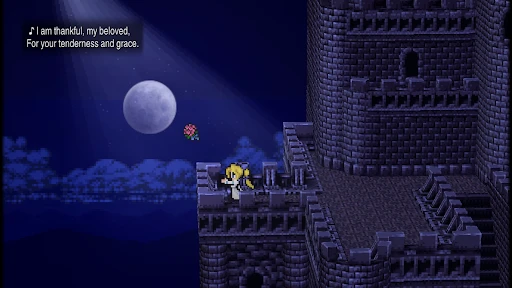
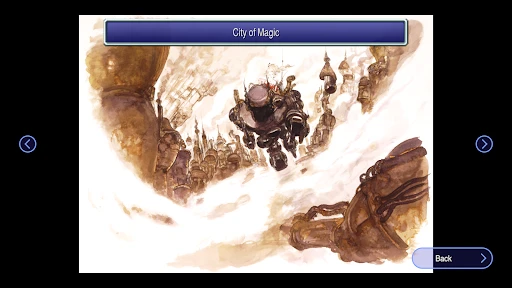
Even though FINAL FANTASY VI originally came out in the 90s, its pixel art graphics have stood the test of time. The vibrant colors and detailed sprites bring the game's world to life, making every location feel unique and alive. The character designs are exceptional, each one exuding their own personality through their distinct appearances.
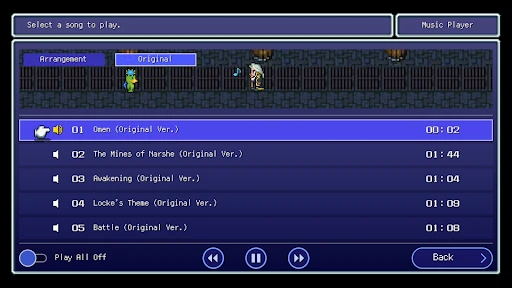
Now, let's talk about the soundtrack. Composed by the legendary Nobuo Uematsu, the music in FINAL FANTASY VI is nothing short of a masterpiece. From the haunting melodies of Terra's theme to the adrenaline-pumping battle music, each track perfectly complements the game's atmosphere. It's the kind of soundtrack that stays with you long after you've put down the controller.
How I’d decide before buying
One question I’d ask myself is whether I want the convenience of a phone version or the feel of playing a classic RPG on a larger screen. The mobile format makes it easy to carry the adventure with me, but the smaller display is not automatically ideal for every session. If I’m settling in for a long stretch, I’d choose a comfortable position and give the text and menus my attention; for a distracted commute, I’d wait until I can focus. This is a trade-off of bringing a story-heavy game to a phone, not a reason to expect it to behave like a quick-action app.
Another question is whether the game is approachable if I have never played an earlier entry. I would not treat familiarity with the series as a prerequisite: the appeal here is the particular cast, setting, and adventure in front of you. A newcomer can begin with the opening and learn the rhythm as the party and its situation develop. What helps most is being willing to read, experiment with commands, and accept that the game may not spell out every next step in the way a newer guided RPG might.
What to do when the story opens up
When the adventure gives you more room to choose what to pursue, I’d resist the urge to search for a perfect route before moving. Pick one lead that sounds interesting, explore it carefully, and use conversations and the changing circumstances to orient yourself. If you feel unsure, retrace the most recent story clue rather than wandering randomly or assuming that every open path must be completed immediately. This is a useful way to preserve the sense of discovery while avoiding the frustration of turning free exploration into a task list.
The same measured approach works in combat. If an encounter goes badly, I’d first reconsider the commands and party choices I made before deciding that the only answer is to repeat battles for strength. Espers can contribute to a plan, but they do not remove the need to think about the particular fight. That distinction matters for a first-time player: the game is asking for attention and adaptation, not just repeated tapping. In my view, that is part of its appeal, though it may be precisely what a player seeking effortless mobile play dislikes.
A classic that asks for attention
In conclusion, FINAL FANTASY VI is a timeless classic that every RPG fan should experience at least once. Its captivating story, memorable characters, and innovative gameplay make it a standout title in the Final Fantasy series. Whether you're revisiting this gem or discovering it for the first time, you're in for an unforgettable adventure. So, why not give it a try? Trust me, you won't regret it!
FINAL FANTASY VI Frequently Asked Questions
What is FINAL FANTASY VI, and what kind of game should I expect?
FINAL FANTASY VI is a role-playing game presented as The Ultimate Pixel Remaster. It is a fit for players looking for a story-focused fantasy adventure rather than a casual puzzle or action-only game. The mobile release is a paid download, so you can consider its classic RPG format and pixel-art presentation before deciding whether it suits the kind of experience you want.
What age rating does FINAL FANTASY VI have?
FINAL FANTASY VI is rated Teen, so it is intended for teenage players and older. Parents and players who check age guidance before downloading can use that rating as a starting point when deciding whether the game is appropriate. As with any story-driven role-playing game, it is worth considering the rating alongside your own preferences for the themes and presentation you are comfortable with.
What platforms is FINAL FANTASY VI available on?
FINAL FANTASY VI is available on multiple platforms including Android, iOS, PC, and various gaming consoles. For mobile users, it can be downloaded from the respective app stores. It’s essential to make sure your device meets the necessary system requirements to ensure a smooth gaming experience.
Does FINAL FANTASY VI support cloud saving?
Yes, FINAL FANTASY VI supports cloud saving, allowing players to save their progress and continue on different devices. This feature is particularly beneficial for players who switch between their phone and tablet or any other compatible device, ensuring continuity in gameplay without the risk of losing data.
Is there a difference between the mobile version and the original game?
The mobile version of FINAL FANTASY VI includes updated graphics and a reimagined user interface to suit touchscreen devices. While the core storyline and gameplay remain faithful to the original, some enhancements and quality-of-life improvements have been made to optimize the experience for mobile users.
Pros
- Stunning pixel art graphics
- Engaging storyline
- Memorable character development
- Classic turn-based combat
- Rich musical score
Cons
- High price for a mobile game
- Some may find story pacing slow
- Limited replayability
- Occasional performance issues
- Requires large storage space
- Category
- Role Playing
- Version
- 1.1.2