Typology Paris - Skincare
- 45.00
- 4.8
- Installs
- 10.00K
- Price
- Free

Screenshots
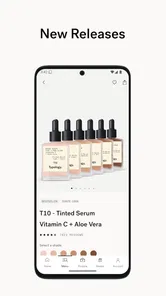
Analysis by Reviewed
When I try a skincare app for the first time, I want a clear first step, not a promise that a few answers will solve every skin concern. Typology Paris - Skincare is best approached as a learning and routine-planning companion: it can help me organize what I know about my skin and understand product ingredients, while leaving room for my own judgment. I’d start with curiosity, keep my current routine in mind, and treat its suggestions as guidance rather than a prescription.
Who should give it a try
I see the strongest fit for someone who is new to skincare, getting back into it after a long break, or unsure how to turn a skin concern into a manageable routine. It can also suit a careful shopper who wants to understand labels before buying. If I already have a routine that works and mainly want highly technical discussion, independent product comparisons, or diagnosis, I’d look elsewhere for those needs.
A useful way to approach the first session is to set a small goal. Rather than expecting to discover a perfect routine immediately, I might aim to understand one unfamiliar ingredient or identify one part of my routine I want to review. That makes the experience less overwhelming and gives me a practical outcome even if I decide not to change any products.
From download to a useful first result
Typology Paris is a free beauty app from Typology developer. It has a 4.8 average from around 481 ratings and over 10,000 installs. It is rated for everyone, and version 0.9.57 is listed for Android devices running 7.0 or later. Those details make it easy to consider as a low-commitment starting point, especially if I’m curious about guided skincare but don’t want to pay just to explore the app.
Once it’s installed, I’d take the routine questions at a time when I can answer thoughtfully. I’d describe what I actually experience instead of choosing an answer just because it sounds like the “right” skincare term. If dryness, sensitivity, or another concern is part of the picture, being honest about it gives the recommendations a better chance of feeling relevant. I’d also keep a mental or written note of the products I already use, so I can compare the suggestions with my real routine rather than treating them as an instruction to start over.
The first useful action doesn’t have to be buying or replacing anything. I might read the suggested routine, look up an ingredient I don’t recognize, and leave with a clearer understanding of what a product category is meant to do. That is a sensible first success: a bit more context, without turning a short app visit into a costly or stressful overhaul.
What to do with a recommendation
I’d use the routine as a draft to think through, not a strict checklist. If it suggests a step that doesn’t fit my habits or feels like too much at once, I can pause and consider why before acting. Keeping my existing products in view also helps me spot where a suggestion might overlap with something I already use. This kind of comparison is more useful than adding several new products simply because they appear together in a recommendation.
More From Our News Desk

 Gmail
Gmail in a Busy Inbox: Who Benefits Most?
From first account to crowded workday, Gmail earns its place through dependable search and flexible sorting—but its best fit depends on how much inbox maintenance you can tolerate.

 Prime Video
Switching to Prime Video: What Changes in Your Viewing Routine
Prime Video can make a compelling second home for streaming, but switching means learning a different catalog, rental layer, and route from browsing to playback.

 Universal TV Remote Control
 Works Best as a Reliable Backup
A phone remote earns its place through quick setup and reliable habits. Here is how to get more from Universal TV Remote Control—and where its limits show.

 Weather - By Xiaomi
Weather by Xiaomi Review: Clear at a Glance, Less Clear Up Close
Xiaomi’s weather app makes everyday forecasts quick to scan, but its calm surface can leave useful details and recovery paths harder to find than they should be.

 X
X Under Pressure: Can It Recover When Posting Goes Wrong?
A resilience-focused review of X, examining setup, mistaken posts, interruptions, weak connections, and the gaps that matter when recovery needs to be dependable.

 Clash of Clans
 Is Won Between the Battles
Its raids are quick; its community is a long-term project of coordination, teaching, rivalry, and shared responsibility—with all the friction that entails.
Latest News



When I do decide to make a change, I’d keep it limited and give myself time to notice how my skin responds. Changing several parts of a routine together makes it harder to work out what helped or caused discomfort. The app can help me learn and plan, but a cautious, one-step-at-a-time approach is still important; persistent irritation or a medical concern calls for professional advice rather than more quiz answers.
Where it fits among skincare tools
Compared with searching the web for separate articles or using a basic ingredient lookup, Typology’s appeal is the guided path from personal concerns to routine suggestions and skincare learning. A general search can be useful when I have a narrow question, but it can also leave me sorting through advice that doesn’t connect into a coherent plan. A retailer’s catalog may be better when I already know exactly what I want to buy. This app makes more sense when I want help understanding the choices before I shop.
That guidance has a trade-off: a personalized result can feel less valuable if my situation is unusual, changes frequently, or needs expert attention. It may also feel like an unnecessary detour if I prefer to choose products independently. I’d pick the tool according to the job: guided learning here, a focused reference for a single technical lookup, or a qualified professional when the concern is persistent or medical.
Getting more out of a skincare guide
The app’s strongest role is helping a newcomer move from vague uncertainty to a more informed next step. That doesn’t mean every suggestion will suit every person; it means the experience can give me a useful framework for asking better questions and making more deliberate choices.
What to expect from the app
The appeal here is the combination of personalized routine guidance and skincare education. Instead of opening a general beauty feed and having to sort through unrelated tips, I can start with questions about my skin and concerns, then use the resulting suggestions as a more focused starting point. That makes the app especially approachable if product labels and skincare terminology usually feel like a lot to take in.
I would treat a suggested routine as a practical draft, not a strict prescription. Skin can react differently from one person to another, and a quiz cannot replace professional advice for persistent irritation or a medical concern. The useful outcome is having clearer questions to ask and a better sense of what an ingredient is intended to do.
Have you ever wondered if there's an app that can guide you through the world of skincare like a trusted friend? Well, let me introduce you to Typology Paris - Skincare. This app is like having a personal skincare consultant right in your pocket, and it's just what you need if you're on the hunt for the perfect skincare routine.
Finding your way around
Once you dive into the app, you'll immediately notice how user-friendly it is. The interface is clean and intuitive, making it super easy to navigate. You don't need to be a tech wizard to find your way around.
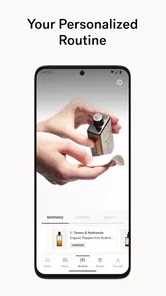
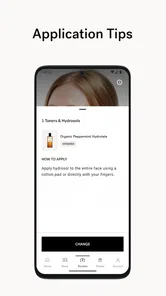
The app offers personalized skincare routines based on your skin type and concerns. After a quick quiz that feels more like a friendly chat, you'll get recommendations tailored specifically for you. It's like the app knows your skin better than you do!
Making the first recommendation useful
For a first try, I’d answer the routine questions when I have a quiet moment rather than rushing through them between errands. A recommendation is only as useful as the information behind it, so being specific about what I actually notice—such as dryness or sensitivity—can make the result more relevant. I’d also keep my current routine nearby and compare suggestions with products I already use before making changes.
A realistic first success might be modest: understanding why a product contains a particular ingredient, or deciding which part of a routine I want to simplify. I wouldn’t replace everything at once. Keeping one change at a time makes it easier to notice whether my skin likes the adjustment and avoids turning a helpful app into another source of trial-and-error stress.
One of the standout features is the ingredient dictionary. Ever looked at the back of a skincare product and felt like you were reading a foreign language? This app breaks down those complex ingredient names and tells you exactly what they do. It's educational and empowering.
How I’d use the ingredient guide day to day
The dictionary is most valuable when I use it to understand a specific label, not as a reason to judge a product from one ingredient alone. I might check an unfamiliar name while shopping, then consider the product’s purpose and how it fits with the rest of my routine. That small pause can help me avoid buying something just because an ingredient is trending.
Compared with a basic product-search app or a general beauty article, Typology’s quiz-and-learning approach gives a newcomer a more organized path from concern to routine. The trade-off is that someone who already knows exactly what they want may prefer a straightforward ingredient reference or a retailer’s catalog. This is most appealing when I want context and guidance, rather than just a quick search result.
Learning without rushing
For someone who might not be a skincare aficionado, Typology Paris makes the learning process enjoyable. There's a wealth of information available, from articles to videos, all designed to enhance your skincare knowledge. It's like taking a mini-course on skincare, but way more fun.
However, if you're already a skincare guru, you might find some of the content a bit basic. But hey, there's always something new to learn, right?
Keeping expectations realistic
The main limitation is that personalized suggestions can feel less useful if my needs are unusual, change often, or involve a skin condition that needs expert care. In those cases, I’d use the educational material to build understanding, but ask a qualified professional for advice rather than relying on an app-generated routine. And if I prefer to choose products independently without guided recommendations, the quiz may feel like an unnecessary step.
For a first-time user, the practical next step is to complete the quiz, read the routine with curiosity, and pick one small takeaway—perhaps an ingredient definition or a product category to research further. I’d then revisit the advice after seeing how my existing routine feels, instead of treating the first result as a rulebook. That keeps the experience useful without encouraging an abrupt overhaul.
Everyday use without endless browsing
Imagine I’m in a shop after work, looking at a product whose ingredient list includes a name I don’t recognize. Rather than making a snap decision based on packaging or a trend, I can use the app’s ingredient explanations as a prompt to understand what that ingredient is intended to do. I’d still consider the product as a whole and whether it fits my routine, but I’d be making the choice with more context than I had before.
At home, the same approach can help me keep skincare research bounded. I can open the app with a specific question, find a useful explanation, and then stop instead of falling into a long chain of searches and conflicting opinions. That focused use is a better fit for me than treating any beauty app as a feed I need to check every day.
When another approach is better
If I already know the ingredients and products I’m looking for, a direct reference or a retailer’s search may be quicker than completing a guided routine flow. If I’m trying to understand a reaction, a personalized app suggestion should not take the place of professional advice. And if I don’t want routine recommendations at all, I may get more value from a resource that focuses only on ingredient definitions or independent research.
Those are not reasons to dismiss the app; they’re useful boundaries. Its value is strongest when I want an approachable bridge between a concern, a routine idea, and clearer ingredient language. Knowing what it is for also helps me avoid expecting it to perform jobs that belong to a clinician or a specialist reference.
Final thoughts
So, is Typology Paris worth downloading? Absolutely! Whether you're a skincare newbie or a seasoned pro, this app has something to offer everyone. It's not just about selling you products; it's about educating and empowering you to make the best choices for your skin.
In a world where skincare can often feel overwhelming, this app is a breath of fresh air. It's informative, easy to use, and genuinely helpful. Plus, having expert advice at your fingertips is just plain convenient.
If you're serious about taking your skincare game to the next level, give Typology Paris a try. Your skin will thank you!
Who is likely to benefit most
I think the strongest fit is someone building a first routine, returning to skincare after a break, or trying to make sense of product ingredients without spending an evening hopping between search results. It is also useful for a shopper who wants to arrive at the shelf with a clearer idea of what a product is meant to do. The app is less compelling for someone who already has a trusted routine and wants only advanced, highly technical discussion.
One point worth keeping in mind is that learning about an ingredient is not the same as knowing whether a finished product will suit me. Formulas, personal sensitivities, and how products are used all matter. I’d use the explanations to become a more informed reader, not to self-diagnose or assume that a familiar-sounding ingredient guarantees a particular result.
A simple way to keep using it
After the first visit, I’d return when I have a concrete question: an ingredient I don’t recognize, a routine step I’m unsure about, or a concern I want to describe more clearly. That gives each session a purpose and helps prevent skincare research from becoming endless scrolling. If a recommendation doesn’t feel right, I’d pause and reassess instead of forcing it into my routine simply because it appeared in a personalized result.
Overall, I see Typology Paris as a friendly learning companion for making skincare decisions with a little more confidence. Its best value is the bridge between a personal routine suggestion and plain-language ingredient learning. If that is the kind of help I need, I’d be comfortable starting with the free app; if I need diagnosis, advanced analysis, or complete independence from guided suggestions, I’d choose a different resource for that job.
Typology Paris - Skincare Frequently Asked Questions
What devices can run Typology Paris - Skincare?
Typology Paris - Skincare is a beauty app for mobile devices, and its minimum operating system requirement is version 7.0. Before downloading, check that your device meets this requirement and has enough available storage for the installation. The app is presented as a way to experience Typology through a mobile app and become more knowledgeable about your skin.
What is Typology Paris - Skincare app and how does it work?
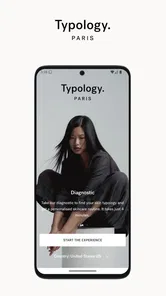
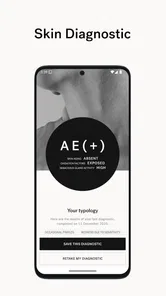
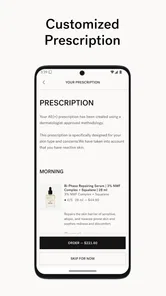
Typology Paris - Skincare is an app designed to help users find personalized skincare routines based on their skin type and concerns. Upon downloading, users can fill out a detailed questionnaire about their skin, lifestyle, and skincare goals. The app then uses this information to recommend products from Typology's skincare line, offering a tailored skincare plan to enhance your beauty regimen.
Is the Typology Paris - Skincare app free to use?
Yes, the Typology Paris - Skincare app is free to download and use. However, while the app provides personalized skincare advice and routine suggestions, purchasing the recommended products from Typology's collection is optional and involves additional costs. The app aims to enhance your skincare experience whether you choose to buy the products or not.
What features does Typology Paris - Skincare offer to users?
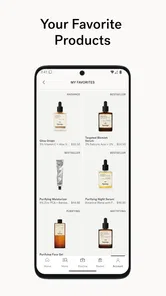
The Typology Paris - Skincare app offers a variety of features to enhance your skincare routine. Users can access personalized skincare plans, detailed product information, and expert skincare tips. The app also includes a tracker to monitor your skincare progress and adjust routines as needed, ensuring you get the most out of your skincare regimen.
Can Typology Paris - Skincare app cater to all skin types?
Yes, the Typology Paris - Skincare app is designed to cater to a wide range of skin types and concerns. By filling out a comprehensive skin assessment questionnaire, users receive tailored product recommendations that suit their unique skin needs, whether they have dry, oily, combination, or sensitive skin. This personalized approach ensures effective skincare solutions for everyone.
Pros
- User-friendly interface
- High-quality skincare tips
- Personalized product recommendations
- Regular updates with new content
- Available offline for convenience
Cons
- Limited free features
- Requires account creation
- Some features are subscription-based
- No direct shopping option
- Occasional app crashes