Trainline: Train travel Europe
- 1.17K
- 4.8
- Installs
- 10.00M
- Price
- Free

Screenshots

Analysis by Reviewed
For me, a useful travel app earns its place on my phone before I reach the station: it should help me compare journeys, keep the ticket close, and make it easier to react when plans change. Trainline brings those jobs together for rail and bus travel across the UK and Europe. I find it most useful when I want to check several journey options in one place, though I still treat live travel information as something to verify while travelling.
A routine that starts before the station
My basic workflow is simple: search for the route, compare the available departures, and choose a ticket that suits the day rather than automatically picking the first result. A fast connection may be worth more than a small saving when I have a tight arrival time; on a flexible day, I can look more closely at cheaper options. Keeping a digital ticket in the app also means I do not have to remember a paper copy, although I make sure my phone is ready before leaving home.
That routine works especially well for a regular commute or a weekend trip where I already know roughly when I want to travel. For a more complicated journey, I take a little longer to check the full itinerary, transfer points, and timing before booking. The convenience of seeing options together is real, but it does not remove the need to read the details of the ticket and journey I am buying.
Settings and checks that matter in practice
I would check the app’s notification and travel preferences before relying on it for a busy day. Alerts are most helpful when they are enabled for the journeys I care about, but frequent notifications can become background noise if I leave every setting on without thinking. I also check that the ticket is accessible in the app before heading out, rather than waiting until I am in a crowded station with a weak connection or a nearly empty battery.
For an unfamiliar station, I use the journey details as a prompt to plan ahead, not as a replacement for looking at station boards and announcements. Live updates can help me notice a delay or change, but conditions can move quickly. My practical habit is to check the app before setting off, then check again during the journey if a connection or arrival time matters. That gives me useful context without assuming that one screen tells the whole story.
Faster habits for repeat journeys
When I make the same trip often, I avoid rebuilding the decision from scratch each time. I keep the route and the times that work for me in mind, compare the current options, and pay attention to whether the ticket I select fits my plans. This is a small habit, but it helps prevent a familiar route from making me careless about the actual departure or the conditions attached to a booking.
A realistic example is a weekday trip when a meeting runs late. I can check the next available options instead of relying on memory, see whether the original plan still makes sense, and keep the ticket close if I have already booked. If a disruption appears, I use the update as a reason to reassess my timing and confirm what is happening through the information available at the station. The app is most helpful here as a planning companion, not a guarantee that every change will be resolved inside the app.
You May Like

Clash of Clans Is Won Between the Battles

Android Auto Makes the Case for Quieter Car Software

MobiOffice: Transforming Mobile Productivity with Seamless Integration

EA SPORTS FC™ Mobile Soccer: Redefining Mobile Sports Gaming

How Microsoft OneDrive Became a Mobile Productivity Giant

How Google Translate Breaks Language Barriers Effortlessly
When a single search is most useful
The value of checking rail and bus possibilities together is not just that it saves taps. It can help me reconsider the shape of a trip: perhaps a bus is more practical for one leg, while rail makes more sense for another. I use that broader view early in planning, then narrow my attention to the journey I am actually considering. It is a useful way to avoid deciding that my usual mode is automatically the only sensible one.
This approach suits travellers who are still choosing where and when to go, people making occasional trips between cities, and anyone comparing options across more than one country. It is less important for a short, familiar commute where the same operator and departure serve every time. In that case, a saved routine or the operator’s own app may be quicker, and another search screen can become needless friction.
Small checks that prevent rushed bookings
Before paying, I make a point of checking the departure date, station names, transfer time, and the ticket conditions shown for that specific option. Those details are easy to skim when the route looks familiar, but a wrong station or a tight change can undermine an otherwise good fare. I also distinguish between choosing a low price and choosing a ticket that fits my actual plans; flexibility is useful only if I need it, but inflexibility can be costly in time if my schedule is uncertain.
For a trip with a connection, I consider the consequence of missing it rather than looking only at the total journey time. If the change is essential and the schedule is tight, I may favour a less rushed itinerary even when another result looks faster. This is not a special trick in the app so much as a way to use its comparisons responsibly: let the options inform the decision, then judge them against the day I expect to have.
All Aboard with Trainline!
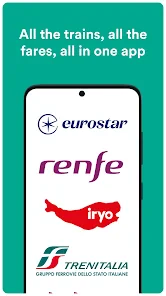
First off, what is Trainline? Imagine having a personal travel assistant that knows all the train schedules across Europe. From the UK to France, Spain, and beyond, this app covers it all. You can book tickets, check schedules, and even get real-time updates on your train status. It’s like having a train conductor in your pocket!
Booking Made Easy
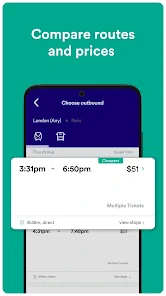
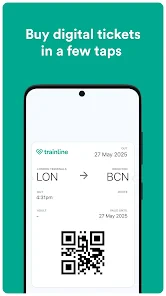
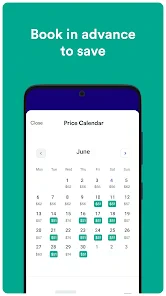
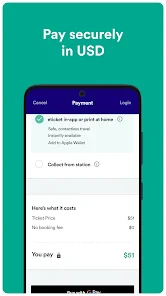
One of the standout features of Trainline is its seamless booking process. You simply enter your departure and destination points, and voila! The app shows you all available train options. Plus, you can filter results based on your preferences, whether it’s the fastest route or the cheapest ticket. What’s more, if you’re like me and often forget to print your tickets, Trainline lets you keep everything digital. Just show your e-ticket on your phone; it’s that straightforward.
Real-Time Updates
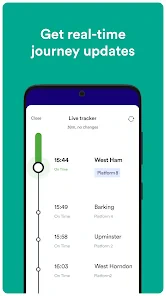
Another thing I absolutely love about Trainline is the real-time updates. Delays happen, and when they do, you need to know ASAP. The app provides live updates on train times, platform changes, and any disruptions that might affect your journey. This feature has saved me from missing trains more times than I’d like to admit. Plus, the notifications are super handy when you’re multitasking or on the go.
User-Friendly Interface
Trainline’s interface is slick and user-friendly. Even if you’re not tech-savvy, you’ll find it easy to navigate. The app’s design is intuitive, with clear icons and straightforward instructions. Booking a train ticket no longer feels like a chore, and that’s a win in my book.
Discover Europe by Rail
One of the coolest perks of using Trainline is the ability to explore Europe by train. Europe’s rail network is extensive, and this app makes it accessible. Whether you’re planning a short trip to a neighboring city or a long journey across countries, Trainline has got you covered. It’s a fantastic way to see the sights and enjoy the scenic routes without the hassle of airport security or cramped airplane seats.
Where it fits among travel options
I see Trainline as a convenient starting point for comparing rail journeys, and its bus travel coverage can be useful when rail is not the only sensible option. Compared with checking each operator’s app or website one by one, searching in a single place can save effort. The trade-off is that travellers who want the most direct relationship with a particular operator may prefer that operator’s own channel, especially when they need to review specific ticket conditions or handle a change.
It is a strong fit for people who travel across more than one route or country and want booking and journey information close together. It is less compelling if you rarely travel, already have a reliable operator-specific routine, or need a journey that depends on complex connections and precise conditions. In those cases, I would compare the itinerary carefully and use station information alongside the app rather than assuming the broadest search is automatically the best choice.
What I would keep in mind
Trainline is free to download, is developed by trainline, and sits in the maps and navigation category. It is rated for Everyone, has a 4.8 average from around 801,000 ratings, and has been installed over 10 million times. The app first appeared in 2010, and version 376.0.0.161996 requires Android 6.0 or later. Those details make it an established option, but popularity does not tell me whether a particular ticket or connection suits my trip; I still inspect the journey before paying.
One practical trade-off with any all-in-one travel search is that convenience can encourage rushed choices. I slow down when a route includes a transfer, when timing is tight, or when the cheapest fare might not match my intended flexibility. I also avoid treating a notification as the final word during disruption: I check the latest journey information and station announcements before changing plans. That extra minute can matter more than the speed of booking.
Making the app part of a calm travel routine
For a day trip, I like to separate planning from departure. I can compare journeys when I have time to think, book once I have checked the details, and then open the ticket before leaving rather than trying to sort everything out on the platform. That simple order reduces last-minute decisions. If my plans include a return journey, I think through both legs before I set out; a convenient outbound option does not necessarily mean the return timing will suit the same schedule.
For a traveller who is new to rail in another country, the broad search is especially useful as a first orientation. It can make the available journey choices easier to compare, but I still recommend checking station names and transfer details carefully. If I am unsure about a connection, I would allow more breathing room or choose a simpler itinerary. The app helps me see the choices; it cannot decide how much risk I am comfortable taking with a tight change.
A good companion, with sensible limits
In conclusion, Trainline is a must-have for anyone traveling across Europe by train. It simplifies the booking process, keeps you informed with real-time updates, and provides a user-friendly experience. So next time you’re planning a European adventure, give Trainline a try. Trust me, you’ll wonder how you ever traveled without it!
My more measured recommendation is that it is worth trying if you want one place to search, book, and keep track of rail and bus travel. Before a first trip, I would check how the selected ticket is stored, make sure I can access it when needed, and build in time to confirm changes during the journey. For a straightforward trip, that is a reassuringly simple routine; for a complicated itinerary, careful checking remains part of the job.
Who should choose another approach
I would not make it my only source of information when a journey has several transfers, a very tight arrival deadline, or ticket conditions I find difficult to interpret. In those cases, the operator’s own information and station announcements deserve a place in my checks. Someone who travels on one local route every day may also prefer the familiarity of a direct operator app; Trainline’s wider comparison is more valuable when there are meaningful alternatives to weigh up.
My practical verdict is that Trainline works best when I use it deliberately: compare options before committing, keep the ticket accessible, and recheck important updates as the trip unfolds. That combination makes it a helpful tool rather than a substitute for judgement. For occasional travellers, its joined-up search can take some of the guesswork out of choosing a route; for experienced travellers, a few repeatable checks help preserve the convenience without encouraging complacency.
Trainline: Train travel Europe Frequently Asked Questions
Is Trainline suitable for planning a trip across more than one country?
Trainline is designed to help with train travel across the UK and Europe, so it can be useful when your plans cross a border. You can enter journey details and review the available options in the app, rather than treating each leg as an entirely separate search. As with any trip, check the journey information and ticket details shown before purchasing.
Who develops Trainline, and what is the app mainly for?
Trainline is developed by trainline and focuses on travel planning and booking, particularly train tickets and bus travel across the UK and Europe. It brings journey searches, travel times, and purchase options together in a mobile app. If you mainly need a way to explore journeys and buy tickets from your phone, its purpose is straightforward; the app itself is free to download.
Can I check live train and bus times before booking?
Yes. Trainline brings travel times and booking options together, so you can look up a journey and review the available services before deciding what to buy. Its store description highlights live times as well as bus travel and train tickets across the UK and Europe. This can be useful when you want to compare a planned departure with current travel information in one app.
What is Trainline and how does it work?
Trainline is a comprehensive app designed for booking train and bus tickets across Europe. It aggregates schedules, pricing, and availability from multiple travel operators, allowing users to plan and purchase tickets seamlessly. By entering your travel details, you can compare options and make reservations directly through the app, ensuring a streamlined travel experience. The app is free to download and is developed by trainline.
Is Trainline available for both Android and iOS devices?
Yes, Trainline is available for download on both Android and iOS devices. Users can easily access the app through the Google Play Store for Android or the Apple App Store for iOS, ensuring that travelers can book their journeys conveniently from their smartphones, regardless of their preferred platform. On Android, it requires version 6.0 or later, so it is worth checking your device’s software before installing.
Pros
- Wide coverage across European countries
- User-friendly interface for easy booking
- Real-time train updates and notifications
- Multiple payment options available
- Integrated seat selection feature
Cons
- Limited offline functionality
- Occasional app crashes
- Some routes may lack real-time updates
- No loyalty program for frequent users
- Customer support can be slow to respond

- Category
- Maps & Navigation
- Version
- 376.0.0.161996