Taco Casa Loyalty
- 38.00
- 4.7
- Installs
- 10.00K
- Price
- Free

Screenshots
Analysis by Reviewed
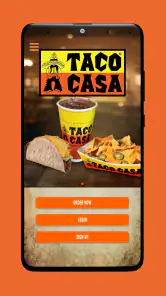
I like loyalty apps most when they remove a small annoyance from a routine I already have. Taco Casa Loyalty is built around that simple idea: it gives Taco Casa customers a digital place to handle their loyalty and rewards activity instead of relying only on a physical card or trying to remember every promotion. After spending time with it, I see it as a focused food-and-drink companion rather than a broad restaurant discovery tool.
That distinction matters. This is not the kind of app I would install to compare restaurants, plan meals across different chains, or replace a delivery service. Its value depends on whether Taco Casa is already part of your eating routine. If it is, the app can make repeat visits feel more organized. If you only visit occasionally, the extra account and app-management step may not feel worthwhile.
How Taco Casa Loyalty fits into an everyday visit
The app comes from Paytronix Systems, a developer known for building loyalty experiences for businesses. Its purpose is clear from the first impression: keep Taco Casa rewards close at hand and make the loyalty relationship easier to use during normal visits. I appreciate that narrow focus because it avoids the clutter found in many food apps that try to combine menus, delivery, coupons, payments, restaurant search, and advertising in one crowded interface.
In practical terms, I would use it before heading out for a familiar Taco Casa meal, while deciding whether a visit is worth making, or after a purchase when I want to keep my rewards activity in the same place. The best workflow is not complicated: open the app when you are thinking about Taco Casa, check what is available to you, and use the relevant loyalty benefit during the visit. That makes it more useful as a habit than as an app you open once every few months.
The app is free, and its content rating is Everyone, so there is no financial barrier to trying it and no age restriction that makes it unsuitable for ordinary family use. It has reached over ten thousand installs, with an average rating of 4.7 from around ninety ratings and thirty-eight written reviews. Those figures suggest a generally positive early response, although the relatively modest audience means I would treat the rating as encouraging rather than definitive proof that every customer will have the same experience.
What feels quick, and what depends on the moment
For a loyalty app, perceived speed is less about complex processing and more about whether I can get to the useful part before reaching the counter. Taco Casa Loyalty has a focused job, which gives it a natural advantage over a large food marketplace. There are fewer unrelated areas to navigate, so a returning user should not need to spend much time searching for the loyalty section.
The real test is timing. If I am standing in line, holding a phone with one hand, I want to find the relevant reward without exploring several layers. I also prefer checking the app before I arrive rather than waiting until the last second. That small change in routine reduces pressure and gives me time to confirm that I am signed in and ready to use the benefit I intend to use.
More From Our News Desk

Clash of Clans Is Won Between the Battles

Android Auto Makes the Case for Quieter Car Software

MobiOffice: Transforming Mobile Productivity with Seamless Integration

EA SPORTS FC™ Mobile Soccer: Redefining Mobile Sports Gaming

How Microsoft OneDrive Became a Mobile Productivity Giant

How Google Translate Breaks Language Barriers Effortlessly
One useful habit is to open the app on a stable connection before entering a busy restaurant. That is not a special feature; it is simply sensible preparation for any account-based loyalty tool. It can prevent the awkward situation of trying to load an account while ordering, especially when the restaurant is crowded or the phone is switching between mobile data and Wi-Fi.
Heavy-use moments reveal the app’s practical limits
The app is likely to feel most valuable during repeated visits, not during a single trial. Someone who stops at Taco Casa regularly can build a simple routine around checking the account, using rewards when appropriate, and keeping the app available for the next visit. In that situation, the app’s focused design is a strength because it supports one brand instead of asking me to manage a wide collection of restaurants.
Heavy use also exposes the trade-off. A dedicated loyalty app is convenient only while its account information stays current and easy to access. If I switch between several food apps, forget which account I used, or only visit Taco Casa sporadically, the benefit becomes less obvious. The app does not replace the need to remember basic account details or pay attention during a transaction.
I would also avoid treating the app as a reason to make unnecessary purchases. Rewards can make a planned visit more satisfying, but they should not turn a small meal into an excuse to spend more. My practical approach is to decide what I already want to eat, then check whether the loyalty account improves that purchase. That keeps the app useful without allowing the reward system to dictate every decision.
For households, the question is whether one person manages the loyalty account or several people use it. A single regular user will probably have the smoothest experience because the account stays tied to one phone and one routine. If family members share purchases but use different devices, the convenience may depend on how comfortable everyone is with accessing the same loyalty setup. I would settle that arrangement before trying to use a reward at a busy counter.
Reliability means more than opening the app
An app can launch quickly and still be frustrating if the important account information is difficult to use at the moment of purchase. With Taco Casa Loyalty, I would judge reliability by three things: whether I can sign in without repeated effort, whether the loyalty information is understandable, and whether I can recover calmly if the app does not behave as expected.
The safest workflow is to avoid making the first login part of the ordering process. Install the app, open it at home, and complete the initial setup when you have time. Then use it once before relying on it for a reward. This gives you a chance to learn where the useful information appears and to notice any account issue before you are standing at the register.
Recovery planning is especially important for a loyalty app because the phone is only one part of the process. If the app takes longer than expected to load, I would not repeatedly tap buttons or create a second account in a hurry. I would first check the connection, close and reopen the app, and confirm that I am using the intended account. Keeping the phone charged and having another payment method available also prevents a loyalty-app problem from disrupting the whole meal.
I would not call this unnecessary caution. Loyalty systems are tied to accounts and transactions, so a small mismatch can be more troublesome than a slow screen in a simple calculator app. The app’s dedicated purpose is helpful, but it also means that a user should understand the account workflow rather than assume every visit will be completely automatic.
Device requirements and resource expectations
The current version is 26.2.2026012703, and the app requires Android 10 or later. That requirement is reasonable for many modern phones, but it immediately rules out older Android devices that cannot update to that operating system. Before planning to use Taco Casa Loyalty as your main rewards method, I would check the phone’s Android version rather than discovering the compatibility issue at installation time.
Because this is a focused loyalty app rather than a game or a media-heavy service, I would expect its everyday demands to be modest. Still, I would not promise identical behavior on every device. Older phones can feel slower even with lightweight apps, particularly when storage is nearly full, many apps are running, or the operating system is under strain. A clean device with reasonable free storage is more likely to provide the quick, low-friction experience a counter-service app needs.
Resource use also includes attention, not just battery or storage. An app that asks me to navigate through too many screens can feel demanding even if it uses little processing power. Taco Casa Loyalty benefits from having a limited purpose, but I still recommend learning the basic path before a busy visit. That is the best way to reduce screen time and avoid holding up the order while searching.
iPhone users should also think about platform fit before making the app part of a regular routine. The app is presented as a Taco Casa loyalty product for Android and iOS audiences, while the specific operating-system requirement listed here applies to Android. In either case, I would keep the phone’s software reasonably current and install the app from the official platform marketplace to reduce compatibility surprises.
Where it beats the usual alternatives
The usual alternative is doing nothing: visit Taco Casa, pay normally, and accept that loyalty benefits may be harder to track. Compared with that approach, a dedicated app gives regular customers a clearer digital home for the relationship. It is also more focused than a general rewards wallet that contains cards from many businesses, because the experience is designed around Taco Casa rather than treating the brand as one entry among dozens.
That focus is both its main advantage and its main limitation. A general restaurant app is better if I want to browse many chains, compare options, or manage delivery in one place. A physical loyalty card may be better for someone who avoids accounts and prefers not to use a phone during a purchase. Taco Casa Loyalty is the stronger choice when I already know I visit Taco Casa and want a dedicated way to handle rewards without carrying another card.
I also would not confuse it with a nutrition tracker, meal planner, or budgeting tool. It may influence how I think about a Taco Casa visit, but it is not a replacement for those broader services. This is a specialized convenience app, and its success should be judged by how smoothly it supports loyalty activity, not by whether it performs jobs it was never meant to handle.
Who should install it, and who should skip it
I would recommend trying it to a frequent Taco Casa customer who uses an Android phone running Android 10 or later and wants a free way to keep loyalty activity nearby. It makes the most sense for someone who can build a repeat habit: check the app before a visit, use the account during the purchase, and return to it when planning the next meal.
I would be more hesitant to recommend it to someone who rarely eats at Taco Casa. Infrequent customers may gain little from maintaining another account and another app on the phone. The same is true for people who strongly prefer physical cards, do not want to manage restaurant accounts, or use an older Android device that cannot meet the operating-system requirement.
It is also not the best fit for someone looking for a single app covering every restaurant. A broader food platform will be more convenient for comparing chains or coordinating delivery. The dedicated approach wins only when Taco Casa itself is the center of the user’s routine.
My performance verdict after weighing convenience against friction
My overall view is positive, but deliberately practical. Taco Casa Loyalty has a clear reason to exist, and its focused Food & Drink role should help it feel lighter and easier to approach than an overloaded restaurant platform. The free price, Everyone rating, and strong early average make it an accessible option for eligible Taco Casa customers.
The strongest performance advantage is not a flashy feature; it is the possibility of a short path from opening the app to handling loyalty activity. To get that benefit, I would set it up before a visit, test the account in a calm setting, and avoid depending on it for the first time while ordering. Those steps matter more than trying to force the app into every meal decision.
My main reservation is the narrow audience. The app cannot create value for someone who does not visit Taco Casa often, and it cannot replace a multi-restaurant service for people who want broader food options. Device compatibility and account preparation also deserve attention, especially for users with older phones or inconsistent connectivity.
For the right customer, I think it is worth trying. Taco Casa Loyalty is most convincing as a small, repeat-use tool: focused, free, and potentially convenient when Taco Casa is already part of your routine. I would install it, complete the setup away from the counter, and judge it after several ordinary visits rather than after one rushed test. That approach gives the app a fair chance while keeping expectations realistic.
Paytronix Systems has kept the concept centered on Taco Casa loyalty, and that specialization is exactly why I can recommend it to regular customers without recommending it to everyone. If your goal is a dedicated rewards companion for this restaurant, it deserves a place on a compatible phone. If your goal is a complete food-management app, a broader alternative will serve you better.
Taco Casa Loyalty Frequently Asked Questions
Is Taco Casa Loyalty free to download?
Taco Casa Loyalty is a free Food & Drink app from Paytronix Systems, so you can download it without paying for the app itself. The app is designed around Taco Casa loyalty and rewards, and any costs associated with meals remain separate from the download. It is rated for Everyone and has an average rating of 4.7 from around 90 ratings.
Which devices can run Taco Casa Loyalty?
The app requires Android 10 or later, so check your device’s operating system before downloading. Taco Casa Loyalty is currently version 26.2.2026012703 and was released on January 30, 2026. If your phone meets the minimum requirement, you can install the app and explore its account and loyalty features; keeping the app updated can help you use the current version.
What is Taco Casa Loyalty, and how does it work?
Taco Casa Loyalty is the official rewards app for participating Taco Casa restaurants. After creating an account, you can typically earn points or receive rewards through eligible purchases, then redeem them on future visits. The app may also provide access to digital offers, restaurant information, and account details. Availability and earning rules can vary by location.
How do I earn rewards with the Taco Casa Loyalty app?
To earn rewards, sign in to your Taco Casa Loyalty account before placing an eligible order and follow the app’s instructions for scanning, identifying your account, or submitting purchase information. Some promotions may require activating an offer first. Not every purchase or location is necessarily included, so reviewing the current program terms is important before expecting points or rewards.
Can I use Taco Casa Loyalty at every Taco Casa restaurant?
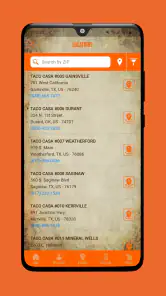
The app is intended for participating Taco Casa locations, but loyalty features, rewards, and promotional offers may differ by restaurant or region. Before visiting, check whether your preferred location appears in the app and confirm that it accepts loyalty redemptions. Franchise policies, menu availability, and local restrictions can affect how the program works at a particular restaurant.
Pros
- Earn points automatically when scanning purchases.
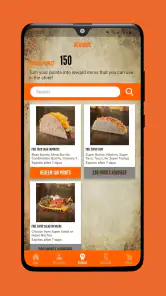
- Exclusive rewards can make frequent visits more worthwhile.
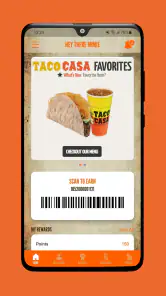
- Digital loyalty card avoids carrying a physical card.
- Promotions and offers may help reduce the cost of meals.
- Simple interface makes checking rewards quick and convenient.
Cons
- Benefits are limited to participating Taco Casa locations.
- A smartphone and account are required to use the program.
- Points may expire or have restrictions on redemption.
- Rewards may not appeal to customers who visit infrequently.
- App usefulness depends on reliable internet and location support.
- Category
- Food & Drink
- Version
- 26.2.2026012703