SWAN Beauty
- 0.00
- 0.0
- Installs
- 10.00K
- Price
- Free

Screenshots

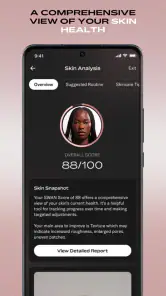
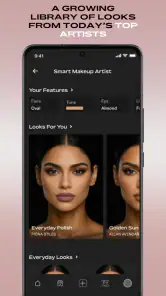
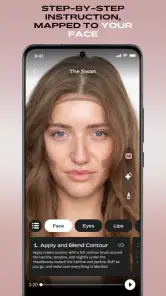
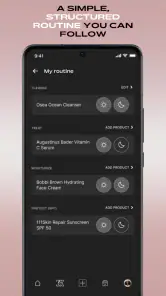
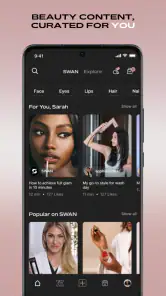
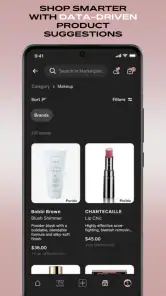

Analysis by Reviewed
I approached SWAN Beauty as a practical beauty companion rather than another app promising to solve every part of a personal-care routine. That distinction matters. Its appeal is the idea of making beauty feel more personal and easier to organize, while its usefulness depends on how much guidance and discovery you want from a mobile app. After spending time with it, my view is positive but measured: it is most interesting for people who want a beauty-focused space built around their own interests, not for anyone expecting a complete replacement for professional advice, in-person shopping, or a highly specialized treatment tool.
The app comes from SWAN Beauty and sits in the Beauty category. It is free to use, carries a Teen content rating, and supports devices running Android 7.0 or later. The current release is version 2.16.0, which gives the experience a reasonably current foundation for people using older Android phones as well as newer devices. The application has passed the early trial stage with over 10 thousand installs, so it is not an entirely unknown experiment, although it still feels more like a focused niche product than a giant beauty platform.
What makes SWAN Beauty useful in everyday life
The strongest idea here is personalization. Many beauty apps are really shopping catalogs with a few filters attached, or entertainment feeds where useful guidance gets buried under endless images. SWAN Beauty aims at a more personal experience. That makes it a better fit for a user who wants to narrow attention and think about beauty choices in relation to individual preferences rather than simply scroll through whatever happens to be popular.
I found that positioning helpful because beauty decisions are often less about finding the single “best” product and more about finding something that fits a person’s routine, comfort level, appearance goals, and willingness to experiment. A useful recommendation should help me decide what deserves attention first. The app’s personalized angle gives it a clearer purpose than a generic collection of beauty articles or a social feed with no obvious next step.
One practical way to use it is as a decision filter before buying anything. Instead of opening a retailer’s app and immediately comparing dozens of similar choices, I would first use SWAN Beauty to clarify what I am actually looking for. Am I trying to simplify a routine, explore a new style, or find ideas that feel closer to my current preferences? That small pause can prevent the common mistake of saving attractive suggestions that do not fit real life.
The app works best as a personal discovery layer, not as a substitute for a consultation. That is an important strength and also the boundary I would keep in mind. It can make exploration feel less random, but beauty recommendations still need common sense. Skin sensitivity, allergies, medical conditions, and major treatment decisions require more care than an app can provide.
A calmer alternative to ordinary beauty browsing
Compared with a standard online store, SWAN Beauty has a different starting point. Retail apps are designed to move quickly from search to purchase. That is useful when I already know the exact item or brand I want, but less helpful when I am unsure what direction to take. A beauty-focused app with personalization can be more comfortable during the earlier stage, when I am still comparing ideas and deciding what suits me.
It also differs from social media. Social platforms are excellent for inspiration, but they reward novelty and visual impact. A dramatic look may be enjoyable to view while being completely impractical for a normal workday, a limited budget, or a beginner who wants a manageable routine. SWAN Beauty’s more focused identity makes it easier to approach beauty as something personal instead of treating every trend as an instruction.
That does not mean it replaces either alternative. If I need a precise shade, current stock information, delivery details, or a broad range of customer reviews, a retailer remains more useful. If I want tutorials, creator opinions, or real-time trend discussion, social and video platforms offer more depth. I see SWAN Beauty occupying the space between those choices: more directed than casual browsing, but less transactional than shopping.
Three ways I would get more from the app
My first tip is to treat the initial exploration as a sorting exercise rather than a commitment. When an idea looks appealing, I would ask whether it fits my existing habits before moving on. This prevents personalization from becoming another form of impulse browsing. The value is not in collecting the largest number of suggestions; it is in identifying a small group that feels realistic.
Second, I would use the app at two different moments: once when I have time to explore and again shortly before making a purchase or changing a routine. The first visit is for discovering possibilities. The second is for checking whether the idea still makes sense after considering time, comfort, and what I already own. This two-step workflow turns the app into a planning tool rather than a source of momentary inspiration.
Third, I would keep professional judgment in the loop whenever the decision involves a sensitive concern. Personalization can make recommendations feel reassuring, but a tailored presentation is not the same thing as a diagnosis. For routine beauty exploration, that distinction may not cause trouble. For persistent skin issues, reactions, or treatment questions, I would stop using the app as the main authority and ask a qualified professional instead.
These habits also reveal a less obvious trade-off. Personalization is valuable when it reduces noise, but it can become limiting if I only follow familiar preferences. Someone trying to discover a completely different style may find a broader platform more stimulating. I would occasionally step outside the most comfortable suggestions so the app does not turn my existing habits into a permanent boundary.
Where the experience may fall short
The main weakness is not that the concept is unclear; it is that a personalized beauty experience can only be as useful as the guidance behind it and the information I give it. If I want highly technical explanations, detailed ingredient comparisons, professional-level routines, or extensive evidence for a particular concern, I would look elsewhere. The app’s personal focus is attractive for discovery, but it should not be mistaken for specialist depth.
There is also a natural tension between convenience and control. People who enjoy carefully researching every option may prefer a dedicated retailer, ingredient database, or long-form beauty publication. Those tools usually make it easier to compare exact details side by side. SWAN Beauty is more appealing when the problem is “Where should I start?” than when the problem is “Which of these two nearly identical products has the precise specification I need?”
I would also be cautious about expecting personalization to remove all uncertainty. Beauty is subjective, and a suggestion that looks right on a screen may not feel right in daily use. Lighting, comfort, routine length, climate, and personal taste all matter. The app can help me form a shortlist, but I would still test changes gradually instead of replacing everything at once.
For that reason, people who want a purely functional shopping tool may find it unnecessary. If I already know my preferred brands and products, opening a retailer or a saved list is faster. Likewise, users seeking clinical skincare support, salon booking, or advanced cosmetic education should choose a service built specifically for those tasks. SWAN Beauty makes more sense for the exploratory middle ground.
A realistic routine for a new user
Imagine someone getting ready for a new job and wanting a more polished routine without spending every evening watching tutorials. I would begin by using SWAN Beauty to explore options that feel compatible with the person’s current habits. Rather than attempting a dramatic transformation, I would choose one manageable change, use the app to keep the search focused, and then judge the result after a normal workweek.
That scenario shows where the app can be genuinely helpful. The user is not asking it to make a medical decision or guarantee a perfect result. They are using it to reduce the blank-page problem: too many possibilities, too little confidence about where to begin. A personalized beauty environment can make that first step less intimidating and help turn vague interest into a practical plan.
I would use a similar approach before a special event. Instead of copying a look at the last minute, I would explore earlier, narrow the options, and leave enough time to decide whether the routine is comfortable. The app is more valuable when it supports preparation. It is less valuable when used as a frantic search tool immediately before leaving home.
New users may also wonder whether an older phone can run it. The Android requirement begins at version 7.0, so a device that meets that baseline should be within the intended compatibility range. People on iPhone or iPad should check the relevant Apple storefront for availability before planning around it, since the experience described here is centered on the Android release information.
Who should try it, and who should skip it?
I would recommend SWAN Beauty to someone who enjoys beauty discovery but dislikes unstructured browsing. It is especially suitable for a beginner who wants a gentler starting point, a busy person who needs help narrowing choices, or an enthusiast who wants ideas organized around personal taste rather than a general trend cycle. The free price also makes it easy to test without turning the decision into a financial commitment.
It may also suit users who are tired of retailer-first recommendations. Shopping apps naturally encourage spending, while a personal beauty app can be used earlier in the process, before a product has been chosen. That separation is useful for anyone trying to make more deliberate decisions and avoid buying something simply because it appeared in front of them at the right moment.
I would skip it if my main goal were exact product research, medical-grade skincare guidance, professional training, or immediate purchasing. In those cases, a specialist resource is likely to be more efficient. I would also skip it if I dislike personalized discovery altogether and prefer to control every search manually. The app’s central appeal is the guided experience, so users who want a blank, fully neutral catalog may not appreciate its approach.
The Teen rating is another reason parents and younger users should approach beauty content thoughtfully. It signals that the app is intended for a teen audience rather than very young children, but it does not remove the need for personal judgment about appearance, spending, and expectations. I would encourage younger users to treat suggestions as optional ideas, not standards they need to meet.
My verdict after weighing the trade-offs
SWAN Beauty succeeds when I use it for what it appears designed to do: make beauty exploration feel more personal, less scattered, and easier to begin. Its free access lowers the barrier to trying it, and the Android compatibility from version 7.0 makes it approachable for people who are not using the newest phone. The work of SWAN Beauty is most convincing in the space between passive inspiration and active shopping.
Still, I would not present it as an all-in-one beauty authority. Its value is strongest at the discovery and planning stage. Once I need exact specifications, professional assessment, treatment advice, or a purchase-focused comparison, I would move to a more specialized tool. That is not a deal-breaker; it is simply the realistic role this app should play in a broader routine.
My final recommendation is to try it if you want a focused beauty companion and are willing to make the final decisions yourself. Start with one goal, keep the suggestions practical, and resist changing too much at once. If the app helps you move from vague curiosity to a small, sensible shortlist, it is doing its job well. If you already know exactly what you want or need expert-level guidance, another category of app will serve you better.
In short, I see SWAN Beauty as a useful starting point rather than a final destination. Its personalized approach gives everyday beauty browsing more direction, while its limitations remind me that good recommendations still need context, patience, and personal judgment.
Pros
- Offers a broad selection of beauty and personal care products.
- Product images and descriptions make browsing simple.
- Useful for discovering new skincare and makeup brands.
- Convenient shopping experience from a mobile device.
- Regular promotions may help reduce the cost of beauty purchases.
Cons
- Product availability may vary depending on location and stock.
- Some items can be relatively expensive compared with alternatives.
- Delivery times may differ between products and sellers.
- Beauty products may not be returnable once opened.
- The app may require an account before completing a purchase.

- Category
- Beauty
- Version
- 2.16.0