Starcrossed
- 67.00
- 4.8
- Installs
- 50.00K
- Price
- Free

Screenshots
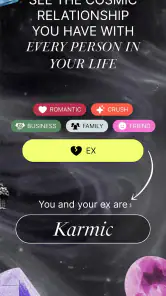
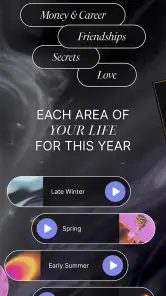
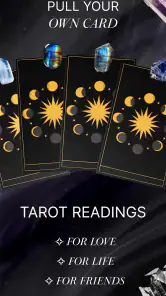

Analysis by Reviewed
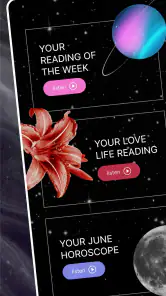
I spent time with Starcrossed as a lifestyle app for astrology, and my first impression was that it tries to make a birth chart feel like a practical starting point rather than a one-time novelty. Its focus is personal chart information, current planetary movement, and relationship compatibility, so it suits someone who wants to return to astrology regularly instead of simply reading a generic sign description.
The app is free to install and is rated for Everyone, which makes it easy to try without committing money at the door. It comes from Starcrossed and has built a notably positive audience, with a 4.8 average from around 2.8 thousand ratings and more than 50 thousand installs. Those figures do not replace personal experience, but they do suggest that the basic idea is connecting with people who want a more personal astrology tool.
How Starcrossed turns astrology into a repeatable habit
The useful distinction here is between a broad horoscope and a chart-based app. A broad horoscope gives the same general message to many people born under the same sign. A birth chart is intended to be more individual, using the details associated with a person’s birth. Starcrossed places that personal chart at the center, then adds daily transits and compatibility as ways to revisit it.
That structure gives the app a natural rhythm. I can look at the chart when I want a wider picture of my personality and tendencies, then check transits when I am interested in the current day, and use compatibility when I want to think about a particular relationship. These are different questions, and keeping them together is more convenient than jumping between unrelated astrology apps.
I also like that the app’s subject matter is clear from the start. It is not pretending to be a general wellness tracker, a social network, or a productivity system. The experience is centered on astrology, and that narrow purpose helps set expectations. If you already enjoy comparing charts or reflecting on planetary timing, the app has a more relevant starting point than a lifestyle app that only adds a short horoscope as a side feature.
Beginning with the birth chart
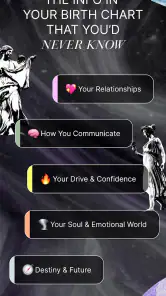
The birth chart is the part I would explore first. Rather than treating astrology as a daily quote, it gives the user something stable to return to. That matters because a chart can act as a reference point: when a daily interpretation feels vague, I can compare it with the broader themes I was already exploring.
A practical tip is to avoid trying to absorb everything in one sitting. I would begin with the elements that feel most relevant to a current question, make a note of the language that seems meaningful, and then come back later. This approach is less overwhelming than scrolling through every available interpretation and trying to decide what it all means immediately.
More From Our News Desk

Clash of Clans Is Won Between the Battles

Android Auto Makes the Case for Quieter Car Software

MobiOffice: Transforming Mobile Productivity with Seamless Integration

EA SPORTS FC™ Mobile Soccer: Redefining Mobile Sports Gaming

How Microsoft OneDrive Became a Mobile Productivity Giant

How Google Translate Breaks Language Barriers Effortlessly
The main trade-off is that a chart-based experience asks more from the reader than a simple sign app. It rewards curiosity and patience, but it may feel like too much if you only want a quick, lighthearted message. Starcrossed is better suited to someone who enjoys interpretation than to someone looking for a two-minute entertainment break.
Using daily transits without letting them run your day
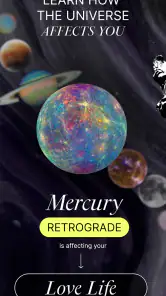
The daily transit side is where the app can become part of a routine. I would use it in the morning or during a quiet moment before making a plan, not as an instruction manual for every decision. The most useful mindset is to treat a transit as a prompt for reflection: perhaps a reason to pay attention to communication, timing, mood, or a recurring personal pattern.
One non-obvious way to use this feature is to compare the daily reading with your actual schedule rather than reading it in isolation. For example, if I have a difficult conversation planned, I can read the transit information beforehand, identify the theme that stands out, and then focus on how I respond in real life. Later, I can decide whether the interpretation helped me notice something or simply encouraged me to think more carefully.
That workflow keeps the app useful without giving astrology too much authority. It also exposes one of the app’s limitations: interpretations can feel personal while still being open to several readings. Anyone expecting precise predictions or guaranteed outcomes is likely to be disappointed. The value is in reflection and context, not certainty.
Compatibility as a conversation tool
Compatibility is potentially the most immediately engaging feature because it connects astrology with a real person. I can imagine using it when getting to know someone, thinking about a friendship, or trying to understand why a relationship feels easy in one area and difficult in another.
My advice is to use compatibility as a conversation starter, not as a pass-or-fail test. A chart comparison can encourage two people to discuss communication styles, expectations, and recurring friction. It should not become a reason to dismiss someone before seeing how they behave. This is an important distinction because an attractive compatibility result does not guarantee a healthy relationship, and a challenging result does not make one impossible.
The feature is most valuable when both people are willing to treat it playfully but thoughtfully. It is less useful for someone who wants a definitive answer about whether a relationship will work. In that situation, ordinary communication and observed behavior are better tools than any astrology app.
Cost, value, and the points where the experience asks for more
Starcrossed is free, so I can explore its basic experience before deciding whether it deserves a place in my routine. That is a meaningful advantage for this type of app because astrology is personal: what feels insightful to one person can feel too broad or unconvincing to another. Free access lowers the risk of finding that the style is simply not for me.
The app also includes optional in-app purchases, with individual items ranging from $6.99 to $107.99. That is a wide span, so I would not assume that every user needs to spend money or that the most expensive option automatically represents better value. The sensible approach is to use the free experience first, understand what it already provides, and only consider a purchase when I know exactly what additional value I want.
This is where the app deserves a careful look rather than an automatic recommendation to buy. The free starting point is clear, while the paid value depends on the specific item and on how seriously the user intends to use the app. Someone who checks astrology occasionally may find free access sufficient. A committed astrology reader may see value in deeper paid material, but should still judge that purchase against personal use rather than the size of the price tag alone.
What the app does well in everyday use
The strongest part of Starcrossed is the way its three main subjects support different levels of attention. The chart offers a long-term personal reference, transits create a reason to return, and compatibility gives the app a social or relationship angle. That combination is more useful than a single stream of generic predictions because it accommodates different questions.
Here is a realistic scenario. Imagine I am starting a new job and feeling uncertain about how I will handle the change. I might first revisit my birth chart to reflect on familiar patterns, then check the current transit information before an important meeting, and later use the experience as a prompt to consider which reactions were actually mine and which were caused by the situation. The app would not solve the work problem, but it could give me a structured way to pause and think.
Another useful workflow is to keep a short private note after reading a daily transit. I could write down the theme in one sentence and revisit it at night. This prevents the reading from becoming a vague feeling that disappears after a few minutes. It also helps me judge whether I am genuinely finding a pattern or simply fitting every event to a flexible interpretation.
For relationship questions, I would do something similar: read the compatibility material separately, then discuss only the parts that lead to a constructive conversation. Sharing every detail can make the experience feel judgmental or intrusive. Choosing one topic, such as communication or expectations, makes the feature more useful and less likely to create unnecessary tension.
Where friction and limitations matter
The app’s biggest limitation is built into astrology itself: the results depend heavily on interpretation. A reader who wants measurable, evidence-based guidance will not find that here. Starcrossed may be enjoyable as a reflective or spiritual tool, but it should not replace professional advice about health, finances, legal matters, or serious relationship safety.
There is also a learning curve. A person who has never encountered chart terminology may need time to understand what they are reading. That is not necessarily a flaw, but it changes who will enjoy the app. If I want instant, plain-language entertainment, a simpler horoscope app may feel more comfortable. Starcrossed makes more sense when I am prepared to explore rather than consume a single answer.
The purchase range is another point of friction. Because optional items can reach a high price, I would be especially careful with impulse buying. The free entry point is helpful, but it does not mean every later purchase is automatically good value. I would read the purchase description closely, decide whether it supports a specific use case, and avoid paying simply because a reading sounds urgent or emotionally persuasive.
Privacy is also worth considering in practical terms. Birth information and relationship details can feel personal even when the app is being used casually. I would enter only what I am comfortable sharing and would avoid treating someone else’s details as mine to disclose without permission. That is good practice for any personal astrology service, particularly one designed around charts and compatibility.
Who will get the most from it
I would recommend Starcrossed to someone who already enjoys astrology and wants one place for a personal chart, current transits, and relationship comparisons. It is also a good fit for a reflective person who likes journaling, noticing patterns, or using symbolic systems to frame a question. The free starting point makes it easy to test whether the tone and depth suit you.
It may appeal to couples or friends who want a low-pressure conversation prompt. Used carefully, compatibility can help people talk about differences without immediately turning those differences into accusations. The best results will come from users who can hold two ideas at once: the reading can be interesting, and it can still be wrong or incomplete.
I would skip it if I want scientifically validated predictions, a fully practical planning tool, or a quick sign-based message with no learning curve. I would also skip paid extras if I am only mildly curious and have not yet built a habit of using the free experience. In that case, a simpler free horoscope app may be a better match, while a dedicated journaling app may be better for personal reflection without astrological interpretation.
My buy-or-skip verdict
After using it, I see Starcrossed as a focused lifestyle app rather than a general-purpose daily companion. Its free access gives curious users a reasonable way to explore the central experience, and the combination of chart, transits, and compatibility gives it more depth than a basic horoscope feed. The app is currently at version 1.0.40 and supports Android 7.0 or later, which makes it accessible to a broad range of Android users.
I would start free, use the chart and transit sections across several ordinary days, and try compatibility only with a clear question in mind. If the interpretations help me reflect and I return naturally, I can then decide whether a paid item is worth considering. If I find myself forcing meaning into every reading or checking the app anxiously, I would stop rather than spend more.
My recommendation is to try it, but keep the purchase decision separate from the emotional appeal of astrology. Starcrossed offers a thoughtful framework for people who enjoy birth charts and relationship symbolism, while its limits are clear for anyone seeking certainty. For me, it earns a place as a reflective companion, not as an authority. That makes it worth exploring for the right reader, but an easy skip for anyone who wants straightforward facts, guaranteed predictions, or a completely free experience without optional purchases.
Starcrossed Frequently Asked Questions
Who is Starcrossed best suited for?
Starcrossed is likely to appeal to people who enjoy exploring astrology and reflecting on relationships through birth charts, daily transits, and compatibility features. Its lifestyle focus makes it a different kind of experience from a traditional game or productivity tool. If those subjects interest you, the app’s main theme may be a good fit; if you are looking for action or extensive social features, it may not match what you want.
What does Starcrossed offer?
Starcrossed is a lifestyle app from the developer Starcrossed, focused on your birth chart, daily transits, and compatibility. It brings these astrology-related topics together in one place, making it relevant to users who want to explore personal chart information and relationship compatibility. The app is free to download, and its content is intended for an Everyone audience.
What is Starcrossed, and what kind of experience does it offer?
Starcrossed is a story-focused mobile game centered on romance, character relationships, and interactive decision-making. During the experience, you follow the narrative, learn more about the main characters, and make choices that can influence conversations or the direction of certain scenes. It is best suited to players who enjoy visual storytelling, emotional drama, and slower-paced gameplay rather than action-heavy mechanics.
Is Starcrossed free to download and play?
Starcrossed is free to download, though it offers in-app purchases priced from $6.99 to $107.99 per item. That means you can install it without an upfront purchase, but optional paid items may add to the cost depending on what you choose to buy. Check the purchase details in your app store before paying, especially if you share a device or payment method with someone else.
Does Starcrossed require an internet connection?
An internet connection may be needed when first installing Starcrossed, downloading additional story resources, checking updates, or accessing features connected to your account. Some previously downloaded content may work offline, but this should not be assumed for every chapter or function. Players with limited mobile data should launch the game over Wi-Fi and review its behavior before playing away from an internet connection.
Pros
- Romantic choices create meaningful emotional stakes throughout the story.
- Distinct character personalities make each relationship route feel memorable.
- The game is easy to pick up
- with straightforward touch controls and menus.
- Shorter scenes make it convenient to play in brief sessions.
- The stylish presentation complements the game’s dreamy
- dramatic atmosphere.
Cons
- Some story paths may feel too brief for players wanting deeper character development.
- Progress can be slow if important choices are locked behind repeated playthroughs.
- The romance-focused plot may not appeal to players seeking action or complex gameplay.
- Certain dialogue options can feel limited despite the game’s branching premise.
- Replay value depends heavily on how much you enjoy comparing alternate outcomes.
- Category
- Lifestyle
- Version
- 1.0.40