Sheytoon
- 229.00
- 3.9
- Installs
- 100.00K
- Price
- Free

Screenshots
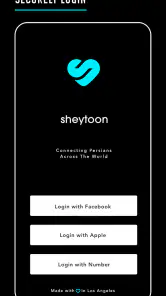


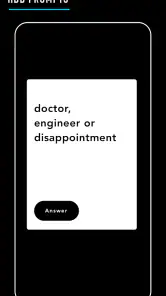

Analysis by Reviewed
I approached Sheytoon as a social and dating app for Persian users who want to meet people with a shared cultural background. Its purpose is easy to understand, but the real question is whether it can help a new user move beyond browsing and have a worthwhile conversation. In my experience, that depends less on downloading the app and more on setting up a profile that gives other people a genuine reason to respond.
Sheytoon is a free lifestyle app from Sheytoon Inc, available for mature users aged 17 and over. It has been around since March 11, 2016, and its current version is 6.7. The Android listing shows over one hundred thousand installs, a 3.9 average from around five thousand ratings, and a little over two hundred written reviews. Those figures suggest an established but fairly focused community rather than a huge general-purpose network.
That focus is the main reason I would recommend trying it. If Persian language, family background, cultural references, or community expectations matter to you when meeting someone, a specialized app can feel more comfortable than starting from scratch on a broad dating service. On the other hand, anyone looking for the largest possible pool, highly detailed matching tools, or a purely casual social feed may find the narrower audience limiting.
What to expect before you begin
The first thing to understand is that Sheytoon is not simply a messaging utility. It is designed around building friendships and relationships among Persians around the world, so the experience sits somewhere between a community app and a dating platform. That makes your goal important. You can use it to meet people socially, but you should still be clear with yourself about whether you are hoping for friendship, conversation, or a serious relationship.
I found that this distinction changes how the app feels. If I treated every profile as a potential immediate match, the experience became impatient and shallow. If I treated the service as a way to discover people with a shared cultural starting point, conversations felt more natural. A common background can open the door, but it does not replace basic compatibility, good communication, or mutual interest.
Compared with a mainstream dating app, the strongest difference is the cultural filter built into the app’s identity. On a large general platform, you may need to explain background details that Sheytoon users are more likely to understand immediately. That can be helpful for people living outside Iran or away from a large Persian-speaking community. It can also make the app feel more personal than a feed dominated by completely unrelated profiles.
The trade-off is reach. A specialized community will not necessarily offer the same constant flow of new faces as the biggest dating services. If you live in a place with few Persian users, you may need to widen your search area mentally and be comfortable speaking with people in other cities or countries. That international angle is useful, but it can also make distance a practical issue once a conversation becomes serious.
More From Our News Desk

Clash of Clans Is Won Between the Battles

Android Auto Makes the Case for Quieter Car Software

MobiOffice: Transforming Mobile Productivity with Seamless Integration

EA SPORTS FC™ Mobile Soccer: Redefining Mobile Sports Gaming

How Microsoft OneDrive Became a Mobile Productivity Giant

How Google Translate Breaks Language Barriers Effortlessly
Before installing, I would also decide how much personal information I am comfortable sharing. A profile should be informative enough to start a conversation without exposing details that belong only in a private chat. Avoid putting your workplace, exact daily routine, home address, or other identifying information in a public profile. This is especially important in any app where the first contact comes from people you do not know.
The best mindset for a first-time user
My advice is to judge the app by the quality of your first few conversations, not by how quickly you collect attention. A profile view or a short greeting is not yet a meaningful result. The useful milestone is a respectful exchange where both people ask questions and contribute something about themselves.
That approach also helps with one common disappointment: not every culturally similar person will be a personal match. Shared heritage can make introductions easier, but personalities, values, location, age, and relationship goals still matter. Sheytoon gives you a relevant starting point; it does not remove the need to make careful choices.
Setting up a profile that actually helps
After installing, I would avoid rushing through setup with the shortest possible answers. The first profile is doing more work than many new users realize. A blank or vague profile forces the other person to invent a reason to message you, while a thoughtful one offers several safe conversation openings.
Choose a clear photo that looks like you now and does not rely on heavy editing. I would use one image where your face is easy to recognize and, if the app allows you to present more than one image, add variety without turning the profile into a personal photo archive. The goal is trust and clarity, not trying to look like a professional model.
For written details, mention the parts of Persian culture that genuinely matter to you rather than using broad statements that could describe anyone. You might refer to the languages you use, the kind of social life you enjoy, or whether you are interested in friendship first. Keep the wording relaxed. A sentence that sounds like something you would say aloud is more inviting than a formal biography.
A useful technique is to include one specific conversation hook. Instead of saying only that you enjoy music, describe the kind of music you play during a drive. Instead of writing that you like food, mention the dish you would happily recommend to someone visiting your city. These details are small, but they give a stranger an easy and less awkward first message.
I would not treat every profile field as a requirement to disclose private information. If a question feels too personal for a public introduction, answer it in a general way or leave it for a later conversation when trust has developed. A complete profile is good; an overexposed profile is not.
A practical setup sequence
Start with a recent, recognizable photo and check that it represents how you normally look.
Write a short introduction that explains your personality or interests rather than repeating generic compliments about yourself.
State whether you are mainly interested in friendship, conversation, or meeting someone for a relationship.
Add one cultural or everyday detail that another Persian user can respond to naturally.
Review the profile as if you were a stranger deciding whether to send the first message.
This last step is surprisingly valuable. When I read a profile from the outside, I can immediately see whether it gives someone a comfortable opening. If every line is about what I want from another person, the profile feels demanding. If it includes a little about what I enjoy and how I communicate, it feels more balanced.
Reaching the first meaningful conversation
The first successful action should not be sending the largest possible number of messages. It should be choosing one profile that seems relevant and writing a message that could not have been copied to everyone else. A simple reference to something the person shared is enough. If their profile mentions a city, hobby, language, or cultural interest, use that detail to begin.
I would avoid opening with only “hi,” a comment about appearance, or a question that feels like an interview. Those messages place all the work on the recipient. A better opening combines a specific observation with an easy question. For example, if someone mentions enjoying Persian cooking, you could ask which dish they most like making and briefly share your own preference.
Keep the first message reasonably short. The purpose is to create a comfortable next step, not to tell your entire life story. If the person replies with equal effort, then the conversation can grow. If the response is one word several times in a row, I would not keep pushing simply because the profile looked promising.
One non-obvious advantage of a culturally focused app is that you can use shared context without assuming total similarity. A reference to a holiday, food, language, or family experience may make the opening warmer, but it should remain an invitation rather than a test of authenticity. People have different relationships with culture, religion, family traditions, and language. Curiosity works better than trying to decide whether someone is “Persian enough.”
For a realistic everyday scenario, imagine opening Sheytoon after work and finding a profile from someone who lives in another country but shares your interest in Persian films. Instead of sending several messages at once, you could mention one film you enjoyed and ask what they would recommend. If the reply becomes a real exchange, you have reached the app’s first meaningful success: not a match in the abstract, but a mutual conversation with a clear subject.
When a conversation becomes comfortable, move gradually. Do not feel pressured to provide a phone number, social-media account, or other contact detail immediately. Staying inside the app at first gives you time to see whether the person is consistent, respectful, and interested in you as a person rather than in collecting contact details.
How to tell whether a conversation is worth continuing
I look for reciprocity. Does the other person ask questions, remember what I said, and respect the pace of the exchange? Do they respond to the actual topic instead of turning every message toward money, private information, or an immediate meeting? These signs matter more than a polished photo or a shared background.
It is also reasonable to end a conversation that feels uncomfortable. You do not owe a long explanation to someone you met through an app. If a person ignores boundaries, becomes insulting, pressures you, or repeatedly changes the subject toward sensitive information, I would stop replying and use the app’s available safety controls if needed.
Where new users can become confused
The biggest source of confusion is the difference between the app being free to download and the complete experience potentially involving purchases. Sheytoon is listed as free, while its Android listing also shows in-app purchases ranging from $4.99 to $49.99 per item. I would therefore explore the basic experience first and avoid buying anything simply because a prompt makes it appear urgent.
Before confirming a purchase, read the wording on the screen carefully and make sure you understand what the item does, whether it is one-time or recurring, and which account will be charged. I would not assume that paying automatically improves compatibility or guarantees replies. Money can add convenience in some apps, but it cannot create mutual interest.
Another point of confusion is the age label. The app is marked Mature 17+, so it should not be treated as a general social network for younger teenagers. Adults should still use normal caution, and anyone arranging an in-person meeting should choose a public place, tell a trusted person where they are going, and keep control of their own transport.
Some people may also expect every person they see to be nearby. That is not a safe assumption for a service intended to connect Persians around the world. Location and distance can affect whether a promising conversation is practical. I would discuss general location early enough to avoid building expectations around a relationship that would be difficult to pursue, while still avoiding exact addresses or predictable routines.
The rating of 3.9 is best read as a sign to keep expectations realistic rather than as a verdict that the app is unusable. User experiences vary widely in social apps because the community changes from place to place and from one period to another. A person in a city with an active local audience may have a very different experience from someone searching across a smaller region.
Finally, remember that a specialized community does not eliminate ordinary dating-app problems. Some profiles may be incomplete, some conversations will fade, and some people may present themselves poorly. I would report suspicious behavior, avoid sending money, and remain cautious when someone tries to create urgency or secrecy.
When another type of app may suit you better
Sheytoon is a sensible choice when cultural familiarity is central to your search. It is less suitable if you want a broad local dating pool with extensive filters, a professional networking environment, or a purely friendship-based service with no relationship expectations. In those cases, a mainstream dating app or a dedicated interest community may be a better primary tool.
I would also consider another option if distance becomes the dominant problem. A culturally specific connection is valuable, but if every promising person lives far away and neither of you can realistically meet, the app may create more pleasant conversations than practical relationships. That does not make those conversations pointless; it simply changes what success should mean.
Making the next step worthwhile
Once the first conversation has gone well, the next step is not necessarily to intensify it immediately. I prefer a gradual rhythm: exchange a few thoughtful messages, notice whether interest remains mutual, and then discuss a low-pressure way to continue. The right pace will differ from person to person, but pressure is rarely a good sign.
Use the shared Persian context as a bridge, not as the entire structure of the relationship. Ask about ordinary life, goals, humor, routines, and communication style. Those topics reveal compatibility more effectively than relying only on family background or favorite cultural references.
A useful workflow is to keep your first conversations distinct. If you message several people, do not copy the same introduction and do not pretend to remember details you have forgotten. Taking a moment to reread a profile before replying helps you avoid embarrassing mix-ups and shows basic respect. It also makes the app feel less like a numbers game.
If you decide to meet, keep the first meeting simple and public. A café or another busy location is easier to leave than a private setting, and a short plan reduces pressure for both people. Tell a friend or family member the basic details, arrange your own way home, and do not let cultural familiarity make you skip normal safety steps.
For users interested mainly in friendship, I would be explicit about that early. Clear expectations prevent a friendly exchange from becoming uncomfortable later. For users seeking a relationship, I would still resist treating every conversation as an application process. Let compatibility develop through repeated, respectful interaction.
Purchases deserve the same patience. Try the free experience long enough to understand whether the available community fits your needs. If you later decide an optional item is worthwhile, make that choice because it solves a specific problem for you, not because you feel that spending is necessary to be noticed.
Sheytoon has been available for years and remains easy to understand at its core: it gives Persian users a focused place to meet, talk, and potentially build relationships across borders. Its strongest quality is relevance. You are less likely to begin with a completely unrelated audience, and shared culture can make the first exchange feel more approachable.
Its limitations are just as important. The community may feel smaller than a mainstream service, distance can complicate promising connections, and the free label does not mean every part of the experience is free of optional purchases. The mature age rating and the nature of the service also call for sensible privacy and meeting habits.
My recommendation is to try it with a complete profile, a clear purpose, and realistic expectations. If you want a Persian-centered way to start conversations and you are willing to judge people individually rather than relying only on shared background, it is worth exploring. If you need a large nearby audience or highly specialized matching controls, keep a broader alternative available. The best result comes when you use Sheytoon to open a door, then let honesty, patience, and mutual effort decide whether anyone walks through it.
Sheytoon Frequently Asked Questions
Is Sheytoon available on both Android and iOS?
Sheytoon is a mobile app for people interested in building friendships and relationships across the world within the Persian community. Before downloading, check the app store on your device to confirm that it is currently available for your operating system and that your device meets its requirements. Keeping the app updated can also help you access its current features.
Who develops Sheytoon, and what kind of app is it?
Sheytoon is a lifestyle app developed by Sheytoon Inc. Its focus is on helping Persians build friendships and relationships across the world, so it is centered on social discovery rather than being a general-purpose messaging or entertainment app. If you are looking for a community-oriented way to meet people, its purpose may be relevant to you.
What is Sheytoon and who is it designed for?
Sheytoon is a dating and social discovery app created primarily for Persian-speaking singles and people interested in Persian culture. It helps users create a profile, browse suggested matches, communicate through messages, and potentially meet people with similar backgrounds, interests, or relationship goals. Availability of certain features may depend on your location, account status, and the current version of the app.
How do I create an account on Sheytoon?
After installing Sheytoon, you generally need to register with basic information such as an email address, phone number, or supported social login. The app may also request a profile photo, age, location, interests, and relationship preferences so it can personalize recommendations. Use accurate information and review the privacy settings before completing your profile, especially if you prefer to limit what other members can see.
Is Sheytoon free to use, or does it require payment?
Sheytoon can typically be downloaded and used without an initial payment, allowing members to create profiles and explore the service. However, some communication, visibility, matching, or profile-enhancement tools may be restricted to premium subscribers or require in-app purchases. Before subscribing, check the pricing, billing period, renewal terms, and cancellation instructions shown in the App Store or Google Play listing.
Pros
- Large Persian-speaking community for meeting people and making connections.
- Profile discovery tools help find users with shared interests and backgrounds.
- Supports private conversations for more personal communication.
- Useful for Persian diaspora users seeking cultural or local connections.
- Simple social-network format makes browsing and interacting easy.
Cons
- Some features may require a paid subscription or in-app purchases.
- User activity and match quality can vary by location.
- Public profiles may raise privacy concerns for cautious users.
- Conversations can include inactive
- incomplete
- or misleading profiles.
- Moderation quality may vary
- so unwanted messages are possible.
- Category
- Lifestyle
- Version
- 6.7