Secret Menu for Coffee Recipes
- 13.00
- 4.5
- Installs
- 10.00K
- Price
- Free

Screenshots

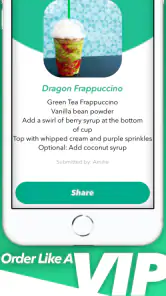
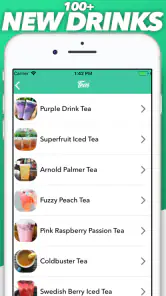


Analysis by Reviewed
I approached Secret Menu for Coffee Recipes as a small, focused food and drink app rather than as a full coffee-learning platform. Its appeal is simple: it is aimed at people who want to move beyond familiar orders and try unusual drink ideas without having to search through scattered posts or guess what to combine. After spending time with it, I think its value depends less on how often you drink coffee and more on how willing you are to experiment.
The app is free to install, carries an Everyone age rating, and is made by LibertyApk. It has reached over 10 thousand installs and holds a 4.5 average from around 290 ratings, which suggests a generally positive reception while still leaving room for a personal reality check. The current version is 1.6.5, and it runs on Android 5.0 or later. Those details make it accessible to people using older phones, although the experience itself is best judged by how useful its recipe collection feels in daily life.
How to Decide Whether Secret Menu Fits Your Coffee Routine
Start with the kind of coffee help you actually need
The first question is not whether you like coffee. It is whether you want inspiration. If your usual routine is a plain black coffee, a standard latte, or the same takeaway order every morning, this app can provide a gentle push toward something different. It is more interesting for discovery than for teaching fundamental brewing technique.
I would separate coffee apps into three broad groups. Some are built around brewing instructions, timing, and equipment. Others focus on café menus or ordering ideas. A third group, where this app belongs, is about creative combinations and less obvious drink concepts. Secret Menu for Coffee Recipes is most useful when the problem is, “What can I try next?” rather than, “Why does my extraction taste bitter?”
That distinction matters because a recipe discovery app can be enjoyable even when you already know how to make coffee, but it will not replace a dedicated guide for grind size, water temperature, espresso troubleshooting, or equipment maintenance. I would not install it expecting a complete barista course. I would install it as a source of prompts for home drinks and as a way to make a familiar coffee break feel less repetitive.
Think about your ingredients before you commit
Creative recipes often sound more useful when you imagine them in a café, where every syrup, topping, milk option, and garnish is already available. At home, the decision is more practical. Can you make the drink with what is in your kitchen, or will one recipe send you shopping for several ingredients you may use only once?
My most useful approach was to treat each recipe as a starting point rather than a strict shopping list. I would first identify the coffee base, then check whether the flavor additions were already available. If not, I would look for a simple substitute instead of abandoning the idea. This workflow keeps the app from turning a quick drink into an expensive project.
More From Our News Desk

Clash of Clans Is Won Between the Battles

Android Auto Makes the Case for Quieter Car Software

MobiOffice: Transforming Mobile Productivity with Seamless Integration

EA SPORTS FC™ Mobile Soccer: Redefining Mobile Sports Gaming

How Microsoft OneDrive Became a Mobile Productivity Giant

How Google Translate Breaks Language Barriers Effortlessly
There is also a useful difference between recipes for solo use and recipes for sharing. A complicated iced drink may be fun on a relaxed weekend, while a shorter preparation is better before work. The app makes more sense when you browse it at a calm moment, choose one or two ideas, and buy ingredients deliberately rather than opening it while already rushing out the door.
What I found most useful during everyday testing
A realistic use case is a Saturday afternoon when I have coffee, milk, ice, and one sweet ingredient available but do not want to make the same drink again. Instead of searching a general web browser, I can use the app to narrow my attention to coffee-based ideas. That saves the mental effort of deciding which search result is worth trusting and keeps the activity centered on the drink itself.
Another good moment is when friends visit and everyone wants something slightly different. One person may prefer a sweeter iced drink, another may want a richer coffee flavor, and someone else may simply want to see something unusual. A collection of creative recipes can turn preparation into part of the visit. I would still check the ingredients first, but the app is well suited to that kind of informal experimentation.
A less obvious use is keeping a small personal rotation. Rather than trying a new recipe every day, I would select a few that match my equipment and ingredients, then revisit them. This makes the app more practical. The benefit is not endless novelty; it is having a ready-made set of alternatives when the usual cup starts feeling dull.
Where the app wins against ordinary recipe searching
The strongest advantage is focus. A general search engine can find almost anything, but that freedom creates work. You have to filter out unrelated results, compare different versions, decide whether a recipe is actually coffee-centered, and often scroll past long introductions before reaching the useful part. Secret Menu for Coffee Recipes is designed around the narrower question of discovering unusual coffee drinks.
That narrow focus also makes it easier to browse for mood. I can approach it wanting something sweet, cold, rich, or simply different, without first constructing a perfect search phrase. For someone who enjoys menu-style discovery, this is more inviting than collecting random browser bookmarks.
The app also has a lower barrier than a physical coffee book. A book can be attractive, but it occupies space and may be slower to consult when I am standing in the kitchen. On a phone, the recipes are available during the moment of preparation. That convenience is especially helpful when I want to compare an idea with the ingredients already on hand.
Its real strength is turning coffee boredom into a small, manageable experiment. It does not need to transform the way I brew to be useful. A single good idea that becomes part of my regular rotation can justify returning to it.
Small habits that make the collection more useful
I recommend browsing before shopping, not after. If I open the app first, I can notice recurring ingredients and decide whether they are worth buying. This avoids the common mistake of purchasing several specialty additions for one attractive recipe and then leaving them unused.
I also prefer changing one variable at a time. If a recipe suggests a new flavor, unusual milk, and a different serving style, I would begin with the flavor while keeping the coffee preparation familiar. That makes it easier to understand what I like. If everything changes at once, a disappointing result tells me very little.
Another practical tip is to use recipes as proportions rather than laws. Home cups, ice levels, and coffee strengths vary. A drink that seems too sweet can often be adjusted by reducing the sweet element, while a weak iced coffee may need a stronger coffee base rather than more flavoring. The app is most helpful when I use its ideas with judgment instead of treating every instruction as universal.
Where other categories may fit better
If your priority is mastering espresso, this is not the first type of app I would choose. A brewing-focused resource is more appropriate for learning how dose, grind, water, and extraction affect the cup. Secret Menu for Coffee Recipes can suggest what to make after the coffee is ready, but it is not a substitute for technical brewing instruction.
If you mainly want nutritional control, a recipe collection may also be the wrong tool. Creative drinks can include sweet additions or rich ingredients, and I would want to calculate or adjust those choices myself rather than assume that an appealing recipe matches a particular dietary plan. People managing allergies or strict restrictions should inspect every ingredient and substitute carefully.
There are also situations where a general recipe platform is more convenient. If I am looking for breakfast, a dessert, a smoothie, and a coffee all in one place, a broader cooking service reduces the need to move between apps. Secret Menu is better when coffee is the center of the activity, not when it is just one small part of a large meal-planning routine.
For café ordering, the app may be inspirational but not definitive. A drink idea found at home may depend on ingredients or preparation that a particular café does not offer. I would use it to discover flavor combinations, then ask the café what can realistically be made. That is more reliable than assuming a creative recipe maps directly to a commercial menu.
Limitations I would consider before installing
The focused concept can become a limitation if you want depth, customization, or broader food content. A person who rarely experiments may browse once and then return to familiar drinks. The app is likely to deliver the most value to curious users who enjoy trying variations, not to someone seeking a one-time answer.
There is also a practical risk with any collection of creative recipes: the idea may be more exciting than the execution. A drink that looks appealing in a short description can require patience, suitable ingredients, or a taste preference that does not match mine. I would begin with low-effort recipes and treat more elaborate ideas as optional weekend projects.
The free entry point is helpful, but the app includes in-app purchases ranging from $4.99 to $99.99 per item. That is a broad range, so I would pay attention to the purchase screen and avoid assuming that every part of the experience is covered by the free installation. For casual users, this is an important part of the decision: the app can be sampled without an upfront purchase, but anyone considering paid content should decide how much recipe inspiration is genuinely worth to them.
I also would not confuse a high average rating with a guarantee that every recipe will suit my taste. The 4.5 average from around 290 ratings is encouraging, and the app has around 13 written reviews, but coffee preferences are unusually personal. Sweetness, bitterness, dairy choices, and serving temperature can change the result completely. I would treat the rating as a reason to explore, not as proof that every suggestion will work in my kitchen.
The cost of switching from familiar alternatives
Switching from ordinary web searches costs almost nothing financially, but it does change the way I browse. A search engine is broader and often better when I need a very specific ingredient substitution or a technique explanation. The app is more convenient when I want a concentrated stream of coffee ideas without assembling the search myself.
Switching from a physical recipe book is mainly about convenience and portability. The book may offer a calmer reading experience, while the phone is easier to keep nearby during preparation. If I already own a coffee book that covers creative drinks well, the app may feel supplementary rather than essential.
Switching from a brewing app is not really an either-or decision. The two categories solve different problems. I would use a technical brewing resource to improve the base coffee and this app to decide how to turn that base into a more playful drink. The trade-off is that adding another app creates another place to browse, so it is worth keeping only if its ideas actually enter my routine.
The operating-system requirement is friendly to older Android devices because it supports Android 5.0 and later. That lowers the hardware barrier, although I would still expect the experience to depend on the phone’s screen, speed, and general comfort. Since it is an Android app, iPhone users should check platform availability before planning around it; I would not assume that an Android-focused installation experience transfers directly to iOS.
Who should use it and who should skip it
I would recommend it to home coffee drinkers who enjoy novelty, people hosting informal gatherings, beginners who want approachable drink inspiration, and anyone tired of repeating the same iced or flavored coffee. It is also a sensible choice for someone who likes browsing recipes for ideas even when they do not follow them exactly.
I would be more cautious if you drink coffee only for caffeine, avoid sweet or flavored drinks, or need detailed nutritional and allergy information before preparing anything. The same applies if your main goal is espresso technique, manual brewing, or professional café training. In those cases, a specialized alternative is likely to be more useful from the first session.
I would also skip it if I am unwilling to improvise. Creative recipes are more rewarding when I can adjust sweetness, milk, ice, or toppings. Someone who wants a rigid, highly standardized method may prefer a technical recipe source with precise preparation guidance and fewer surprises.
My recommendation after weighing the trade-offs
Secret Menu for Coffee Recipes is a good fit when I want coffee inspiration rather than coffee theory. LibertyApk’s app keeps its purpose narrow, and that is exactly why it can be pleasant: I can open it with a drink in mind and leave with a new direction instead of a complete cooking project.
I would start with the free experience, try a few recipes using ingredients I already have, and only consider an in-app purchase after deciding that the collection has become part of my routine. I would not buy anything simply because the app has a strong average rating or because a recipe looks attractive in a preview. The useful test is whether I actually make and enjoy the drinks.
For me, Secret Menu for Coffee Recipes works best as a companion to normal coffee habits. It adds variety without demanding that I become a specialist, but it also does not replace a brewing guide, a nutrition-focused resource, or a broad meal-planning app. If your goal is to discover hidden-style coffee ideas and turn an ordinary break into a small creative ritual, I think it is worth trying. If you want technical precision or strict dietary control, choose a more specialized option instead.
The app was released on June 1, 2021, and its current version remains easy to approach for users on older Android devices. With a free starting point, an Everyone rating, and a clear food-and-drink focus, it is a low-risk experiment for curious coffee drinkers. My final advice is simple: install it when you want new possibilities, keep your expectations practical, and judge it by the recipes that earn a place in your real kitchen.
Secret Menu for Coffee Recipes Frequently Asked Questions
Is Secret Menu for Coffee Recipes available for Android, and what device version does it support?
Secret Menu for Coffee Recipes is an Android app in the Food & Drink category. It requires Android 5.0 or later, so checking your device’s operating system before downloading is a sensible first step. The app is designed around discovering creative coffee drinks and recipes, making it a potential fit for anyone who wants café-style inspiration on an Android phone or tablet.
What is Secret Menu for Coffee Recipes?
Secret Menu for Coffee Recipes is a recipe and inspiration app focused on customized coffee drinks. It brings together creative combinations based on popular café-style beverages, flavored syrups, toppings, milk choices, and preparation ideas. The app is useful for users who want to recreate interesting drinks at home, discover new flavor combinations, or find alternatives to ordering an expensive customized coffee.
Does Secret Menu for Coffee Recipes include recipes for beginners?
Yes, the app is suitable for beginners because many recipes are presented as simple drink combinations rather than complicated barista instructions. Users can usually follow the listed ingredients and preparation suggestions without specialized equipment. However, the exact result may depend on the coffee maker, syrup brands, milk type, and quantities available in your kitchen, so some experimentation may be needed to match café-style flavors.
Can I use Secret Menu for Coffee Recipes without a coffee machine?
In most cases, you can adapt the recipes for the equipment you already have. Depending on the drink, you may use instant coffee, brewed coffee, espresso from a capsule machine, or cold brew purchased from a store. Some recipes may taste closer to the original when prepared with espresso and frothed milk, but the app’s ideas can still be useful even if you only have a kettle, French press, or basic drip coffee maker.
Are the ingredients for the coffee recipes easy to find?
Most recipes rely on familiar ingredients such as coffee, milk, cream, chocolate, caramel, vanilla, cinnamon, and flavored syrups. These are generally available in supermarkets or online, although certain seasonal flavors, specialty toppings, or branded products may be harder to locate. Before preparing a recipe, it is worth checking the ingredient list carefully, especially if you have dietary restrictions or need dairy-free, sugar-free, or vegan alternatives.
Pros
- Offers a wide variety of coffee recipes for different tastes.
- Useful ingredient lists make it easier to prepare drinks at home.
- Simple browsing helps users discover recipes quickly.
- Includes creative secret-menu style drinks beyond standard coffee options.
- Works well as inspiration for experimenting with homemade beverages.
Cons
- Some recipes may require uncommon syrups or specialty ingredients.
- Instructions can vary in detail between different drink recipes.
- Not ideal for users seeking nutritional or calorie information.
- Recipe quality may depend on the accuracy of user-submitted content.
- Many drinks require espresso equipment or tools not everyone owns.
- Category
- Food & Drink
- Version
- 1.6.5