Relatio
- 373.00
- 4.4
- Installs
- 100.00K
- Price
- Free

Screenshots
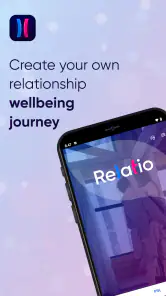
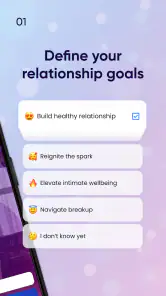
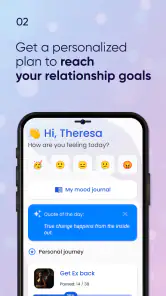
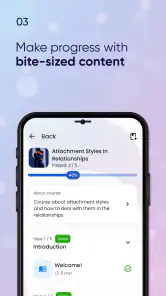
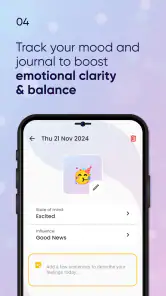


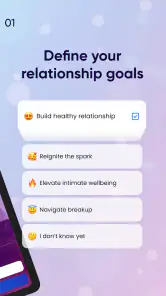
Analysis by Reviewed
I approached Relatio as a practical tool for improving communication and intimate wellbeing rather than as another app that simply tells people to “talk more.” Its focus is broad enough for singles and couples, but that flexibility also means the value depends heavily on how honestly and consistently you use it. After spending time with it, my view is that it works best as a gentle prompt for reflection and conversation, not as a replacement for therapy, a dating service, or a complete relationship solution.
The app sits in the lifestyle category and is developed by ARBINARE LIMITED. It is free to install, carries an Everyone age rating, and is available for devices running Android 7.0 or later. The basic entry point is easy to understand: you use a relationship and intimate-wellness platform to think about your needs, your communication habits, and the way you connect with another person. That makes it approachable for someone who wants guidance without committing immediately to a formal course or appointment.
What makes the decision interesting is that relationship apps are not all trying to solve the same problem. Some are built around dating and meeting new people, some around private journaling, and others around structured exercises for established couples. Relatio occupies the space between those categories. It can be useful when you want a shared starting point, but it may feel too general if you already know that you need a highly specialized resource.
How I would decide whether Relatio fits
My first decision criterion would be your actual goal. If you are single and trying to understand your preferences, boundaries, or patterns before entering a relationship, the app may give you a useful moment of pause. If you are in a couple and conversations keep circling around the same disagreement, prompts can help you approach the topic with less pressure. If you are looking for immediate dating matches, however, this is the wrong category of app to prioritize.
The second criterion is willingness to participate. A relationship tool cannot create openness when one person is determined to avoid the subject. I found the concept most helpful when both people treated the app as a neutral facilitator. That small change matters: instead of one partner presenting a complaint, both can respond to a prompt and compare perspectives. The app then becomes a shared activity rather than evidence brought into an argument.
I would also consider your preferred level of privacy. Intimate topics can be uncomfortable even in a well-designed digital setting. Before entering anything personal, I would read the app’s current privacy information and decide what I am comfortable recording or discussing. The fact that an app is designed for intimate wellness does not mean every user should share every detail. A cautious approach is sensible, especially when using a phone that other people can access.
Finally, think about whether you want something guided or open-ended. A blank notes app gives complete freedom, but that freedom can make it difficult to begin. Relatio’s appeal is the possibility of a more directed experience. The trade-off is that you may occasionally encounter a prompt that feels obvious, too broad, or poorly timed for your situation. I would not judge the whole app by one unhelpful question, but I would expect to skip anything that does not fit.
More From Our News Desk

Clash of Clans Is Won Between the Battles

Android Auto Makes the Case for Quieter Car Software

MobiOffice: Transforming Mobile Productivity with Seamless Integration

EA SPORTS FC™ Mobile Soccer: Redefining Mobile Sports Gaming

How Microsoft OneDrive Became a Mobile Productivity Giant

How Google Translate Breaks Language Barriers Effortlessly
A realistic evening use case
Imagine a couple who keeps having the same argument about time together. One person feels ignored; the other feels criticized after a long day. Sitting face to face and asking, “What is wrong with our relationship?” is likely to trigger defensiveness. A more useful routine would be to open Relatio when neither person is already angry, answer a relevant prompt separately, and then agree to discuss one response at a time.
The important detail is the order. I would not use it in the middle of an argument or force an immediate discussion after a difficult answer. I would write down the point that needs attention, take a break, and return to it when both people can listen. In this scenario, the app’s real contribution is not a magical answer; it is the structure that turns a vague complaint into a specific conversation.
For a single user, the same workflow can be adapted. You might use a prompt after a disappointing date to separate what actually happened from the assumptions you made afterward. That can be more constructive than repeatedly rereading messages or asking friends for a verdict. The app is especially relevant when you want to notice your own reactions before deciding what to do next.
Where the app has a meaningful advantage
Relatio’s strongest point is its middle position. It is more intentional than casual relationship content, but less intimidating than beginning with professional counseling. That makes it a reasonable first step for people who know that something in their communication could improve but are not ready for a formal intervention.
I also like the fact that its audience is not limited to couples who are already settled and comfortable. Singles can use a relationship-improvement platform for self-awareness, while couples can approach intimate wellbeing as an ongoing part of their connection rather than waiting for a crisis. That wider scope gives the app more flexibility than a tool designed around one relationship stage.
Another advantage is the low barrier to trying it. Since the app is free to install, a curious user can explore the initial experience before deciding whether it deserves a regular place in their routine. I would still pay attention to any premium prompts during use, but the free starting point makes experimentation less risky than committing to a paid program immediately.
The public response also suggests that the app has found an audience: it holds a 4.4 average from around 6.6 thousand ratings, with more than 100 thousand installs. Those figures do not guarantee that it will suit your personality, but they do make it less of an unknown experiment. I read them as evidence of interest rather than proof that every feature works equally well for every couple.
In practical terms, the app can win when the problem is avoidance. Many people do not need a complicated relationship system; they need a reason to raise a subject calmly. A guided prompt can lower the awkwardness of starting. It can also help partners discover that they disagree about expectations they had never clearly discussed, including affection, personal space, emotional support, or intimacy.
Three ways I would use it more effectively
My first tip is to create a short, repeatable routine instead of opening the app only when something feels wrong. For example, choose a quiet moment once a week, complete one activity or reflection, and discuss only what both people are ready to share. This prevents the app from becoming associated exclusively with conflict. It also gives you a better sense of whether the prompts are genuinely useful over time.
My second tip is to answer independently before comparing responses. If one person speaks first, the other may unconsciously adjust their answer to avoid tension. Separate responses preserve a little honesty. When you compare them, look for differences in interpretation rather than treating them as scores. A mismatch is not automatically a problem; it is often a topic that deserves a clearer conversation.
My third tip is to use the app as a bridge to an offline action. If a prompt reveals that one partner wants more quality time, do not stop at agreeing that the issue matters. Decide on a small, realistic change, such as protecting a phone-free conversation or planning an activity together. The app is more valuable when it changes behavior outside the screen.
A fourth, less obvious use is to set a stopping rule. Intimate conversations can become exhausting, especially when a prompt touches an old wound. I would agree in advance that either person can pause without being accused of avoiding the issue. That makes the exercise safer and prevents a supposedly helpful session from turning into a late-night confrontation.
Where a different category may be better
Relatio is not the best choice for someone whose main objective is meeting potential partners. A dating app is built around discovery, profiles, and contact with new people; this app’s purpose is relationship improvement and intimate wellness. Using it while expecting a stream of matches would lead to disappointment because the underlying job is different.
It may also be less suitable for someone who wants a private, completely unstructured journal. A notes app or dedicated diary gives you full control over the subject, tone, and organization. Relatio makes more sense when an external prompt helps you think. If you already have a reliable journaling practice and dislike guided questions, its structure may feel unnecessary.
Couples dealing with serious distress should be careful about treating any app as sufficient support. If there is fear, coercion, abuse, a safety concern, or a crisis, a prompt-based wellness tool is not the right substitute for qualified help and appropriate local services. Even in less severe situations, professional counseling may be a better fit when both partners cannot have a productive conversation without escalating.
There is also a personality trade-off. Some users will appreciate a gentle, accessible tone, while others may want rigorous explanations, detailed educational material, or a clearly staged program. I would choose a more specialized resource when the need is sexual-health education, clinical mental-health care, or a structured therapeutic plan. Relatio’s strength is accessibility, and accessibility sometimes means less depth than a dedicated specialist resource.
Understanding the paid boundary
The app is free to install, but in-app purchases range from $7.99 to $59.99 per item. That is the point at which I would slow down and evaluate the experience rather than subscribing or buying automatically. Use the free portion long enough to decide whether the prompts are relevant to your situation and whether you are likely to return to them.
I would also discuss a purchase with a partner before making it a shared routine. One person may see a premium feature as a worthwhile investment in communication, while the other may prefer free conversation or professional support. Agreeing on the purpose first avoids turning the app itself into another source of resentment.
The cost of switching is relatively low if you are only experimenting, but the emotional cost can be higher if you build expectations around a particular routine and then stop using it. To avoid that, keep your real progress in the conversations and habits you develop, not solely inside the app. If you leave later, the useful part should remain with you.
Version 1.39.5 indicates that the app is an actively maintained product rather than a forgotten download, but I would still check what changes after each update and review purchase details before confirming anything. App experiences can evolve, and a feature that feels central today may be adjusted later. Keeping your expectations flexible is sensible for any relationship platform.
My recommendation after weighing the alternatives
I would recommend Relatio to singles who want guided self-reflection and to couples who need a calmer way to begin conversations about connection and intimacy. It is particularly appealing if you are curious, willing to answer honestly, and looking for a lightweight routine rather than a clinical program. The free installation makes it reasonable to test without making an immediate financial commitment.
I would not recommend it as the only response to serious relationship harm, urgent emotional distress, or a need for professional diagnosis. I would also skip it if your priority is dating discovery or if you strongly prefer completely open-ended journaling. In those cases, another category will serve you better from the start.
My final judgment is positive but measured. Relatio is most useful when you treat it as a conversation starter with boundaries, not as an authority on your relationship. Its broad lifestyle approach, support for singles and couples, and accessible entry point give it a clear place among relationship tools. The best results will come from using one prompt at a time, protecting privacy, turning insights into small offline actions, and knowing when an app is not enough.
For me, the deciding question is simple: do you want help starting a better conversation? If the answer is yes, Relatio is worth trying before you spend money on a more demanding alternative. Just keep the app in its proper role. It can open a door, organize a thought, and make an awkward subject easier to approach, but the meaningful work still happens between people.
Relatio Frequently Asked Questions
How can I check whether Relatio is compatible with my phone?
Relatio is a Lifestyle app from ARBINARE LIMITED. Before downloading, check that your device meets the app’s minimum operating-system requirement and that the current version is available for your platform. Keeping your operating system and app updated can also help with compatibility. Relatio is currently version 1.39.5, so compare that with the version shown in your app store.
What is Relatio and what can I use it for?
Relatio is a relationship-focused app designed to help users better understand, organize, and improve their personal connections. Depending on the version available in your region, it may provide tools for communication, relationship tracking, reminders, reflections, or shared activities. Before downloading, review the store description carefully because features and supported relationship types can vary between Android and iOS releases.
Is Relatio suitable for couples, friends, or family relationships?
Relatio may be useful for more than romantic couples, as relationship-management tools can also support friendships, family connections, and other important personal relationships. However, the exact experience depends on the app’s current features and intended audience. Users should check whether the app supports individual use, shared accounts, invitations, or collaborative activities before expecting another person to participate.
Does Relatio require an account or an internet connection?
Relatio may require users to create an account so information can be synchronized, backed up, or accessed across devices. Some functions might work offline, while communication, cloud storage, notifications, or shared features generally need an active internet connection. Check the permissions and sign-up requirements shown during installation, especially if you prefer not to share personal information.
Is my personal and relationship information safe in Relatio?
Because relationship apps can involve private conversations, feelings, dates, notes, or personal preferences, privacy should be considered before use. Read Relatio’s privacy policy to learn what data is collected, how it is stored, whether information is shared with service providers, and how account deletion works. Avoid entering highly sensitive details unless you are comfortable with the app’s policies.
Pros
- Simple interface makes relationship tracking quick and easy.
- Personalized insights can help users recognize communication patterns.
- Useful reminders encourage consistent check-ins and thoughtful interactions.
- Private journaling features support reflection on relationship experiences.
- Works well for couples seeking structured conversations and connection goals.
Cons
- Some useful tools may require a paid subscription.
- The app may feel too structured for spontaneous relationships.
- Sensitive entries require careful review of the app’s privacy policy.
- Insights depend on regular
- honest input from both partners.
- Limited value for users who prefer traditional counseling or offline tools.
- Category
- Lifestyle
- Version
- 1.39.5