Scrambly: Play & Earn Rewards
- 10.84K
- 4.4
- Installs
- 1.00M
- Price
- Free
Screenshots
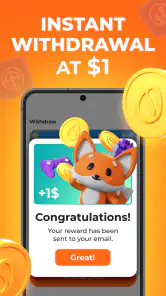
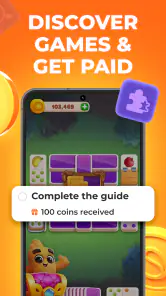
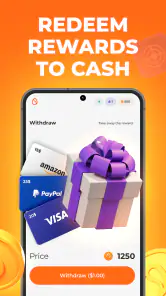


Analysis by Reviewed
I like to fit reward apps into the small gaps of a day, but I judge them by more than the promise of a payout. I want to know whether the screens are easy to follow, whether using them feels comfortable, and whether the routine suits the way I actually spend free time. Play & Earn Rewards - Scrambly is a lifestyle app from Scrambly built around playing games for rewards; its appeal is clearest when you treat it as a casual extra, not a dependable source of income.
Readable screens and a simple starting point
First things first, downloading the app is a breeze. It's available on both Android and iOS, so no one misses out. Once you fire it up, you'll find a super user-friendly interface that even my grandma could navigate without a hitch. The app’s vibrant colors and inviting design immediately set the stage for what’s to come.
In practical terms, I’d still take a moment to look around before settling into a game: identify where the available activities and reward information appear, then check the details for the option you plan to try. That small pause helps avoid playing on autopilot without understanding what a particular activity asks of you. Scrambly’s current version is 0.4.175, and it has a 4.4 average from around 75,000 ratings. Those figures offer a useful sense of its reach, but they can’t tell you whether its layout will suit your own eyes or preferences.
Playing comfortably in different situations
So, what's the deal with Scrambly? Essentially, it's a collection of fun, engaging games where you can earn points. The more you play, the more points you rack up. From puzzles to trivia, there's a little something for everyone. And trust me, these games can get pretty addictive in the best way possible.
Motor, sensory, and everyday access
Game variety matters for comfort as much as entertainment. A puzzle or trivia activity may suit someone who wants a slower pace, while another game may demand quicker reactions or more repeated tapping. I’d choose based on how my hands and attention feel that day rather than assume every activity is equally comfortable. If a screen feels tiring, switching games or taking a break is a better plan than pushing through just to chase points.
For a realistic use case, I can see opening Scrambly while waiting for a delayed bus, choosing an activity that fits the remaining time, and stopping when it arrives. At home, a longer session may make more sense, but I’d keep it separate from tasks that need concentration. Like other game-and-reward apps, it competes with ordinary mobile games that offer entertainment without a reward routine; those are a better fit if I want to play without tracking progress toward a cash-out.
Variety, rewards, and the trade-offs
What really caught my attention is the variety. It’s like having a mini arcade right in your pocket. Plus, the app continually updates with new games and challenges, keeping things fresh and exciting. The developers have done a stellar job ensuring there's never a dull moment.
More From Our News Desk

Clash of Clans Is Won Between the Battles

Android Auto Makes the Case for Quieter Car Software

MobiOffice: Transforming Mobile Productivity with Seamless Integration

EA SPORTS FC™ Mobile Soccer: Redefining Mobile Sports Gaming

How Microsoft OneDrive Became a Mobile Productivity Giant

How Google Translate Breaks Language Barriers Effortlessly
Now, this is the part everyone’s curious about: the rewards. Scrambly converts your game points into various gift cards and even PayPal cash. The process is straightforward and transparent, which is a huge relief. Just keep playing, collect those points, and watch them transform into tangible rewards. It’s almost like magic!
Before investing a lot of time, I’d check each activity’s requirements and the reward terms shown in the app, then decide whether the effort feels worthwhile to me. Reward offers can make play feel purposeful, but they also change the experience: I may find myself choosing an activity for its earning potential rather than because I genuinely enjoy it. That is the main trade-off compared with a standard mobile game. I wouldn’t rely on the app for bills or assume that every session will produce a meaningful return; I’d regard any reward as a modest bonus for time I was happy to spend anyway.
Social features and support
One of the app's highlights is its community feel. You can connect with other users, share tips, and even engage in friendly competitions. It’s not just about playing solo; it’s a social experience. Sometimes, it feels like a mini social network for gamers, which is pretty cool if you ask me.
Moreover, the support team is super responsive. Any issues or questions? They're just a message away, always ready to help. This level of support adds a layer of trust and reliability that makes the gaming experience all the more enjoyable.
If I had a question about qualifying for a reward or a redemption step, I’d check the in-app guidance and contact support rather than rely on another player’s description of their experience. That’s useful because reward apps can involve specific conditions, and a community tip may not match the offer currently shown to me. I’d also keep my expectations flexible: the social side can add company, but it is optional rather than the reason I’d install the app.
Who it suits, and where I’d draw the line
Scrambly is most appealing to casual players who already enjoy trying different games and are comfortable treating rewards as a side benefit. It may also suit someone who likes having a choice of activities for short breaks rather than committing to one long game. It is less suitable for anyone who needs predictable earnings, dislikes checking offer conditions, or finds frequent screen interaction uncomfortable. If accessibility needs make a particular game difficult, I’d stop or choose a different activity rather than assume the whole collection will work equally well.
The app is free, rated for Everyone, and has passed one million installs. It was released on November 13, 2023, and runs on Android 8.0 or later. I’d use those basics to decide whether it can run on my device, then judge the actual experience by the games and reward options available to me. Scrambly’s broad reach is encouraging, but it does not replace checking that the text, controls, and pace feel manageable in my own setting.
A measured recommendation
All in all, Play & Earn Rewards - Scrambly is a gem for anyone looking to make their game time more rewarding. It’s a seamless blend of fun and practicality, allowing you to enjoy light-hearted games while earning a little something on the side. Whether you're waiting for a bus or just chilling at home, Scrambly turns those spare moments into opportunities. So why not give it a shot? You might just find yourself hooked like I did.
My recommendation comes with one condition: I’d install it for the games and consider any reward a bonus, not the other way around. If the app’s pace, text, and controls suit you, it can be an enjoyable way to occupy spare moments. If you need a reliable income, want a consistently low-effort experience, or prefer games with no reward tracking, a conventional game is likely the better choice. Scrambly works best when I can enjoy it on my own terms and walk away whenever the play stops feeling worthwhile.
Making a short session count
I’d approach the first session as a test, not a commitment. Browse the available activities, open one that sounds enjoyable, and note what the offer asks you to do before investing a longer stretch of time. This gives you a practical answer to the question of whether the activity suits you: does it feel comfortable, is its goal clear, and would you still want to play if the reward were smaller than you hoped? That last question is a useful check against letting a points target take over your free time.
A small routine can make the reward side easier to judge. I’d pick one activity, give it a limited window, and then compare the time spent with the progress shown in the app. I wouldn’t treat that as a promise about what a later session will yield; it is simply a way to decide whether this particular offer is worth continuing for me. If the rules or progress are confusing, I’d pause and review them instead of repeating actions and hoping they count.
Choosing activities around your energy
One subtle advantage of having a selection is that I can match the game to the moment rather than force myself through a single format. When I’m tired, I’d favor an activity whose pace feels manageable; when I have more attention to spare, I can consider something more involved. That flexibility has limits, since the available options and their requirements can vary, but it gives me a reason to check the menu again instead of assuming every visit needs to look the same.
For someone with limited time or energy, the important distinction is between a game that is easy to start and one that is easy to stop. I’d avoid beginning an activity if I couldn’t comfortably finish its immediate task before needing to leave. A bus queue is ideal for a quick look or a short round, not necessarily for a goal that needs sustained attention. At home, I can give an activity more space, but setting my own stopping point helps keep the reward chase from stretching a casual break into an unwanted long session.
How it compares with other ways to play
Compared with a regular mobile game, Scrambly adds a reward-oriented layer and a reason to inspect each activity’s terms. That can be appealing if trying new games is already part of your downtime. The trade-off is that a conventional game usually lets me choose purely by taste, while here I may weigh an offer’s conditions alongside its entertainment value. If I want a focused story, a familiar game I already enjoy, or a session with no progress tracking, I’d choose that instead.
Compared with other reward apps, the meaningful question is not simply which one advertises the most attractive outcome. I’d look at whether its activities interest me, whether I can understand the requirements, and whether the reward options suit what I actually use. Scrambly’s game-centered approach is a better match for someone who wants play to be the main event. If I were only looking for a way to manage spending or earn through tasks unrelated to games, I’d compare services built around those habits rather than expect this one to cover every kind of reward activity.
Questions worth answering before you start
Can I use it without spending money? The app is free to download, but I’d still read the details attached to an activity and avoid treating a reward as guaranteed value. Free access does not mean every offer is automatically a good use of time; the sensible test is whether I would enjoy the activity and accept its requirements even if progress feels slow.
How do I know whether a reward can be claimed? I’d follow the current instructions and status shown inside the app, since the steps belong to the particular offer I choose. If anything seems unclear, the support channel is a better place to ask than assuming another player’s experience applies to my account. For the same reason, I’d wait until I understand the conditions before spending a long session on an activity.
Is it suitable for every player? The Everyone content rating is useful context, but it does not guarantee that every game will suit every age, ability, or preference. I’d choose activities based on the player’s comfort with the controls and the time involved. Someone who finds repeated tapping tiring, has difficulty reading a busy screen, or needs a predictable earning outcome may be happier with a different option.
Keeping the experience manageable
For readability, I’d make decisions from the activity descriptions and reward details rather than relying on memory after switching between games. If I’m using a smaller screen or viewing it outdoors, I’d take extra care to read the conditions before beginning; glare and interruptions can make it easy to miss a requirement. I can’t assume every screen will be equally legible in every setting, so taking a moment to check is a more reliable habit than rushing through.
Motor comfort deserves the same practical approach. If a game involves more tapping or quicker reactions than I enjoy, I’d leave it rather than trying to finish just because I have already started. The reward structure can create a feeling that stopping wastes progress, but my hands and attention matter more than a potential bonus. That is especially true during a break when I need to return to work, travel, or conversation without feeling strained.
I also wouldn’t use a reward app as background activity while doing something safety-sensitive or needing full attention. A quiet moment at home or a wait with no immediate demands is a more suitable setting than crossing a street, navigating a crowded place, or trying to follow a conversation. The practical benefit is not just fewer distractions; it makes it easier to understand what the game asks and make a fair choice about whether to continue.
An inclusive verdict
What I value most is the possibility of choosing a game that fits a particular mood, while keeping the freedom to stop when it no longer feels comfortable. That makes Scrambly more adaptable than a single fixed game for some casual players, but it does not remove the barriers that can come with small text, repeated input, time pressure, or reward conditions. I’d judge each activity on its own rather than assume that the overall app is accessible simply because it offers variety.
Scrambly is worth a try for people who enjoy casual mobile games, like exploring different activities, and can keep rewards in perspective. It is less convincing for anyone seeking reliable income, effortless accessibility across every game, or entertainment without a points-and-redemption layer. I’d start with one activity, read its requirements, and check whether the controls and pace feel right in the setting where I actually play. If they do, the app can make an ordinary wait a little more engaging; if they don’t, walking away is the better outcome.
Scrambly: Play & Earn Rewards Frequently Asked Questions
Does Scrambly offer more than word puzzles?
Scrambly is presented as an app for discovering games, earning rewards, and cashing out, so it is broader than a single word-puzzle game. You can explore the games and reward opportunities available within the app and decide whether they interest you. The experience is intended to combine entertainment with rewards, rather than simply provide a standalone puzzle collection.
Who develops Scrambly, and when was it released?
Scrambly is developed by Scrambly and was released on November 13, 2023. If you want to check that you have found the right app before downloading, look for that developer name and the app title on your platform. Its current version is 0.4.175, and the app is described as a way to discover games, earn rewards, and cash out.
Is Scrambly suitable for everyone, and what kind of app is it?
Scrambly is a free Lifestyle app from developer Scrambly, with an Everyone content rating. Its store summary describes discovering games, earning rewards, and cashing out, so it is aimed at people who want entertainment alongside reward opportunities. Before downloading, check that your device meets the minimum operating system requirement and consider whether this style of play and rewards app suits you.
What is Play & Earn Rewards - Scrambly?
Play & Earn Rewards - Scrambly is an engaging mobile application that combines the fun of playing word games with the opportunity to earn rewards. By solving word puzzles, players can accumulate points which can be redeemed for various rewards such as gift cards or discounts. This app is designed to provide both entertainment and tangible benefits to its users.
How do I earn rewards on Scrambly?
In Scrambly, rewards are earned by completing word puzzles and challenges. As you solve these puzzles, you collect points which can be accumulated over time. Once you gather enough points, you can redeem them for various rewards such as gift cards, vouchers, or other promotional offers. The more you play, the more you can earn.
Pros
- User-friendly interface for easy navigation
- Wide variety of rewards to choose from
- Earn rewards through simple tasks
- Regularly updated with new features
- Supports multiple payout options
Cons
- Limited availability in some regions
- Requires stable internet connection
- In-app ads can be intrusive
- Tasks can be time-consuming
- Payout thresholds can be high
- Category
- Lifestyle
- Version
- 0.4.175