Parfumo
- 72.00
- 4.6
- Installs
- 100.00K
- Price
- Free

Screenshots


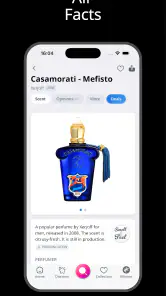
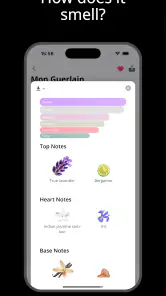
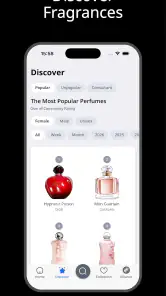
Analysis by Reviewed
I think fragrance apps are most useful when they help answer a practical question: “Will I actually enjoy wearing this, or am I just curious about the bottle?” Parfumo is built for exploring perfumes through information and community reviews, rather than simply shopping by brand or scrolling through a short list of popular scents. That makes it a worthwhile companion for curious newcomers and longtime fragrance fans, though it takes a little patience to get the best from it.
When fragrance research gets confusing
Perfume discovery can quickly become a maze. A familiar scent may have several versions, a name may be hard to remember, and descriptions such as “woody” or “fresh” do not always tell you what something will feel like on your skin. Parfumo, made by developer Parfumo, focuses on a substantial fragrance reference and user opinions, giving you more to investigate than a basic store page usually offers.
The library covers over 231,000 fragrances, which is a real strength if you are trying to identify an older bottle, compare releases, or look beyond the best-known designer names. The trade-off is that a large catalogue can feel demanding at first. If you arrive without a perfume name or a clear scent direction, the breadth may make choosing a starting point harder rather than easier.
I would treat the app as a research tool, not an instant recommendation machine. It is most useful when you have a question in mind: whether a fragrance sounds suitable for warm weather, how other people describe its character, or what to investigate after enjoying something similar. That approach keeps browsing purposeful and makes the catalogue feel manageable.
Finding a useful starting point
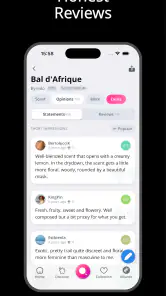
When I am exploring an unfamiliar scent, I first narrow the search to something I can recognize: a brand, a fragrance name, or a family of notes I already know I tend to enjoy. Then I read reviews for recurring impressions rather than treating one person’s verdict as decisive. If several reviewers describe a scent as heavy or especially sweet, that pattern is more helpful than a single enthusiastic rating.
There is an important limitation here: fragrance is personal. Skin, climate, application, and taste can all change how a perfume comes across. A review can help you decide whether a scent deserves attention, but it cannot guarantee that it will suit you. I would use Parfumo to build a shortlist, then sample in person where possible instead of buying a full bottle solely on the strength of online descriptions.
The app’s average rating is 4.6, based on around 1,400 ratings, and it has more than 100,000 installs. Those figures suggest that it has found an audience among fragrance enthusiasts, but they are not a substitute for judging whether its research-first style fits your own habits. For a quick answer about where to buy a perfume, a retailer may be more direct; for context about the scent itself, this app is the more relevant place to start.
Setup checks before you give up
Parfumo is free to install and is rated for Everyone. It is listed as released on October 31, 2017, and its current version is 5.7.2, with Android 8.0 as the minimum operating system requirement. If the app will not install or behaves poorly at launch, checking that your device meets that minimum and that the app is up to date is a sensible first step.
New users can make the experience easier by deciding what they want from the app before opening it. Are you trying to identify a perfume, compare a few candidates, or learn more about a scent you already own? Keeping one goal in mind helps avoid an unproductive browse through an enormous catalogue. I would also check that the name is spelled as it appears on the bottle; fragrance names and editions can be easy to mix up.
Some in-app purchases are offered, with items ranging from $0.99 to $28.99. You can begin without paying, so I would first explore the free experience and decide whether the app’s style suits you before considering any purchase. If a feature or purchase prompt appears, read what it covers on screen rather than assuming that every part of the catalogue requires payment.
A calmer workflow when research stalls
A common frustration with fragrance research is reaching a point where every description starts to sound alike. My practical workaround is to compare only a few perfumes at a time and write down the question each one is meant to answer. For instance, if you are deciding between two office-friendly options, focus on whether reviewers repeatedly call one of them strong, sweet, or more suited to evening wear. That is more useful than opening dozens of profiles without a plan.
If a search is not turning up the bottle you expect, try a brand name or a shorter part of the fragrance name before concluding that the app has no relevant entry. Also consider whether you might be looking at a different edition or concentration. This is a general catalogue-search habit, not a promise that every naming variation will resolve neatly; it simply reduces the chance of overlooking a listing because your first wording was too specific.
For an everyday example, imagine a friend mentions a perfume you have never smelled. I would look it up before meeting them, note the descriptions that appear consistently, and use those impressions to decide whether to ask for a sample. Later, after trying it, you can compare your own reaction with the reviews. That loop—research, sample, then reassess—turns the app into a learning aid rather than a source of unquestioned buying advice.
Another useful habit is to separate what you know from what you are guessing. A bottle’s appearance or brand reputation may shape expectations, but the fragrance itself can surprise you. Read the user commentary for concrete descriptions, and treat broad labels as clues rather than conclusions. This is especially helpful when a perfume has divided opinions: disagreement may mean that its character is distinctive, not that one side has misunderstood it.
When the problem may be outside the app
Not every disappointing result points to a technical issue. If a fragrance seems different from how reviewers describe it, your skin, surroundings, or personal preferences may be the reason. Try it on another occasion and give it time before deciding that either the perfume or the reviews are misleading. A scent that feels too intense in a warm room, for example, may come across differently outdoors or with lighter application.
If the app itself feels slow or refuses to behave, keep the troubleshooting modest: close and reopen it, check your connection, and make sure your device meets the operating-system requirement. If the difficulty persists, updating the app or restarting the device is a reasonable next check. These steps are useful general fixes, not a guarantee; persistent trouble may need help from the app’s support channel.
It is also worth distinguishing catalogue research from availability. Parfumo is centered on fragrance information and reviews, so it should not replace a retailer when your main question is current stock, delivery, or the best price. Likewise, a review community cannot verify how a particular bottle will smell on you. Knowing those boundaries prevents a good reference app from being asked to solve a different problem.
Who will get the most from it
I would recommend Parfumo to people who enjoy comparing scents, want more context before sampling, or are building a vocabulary for describing what they like. It can also help collectors revisit perfumes they have encountered and explore beyond familiar department-store counters. With 72 written reviews reflected in its store presence, the app has visible user feedback as well as its broad fragrance focus, though an individual scent’s review depth can naturally vary.
It is less suitable if you want a very simple “pick a perfume for me” experience, dislike reading opinions, or mainly need a fast purchase link. Beginners may also find the scale of the catalogue intimidating until they learn to search with a specific brand, scent, or question. In those cases, a guided quiz or a retailer’s curated selection could be a more comfortable first step, even if it offers less depth for research.
On balance, I see Parfumo as a useful companion for making better-informed fragrance choices, not as a replacement for smelling perfumes yourself. Its strongest value is the combination of a large reference library and community perspective; its main friction is that users need to bring some direction and judge opinions carefully. If you enjoy the detective work behind finding a scent, I would give it a try. If you only want a quick shopping shortcut, a more purchase-focused app will probably serve you better.
Parfumo Frequently Asked Questions
What is Parfumo, and what can I do with it?
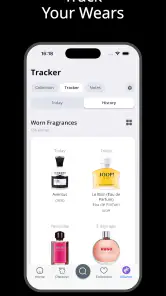
Parfumo is a community-focused fragrance database and perfume discovery service. You can look up fragrances, read user reviews, compare notes and accords, and explore recommendations based on your interests. It can also help you keep track of perfumes you own or want to try. The available tools and presentation may differ between the website and any mobile app, so check the current app listing before downloading.
Is Parfumo free to use?
Parfumo is generally accessible without a paid subscription, making it possible to browse fragrance information and community contributions at no cost. Some features may require an account, and the service’s pricing or membership options can change over time. Review the app’s store listing and any in-app purchase details before signing up, especially if you plan to use optional features or support the service financially.
Do I need an account to use Parfumo?
You may be able to browse fragrance pages and public reviews without creating an account, but signing in is typically useful for participating in the community and saving personal information. An account may let you manage lists, ratings, reviews, or fragrance-related preferences, depending on the features currently offered. Check the app’s privacy information and account settings before sharing personal details or posting publicly.
Can I trust Parfumo’s fragrance reviews and recommendations?
Parfumo’s reviews and recommendations are informed by its community, so they can offer useful perspectives on a fragrance’s scent, performance, and appeal. However, fragrance is highly subjective: skin chemistry, climate, application, and personal taste can all affect someone’s experience. Treat ratings and comments as guidance rather than a guarantee, and sample a perfume yourself when possible before buying a full bottle.
Is Parfumo available for Android and iOS, and does it work offline?
Availability can vary by country, device, and the current release, so search for Parfumo in the official Google Play Store or Apple App Store to confirm that an app is offered for your device. Do not assume every website feature is included in the mobile version. Offline access may also be limited; check the app description and test what remains available without an internet connection.
Pros
- Detailed fragrance database helps compare scents before buying.
- Community reviews offer useful perspectives from other perfume enthusiasts.
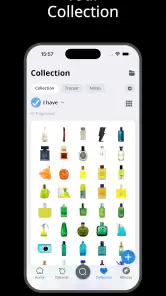
- Personal collection tools make it easier to track fragrances you own.
- Search and filtering help narrow down scents by notes and other criteria.
- Useful for discovering lesser-known perfumes and niche brands.
Cons
- The extensive database can feel overwhelming to newcomers.
- Some fragrance entries may have limited or missing information.
- Community ratings and reviews are subjective and can vary widely.
- Adding and organizing a large collection takes time.
- The experience is less useful if you prefer expert-only recommendations.

- Category
- Beauty
- Version
- 5.7.2