Paired: Couples & Relationship
- 5.08K
- 4.6
- Installs
- 1.00M
- Price
- Free

Screenshots




Analysis by Reviewed
I went into Paired expecting a light relationship quiz, but the app works better when I treat it as a small routine for starting conversations. It belongs to the lifestyle category and is built around prompts, quizzes, advice, and couple-focused games rather than endless scrolling or public discussion. That makes it most useful when two people want help talking, but do not want every conversation to feel like a serious relationship meeting.
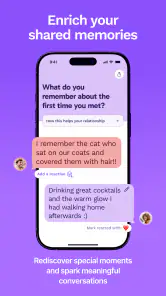
The basic idea is simple: open the app with your partner, answer something, compare responses, and use the result as a reason to talk. In my experience, that structure matters more than the individual questions. A prompt can be ordinary on its own, yet surprisingly useful when it exposes a different assumption about money, time together, affection, family, or conflict. The app gives the conversation a starting point, which is often the hardest part.
How Paired fits into a real couple’s routine
The developer is Paired - Relationship Advice & Quiz for Couples, and the app is clearly aimed at couples who want practical support for love or marriage. It is free to install, with optional in-app purchases ranging from $0.99 to $99.99 per item. I would think of the free entry as a way to test whether the format suits both people, rather than assuming every useful part will be available without payment.
Its audience is mature, reflected by the Mature 17+ content rating. That feels appropriate because relationship prompts can move beyond playful romance into personal, emotional, or adult subjects. I would not hand it to a young teenager looking for a general friendship quiz. It is designed for people who are comfortable discussing private parts of a relationship and deciding together how far a question should go.
The app has reached over a million installs, with a 4.6 average from roughly 63 thousand ratings and around 5.1 thousand written reviews. Those figures suggest it has found a substantial audience, but they should not be mistaken for proof that every couple will enjoy it. A relationship tool is unusually dependent on timing, trust, and whether both partners are willing to participate.
Shared answers are more valuable than quick scores
The strongest use case is not completing a quiz as quickly as possible. It is answering separately, then taking a few minutes to ask why each person chose a particular response. If I simply tap through the questions and glance at the result, the experience feels disposable. If I pause after an unexpected answer, the app becomes a prompt for a much more meaningful exchange.
That creates an important trade-off. Paired can open a door, but it cannot do the emotional work for you. It may help me say, “I had not realized you saw it that way,” yet it cannot guarantee that the next conversation will be calm or productive. Couples who expect automated advice to solve recurring conflict will probably be disappointed. Couples who want a gentle nudge to begin talking may find the format much more approachable than arranging a formal counseling session.
More From Our News Desk

Clash of Clans Is Won Between the Battles

Android Auto Makes the Case for Quieter Car Software

MobiOffice: Transforming Mobile Productivity with Seamless Integration

EA SPORTS FC™ Mobile Soccer: Redefining Mobile Sports Gaming

How Microsoft OneDrive Became a Mobile Productivity Giant

How Google Translate Breaks Language Barriers Effortlessly
Where connectivity changes the experience
Because the experience depends on loading questions, advice, and interactive material, a stable connection becomes part of the routine. I would use it at home before starting a planned conversation, or while sitting together somewhere with dependable mobile service. A weak signal can turn a relaxed activity into repeated waiting, especially when both people are already trying to stay focused on one another.
This is not necessarily a flaw unique to Paired, but it affects how I would plan to use it. I would not make an important date-night discussion depend on opening a new activity at the exact moment it begins. A better workflow is to launch the app beforehand, settle in, and avoid treating the phone as the center of attention. The app works best as a doorway into conversation, not as the entire evening.
Network interruptions also change the emotional rhythm. A thoughtful question can create a quiet moment, and that quiet is useful. A loading pause, by contrast, feels accidental and can break the mood. If connectivity is unreliable in your home or usual meeting place, a paper journal, a conversation-card deck, or a downloaded audio resource may be a better companion for planned discussions.
Using it on busy days and small screens
Paired makes the most sense in short mobile sessions. I can imagine using it after dinner, during a quiet coffee break, or while traveling with my partner, provided the phone is not competing with too many other demands. The compact format is helpful for couples who want a manageable activity instead of a long lesson. It is also easier to suggest “one question tonight” than to propose a major relationship exercise when both people are tired.
That convenience has a downside: phones invite distraction. Notifications, incoming messages, and the temptation to switch apps can make a shared exercise feel less shared. I recommend agreeing on a simple rule before opening it: one person reads, both answer, and neither immediately checks another app after responding. This small boundary makes the activity feel intentional rather than like two people sitting beside each other with separate screens.
For long-distance couples, the app can provide a useful structure for a call. One person can open a prompt, both answer aloud, and then continue with their own examples. Still, the quality of that experience depends on the call and connection around it. Paired is not a substitute for video calling, messaging, or a private conversation channel. It supplies material to discuss; it does not replace the communication method a couple already uses.
I also think about accessibility and comfort when using a phone together. If one partner dislikes typing on a small screen, reading questions aloud and answering verbally may work better than making the session feel like a form. If one person is driving, working, or handling childcare, the activity should wait. The value comes from mutual attention, not from completing a daily task at any cost.
What happens when a session goes wrong?
Not every question will land well. A prompt may feel too personal for the moment, or one partner may interpret an answer as criticism. My advice is to treat the question as optional. Skipping an uncomfortable topic is healthier than forcing a response merely because the app presented it. The best result is not a perfect completion streak; it is a conversation both people can leave feeling safe enough to continue.
There is also a practical recovery plan for technical problems. If content stops loading, I would first pause rather than repeatedly tapping. Check the connection, close and reopen the app if needed, and continue the discussion without waiting for the phone to rescue the moment. Keeping the question already on screen in mind, or writing a short note about the topic, prevents a temporary interruption from ending the whole session.
The app’s current version is 26.32.0, and it supports Android 7.1 or later. That broad operating-system reach makes it approachable for people who do not own a recent phone, although a compatible operating system does not guarantee that every device will feel equally smooth. If you are installing it on an older handset, I would test a short session before planning a special evening around it.
Recovery also matters emotionally. Suppose a quiz reveals that I answered differently from my partner on a sensitive subject. I should not use the result as evidence that one of us is wrong. Instead, I would ask what experience shaped the answer and whether the difference actually requires action. This is one of the app’s less obvious lessons: comparison is useful only when it leads to curiosity. Used as a scorecard, it can create unnecessary tension.
Being thoughtful with personal conversations
Relationship prompts naturally invite personal information, so I would use the app with the same care I use for any digital service involving private conversations. I would avoid entering details that identify other people, sharing screenshots without my partner’s permission, or treating a displayed answer as something to show friends for entertainment. The app may be casual in presentation, but the subjects can be intimate.
Data-conscious use also means deciding what should remain spoken rather than typed. If a question leads to a sensitive discussion, I prefer answering aloud and keeping the phone’s role limited to presenting the prompt. That reduces the temptation to build a permanent record of every vulnerable thought. It also keeps the focus on the couple instead of turning the session into documentation.
Another useful habit is to separate advice from authority. Paired can offer perspective and help me consider a new angle, but its guidance should not automatically outrank professional help, personal boundaries, or direct communication. If a relationship involves fear, coercion, abuse, or an urgent mental-health concern, a couples quiz is not the right tool. In those situations, seek qualified, appropriate support rather than trying to solve the problem through an app.
The purchase model deserves attention as well. Since the app is free with optional purchases, I would explore the initial experience together and decide in advance whether extra material is worth paying for. This avoids turning a vulnerable conversation into an unexpected spending discussion. It also gives both partners an equal say, which is especially important if one person controls the account used for purchases.
Who will appreciate Paired most?
I think it is a good fit for couples who care about each other but keep postponing meaningful conversations. It can help people in a new relationship learn how the other person thinks, while established couples may use it to refresh routines that have become predictable. Married partners, long-distance couples, and people trying to create a regular check-in can all find value if they approach the prompts as invitations rather than tests.
It is particularly useful for someone who knows a conversation is needed but does not know how to begin. Instead of opening with a vague “we should talk,” I can start with a concrete question and let the answer reveal what deserves attention. That lowers the pressure. The app is also a reasonable choice for couples who dislike formal worksheets but still want more structure than an unplanned talk.
I would skip it if my partner strongly dislikes relationship exercises, if either person is likely to weaponize different answers, or if the main need is clinical support. A therapist can adapt to context, ask follow-up questions, and notice patterns that a mobile app cannot. A simple deck of cards may be better for someone who wants zero screen time. A private journal may suit a person who needs to reflect alone before speaking.
Compared with ordinary messaging, Paired offers more intentional prompts and less pressure to invent a topic. Compared with social media, it is far less public in spirit and more focused on the relationship itself. Compared with counseling, it is lighter, cheaper to try, and easier to fit into a normal evening, but it lacks professional judgment and personalized intervention. That middle position is its real identity: a conversation aid, not a treatment plan or a replacement for shared life.
My practical way of using it
If I were introducing it to a partner, I would begin with a short session when neither of us was rushing. I would explain that there is no obligation to answer every question and that an unexpected response is a reason to ask a follow-up, not to argue. After each prompt, I would give both people time to answer before reacting. This prevents the faster or more confident speaker from shaping the other person’s response.
I would also avoid using it immediately after an argument. In that situation, even a neutral question can feel like a trap, and advice may be heard as judgment. A calmer day is better. Once the routine feels comfortable, a couple can use a prompt to revisit a topic later, when there is enough time to discuss practical changes rather than stopping at the emotional reaction.
One non-obvious benefit is that the app can reveal which subjects need a slower conversation. If answers repeatedly differ around schedules, affection, finances, or future plans, that pattern is more useful than any single result. I would note the topic privately, choose a suitable time, and discuss one issue without opening several more prompts. In that way, the app becomes a way to notice priorities rather than a machine for producing more content.
Another trade-off is frequency. Using it every day may make the activity feel like homework, especially for couples already managing busy routines. I would rather use it occasionally and give each question room to matter. The best schedule is the one both partners can sustain without resentment. A single honest conversation is worth more than a long run of rushed answers.
Connectivity verdict
Paired is most convincing when I use it as a connected starting point for an offline human conversation, without assuming the phone should remain involved the whole time. Its network-dependent material can be helpful, but interruptions and mobile distractions mean a little planning improves the experience. Open it where the connection is dependable, choose a calm moment, and be ready to continue talking even if the screen stops being useful.
The app’s free starting point, mature focus, broad Android compatibility, and large user base make it easy to consider, while the optional purchases mean I would evaluate the value with my partner instead of buying impulsively. Its advice and quizzes can encourage openness, but they cannot replace patience, accountability, or professional care when those are needed.
My recommendation is therefore specific: try Paired if you want a friendly prompt to make relationship conversations more regular, especially when both people are willing to participate. Do not choose it as a cure for serious conflict, a substitute for therapy, or a reason to keep staring at your phone together. Used with that boundary, it is a thoughtful lifestyle app that can turn a quiet moment into a useful conversation.
Paired: Couples & Relationship Frequently Asked Questions
How much space does Paired need, and what should I check before installing?
Paired is a mobile Lifestyle app for couples, so it is worth checking that your phone or tablet has enough available storage and can install apps from its usual app store. Also make sure the device’s operating system meets the app’s minimum requirement. If you and your partner plan to use it together, both devices should be compatible so you can take part in shared activities.
Can Paired help if my partner and I are not in the same place?
Paired is designed for partners to use on their own devices, which can make it practical to answer questions or explore activities even when you are apart. Its prompts and quizzes can give you something specific to discuss, rather than relying on an in-person session. You will still need to communicate with each other about your responses, so the app works best when both partners are willing to participate.
Does Paired replace couples therapy or professional relationship advice?
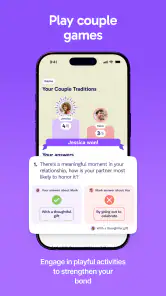
Paired offers guided questions, quizzes, activities, and relationship advice intended to support communication between partners. It can be a useful starting point for discussing everyday concerns, but it should not be treated as a substitute for couples therapy or professional help. If you are dealing with serious conflict, emotional distress, safety concerns, or mental-health issues, consider seeking support from a qualified professional.
What devices can I use Paired on?
Paired is a mobile app for Android and iOS, so each partner can use a compatible phone or tablet to take part. The current version is 26.32.0, and the minimum operating system listed for the app is 7.1. Before downloading, check that your device’s software meets that requirement and that both partners can access the app on their own devices.
Who develops Paired, and is it widely used?
Paired is developed by Paired - Relationship Advice & Quiz for Couples and is categorized as a Lifestyle app. It has an average rating of 4.6 from around 63,000 ratings, with about 5,100 written reviews and over one million installs. Those figures offer a sense of its reach, but it is still worth deciding whether its guided questions and shared activities suit the way you and your partner prefer to communicate.
Pros
- Daily questions encourage meaningful conversations and emotional openness.
- Personalized activities help couples build stronger communication habits.
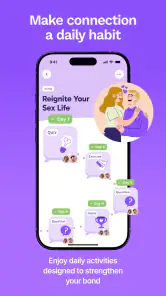
- Simple interface makes it easy to use together for a few minutes each day.
- Progress tracking can motivate couples to maintain regular relationship check-ins.
- Useful for long-distance couples who want a shared routine and connection.
Cons
- Many valuable questions and activities require a paid subscription.
- Some prompts may feel repetitive after extended daily use.
- The app may not suit couples who prefer spontaneous
- offline conversations.
- Relationship advice can feel generalized rather than tailored to complex situations.
- Both partners need consistent participation for the app to be effective.

- Category
- Lifestyle
- Version
- 26.32.0