Obedience: BDSM habit tracker
- 959.00
- 4.7
- Installs
- 500.00K
- Price
- Free

Screenshots
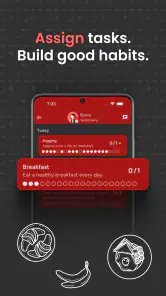


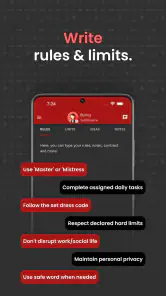
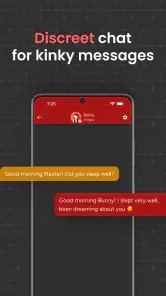
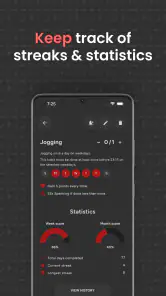

Analysis by Reviewed
I approached Obedience as a relationship-focused lifestyle app rather than a conventional habit tracker, and that distinction matters. Its purpose is to help couples turn agreed routines into something visible, shared, and easier to discuss. The BDSM framing gives those routines a particular context, but the underlying appeal is broader: two people can define expectations, record progress, connect rewards with consistency, and use accountability without relying entirely on memory or awkward reminders.
My overall view is positive, with one important condition: both people need to want this kind of structure. When it fits the relationship, the app can make small agreements feel more concrete and can give a couple a private framework for checking in. When one person is reluctant, or when the relationship needs a flexible conversation rather than a scorekeeping system, it can feel overly formal. That makes the app more specialized than its simple store summary suggests.
How Obedience turns shared routines into a relationship practice
The first thing I noticed is that the app is built around cooperation, not solitary self-improvement. In an ordinary habit app, I usually set a goal for myself, mark it complete, and move on. Here, the emotional meaning of the task can be part of the experience. A routine may represent trust, responsibility, service, communication, or a negotiated power dynamic between partners. That makes the same checkmark feel different from ticking off a personal fitness or hydration goal.
The developer is Obedience, and the app sits in the lifestyle category. It is free to start, which makes it reasonably easy to explore before deciding whether its approach suits you. The mature seventeen-plus rating is also an important signal. This is not presented as a general family habit tool; it is aimed at adults and at relationships where intimate or BDSM-related agreements may be part of the conversation.
In practical use, I found the strongest idea to be the connection between a task and its meaning. A couple can use a routine as a prompt for consistency, but also as a reason to talk about what they actually expect from each other. That second part is easy to overlook. The app cannot negotiate boundaries for you, and it cannot tell whether a task is fair. Its value begins after both people have already discussed consent, comfort, timing, and what happens when life gets in the way.
That is why I would not treat it as an authority or as a substitute for communication. I see it more as a shared notebook with structure. It gives a couple somewhere to put an agreement and observe how it works over time. If a routine repeatedly fails, that record can lead to a useful question: is the person being careless, or was the routine unrealistic from the start?
A realistic everyday use case
Imagine a couple who have agreed on a simple evening routine. One partner wants a short check-in before bed, while the other wants a consistent household task completed during the week. Instead of leaving both expectations in scattered messages, they can place them into a shared system and connect completion with an agreed reward. The useful result is not merely that a task gets marked done. The couple can see whether the arrangement fits their schedules and whether the reward still feels motivating rather than controlling.
More From Our News Desk

Clash of Clans Is Won Between the Battles

Android Auto Makes the Case for Quieter Car Software

MobiOffice: Transforming Mobile Productivity with Seamless Integration

EA SPORTS FC™ Mobile Soccer: Redefining Mobile Sports Gaming

How Microsoft OneDrive Became a Mobile Productivity Giant

How Google Translate Breaks Language Barriers Effortlessly
I think this workflow is particularly helpful for couples who live apart or have mismatched routines. Distance can make accountability vague: one person assumes the other remembered, while the other feels watched or nagged. A shared tracker gives the conversation a clearer object. You are discussing the routine, not repeatedly chasing the person.
There is also a quieter use case for couples who are experimenting with structure for the first time. Rather than introducing a large set of rules, I would begin with one or two low-pressure habits. Use them to learn how each person responds to reminders, missed tasks, and rewards. If the arrangement creates resentment, embarrassment, or anxiety, that is useful information and a reason to pause, not a reason to add more rules.
Where the app feels more thoughtful than a normal habit tracker
The most meaningful strength is its shared accountability. Standard habit apps are often designed around private streaks and personal motivation. They may be excellent for running, studying, or taking medication, but they do not naturally address the relationship layer. Obedience makes that layer central. The point is not simply to become more productive; it is to make a negotiated dynamic easier to maintain.
Rewards are another important part of the concept. In a normal productivity tool, a reward may be a badge, a streak, or a cheerful animation. In a couple-oriented app, the reward can have personal meaning because it is agreed between two people. That makes it potentially more motivating, but also more sensitive. A reward should remain something both partners genuinely accept. If it becomes a punishment disguised as motivation, the system has already moved in the wrong direction.
A useful technique is to separate routine completion from emotional approval. I would avoid treating every missed task as a failure of the relationship. Instead, use the tracker as a prompt to identify patterns. Was the task forgotten, impossible that day, or no longer wanted? Keeping that distinction clear prevents the app from turning ordinary scheduling problems into unnecessary conflict.
The app’s focused identity is also a strength. It does not try to be a broad wellness dashboard covering every part of life. That narrow purpose may make it easier for the right couple to create a shared language around habits and accountability. The trade-off is obvious: people looking for a general planner, a detailed fitness log, or a private self-care tracker may find the relationship-centered approach distracting.
Three practical ways I would use it
First, I would use a trial period with deliberately modest tasks. Choose habits that are easy to understand and easy to verify, such as a brief check-in or a clearly defined household responsibility. This reveals whether the couple enjoys the structure before more personal or demanding expectations are added.
Second, I would review the arrangement at a fixed moment rather than changing it every time someone misses a task. A weekly conversation can cover what worked, what felt intrusive, and whether the reward still feels positive. This turns the app into a feedback tool instead of a silent judge.
Third, I would keep an emergency exit in the relationship rules. Either partner should be able to pause the routine without having to earn permission through the tracker. The app can support accountability, but it should never remove the ability to say “not today,” especially when illness, stress, work, or a change in boundaries is involved.
These practices are not decorative extras. They address the main risk of any accountability system: a clear record can improve communication, but it can also be used to pressure someone. The software cannot distinguish healthy consensual structure from coercion. That judgment has to come from the people using it.
The friction and limitations I would take seriously
The biggest limitation is psychological rather than technical. The word “obedience” will feel appealing to some users and uncomfortable to others. Even within a consenting relationship, a task list can make intimacy feel administrative if it is introduced without care. Couples who prefer spontaneous dynamics may find the system takes too much of the mood out of the interaction.
There is also a risk of over-measuring. Once habits, rewards, and accountability are visible, it can be tempting to add more tasks or focus too heavily on completion. That can turn a playful or meaningful arrangement into a performance review. I would resist building a long list. A small number of well-defined habits is likely to be more useful than an impressive collection that nobody can maintain.
Another limitation is that the app depends on shared interpretation. A completed task may look clear on paper but still leave room for disagreement. What counts as “done”? What happens when a task is partly completed? Does a missed task trigger a conversation, a delayed reward, or nothing at all? Those decisions need to be made by the couple. If they are left vague, the tracker may create more arguments than clarity.
I would also be cautious about using it during a relationship crisis. When trust is already damaged, a tracker can become a tool for surveillance rather than rebuilding. In that situation, a direct conversation or professional support is more appropriate. The app is better suited to a relationship that already has enough trust to experiment with structure.
For users who mainly want a conventional habit experience, a broad productivity app may be a better choice. Those tools usually offer more neutral language and may fit individual goals more naturally. Obedience makes more sense when the shared relationship dynamic is the reason you want tracking in the first place.
Who will get the most from it
I would recommend it most to adult couples who have already discussed consent and want a practical way to maintain agreed routines. It may suit partners who enjoy clear expectations, playful accountability, or a negotiated power exchange. It can also help couples who struggle with vague promises and want to see whether a routine is actually working in daily life.
It is less suitable for someone looking for a private, solo habit tracker. The central idea depends on a couple’s interaction, so using it alone removes much of what makes the app distinctive. I would also suggest skipping it if the other partner is participating only because they feel pressured. No reward system can fix a lack of willingness.
The mature rating should guide expectations before installation. Adults who are comfortable with the subject may appreciate the focused design, while anyone wanting a neutral family, school, or workplace tool should choose something else. The same specialization that gives the app its identity makes it a poor fit for ordinary household planning without the relationship context.
Its audience size suggests that the concept has found a real community: the app has passed half a million installs, carries a 4.7 average from around five thousand six hundred ratings, and has nearly a thousand written reviews. Those figures do not guarantee that every couple will enjoy it, but they do indicate that this is more than an obscure experiment. I would still judge it by compatibility, not popularity.
What to expect before paying
The app is free, which lowers the barrier to trying its basic approach. There are in-app purchases ranging from $6.99 to $29.99 per item, so I would explore the free experience first and decide whether the shared workflow genuinely improves the relationship before spending money. The sensible question is not whether additional options sound appealing; it is whether the app has already helped you communicate more clearly.
The current version is 10.22.4, and it requires Android 7.0 or later. That makes checking device compatibility worthwhile before planning to use it with a partner. If one person cannot access the app comfortably, the shared system loses much of its convenience. I would also agree in advance on what happens if one partner is offline or simply does not want to engage with the tracker on a particular day.
One question many users will have is whether the app can replace reminders from a normal planner. In my view, it should not automatically replace them. A calendar is better for appointments and deadlines, while this app is more useful for relationship-specific routines and accountability. Using both can be more sensible than forcing one tool to handle every kind of commitment.
Another likely question is whether it can solve disagreements about expectations. It cannot. It can record the agreement you reach, but it cannot decide whether the agreement is reasonable or whether a missed task deserves a consequence. Treat the tracker as a shared reference point, not as an impartial referee.
Users may also wonder how to avoid making the experience feel repetitive. My suggestion is to vary the conversation around the habits rather than constantly adding new ones. Review whether the routine still has meaning, adjust the reward by mutual agreement, and occasionally remove tasks that have become automatic. A system that can shrink is healthier than one that only grows.
My final assessment
After looking at the app as both a habit tool and a relationship tool, I think its clear thesis is its greatest advantage: accountability works differently when it is part of a consensual dynamic between two adults. Obedience gives that dynamic a dedicated place to live, which is something generic productivity apps rarely provide.
Its weaknesses are equally clear. The focused language will not suit everyone, tracking can become emotionally heavy, and the app cannot provide the communication or consent that make this kind of practice safe and worthwhile. Couples who want spontaneity, privacy from shared systems, or a neutral productivity interface should probably choose another option.
For the right audience, though, I can see genuine value in starting small, defining every task carefully, and treating missed habits as conversation starters rather than moral failures. The best way to use Obedience is as a consent-led relationship aid, not as a control mechanism. With that mindset, its shared routines and rewards can strengthen accountability without replacing warmth, flexibility, or trust.
My recommendation is therefore specific rather than universal: try it if you and your partner actively want a structured BDSM or relationship habit system and are prepared to review the rules together. Skip it if you need a general-purpose planner or if one person is not fully comfortable participating. For couples in the first group, Obedience offers a distinctive, focused approach that is worth exploring carefully.
Obedience: BDSM habit tracker Frequently Asked Questions
Is Obedience: BDSM habit tracker free to download?
The app is free to download, with optional in-app purchases ranging from $6.99 to $29.99 per item. You can explore whether its habit-tracking approach suits you before deciding whether to make a purchase. As with any app involving personal routines, consider what features you want and review purchase details in the app store before confirming a transaction.
What age group is Obedience: BDSM habit tracker intended for?
Obedience: BDSM habit tracker is rated Mature 17+ and is intended for adults interested in consensual BDSM-themed routines and habit tracking. Its subject matter makes it unsuitable for minors. Adults should also consider their own comfort with the themes and whether tracking personal goals would feel supportive rather than pressuring before installing it.
What is Obedience: BDSM habit tracker designed for?
Obedience: BDSM habit tracker is designed to help consenting adults organize and monitor BDSM-related habits, routines, challenges, and personal goals. It can be used for private self-discipline, submissive training, or agreed activities between partners. The app is best understood as a tracking and reflection tool rather than a replacement for communication, negotiation, education, or professional mental-health advice.
Is Obedience: BDSM habit tracker safe for beginners?
The app may be useful for beginners because it can encourage structure and gradual progress, but it does not automatically make an activity safe. Users should begin with clearly understood, low-risk tasks, discuss boundaries and expectations with any partner, and establish safewords or other stop signals. Never continue an activity that causes pain, fear, injury, or emotional distress, even if it appears in a routine.
Can I use the app privately, and what information should I enter?
Because habit trackers may contain sensitive information about sexuality, relationships, routines, and personal reflections, privacy should be considered before entering details. Review the app’s permissions, account requirements, synchronization options, and privacy policy before use. Avoid recording identifying information or explicit details you would not want exposed, and secure your phone with a strong passcode or biometric protection.
Pros
- Private
- discreet design suits users tracking intimate personal habits.
- Flexible reminders help maintain consistency without requiring daily check-ins.
- Simple logging makes it quick to record completed tasks or routines.
- Useful for exploring consensual power-exchange habits at your own pace.
- Can support reflection by showing patterns in your obedience-related routines.
Cons
- Mature BDSM themes make it unsuitable for children or shared devices.
- Limited value if you want detailed relationship communication or scene planning tools.
- Habit tracking may feel too structured for spontaneous BDSM dynamics.
- Privacy depends partly on your phone security and notification settings.
- Some users may find repeated reminders uncomfortable or overly intrusive.
- Category
- Lifestyle
- Version
- 10.22.4