Niko - Video Chat, Share Fun
- 12.00
- 2.1
- Installs
- 1.00M
- Price
- Free

Screenshots

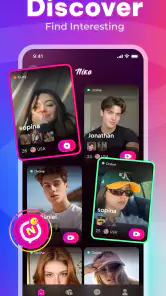



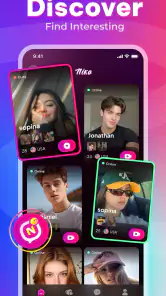


Analysis by Reviewed
I approached Niko - Video Chat, Share Fun as a social lifestyle app rather than as a polished replacement for every messaging service on my phone. Its central idea is easy to understand: discover people, exchange moments, and use video conversation as a more immediate way to connect. That makes it appealing when ordinary text messages feel too flat, especially if you enjoy meeting people outside your existing circle.
My overall impression is mixed. Niko has the kind of concept that can become useful when a community is active, but the current experience also asks for patience. The app is free to install, while optional purchases range from $0.99 to $99.99 per item, so I would not treat it as completely cost-free if you plan to use every available paid option. Its mature age rating also matters: this is not an app I would hand to a child or recommend casually without thinking about privacy, boundaries, and the kind of conversations that may occur.
How Niko feels in its current state
At its best, Niko gives social discovery a more personal tone than a conventional feed. A profile or message can feel distant, while a video chat creates a quicker sense of whether two people actually get along. I found that useful for short, low-pressure conversations where the goal is simply to share a moment rather than build a carefully edited online identity.
That strength comes with an important condition: a video-first social app depends heavily on the quality and activity of its user community. A beautifully arranged interface cannot compensate for poor matches, awkward conversations, or a slow response from the people you want to meet. I therefore judge Niko less like a single-player utility and more like a meeting place. Its value changes depending on who is available when you open it.
The product is listed in the lifestyle category and is developed by VIRTULINK TECHNOLOGY LIMITED. It has passed the early stage of attracting attention, with over one million installs, but its average rating is only around 2.1 from roughly 1.7 thousand ratings. I would not use that rating as a complete verdict, because social apps can receive criticism for moderation, matching, billing, or user behavior rather than for one simple technical fault. Still, it is a clear reason to approach the app carefully instead of assuming that popularity guarantees a smooth experience.
The store’s short label is simply “Niko,” while the full product name identifies the video-chat and sharing focus more clearly. That distinction is worth keeping in mind when searching for it, particularly because social applications can have similar names. The app is free to begin with, which makes a cautious trial reasonable, but I would avoid spending money until I understood how the community and paid elements worked for my own account.
A practical way to test it without overcommitting
My advice is to treat the first session as an evaluation period. Set up only the information you are comfortable sharing, look at how discovery works, and notice whether conversations feel natural or forced. Do not rush into paid interactions simply because the app presents an attractive profile or an invitation to continue chatting. A free starting point is valuable here because the most important question is not whether the app opens correctly; it is whether the people and communication style suit you.
More From Our News Desk

Clash of Clans Is Won Between the Battles

Android Auto Makes the Case for Quieter Car Software

MobiOffice: Transforming Mobile Productivity with Seamless Integration

EA SPORTS FC™ Mobile Soccer: Redefining Mobile Sports Gaming

How Microsoft OneDrive Became a Mobile Productivity Giant

How Google Translate Breaks Language Barriers Effortlessly
I would also decide in advance what kind of contact I want. Someone looking for casual conversation may enjoy the spontaneity, while someone seeking a tightly filtered professional network will probably find the experience too unpredictable. Defining that boundary before browsing helps prevent the app from turning into an endless stream of conversations that do not lead anywhere.
One useful habit is to move slowly from discovery to video. A profile can look appealing, but a short exchange in text can reveal whether the other person respects basic boundaries and communicates clearly. Video should feel like a choice, not an obligation. If someone pressures you to appear on camera, share personal details, or purchase something, I would end the interaction rather than trying to make it work.
What the current release tells me about its direction
The current version is 1.3.0, and the app was released on December 24, 2025. Those details place Niko in a relatively early period of its product life, so I see this release as a snapshot of a service that may still be finding its identity. That can be encouraging for users who like trying new social spaces, but it also means I would expect rough edges and would pay attention to future updates before making it part of my daily routine.
The release number alone does not prove that a particular feature has been improved, so I would not claim that version 1.3.0 solves every complaint reflected in the rating. What it does tell me is that the app has moved beyond its initial launch build. For existing users, that makes it worth checking whether the latest version feels more stable or easier to navigate than the one they first tried, while keeping expectations realistic.
The minimum operating-system requirement is Android 7.0, which makes the app accessible to people using older Android devices. That is helpful if you keep a dependable but aging phone, although compatibility does not automatically mean the experience will be equally comfortable on every handset. Video communication can be more demanding than ordinary messaging, so an older device may still feel less convenient even when it can run the app.
In my view, the most important evolution to watch is not a cosmetic redesign. It is whether Niko becomes better at helping users find appropriate conversations and feel in control of them. Social discovery needs more than a large pool of profiles. It needs clear choices, sensible pacing, and enough control that users can decide when to respond, when to appear on camera, and when to leave an interaction.
How existing users may experience the changes
If you already use Niko, the move to a newer release is unlikely to change your habits by itself. The practical benefit will depend on whether the current build makes your usual path—opening the app, discovering people, starting a conversation, and sharing a moment—less frustrating. I would judge it through that complete journey rather than through isolated screens.
Existing users should also review their spending behavior after an update. Because the app includes optional purchases, a smoother interface can make paid choices easier to notice, but easier access is not the same as better value. I recommend deciding what you are willing to spend before beginning a session and checking each purchase carefully. In a social setting, it is easy to confuse emotional momentum with a genuine reason to pay.
Another change users may feel is social rather than technical. As more people join, discovery can become more varied, but it can also become less predictable. A larger audience may create more chances to find someone interesting while increasing the need to filter conversations yourself. I would rather see a smaller number of respectful interactions than a busy screen filled with contacts I do not trust.
For people returning after a break, I would take a few minutes to re-learn the current flow instead of assuming that old habits still apply. Check how you begin a video conversation, how you control what you share, and how you exit an unwanted exchange. These small checks are especially important in a mature-rated social app, where a user’s comfort depends as much on personal judgment as on the interface.
A realistic everyday scenario
Imagine finishing work and wanting company without arranging a formal call with friends. You open Niko, browse the available people, and find someone who seems interested in the same kind of relaxed conversation. Rather than immediately committing to a long video session, you exchange a few messages, decide whether the tone feels respectful, and then try a brief chat. If the conversation is enjoyable, you can continue; if it is awkward, you can leave without having invested an entire evening.
That scenario shows where the app can fit into daily life. It is not necessarily a replacement for a close friend, a family group, or a planned video meeting. It is more suitable for spontaneous social contact when you want a little human interaction and are comfortable with uncertainty. The trade-off is that the same spontaneity can produce conversations that go nowhere, so I would use it with a clear time limit.
A second useful workflow is to separate discovery from sharing. I would first decide what kind of moment I am willing to share publicly or with a new contact, then open the app. That prevents the excitement of finding someone interesting from making the decision for me. For example, a casual conversation may be fine, while revealing a workplace, exact location, or personal routine may be too much.
Where it compares well with familiar alternatives
Compared with ordinary text messaging, Niko offers a faster way to judge tone and personality. Text is more convenient when you are busy, commuting, or communicating with someone you already know, but video can reduce the distance between strangers. I would choose Niko when immediacy matters and a standard messenger when reliability, privacy, and an established contact list matter more.
Compared with large social networks, the app’s narrower focus can feel less distracting. A general-purpose network often mixes news, public posts, advertising, and personal updates. Niko’s appeal is more direct: discover people and communicate. The downside is that a focused purpose does not guarantee better conversations. If the available community does not match your interests, a bigger network may still offer more useful ways to connect.
Compared with established video-calling tools, Niko is aimed at discovery rather than scheduled communication. Services built around contacts, meetings, or family calls are usually better when you already know whom you want to reach. Niko makes more sense when meeting someone new is part of the point. I would not use it for an important appointment, a work call, or a conversation that requires dependable coordination.
Compared with dating-oriented applications, Niko appears broader in its social purpose. That may be welcome if you want conversation without immediately framing every interaction as romance. At the same time, broader positioning can make intentions less obvious. I would communicate clearly and avoid assuming that another person wants the same kind of relationship or level of contact that I do.
The friction points I would take seriously
The low average rating is the most visible warning sign, even though the app has attracted substantial installation volume. I would interpret that combination as evidence of curiosity without proof of consistent satisfaction. Before recommending it strongly, I would want to see whether the experience becomes more dependable over time, especially around the parts of social apps that matter most: relevant discovery, respectful communication, and confidence in paid choices.
The mature rating is another practical limitation. Adults may appreciate having a space designed for more mature conversations, but the label should not be treated as a safety guarantee. I would still avoid sharing sensitive information, be careful with video, and remember that a profile does not establish trust. Anyone uncomfortable with unpredictable adult-oriented interactions should skip Niko.
Paid items create a second layer of friction. The range from $0.99 to $99.99 per item is wide enough that casual users should pay attention before confirming anything. I would use the free experience first, set a personal spending ceiling, and never buy something to keep another person interested. If the app only feels rewarding after repeated purchases, that is a sign that a different social option may suit you better.
There is also a basic emotional cost to discovery-based communication. Not every conversation will be reciprocal, and some people may disappear without explanation. That is normal in open social spaces, but it can still become tiring. Users who prefer predictable contact with known friends should probably stay with their existing messenger or video-call service.
Who should try it, and who should pass
I can see Niko working for adults who enjoy spontaneous conversations, are comfortable meeting unfamiliar people online, and want video to be part of the interaction rather than an occasional add-on. It may also suit someone who feels that text-only social apps make connection too slow or impersonal.
I would recommend skipping it if you need strict identity certainty, professional-grade reliability, or a tightly controlled contact list. It is also a poor fit for anyone who dislikes being visible on camera, feels pressured by social discovery, or is not prepared to manage optional spending carefully. Parents should not assume that the mature rating makes the app appropriate for younger users.
People with older Android phones can at least meet the operating-system requirement if their device runs Android 7.0 or later, but they should still consider how comfortable video interaction will be on their particular hardware. The app is free to start, so trying it briefly is more sensible than making a long-term judgment from the name alone. I would keep the first trial private, short, and free of unnecessary personal details.
What I would watch in future updates
For Niko to become an app I could recommend without reservations, I would watch for clearer evidence that the product is improving the quality of social interaction rather than simply expanding access to it. Better discovery controls, more confidence during video conversations, and straightforward handling of paid choices would make a bigger difference to me than extra visual decoration.
I would also look for signs that the developer, VIRTULINK TECHNOLOGY LIMITED, is responding to the concerns suggested by the current rating. A growing install base is useful only if people remain satisfied after trying the service. Future releases should ideally make the everyday path easier for both newcomers and returning users, while preserving the ability to leave conversations and control personal exposure.
My final view is cautious but not dismissive. Niko has a clear social use case, and its video-centered approach can make a new conversation feel more immediate than text alone. However, the modest rating, mature audience, uncertain community quality, and broad range of optional purchases mean I would recommend a measured trial rather than an enthusiastic commitment. Try the free experience first, protect your boundaries, and spend only if the actual conversations—not the promise of them—make the app worthwhile.
Niko - Video Chat, Share Fun Frequently Asked Questions
What devices and operating systems can run Niko - Video Chat, Share Fun?
Niko is available for Android and requires Android 7.0 or later. Before downloading, check the operating system version on your device and make sure you have enough available storage for the installation and app updates. The app is free to download, although optional in-app purchases may be offered after installation.
Is Niko - Video Chat, Share Fun suitable for younger users?
Niko is rated Mature 17+, so it is intended for adults rather than children. Its focus on meeting people and video-based conversations means users may encounter interactions or content that are not appropriate for younger audiences. Parents and guardians should consider the age rating before allowing access, and adult users should still use care when communicating with people they have just met.
What is Niko - Video Chat, Share Fun used for?
Niko - Video Chat, Share Fun is a social communication app designed for meeting people, starting conversations, and sharing enjoyable moments through video-based interactions. Depending on the available features in your region, you may be able to discover other users, send messages, join video chats, and build new connections. It is best suited to users who enjoy spontaneous conversations rather than a traditional text-only social network.
Is Niko - Video Chat, Share Fun free to download and use?
The app can generally be downloaded without an upfront purchase, but some functions may require in-app credits, subscriptions, or other paid options. Video communication and premium discovery features can sometimes be limited for free users. Before spending money, check the current pricing shown inside the app and review the subscription terms carefully, including renewal conditions and cancellation instructions.
Is Niko - Video Chat, Share Fun safe for meeting strangers online?
As with any video-chat platform, users should be cautious when interacting with people they do not know. Avoid sharing your address, phone number, passwords, financial information, or private documents. Use the app’s block and report tools if someone behaves suspiciously or makes you uncomfortable. Parents should also review the app’s age rating and supervise younger users, since online conversations cannot always be predicted.
Pros
- Simple interface makes starting video chats quick and easy.
- Supports spontaneous conversations with people from different backgrounds.
- Fun sharing features help keep chats engaging and interactive.
- Useful for meeting new people without needing an extensive profile.
- Works well for casual socializing during short free moments.
Cons
- Interactions with strangers may sometimes feel repetitive or unpredictable.
- A stable internet connection is needed for smooth video calls.
- Some features or interactions may be limited without in-app purchases.
- Privacy settings should be checked carefully before using video chat.
- Availability and quality of matches can vary depending on your location.

- Category
- Lifestyle
- Version
- 1.3.0