Nebuluxe
- 36.00
- 1.8
- Installs
- 100.00K
- Price
- Free

Screenshots

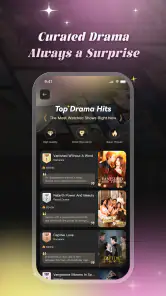


Analysis by Reviewed
I tried Nebuluxe as a quick entertainment stop rather than as a replacement for a full streaming service. That distinction matters. Its idea is simple: open the app when I have only a small pocket of free time, choose a bite-sized drama, and watch without committing to a long episode or an entire evening. The format feels suited to waiting rooms, short commutes, lunch breaks, or those few minutes before bed when I want a story but not a major viewing session.
The app comes from Longlife the King and is listed as free, with optional purchases ranging from $4.99 to $369.99 per item. It is aimed at Everyone, runs on Android 7.0 and later, and the current release is version 1.0.19. Those details make it accessible to a broad audience, but the payment range is important to keep in mind before treating the free download as a completely cost-free viewing experience.
How a short viewing session works from start to finish
Starting with a small amount of time
My first useful test was not opening Nebuluxe when I had plenty of time. I used it in the more realistic situation the format seems designed for: I had roughly ten minutes available and wanted something with a beginning strong enough to pull me in quickly. That is where the concept makes sense. A traditional drama often asks me to remember where I left off, wait through a long opening, and reserve enough time for a full episode. A short-form drama can fit around a fragmented day much more naturally.
The main question is therefore not whether it can replace Netflix, YouTube, or a conventional television app. It cannot serve the same purpose. The better question is whether a viewer who regularly has brief gaps in the day will enjoy receiving a story in small portions. For me, that was the clearest reason to try it. The app belongs in the same mental category as casual mobile entertainment, but it asks for more attention than scrolling through clips because the reward is supposed to come from following characters and situations.
The store presents it as an entertainment app, and that description is accurate without telling the whole story. Nebuluxe is not a tool for organizing a watchlist, discovering general video content, or catching up on mainstream television. Its identity is tied to short dramatic viewing. If I wanted documentaries, live content, long films, or a broad catalog of unrelated videos, I would choose a more established alternative instead.
Choosing what to watch without overthinking it
The first practical challenge with bite-sized content is selection. When I only have a few minutes, browsing can consume the time I meant to spend watching. My advice is to decide on a viewing intention before opening the app: do I want a quick emotional hook, a light distraction, or a continuing story? That small decision makes the experience less wasteful than repeatedly sampling titles without committing.
A useful habit is to treat the first few minutes as a trial rather than assuming every drama deserves a long chance. Short-form storytelling needs to establish its situation quickly, so a slow opening is more noticeable here than in a conventional series. If the premise does not interest me early, I would move on instead of forcing the choice simply because the content is short.
More From Our News Desk

Clash of Clans Is Won Between the Battles

Android Auto Makes the Case for Quieter Car Software

MobiOffice: Transforming Mobile Productivity with Seamless Integration

EA SPORTS FC™ Mobile Soccer: Redefining Mobile Sports Gaming

How Microsoft OneDrive Became a Mobile Productivity Giant

How Google Translate Breaks Language Barriers Effortlessly
This is also where Nebuluxe may appeal to people who dislike the pressure of a large streaming catalog. A huge service can offer more variety, but it can also turn a ten-minute break into a search session. A focused app can feel easier when the goal is simply to watch something immediately. The trade-off is obvious: less breadth can mean fewer chances of finding exactly the genre, tone, or production style I want.
Watching in fragments rather than sitting down for a full episode
The strongest use case I found is interrupted viewing. I can begin a dramatic thread, stop when my break ends, and return later without having sacrificed a full block of time. That makes it a practical companion for a daily routine where attention is divided between errands, messages, work, and travel. The app works best when I accept that the viewing experience will be modular rather than cinematic.
There is a subtle trade-off in that convenience. Short installments can create momentum, but they can also make the story feel more dependent on continuation. A viewer who prefers a complete narrative in one sitting may find the format unsatisfying. I personally found the format more effective when I had a clear stopping point available, rather than expecting each session to deliver the emotional closure of a film.
My tip is to use a simple stopping rule: finish a natural scene or pause after a meaningful development, not at the first moment the app becomes inconvenient. That gives the next session a better starting point. It also prevents the common problem of reopening an app later and wondering why the previous moment mattered.
What happens when viewing turns into a purchase decision
The free entry point lowers the risk of trying the service, but in-app purchases change how I evaluate it. The listed purchase range extends from $4.99 to $369.99 per item, which is a very wide gap. I would not make a purchase simply because a story has created a cliffhanger. Before paying, I would first decide whether I genuinely enjoy the format, whether I expect to return regularly, and whether the specific unlock feels worthwhile for my own viewing habits.
This is one of the most important handoffs in the experience: the app moves from casual entertainment into a spending decision. That transition deserves more attention than it usually receives in a quick mobile session. A free download can be ideal for testing the interface and tone, but it does not automatically mean every part of the viewing journey will remain free.
I recommend setting a personal limit before exploring paid options. That is especially sensible for viewers who are easily pulled along by cliffhangers or who tend to make small purchases repeatedly. The upper end of the listed range is substantial enough that I would treat any payment as a deliberate entertainment budget choice, not as an incidental add-on.
The handoff between sessions
Short dramas depend on continuity. The experience is not only about what happens while I am watching; it is also about how easily I can return after a pause. In a real routine, the handoff might happen when a bus arrives, a meeting begins, or a child needs attention. If I cannot quickly remember the characters or the immediate conflict, the convenience of short episodes loses some of its value.
For that reason, I found it helpful to keep my sessions focused on one story instead of jumping across several at once. That reduces mental switching and makes the next viewing period feel like a continuation rather than a fresh start. It is a small workflow change, but it is more useful than trying to consume everything the app presents.
This also explains who may not enjoy Nebuluxe. If you prefer to browse widely, compare many shows, and watch only when you can give a story uninterrupted attention, a normal streaming platform may be more comfortable. Nebuluxe is better suited to a viewer who values immediacy and flexible duration over a large, familiar catalog.
What the result feels like after a complete session
When the workflow goes well, the result is a compact dose of drama that fits into time I might otherwise spend idly scrolling. I do not need to plan an evening around it, and I can use a short break for something more structured than random social videos. That is the app’s clearest strength: it respects a fragmented schedule while still aiming to provide narrative entertainment.
The result is less convincing when I expect the depth or polish of a long-form production. A short format naturally has less room for slow character development, atmosphere, and complicated subplots. That is not automatically a flaw, but it changes the kind of satisfaction I should expect. I would recommend it to someone who enjoys quick dramatic turns, not to someone looking for a carefully paced prestige series.
Its audience size suggests that the concept has attracted attention: Nebuluxe has passed 100 thousand installs. However, the average rating is 1.8 from around 150 ratings, with roughly 40 written reviews. I would take that public response seriously. It does not erase the value of the short-drama idea, but it tells me that the practical experience has not worked equally well for many people.
Where the flow breaks down
The most obvious point of friction is the gap between the promise of quick entertainment and the patience required to navigate a mobile content service. If the app makes me spend too long deciding, waiting, or working out how access is divided between free and paid viewing, the short-session advantage weakens. A viewer with only a few spare minutes is less tolerant of uncertainty than someone settling in for a full program.
The rating also makes me cautious about recommending it without conditions. I would suggest trying it rather than committing emotionally or financially at the start. The free download gives a person a chance to see whether the storytelling rhythm, available choices, and viewing flow fit their habits. If the first sessions feel interrupted by access limitations or do not provide enough variety, I would stop there instead of trying to justify a purchase.
Another break occurs when the app is compared with ordinary video platforms on the wrong terms. YouTube is better for endless variety and short standalone clips. Major streaming services are better for established shows, films, profiles, and long viewing sessions. Nebuluxe has a narrower purpose, and that can be attractive, but only when the viewer actually wants serialized drama in small pieces.
Who should try it, and who should skip it
I would point Nebuluxe toward someone who often has five or ten minutes free, enjoys dramatic storytelling, and likes the idea of carrying a continuing plot through scattered parts of the day. It may also suit viewers who find full-length episodes too demanding after work but still want something more engaging than passive scrolling.
I would be more hesitant with families, even though the content rating is Everyone, because an age label does not tell me whether every story will match every household’s taste. I would also steer away viewers who dislike in-app purchase systems, who want a broad entertainment library, or who prefer to finish a complete episode without interruptions. For those people, a conventional free video platform or an established subscription service is likely to be a better fit.
My practical recommendation is to begin with a short, controlled trial. Use it during one ordinary break, follow one story rather than opening everything, and pay attention to how the app handles the transition from free viewing to optional purchases. If that workflow feels natural and the stories hold your attention, the app has a reasonable place in your entertainment routine. If the process feels like more effort than the available time allows, its central advantage disappears.
My final view after following the full workflow
Nebuluxe has a clear and useful idea: make dramatic entertainment fit into the small gaps that conventional television ignores. I like that focus, and I can imagine opening it while waiting for an appointment or winding down before sleep. The short format is not merely a smaller version of a streaming service; it changes how I plan, pause, and resume a story.
Still, the experience needs to be judged carefully. The low average rating, the broad range of optional purchase prices, and the natural limitations of bite-sized storytelling mean I would not recommend it as a universal entertainment app. The right way to approach Nebuluxe is as a cautious, free-first experiment. Try the workflow, see whether the handoffs between sessions feel smooth, and only then decide whether it deserves regular attention or spending.
For me, the app is most appealing when time is scarce and expectations are modest. It can turn a short idle moment into a small narrative break, but it is not the best choice for viewers seeking a deep catalog, long episodes, or a completely frictionless free experience. That makes it a specialized recommendation rather than an automatic one: worth testing for fans of quick dramas, but easy to skip if your usual viewing habits point toward broader or more settled alternatives.
Nebuluxe Frequently Asked Questions
How old do you need to be to use Nebuluxe?
Nebuluxe is rated for Everyone, so its stated age classification is suitable for a broad audience. Parents and guardians may still want to review the app’s content and settings before letting a child use it, especially if the device allows in-app purchases. Keeping purchase approval controls enabled can help prevent unexpected spending.
What does Nebuluxe offer for people who enjoy short dramas?
Nebuluxe is an entertainment app described as offering bite-sized dramas for people who are short on time. Its store summary presents the viewing experience as quick and designed to avoid dull stretches. If you enjoy short-form dramatic content, that focus may suit your routine; the app’s current presentation and available content are worth checking after installation.
What is Nebuluxe and what can I use it for?
Nebuluxe is an app designed around a visually immersive, futuristic experience, combining interactive content with a polished interface. Depending on the version available for your device, it may offer exploration, customization, entertainment, or community-focused features. Before downloading, check the official store description because functions, supported devices, and available content can vary between Android and iOS releases or change through updates.
Is Nebuluxe free to download and use?
Nebuluxe is free to download, but it offers in-app purchases ranging from $4.99 to $369.99 per item. A free installation does not necessarily mean every feature or section is accessible without payment, so review purchase details before buying anything. If you share a device with children, consider enabling purchase approval controls to reduce the chance of unintended charges.
Does Nebuluxe require an internet connection?
An internet connection may be necessary for downloading content, synchronizing data, receiving updates, accessing online features, or loading media within Nebuluxe. Some basic sections could work offline, but this depends on the current version and how the app handles cached information. Users with limited mobile data should preferably use Wi-Fi during installation and check whether background data usage can be restricted.
Pros
- Stylish neon visuals create a distinctive cyberpunk atmosphere.
- Simple controls make it easy to start playing without a long tutorial.
- Short sessions suit quick breaks and casual mobile gaming.
- The futuristic soundtrack complements the game’s visual style.
- Runs smoothly on many modern Android and iOS devices.
Cons
- Bright effects may be uncomfortable for players sensitive to flashing lights.
- Progression can feel repetitive after extended play sessions.
- Some features may require in-app purchases or additional unlocks.
- The interface may feel crowded on smaller phone screens.
- Battery use can increase during longer sessions with effects enabled.
- Category
- Entertainment
- Version
- 1.0.19