Melo App
- 0.00
- 0.0
- Installs
- 10.00K
- Price
- Free

Screenshots



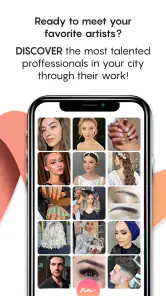
Analysis by Reviewed
Booking a beauty appointment can be surprisingly time-consuming. You may need to search through social media, message several professionals, explain where you live, compare available times, and then remember the appointment later. Melo App is built around a simpler idea: bringing personal beauty services into the home. After spending time with it, I see the appeal immediately, especially for people who value convenience more than browsing through endless salon choices.
What makes the app interesting is not that it tries to replace every beauty service marketplace. Its more focused purpose is to make at-home care easier to consider and arrange. That focus gives it a clear identity, but it also means its usefulness depends heavily on whether the available service fits your routine, location, expectations, and willingness to schedule regularly.
What the first week feels like
The first impression is straightforward. Melo App is a free beauty application developed by MeloKnows Bilgi Teknolojileri ve Reklam Hiz. A.Ş, and its central promise is easy to understand without much explanation. Instead of treating the salon as the default destination, it puts the home at the center of the appointment experience.
That change in setting matters more than it may sound. For someone with a busy workday, limited mobility, young children, or discomfort in crowded salons, an at-home appointment can remove several small obstacles at once. I can imagine using it after a long day when traveling across town for a manicure, hair service, or another personal-care appointment would feel like more effort than the treatment itself.
The app is also suitable for people who prefer planning beauty care around their own environment. You do not have to coordinate the appointment with a separate trip, and there is less pressure to leave home early, find parking, or wait in a shared reception area. That convenience is the strongest reason to try it during the first week.
Still, I would not install it expecting the same experience as browsing a large salon directory. Melo App is more useful when you already like the idea of receiving service at home. If you mainly want to compare dozens of venues, read extensive public reviews, or walk into a nearby salon whenever you feel like it, a traditional search platform may suit you better.
Who gets the quickest benefit
The best early use case is a planned appointment with a clear purpose. Imagine preparing for an event while working from home. Rather than losing part of the day traveling to a salon, you could arrange beauty care around your existing schedule and remain in familiar surroundings before and after the appointment. The value is not only the treatment; it is the time and energy saved around it.
Another useful scenario is routine care for someone who finds salon visits tiring or inconvenient. Home service can make the appointment feel more manageable because the user does not need to organize transportation or deal with an unfamiliar place. For this kind of user, the app may feel helpful from the first booking rather than merely interesting as a new download.
My practical advice is to begin with one service you already understand well. That gives you a clearer basis for judging the experience than trying several unfamiliar options at once. Before confirming anything, prepare the area where the service will take place and make sure the timing works for a professional arriving at your home. The app may simplify booking, but it cannot remove the need for a suitable, comfortable setup.
What to check before relying on it
At-home beauty care changes the preparation required from the customer. In a salon, the business controls the room, lighting, chair, surfaces, and general working conditions. At home, I would think about privacy, cleanliness, space, and whether the chosen area is practical for the service. That is an important trade-off that can be easy to overlook when the convenience sounds attractive.
I would also avoid treating the first successful appointment as proof that every future appointment will feel identical. Beauty services can vary according to the professional, the type of treatment, the complexity of the request, and how well the home environment supports the work. Melo App can help organize the service, but the customer still needs to communicate expectations clearly and allow enough time.
For new users, the most sensible first-week habit is to keep notes after the appointment. Record what you liked about the result, what preparation was necessary, and whether the timing worked with your day. That small record becomes useful when deciding whether the app deserves a regular place on your phone.
Does it keep earning space after the novelty fades?
Month-to-month value depends on repeatable routines
The long-term question is more demanding than the first impression: will I still open Melo App after the convenience feels familiar? My answer is that it can earn a lasting place, but mainly for users who have recurring beauty needs and genuinely prefer home visits. If I only wanted an occasional treatment, the app might remain installed but forgotten between appointments.
Recurring value comes from turning beauty care into a manageable routine. Instead of waiting until an event creates pressure, I could plan appointments around a personal schedule and avoid the usual last-minute search. That approach is particularly useful when the same type of service is needed repeatedly. The app becomes less about discovery and more about reducing the friction of arranging the next appointment.
There is also a useful psychological advantage to a familiar home routine. A salon visit can become a larger outing involving travel, weather, waiting, and other errands. An at-home appointment is easier to fit into a normal day. For some users, that difference may be enough to make them maintain their beauty routine more consistently rather than postponing it.
However, I would not call the app an automatic monthly essential for everyone. People who enjoy visiting salons, choosing a different professional each time, or combining beauty care with shopping and social plans may find the home format less rewarding. The app’s recurring value is strongest when convenience is the main goal, not when the appointment itself is meant to be an outing.
A better way to judge ongoing usefulness
After the first appointment, I would judge Melo App using three practical questions. Did arranging the service save meaningful effort? Did the home setting make the appointment more comfortable rather than more complicated? And would I willingly use the same approach again for a routine need? If the answer is yes to all three, the app has probably moved beyond novelty.
If the answer is mixed, I would not immediately uninstall it. Instead, I would treat it as an occasional tool for busy periods, special preparation, or days when leaving home is inconvenient. An app does not need to be used every week to be useful, but it should solve a recognizable problem when opened.
One non-obvious advantage of this approach is that it helps separate service quality from scheduling convenience. A good result may encourage repeat use, but a difficult booking experience or poorly timed appointment can still weaken the habit. Keeping those two judgments separate helps you decide whether the issue is with the service itself, the home setup, or the usefulness of the app in your routine.
The maintenance burden is low, but not zero
Melo App is free, which makes trying it relatively easy. It is available for users aged Everyone, and the current version is 16.45, with Android support from version 7.0 onward. Those details make it accessible to a broad range of Android users, including people who are not using a recent phone.
That said, installing an app is only the smallest part of maintaining a beauty routine. The real effort is remembering when care is needed, allowing enough time, preparing the room, and making sure the appointment fits around work or family responsibilities. Melo App can reduce the search and coordination burden, but it does not turn recurring care into a completely automatic process.
I would keep the app useful by opening it with a specific intention rather than browsing aimlessly. For example, I might check it when I know a particular appointment is due, when an event is approaching, or when travel to a salon would be inconvenient. This makes the app part of a decision-making routine instead of another source of passive scrolling.
Another maintenance issue is expectation management. At-home service sounds effortless, but the customer still has a role in making the visit work well. A tidy, usable space and a clear explanation of the desired result can prevent avoidable friction. If someone wants a highly spontaneous experience with no preparation, the home model may feel less convenient than expected.
Where user fatigue can appear
The first source of fatigue is repetition. If every appointment requires the same careful preparation, the convenience advantage may gradually shrink. This is especially true for people with small homes, unpredictable schedules, or limited privacy. The home setting is comfortable only when the customer can make it comfortable for the service.
A second source is the difference between wanting a beauty result and wanting a beauty experience. Some people enjoy the atmosphere of a salon, the separation from household responsibilities, and the feeling of being away from home for a while. For them, an appointment at home may save travel time but lose part of the pleasure they associate with self-care.
A third issue is the temptation to use convenience as a substitute for comparison. Because the app makes home service appealing, I would still think carefully about the treatment I want and the standard I expect. Convenience should not mean accepting an unsuitable appointment simply because it is easier to arrange.
There is also a practical fatigue that comes from trying to fit personal services into a shared home. If other people are working, studying, or relaxing nearby, the appointment may not feel as private as expected. In that situation, a professional salon can be the better choice even when it requires more travel.
How it compares with the usual alternatives
Compared with contacting professionals through social media or messaging apps, Melo App offers a more dedicated path for people specifically interested in home beauty services. The main benefit is focus: the user is not starting with a general internet search and then trying to determine whether someone travels to the home.
Compared with a conventional salon-booking platform, the difference is the service setting. A salon directory may offer more variety in locations and atmospheres, while Melo App is more appealing when the home itself is the preferred destination. Neither approach is universally better. The right choice depends on whether saving travel matters more than visiting a particular venue.
Compared with arranging care entirely by phone, an app can feel easier for users who prefer handling plans digitally and revisiting details at their own pace. On the other hand, a direct conversation may be preferable when the service is complex or when explaining personal requirements requires more back-and-forth. Melo App is most convincing for straightforward, repeatable needs where convenience has a clear advantage.
That comparison also explains who should skip it. I would look elsewhere if I needed a broad salon marketplace, immediate walk-in availability, a strong social atmosphere, or highly specialized consultation before booking. The app’s focused home-service concept is a strength, but that same focus limits its usefulness outside the situations it serves well.
My long-term verdict
After the initial appeal wears off, Melo App remains worthwhile for a specific kind of user: someone who wants beauty services delivered at home and has enough recurring need to build a habit around that convenience. It is not merely a novelty if it removes a real obstacle from your routine. For a busy professional, a caregiver, someone with mobility concerns, or anyone who dislikes spending extra time traveling to appointments, that can be a meaningful improvement.
For occasional users, I see it more as a practical backup than a permanent daily app. Keeping it available for demanding weeks or important events can still make sense, even if it is not opened regularly. The free price lowers the barrier to trying that role, while the Everyone content rating makes it broadly approachable.
The app’s strongest quality is its clear purpose. It does not need to convince me that every beauty appointment should happen at home. It only needs to make home service convenient enough that I choose it when the situation calls for it. Its main weakness is equally clear: the customer must be comfortable preparing the space, planning ahead, and accepting that the home environment may not provide the same experience as a salon.
My recommendation is simple: try Melo App if your biggest beauty-care problem is the time and effort around getting to an appointment. Start with a familiar service, assess the complete experience rather than only the final result, and decide whether the saved effort is enough to repeat the process. If home visits fit naturally into your life, this is the kind of focused beauty app that can remain useful long after the first-week curiosity disappears.
With over 10 thousand installs, Melo App is still a relatively focused service rather than an app I would expect everyone to need. That is not a criticism. In my view, its value comes from solving one particular problem well: making personal beauty care more compatible with life at home. For the right user, that is a strong reason to keep it installed.
Pros
- Simple interface makes browsing and playing music feel effortless.
- Personalized recommendations help users discover new songs and artists.
- Supports playlists for organizing favorite tracks and moods.
- Useful search tools make finding specific music quick and convenient.
- Smooth playback provides an enjoyable listening experience on compatible devices.
Cons
- Some features may require a paid subscription or in-app purchase.
- Music availability can vary depending on your country or region.
- Audio quality may depend heavily on your internet connection.
- Background playback or offline listening may have usage limitations.
- Frequent listeners may notice increased battery and mobile data consumption.

- Category
- Beauty
- Version
- 16.45