Meetup: Social Events & Groups
- 19.39K
- 4.0
- Installs
- 10.00M
- Price
- Free

Screenshots






Analysis by Reviewed
I tend to think of social apps as tools for starting a conversation, not substitutes for one. Meetup: Social Events & Groups is most useful when I want to turn a shared interest into a real plan: find a group, see what it is doing, and decide whether I want to show up. That makes it a different kind of social app from one built mainly around scrolling or keeping up with people I already know.
It is a social app developed by Meetup, and its central idea is practical: connect people through local groups and activities. I can see the appeal if I have moved, started a new hobby, or simply want a reason to leave the house and meet people beyond my usual circle. It is free to download, rated for Teen users, and has an average rating of around four stars from roughly 230,000 ratings. Its reach is substantial, with more than ten million installs, though popularity alone cannot tell me whether the events near me are active or a good fit.
Finding a reason to meet
Imagine I have a free Saturday and would like to try a walk with other people rather than plan another solo outing. I can look for a group that shares that interest, check what it has coming up, and decide whether the event suits my schedule. That is the useful shift: the app gives a conversation a destination. Instead of relying on a vague “we should get together,” people can gather around a specific activity.
Meetup can also suit someone who is interested in learning a skill, exploring a hobby, or meeting peers with a professional interest. I would not treat it as a guaranteed shortcut to close friendships, though. A group can create an opening, but the quality of the connection depends on the people who attend and whether the activity feels comfortable. I would start with an event that has a clear purpose and a manageable commitment, rather than signing up for several plans at once.
Discovering What Meetup is All About
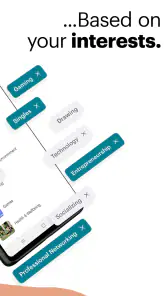
First things first, let’s talk about what the Meetup app does. Picture this: you’ve just moved to a new city, or maybe you’ve been itching to try something new, like pottery or hiking. How do you find like-minded folks? That’s where Meetup steps in. It’s an app that connects you to groups and events based on your interests. Whether you’re a budding chef, an aspiring yogi, or someone just looking to meet new people, there’s probably a group waiting for you.
The User Experience
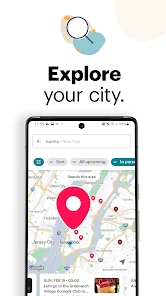
Now, onto the user experience. I have to say, navigating through the app is a breeze. The interface is clean and intuitive, which makes it super easy to find events that tickle your fancy. Simply enter your interests, and the app does the magic, pulling up a list of events and groups in your area. And guess what? You can even create your own events! So, if you’ve got a knack for organizing, this feature is a real gem.
Another thing I love about the app is how it helps break the ice. You can check out who’s attending an event and even chat with them before meeting up. It’s like having a sneak peek into your potential new friendships. Cool, right?
More From Our News Desk

Weather by Xiaomi Review: Clear at a Glance, Less Clear Up Close

X Under Pressure: Can It Recover When Posting Goes Wrong?

Clash of Clans Is Won Between the Battles

Android Auto Makes the Case for Quieter Car Software

MobiOffice: Transforming Mobile Productivity with Seamless Integration

EA SPORTS FC™ Mobile Soccer: Redefining Mobile Sports Gaming
When the conversation keeps moving
For me, the best way to use the pre-event conversation is to keep it specific and low-pressure. A quick question about where the group plans to meet or what to bring can make arrival feel less awkward. I would avoid treating a chat as proof of compatibility: a few messages are only a small preview, and the in-person activity is what shows whether I enjoy the group’s pace and style.
There is also a useful trade-off in how Meetup organizes social life. Compared with a general social network, where plans can get buried under posts and ongoing conversations, an event-centered group gives people a shared reason to talk. Compared with a messaging app, it is better for discovering people and activities but not necessarily the simplest place to maintain everyday conversations with friends. If I already have a group of friends and only need to coordinate a dinner, a regular group chat is likely easier.
Keeping attention and boundaries
Meetup can make it tempting to browse many possibilities, especially when several interests overlap. I find it more sensible to choose one event that genuinely fits my week, check its details before committing, and use my calendar to protect that time. Calendar integration can help keep an event visible alongside work and personal plans, but it does not decide whether the plan is realistic; I still need to leave room for travel, rest, and other responsibilities.
For a host, creating an event can turn a personal interest into a gathering, but organizing also means taking responsibility for clear expectations. I would make the activity, timing, and meeting point easy to understand, then avoid promising more than I can manage. As an attendee, I would check the event information and group context before going, and use the app’s community guidelines and reporting features if something feels wrong. Those tools are reassuring, but they cannot replace my own judgment about where I am comfortable meeting.
Why Meetup Stands Out
What really sets Meetup apart is its ability to foster genuine connections. In a world where digital interactions often feel superficial, Meetup offers a refreshing change. It encourages face-to-face meetups, which is invaluable in building real relationships. Plus, the diversity of groups is astonishing. From tech enthusiasts to poetry lovers, there’s something for everyone.
One cool feature is the calendar integration. You can sync events with your personal calendar, ensuring you never miss out on an opportunity to connect. And for those conscious about safety, Meetup has got you covered with their community guidelines and reporting features, ensuring a safe and welcoming environment for all users.
There are limits to that promise. A broad range of interests does not mean every neighborhood has an active group for every hobby, and an event that looks appealing online may not match my preferred atmosphere in person. I would use the group and event details to judge fit rather than assume that shared interest automatically means shared expectations. If local options are sparse, or I want a private, familiar gathering, asking people I already know or using a more direct event-planning tool may work better.
The app has been around since April 2011, and its current version is 2025.12.04.2721, with Android support starting at version 7.0. The core download is free, while optional in-app purchases range from about $5 to $345 per item. I would check the purchase screen carefully before paying and consider whether the features offered match how often I actually use the app; casual event browsing may not justify spending. That matters because Meetup is most valuable when the local groups and plans fit my life, not simply because I have installed it.
Choosing an event that fits real life
When I am comparing events, I would look beyond the activity name and ask what the plan actually demands of me. A casual walk and a full-day outing may share a keyword, but they ask for very different amounts of time, energy, and social commitment. I would check the description for practical details, note whether the plan leaves room for a beginner, and choose something I can attend without rushing from another obligation. That small bit of selection makes it easier to arrive relaxed rather than feeling I have already overcommitted.
A useful approach is to treat the first event as a trial, not a verdict on the whole app or on my ability to meet people. If the group is quiet, the activity is not quite right, or I leave without making a friend, that does not automatically mean the format has failed. I can decide whether I liked the structure and whether I would try a different group. This is especially helpful for people who are new to a city: one event can reveal what kinds of gatherings feel natural before they invest time in a recurring commitment.
Who benefits, and who may not
I think Meetup is strongest for people who are comfortable with a shared activity doing some of the social work. A beginner’s class, a walk, or a discussion group gives everyone something to focus on, so the entire burden of making conversation does not fall on one person. It can also be useful for someone returning to an old interest who wants company without having to recruit friends who may not share it. The event itself gives a clear reason to meet, while any friendship can grow at its own pace.
It is less suitable if I want guaranteed one-to-one introductions, a tightly curated dating experience, or a private space limited to people I already know. It is also not my first choice when I need to arrange a last-minute change with a familiar group; a direct message or group chat is more immediate. And if attending unfamiliar gatherings feels stressful, the app cannot remove that feeling. I would start with a structured, public activity and give myself permission to leave when the planned event is over rather than assuming I must stay and socialize indefinitely.
A practical rhythm for using it
Here is how I would fit it into an ordinary week: during a quiet moment, browse for one activity that genuinely interests me, read the details, and save the date only if I can make the timing work. Before the event, I would send one practical question if something is unclear, then stop checking the conversation unless a reply matters. On the day, I would use the calendar reminder as a prompt to prepare and travel, not as pressure to attend at all costs. This keeps discovery from becoming another feed I feel obliged to monitor.
Afterward, I would take a minute to decide what worked: Was the event easy to find and understand? Did the group make room for newcomers? Would I attend again, or would another activity suit me better? That reflection is more useful than measuring success by whether I made a close friend on the first try. It also helps me avoid collecting plans that look appealing online but do not fit my actual routines.
Final Thoughts
If you ask me, the Meetup: Social Events & Groups app is a game-changer for anyone looking to broaden their horizons. It’s not just about finding events; it’s about building a community and making lifelong friends. So, if you’ve been feeling a bit isolated or just want to try something new, give Meetup a whirl. You might just find your tribe.
My more measured recommendation is to treat it as a way to create opportunities, not a promise of instant belonging. It is a strong fit if I am willing to attend an activity, meet unfamiliar people, and let a connection develop over time. Someone who dislikes group settings, wants one-to-one matching, or expects a social feed to provide constant conversation may prefer another approach. I would begin with one well-described event, keep my plans and boundaries clear, and judge the app by the quality of that experience rather than by how many groups I can browse.
Meetup: Social Events & Groups Frequently Asked Questions
Can Meetup help me meet people if I’m new to an area?
Meetup is designed to connect people through shared interests and group activities, which can make it a useful way to find local communities when you are new to an area. You can look for groups and events related to hobbies, social activities, or networking, then choose ones that suit your interests. The experience depends on which communities are active near you.
Can I use Meetup to find both online and in-person activities?
Meetup centers on groups and events, so the format can depend on what an organizer arranges. When exploring an activity, read its event details to understand how it will take place and what participation involves. This helps you choose an option that matches your preferences, whether you are looking to connect remotely or meet people in person.
Is Meetup suitable for someone who wants to make friends rather than network?
Yes. Meetup is intended for people to connect around shared interests, and not every group is focused on professional networking. You can explore social communities and activities such as hiking or book clubs, then decide which atmosphere feels right for you. Choosing groups based on genuine interests can make it easier to start conversations and build connections naturally.
Can I leave a Meetup group or change my interests later?
Your interests and the groups you choose help shape the communities and activities you explore. If your preferences change, you can look for different topics and groups that better suit you. Before joining a group, consider its focus and event details so you can make an informed choice about where you want to participate and spend your time.
Do I need an account to browse Meetup groups and events?
An account lets you use Meetup’s social features, including joining groups, communicating with members, and taking part in events. Once you have set up your profile and chosen interests, you can explore communities and activities that may suit you. If you are considering downloading the app, think about whether you want to participate and connect with people, rather than only look at event listings.
Pros
- Wide variety of interest groups.
- User-friendly interface.
- Easy event creation.
- Location-based suggestions.
- Seamless communication tools.
Cons
- Limited free features.
- Event notifications can be overwhelming.
- Occasional app crashes.
- Requires internet connection.
- Group size restrictions.
- Category
- Social
- Version
- 2025.12.04.2721