Mediterranean Diet Beginner
- 5.00
- 2.8
- Installs
- 10.00K
- Price
- Free
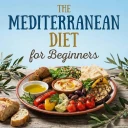
Screenshots
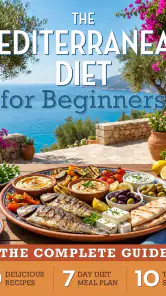
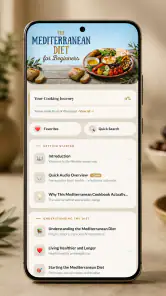
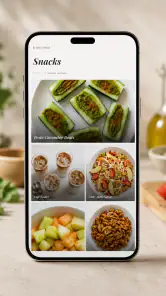

Analysis by Reviewed
I approached Mediterranean Diet Beginner as a practical food and drink app rather than a complete health program. Its central promise is simple: help a newcomer understand Mediterranean-style eating through recipes and guidance, with weight management and healthier habits as the broader aim. After spending time with it, I found that its most useful capability is not merely showing dishes. It is the way it gives a beginner a starting point for changing everyday meals without requiring a complete knowledge of nutrition first.
That distinction matters. Many recipe apps are excellent at producing attractive meal ideas, but they leave the user to work out why those meals belong together or how to turn them into a sustainable routine. This app tries to connect the recipe choice with the eating pattern behind it. I would describe it as a gentle introduction to Mediterranean eating, especially for someone who wants direction but does not want to begin with a complicated meal-planning system.
Learning the eating pattern through recipes
The app is made by Kevin Ton and sits in the Food & Drink category. It is free to install, suitable for Everyone, and the current version is 2.6.5.1. That makes it easy to try without treating the first download as a major commitment. There are also in-app purchases priced at $9.99 per item, so I would still check the purchase screen carefully before assuming every part of the experience is included at no cost.
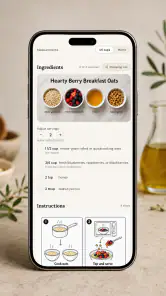
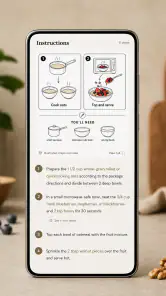
What I like about the main idea is that recipes can make an unfamiliar style of eating feel concrete. “Eat more vegetables, choose better fats, and include fish or legumes” can sound abstract when it is presented as general advice. A recipe gives those ideas somewhere to land. You can look at a meal and ask whether its ingredients are realistic for your kitchen, whether it would suit your schedule, and whether you would actually enjoy making it again.
For a beginner, that is more useful than a long list of rules. I do not need another app telling me that healthy eating is important. I need help deciding what to cook on a Wednesday evening when I am tired, what to keep available for a quick lunch, and how to avoid abandoning the plan after one inconvenient day. The app’s recipe-led approach is strongest when it turns the Mediterranean pattern into a series of small decisions.
The guidance also gives the recipes a little more context than a standalone collection would. I found that helpful because it encourages a change in habits rather than a short-lived attempt to copy a few dishes. The important question becomes less “Which recipe looks impressive?” and more “Which meal can become part of my normal week?” That is the point at which the app starts to feel like a beginner’s guide instead of a digital cookbook.
What the capability changes in everyday use
The practical effect is that I can begin with familiar foods and gradually adjust the balance of a meal. A person does not have to replace every ingredient or learn a new cooking vocabulary in one afternoon. The app’s value is in reducing the distance between a broad dietary idea and a meal that can be prepared at home.
More From Our News Desk

Clash of Clans Is Won Between the Battles

Android Auto Makes the Case for Quieter Car Software

MobiOffice: Transforming Mobile Productivity with Seamless Integration

EA SPORTS FC™ Mobile Soccer: Redefining Mobile Sports Gaming

How Microsoft OneDrive Became a Mobile Productivity Giant

How Google Translate Breaks Language Barriers Effortlessly
I would use it as a decision-making tool. Before shopping, I could browse for a few dishes that share ingredients, then build a short list around those choices. This is more efficient than saving random recipes from several places and discovering later that they require unrelated ingredients. Even when I do not follow a recipe exactly, it can suggest a direction for combining vegetables, grains, beans, herbs, fish, or other staples in a more balanced way.
One non-obvious advantage of this approach is that it can expose the difference between a meal that looks Mediterranean and a routine that actually follows the pattern. A single attractive dish does not create a sustainable diet. Repeating useful building blocks across several meals is what makes the change manageable. I found the app more valuable when I treated each recipe as part of a weekly rhythm instead of as a one-time project.
There is also a useful psychological benefit for people who dislike strict plans. The Mediterranean style is often easier to approach as a collection of priorities than as a rigid menu. That leaves room for personal taste and local availability. If a user expects a precise schedule, automatic calorie accounting, or a highly controlled program, this app may feel too open-ended. If the goal is to learn a flexible way of assembling meals, the openness is a strength.
A realistic weeknight test
Imagine arriving home after work with little energy and no desire to study nutrition. In that situation, I would not open the app expecting a complete medical consultation. I would use it earlier in the day, choose a recipe that fits the time I have, and shop for overlapping ingredients that can support another meal. The best result is not a perfect plate; it is avoiding the usual fallback of ordering something unrelated to the eating goal.
A helpful workflow is to choose one recipe for a busy evening, one for a more relaxed day, and one option that can provide leftovers. That creates variety without demanding that every meal be planned in detail. I would also note which ingredients are likely to spoil quickly and place those recipes earlier in the week. This small adjustment is easy to overlook, but it can decide whether a healthy intention becomes wasted food or a repeatable habit.
Another practical tip is to use the app as a learning reference before cooking, not only while standing at the counter. Reading the guidance first makes it easier to understand the purpose of the ingredients and identify sensible substitutions. If I wait until I am already hungry, I am more likely to skip steps, choose a less suitable replacement, or decide that the whole plan is too much work.
For someone cooking for a household, I would start with dishes that resemble foods everyone already accepts. Introducing the eating pattern through familiar textures and flavors is more realistic than presenting a dramatic menu that only one person enjoys. The app can provide the direction, but the user still has to make the final judgment about preferences, allergies, budget, and available time.
Where it differs from ordinary recipe apps
A general recipe app usually wins on breadth, search tools, and the sheer number of cuisines it covers. If I want a very specific dish, a complicated baking project, or an unusual ingredient, a broad recipe platform may be more capable. It may also be better for people who already understand Mediterranean eating and simply want a large searchable database.
Mediterranean Diet Beginner has a narrower purpose, and that focus is its reason to exist. It is less about collecting endless recipes and more about helping a person recognize a pattern. I prefer that focus when I am trying to improve how I eat rather than entertain myself with food browsing. The trade-off is that users who want extensive customization, detailed nutritional dashboards, or a powerful grocery-planning system may find a dedicated nutrition or meal-planning app more suitable.
It also differs from a strict diet tracker. A tracker is useful when the main goal is recording calories, nutrients, or daily compliance. This app is better suited to someone who needs ideas and orientation before tracking becomes meaningful. In my experience, that makes it a sensible first step for a beginner, but not necessarily the only tool required by someone managing a medically prescribed diet or a precise weight-loss target.
The rating is currently 2.8 from around ten ratings, with five written reviews, while the app has passed ten thousand installs. I would interpret that cautiously: there is enough public activity to show that people are trying it, but not enough feedback for me to treat the rating as a definitive verdict. My own impression is that the concept is useful, while the experience will depend heavily on how much structure and depth each reader expects from a beginner-focused guide.
The trade-offs I noticed before recommending it
The first limitation is that a recipe-centered introduction cannot solve every personal nutrition question. People with allergies, diabetes, kidney conditions, eating-disorder histories, or other health concerns should not treat general guidance as individualized medical advice. The app may help inspire meals, but it should not replace a qualified professional when food choices are tied to treatment or a specific clinical need.
The second trade-off is flexibility. I appreciate that a beginner can adapt the approach, but some users may interpret flexibility as a lack of direction. If you want a day-by-day schedule that tells you exactly what to eat and when, you may need another tool alongside this one. I would not choose it as my only resource for strict portion control or detailed progress measurement.
The third issue is the difference between discovering a recipe and building a habit. An app can make the first meal easier, but it cannot shop, chop, or protect your evening from unexpected changes. I found the best results came from using it with a small amount of preparation: checking ingredients in advance, selecting recipes that share staples, and keeping a backup meal for nights when cooking is unrealistic.
The free entry point is welcome, but the presence of $9.99 in-app items means I would pay attention to which material is available before making the app the center of a long-term routine. The purchase amount is not automatically unreasonable, especially if it unlocks useful guidance, but the value depends on whether the included content matches your needs. A user looking only for a few recipe ideas may not need to spend anything; a user wanting a fuller guide should evaluate the available purchase on its own merits.
I also would not recommend it to someone who wants restaurant discovery, delivery, professional culinary instruction, or a social cooking community. Those are different jobs. This app makes more sense when the user’s problem is “I want to start eating in this style, but I do not know how to turn the idea into ordinary meals.”
Who gains the most from this beginner focus
The strongest audience is someone standing at the beginning: a person who has heard about the Mediterranean approach, wants healthier meals, and needs a manageable entry point. It is particularly suitable for users who learn by seeing examples rather than reading nutrition theory. The recipes give the guidance a practical shape, and the free installation makes experimentation relatively easy.
It can also help a busy home cook who has good intentions but lacks a repeatable routine. The key is to use it selectively. I would not browse endlessly every night. I would choose a small group of recipes, identify shared ingredients, and decide which meals can be repeated or adapted. That workflow turns the app from passive reading material into a lightweight planning aid.
Families and couples may benefit if they treat the recipes as a starting point for negotiation rather than a rulebook. One person can adjust seasoning or add a preferred side while keeping the broader balance of the meal. This is an important strength of a flexible eating pattern: it can be adapted without making every person at the table follow an identical menu.
On the other hand, experienced Mediterranean cooks may find the beginner framing too basic. They may get more from a specialized cookbook, a broad recipe service, or a nutrition tracker that offers deeper control. Likewise, anyone seeking guaranteed weight-loss results should be cautious about expecting the app alone to deliver them. Health outcomes depend on many personal factors, and a recipe guide cannot promise a particular result.
The app runs on Android 7.0 or later, so it remains accessible to people using older compatible devices. It was released on June 11, 2022, and its Everyone age classification makes it appropriate as a general household food resource. Those details do not change the quality of the guidance, but they do make the app easy to consider for a wide range of Android users.
My recommendation after using it
I would recommend Mediterranean Diet Beginner to a friend who wants a calm, recipe-based introduction rather than an intense tracking program. Its best capability is helping the user connect the principles of Mediterranean eating with concrete meals, and that connection can make the first change feel less intimidating. The app is most effective when used before shopping and meal preparation, with the user building a modest weekly routine instead of chasing perfect compliance.
I would set expectations honestly. This is not the right choice if you require personalized medical advice, exact nutritional accounting, or a fully automated meal plan. It is also not a replacement for judgment about allergies, household preferences, cost, and time. The guidance becomes more useful when I treat it as a framework and make sensible adjustments rather than following every idea mechanically.
Overall, the app earns its place as a starting point because it focuses on the difficult part many beginners face: knowing what healthier eating should look like in a normal kitchen. Its modest rating and limited review volume suggest that I would try it personally before relying on it as my only food resource. Still, for a free Food & Drink app from Kevin Ton that aims to teach through recipes, I see a clear use case. If you need a practical first step, not a rigid diet dashboard, this is where the app makes the most sense.
Mediterranean Diet Beginner Frequently Asked Questions
Is Mediterranean Diet Beginner available for my phone, and what operating system does it need?
Mediterranean Diet Beginner is a food and drink app for Android users, and it requires Android 7.0 or later. Before downloading, check your device’s operating-system version and available storage so installation can proceed smoothly. The app is free to download, though some content may involve in-app purchases. If you use an iPhone or iPad, check the relevant app store for availability and compatibility before proceeding.
Who develops Mediterranean Diet Beginner, and is it suitable for all ages?
The app is developed by Kevin Ton and has an Everyone age rating, so its general food and nutrition content is intended for a broad audience. That does not mean every recipe or dietary suggestion will suit every person, particularly children with specific nutritional needs or anyone managing a health condition. Parents and caregivers should review meal suggestions and ingredients, and seek professional advice when a personalized diet is needed.
What is Mediterranean Diet Beginner, and who is it designed for?
Mediterranean Diet Beginner is an introductory app for people who want to learn the principles of Mediterranean-style eating and build healthier daily habits. It is especially useful for newcomers who need simple explanations, meal ideas, ingredient guidance, and practical structure rather than advanced nutrition theory. It can also help experienced users refresh their routine, although it should not replace individualized advice from a qualified healthcare professional.
What kind of content and features can I expect from the app?
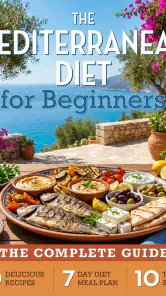
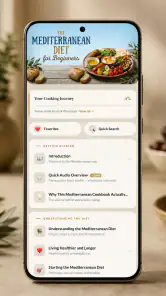
The app generally focuses on the foundations of the Mediterranean diet, including recommended foods, meal planning ideas, recipes, shopping guidance, and lifestyle suggestions. Its beginner-friendly format makes it easier to understand the role of vegetables, fruit, legumes, whole grains, fish, olive oil, nuts, and moderate portions of other foods. Before downloading, check the current store listing because available features, recipe collections, tracking tools, and subscription options may vary by version.
Can Mediterranean Diet Beginner help me lose weight?
The Mediterranean diet is often associated with balanced eating and may support weight management when combined with suitable portions, regular movement, and consistent habits. However, the app cannot guarantee a specific amount of weight loss, since results depend on factors such as age, activity level, health, and overall calorie intake. Treat its suggestions as general education, and consult a dietitian or doctor if you need a personalized weight-loss plan.
Pros
- Simple meal plans make Mediterranean eating easy for beginners.
- Includes familiar ingredients available in most supermarkets.
- Encourages healthy fats
- vegetables
- legumes
- and whole grains.
- Recipes can support better heart-health habits over time.
- Useful guidance for planning balanced meals and grocery shopping.
Cons
- Some recipes may require more preparation than expected.
- Portion guidance may be limited for specific weight-loss goals.
- Not ideal for users with food allergies without careful adjustments.
- Advanced nutrition tracking and calorie tools may be unavailable.
- Some features or meal plans may require an in-app purchase.
- Category
- Food & Drink
- Version
- 2.6.5.1