GESKE: German Beauty Tech
- 5.00
- 4.5
- Installs
- 10.00K
- Price
- Free

Screenshots



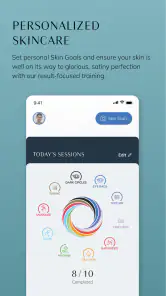

Analysis by Reviewed
I approached GESKE: German Beauty Tech as a daily skincare companion rather than a simple product catalogue. Its focus is beauty, but the more interesting question is how comfortably it fits into different routines, abilities, and environments. The app comes from GESKE Beauty Tech Inc., is free to use, and presents an AI-powered skincare routine as its central idea. In my experience, that makes it most useful when you want guidance that feels more personal than a shelf of generic beauty tips.
The app has a 4.5 average from around 99 ratings, with over 10K installs. Those figures suggest a modest but positive user base rather than a huge social platform. It is suitable for Everyone, which matches the approachable tone of the experience. The current release is version 2.4.5, and it works on operating systems from version 9 onward, so it remains accessible to many older phones as well as newer devices.
How the app feels to read, navigate, and use
A guided starting point instead of a crowded beauty database
What I liked first was the sense that the app is meant to lead me through skincare decisions instead of making me decode a long ingredient glossary. That distinction matters. Many beauty apps begin with product grids, promotional cards, or community posts. GESKE’s approach is more routine-oriented, so I can think in terms of what I want to do next rather than what I should buy first.
The AI angle is helpful when I am unsure how to turn general skincare advice into a repeatable habit. It gives the experience a more conversational direction than a static checklist. I would still treat its suggestions as guidance, not as medical advice or a diagnosis. Skin can react for reasons an app cannot fully understand, and anyone dealing with persistent irritation or a diagnosed condition should involve a qualified professional.
For readability, the most important advantage is the narrower purpose. I am not navigating an all-purpose wellness dashboard with exercise, nutrition, sleep, and beauty mixed together. The app stays connected to skincare, which reduces the mental effort of deciding where to begin. That is especially useful for someone who finds large lifestyle apps tiring or distracting.
Why simple navigation matters for different users
Skincare routines often fail because they are too complicated to maintain, not because people lack interest. A routine that requires several screens, repeated searches, and careful interpretation can become a burden after a long day. I found the idea of a guided flow more practical than an app that expects me to build everything manually from the beginning.
There is also a useful difference between reading a recommendation once and remembering how to act on it later. I would use the app while standing in the bathroom, with limited time and attention, then return to it when I need to check the next step. That makes clear labels and predictable movement through the routine more valuable than decorative presentation.
My main caution is that beauty interfaces often rely heavily on visual hierarchy. Large product images, color changes, icons, and polished cards can look attractive but may not communicate equally well to everyone. If you prefer plain text, very strong contrast, or a highly adjustable interface, I would test the app personally before committing to it as your only skincare tool.
Using it with a realistic morning routine
A realistic use case for me would be a rushed weekday morning. I might open the app after washing my face, check the routine it has suggested, and use that sequence to avoid applying products in a random order. The value is not that the phone replaces my judgement; it is that the app gives me an external prompt when my attention is divided between getting dressed, preparing breakfast, and leaving on time.
For someone with memory difficulties, the routine structure may be more useful than a notebook full of product names. For someone who is new to skincare, it can reduce the intimidating feeling that every online recommendation requires expert knowledge. On the other hand, if you already have a carefully established routine and know exactly what works for you, the app may add more checking than benefit.
Motor and sensory considerations during everyday use
Beauty apps are often used with wet hands, in bright bathrooms, or while moving between steps. That context changes what “easy to use” means. Even a well-organized screen can be awkward if I need to tap tiny controls while holding a cleanser, wearing glasses that are fogged, or trying not to touch the phone with damp fingers.
For that reason, I would prepare the routine before beginning rather than repeatedly reaching for the device during washing or treatment. This is a small but important workflow improvement: review the sequence first, place the phone somewhere stable, and then use the app as a reference instead of treating it like a live remote control. It reduces unnecessary taps and protects the phone from water.
People with limited dexterity may prefer to use the app while seated at a table, where the device can remain still and the hands are free. That also helps anyone who finds repeated scrolling uncomfortable. A routine that looks quick on screen can still be physically demanding if it requires constant swiping, holding the phone, or switching between the app and several products.
Sensory comfort is another consideration. Skincare already involves textures, smells, temperature changes, and sometimes facial devices. An app can organize information, but it cannot remove the sensory experience of the products themselves. If you are sensitive to fragrance, touch, or bright screens, I would use the app’s guidance as a planning layer and make the final choice based on your own tolerance.
Where AI guidance helps, and where I stay cautious
The strongest use of the AI-powered approach is personalization at the level of routine planning. It can make a beginner feel that the app is responding to a real concern rather than displaying a one-size-fits-all article. That is a meaningful improvement over searching the web every time I forget what a product is supposed to do.
Still, personalization should not be confused with certainty. Skin changes with weather, stress, medication, age, and product combinations. I would introduce suggestions gradually instead of changing everything at once. That gives me a better chance of noticing what helps or causes discomfort, and it prevents the app from turning a simple routine into an uncontrolled experiment.
One practical tip is to keep a small personal note outside the app about reactions and successful combinations. The app can guide the routine, while my own record captures details that are important to me. This is particularly useful for users who have allergies, recurring sensitivity, or difficulty remembering which product caused a problem.
Situational access beyond the bathroom
The app is not limited to one kind of user or one time of day. I can imagine using it while shopping, comparing a new skincare idea with what I already own, or preparing a routine before travelling. Travel is a good example because unfamiliar surroundings make it easier to skip steps. A compact digital guide can help me keep the order consistent without carrying printed instructions.
It may also suit someone who shares a bathroom or has a changing schedule. A routine stored on the phone is more private and portable than a note left beside the sink. That can be useful for students, shift workers, or anyone whose morning and evening patterns do not look the same every day.
At the same time, phone-based access is not universal. A person without a compatible smartphone, someone who keeps their device away from the bathroom, or a user with limited data access may find a paper routine or a simple reminder system more dependable. The app adds convenience, but it also makes the phone part of the skincare process.
I would also avoid assuming that every situation is suitable for looking at a screen. If I am commuting, walking, or handling a cosmetic device, the safer choice is to review the instructions beforehand. The app can support a routine, but it should not compete with attention needed for movement, hygiene, or safety.
How it compares with ordinary alternatives
The usual alternative is a mixture of search results, social media advice, product packaging, and personal trial and error. That method offers more variety, but it can be noisy and contradictory. GESKE’s advantage is focus: it attempts to turn skincare information into a guided personal routine rather than asking me to assemble a plan from unrelated sources.
A notes app is more flexible and may be better for users who already know their products. I can write exact instructions, add reminders, and record reactions without being guided by a beauty-specific system. A paper checklist is even more dependable in wet or low-battery situations. The trade-off is that neither option offers the same AI-centered skincare direction.
Beauty communities can provide personal experiences that an automated routine cannot, especially for unusual skin concerns or cultural preferences. However, community advice varies widely in quality. I see GESKE as a middle ground: more structured than casual browsing, but still something I would combine with personal observation and professional advice when the issue is serious.
Remaining barriers I would consider before installing
The first barrier is expectation. If you want a complete dermatologist consultation, the app is not the right substitute. Its beauty focus makes it appealing for routine building, but routine guidance has limits. Users with persistent redness, painful breakouts, suspected allergies, or other medical concerns should not rely on an app to settle those questions.
The second is tolerance for guided systems. Some people enjoy being led through a plan; others dislike any app that seems to tell them how to organize products. If you prefer full control, a simple note-taking app may feel faster. This is not a flaw for everyone, but it is an important difference in how the experience fits different personalities.
The third barrier is the physical setting. Bathroom use can involve glare, moisture, slippery hands, and limited space. I would not treat the phone as a device that belongs beside running water. Preparing the information in advance is both more comfortable and more sensible.
There is also a learning curve in deciding how much trust to place in recommendations. My best approach would be to start with one clear goal, follow the routine consistently, and observe the result before adding more complexity. That workflow makes the app less overwhelming and gives me a way to separate useful guidance from unnecessary product enthusiasm.
Who will get the most from it
I would recommend this app to beginners who want structure, people who struggle to maintain a skincare sequence, and users who enjoy technology that turns personal preferences into practical guidance. It can also help someone who has accumulated products but lacks a clear order for using them.
It is less suitable for experienced users with a fixed routine, people seeking clinical diagnosis, and anyone who strongly prefers offline, paper-based instructions. It may also frustrate users who need extensive control over text presentation, touch targets, or sensory settings. Since those needs vary from person to person, the sensible approach is to try the app during a calm routine rather than judging it in a rushed bathroom moment.
My inclusive verdict after using the routine approach
GESKE Beauty Tech Inc. has created a free beauty app with a clear purpose: help users approach skincare through an AI-powered routine rather than scattered advice. I appreciate that focus because it addresses a real everyday problem—knowing what to do next and remembering to do it consistently.
Its strongest inclusive quality is conceptual simplicity. A guided skincare path can reduce decision fatigue for beginners, people with busy schedules, and users who find open-ended product research exhausting. The app also works well as a portable reference for travel or changing routines.
Its limitations are equally important. A phone is not always comfortable in a bathroom, AI guidance is not medical expertise, and visual beauty design may not suit every sensory or reading preference. I would use it as a supportive layer, not as the sole authority over my skin.
My recommendation is positive, with realistic expectations. If you want a free, focused way to organize skincare and appreciate guided technology, it is worth trying. If you need maximum customization, clinical answers, or a completely screen-free routine, a written plan or professional consultation will serve you better. For me, the app’s best role is a calm starting point: something that makes skincare easier to begin without pretending that every person or every skin concern can be handled the same way.
Pros
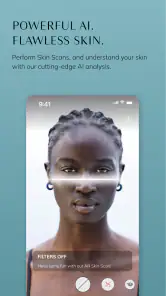
- AI-supported skin analysis helps personalize routines.
- Guided treatments make advanced skincare easier at home.
- Sleek
- modern devices fit comfortably into most routines.
- Progress tracking helps monitor changes over time.
- App offers clear instructions for using compatible devices.
Cons
- Many features require purchasing a separate GESKE device.
- Personalized recommendations may feel limited without regular scans.
- Results can vary depending on skin type and consistent use.
- Some advanced content may require an account or subscription.
- Device and app compatibility may differ across phone models.

- Category
- Beauty
- Version
- 2.4.5