Four | Buy Now, Pay Later
- 5.45K
- 4.4
- Installs
- 1.00M
- Price
- Free

Screenshots
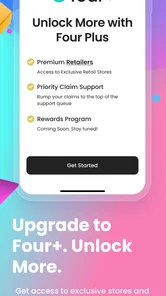
Analysis by Reviewed
I judge a pay-later app less by how tempting it makes a purchase and more by whether it helps me plan the bill without making spending feel invisible. Four | Buy Now, Pay Later is a finance app from Four Technologies, Inc, built around splitting an online purchase into four payments. It may suit someone who has a clear need and a reliable plan for paying, but it is not a substitute for budgeting or a reason to buy something unaffordable.
Start with the payment decision
Before choosing any buy-now-pay-later option, I’d ask whether I could cover the purchase in full if I had to, whether the future payment dates fit my budget, and whether I’m already managing other instalments. Those questions matter more than a quick checkout. A split payment can make a planned expense easier to schedule, but it can also make the total feel smaller than it is.
The app is free to download, carries an Everyone age rating, and has a 4.5 average from around 9,900 ratings. It has passed 500,000 installs, which suggests that this approach to shopping has found a sizeable audience. The rating is encouraging, though I wouldn’t treat popularity as proof that every purchase or repayment arrangement will suit me.
How Four fits into everyday shopping
Getting started is a breeze. Available on both Android and iOS, Four | Buy Now, Pay Later sets itself up with minimal fuss. Once you're in, the interface is clean and intuitive, making it easy for even the most tech-challenged among us to navigate. The app requires you to set up an account, which involves a few standard steps like inputting your email and setting up a password.
How it works—and what to check
So, what's the big deal about this app? Well, it offers a flexible way to buy the things you love without having to pay the entire amount upfront. You pick an item, purchase it through the app, and Four allows you to split the cost into four manageable payments. It's like having a mini-loan without all the bank drama. Plus, there are no hidden fees as long as you make your payments on time, which is a massive relief for anyone wary of over-the-top interest rates.
I’d still pause at checkout and read the payment terms carefully rather than relying on the word “manageable.” Check the amount due now, the remaining payment dates, and the consequences of a missed payment before committing. A useful habit is to note each instalment alongside rent, bills, and other scheduled expenses; a payment reminder can help, but it cannot decide whether the purchase fits your budget.
Where it can be convenient
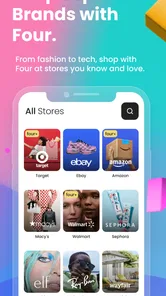
One feature I particularly enjoyed is the app's seamless integration with a variety of online stores. Whether you're shopping for clothes, gadgets, or home decor, Four has partnered with numerous retailers to ensure you can snag what you need without any hiccups. The payment reminders are also a neat touch, keeping you in the loop and ensuring you never miss a due date. It's like having a personal finance assistant that keeps track of your spending.
More From Our News Desk

 Bolt: Request a Ride
Bolt and the Shift from One-Tap Rides to More Legible Trips
Bolt shows how ride-hailing is shifting from a one-tap taxi request toward a more legible, choice-driven trip, while leaving the hardest questions of price and reliability unresolved.

 Farm Land - Farming life game
Farm Land Review: A Small Island Farm with a Satisfying Loop
A bright, breezy island farm turns a few quick chores into a satisfying cycle of planting, harvesting, expanding, and deciding what to build next.

 Android Auto
’s Community Takes Shape in the Passenger Seat
Its most valuable network is not a public feed but a shared set of routes, voice habits, app integrations, and advice that make driving less isolating—and sometimes more complicated.

 My Talking Angela
 Makes the Virtual Pet Feel Personal
A polished pet-raising game built on small rituals, playful customization, and a character who gives everyday screen time a surprisingly personal rhythm.

 Google Translate
 Review: A Pocket Tool for the Small Frictions of Travel
From menus and signs to quick conversations, Google Translate earns its place by cutting the little delays that make unfamiliar language feel like a barrier.

 Shazam: Find Music & Concerts
Shazam’s Best Trick Is Turning a Song Into a Night Out
A few seconds of recognition can settle an argument, rescue a half-remembered chorus, and point toward a live show. Shazam’s real trick is what happens after the match.
Latest News



A realistic use is replacing a household item that has broken just before payday. If I already know the replacement is necessary and can cover each scheduled payment, spreading the cost may make the timing less awkward. I would avoid using that same convenience to add extras to a basket: separating a purchase into instalments can make optional add-ons seem harmless, even though they still increase the total I owe.
Where other options may be better
Four is most useful when the retailer supports it and I want a clear, short instalment structure for a specific online purchase. A debit card or paying in full is simpler when I have the money available and want no future payment to track. A credit card may suit someone who already uses one responsibly and prefers to manage purchases through an existing account. For a larger expense that needs a longer repayment plan, I’d compare suitable borrowing options instead of assuming four payments will be comfortable.
The trade-off is that a pay-later checkout can be convenient but depends on keeping track of obligations after the shopping is done. If I use more than one service, I’d keep a single note or budget entry showing each provider, amount, and due date. That small step makes it easier to see the combined commitment and helps avoid treating each checkout as an isolated decision.
Experience, trust, and practical limits
In terms of user experience, the app runs smoothly without hiccups. I found the customer support to be responsive and helpful, which is always a plus when dealing with financial apps. They were quick to resolve any issues I had and provided clear guidance when I needed it.
Not to mention, the app’s security features are top-notch. In today’s digital world, knowing that your financial data is safe is crucial, and Four takes this seriously by employing advanced encryption methods to protect user information.
One practical limitation is that the value of any store-based payment option depends on whether it appears for the purchase I actually want to make. I’d check availability before building a shopping plan around it, and I’d keep another payment method ready in case the option is not offered at checkout. The current version is 1.17.25, and the app requires Android 6.0 or later, details worth checking against an older device before installing.
Changing habits without losing track
Switching from paying immediately to instalments changes when money leaves my account, not how much the item costs. I’d use Four for occasional, planned purchases rather than routine spending, and review upcoming payments before placing another order. If I’m already stretching my budget, or I tend to forget bills, paying upfront or waiting until I’ve saved the full amount is the safer choice.
For someone trying it for the first time, I’d start with one necessary purchase and write down all four payment dates before confirming. That gives a clear test of whether the reminders and split structure fit their routine, without stacking several commitments at once. If a due date lands in a week already crowded with bills, I’d delay the purchase rather than rely on a future payday going perfectly.
My recommendation
In a world where instant gratification often comes at a steep price, Four offers a refreshing alternative. It's perfect for those moments when you find something you love but need a little time to pay it off. While it's essential to manage your payments wisely to avoid any potential pitfalls, this app provides a fantastic opportunity to enjoy a bit of financial freedom.
Overall, if you’re looking to shop smarter and spread out your spending, give Four a try. It might just become your new go-to shopping companion.
Make the first purchase a deliberate test
I’d treat the first transaction as a small experiment in whether this payment style suits me, not as a reason to expand what I planned to buy. Before checkout, I would decide the maximum total I’m willing to spend, choose the item, and check that the instalments still leave room for ordinary expenses. That order matters: browsing first and calculating later makes it easier for a payment split to influence the decision.
After placing an order, I’d add each due date to the same calendar or budget system I already use for bills. I wouldn’t rely on a reminder inside a shopping app as my only safeguard, especially if I have notifications turned off or rarely open the app between purchases. Keeping the schedule alongside rent and utilities also shows whether several individually modest instalments are beginning to crowd the same week.
Questions worth resolving before checkout
Will every online store accept it? I would not assume so. The practical test is whether Four is presented as an option for the particular retailer and purchase I have in mind. If it isn’t available, I’d compare the ordinary payment choices rather than spending time searching for a workaround or changing my basket just to make instalments possible.
What happens if a payment date becomes inconvenient? I’d read the terms shown for that transaction before agreeing, including how a missed or delayed payment is handled. A reminder is useful for staying aware, but it does not move a due date or remove the need to have funds ready. If my income varies, I’d be especially cautious about committing future money that is not already accounted for.
Does splitting a purchase make it cheaper? No: the item’s total cost remains the amount I agreed to pay. The benefit is about timing, not a discount. That distinction is easy to lose when attention shifts to the first instalment, so I’d compare the full amount with what I would pay by debit card or another method before deciding.
Is it a good fit for recurring essentials? I’d be wary of making instalments part of a routine for groceries or other regular spending. Those needs return whether earlier payments have finished or not, which can create a running stack of obligations. Four makes more sense to me for an occasional, planned online purchase than for smoothing over a budget that is short every month.
Who should choose a different route
If I have the cash available and value simplicity, paying in full is usually cleaner: there is no future schedule to remember and no temptation to mistake a smaller first payment for a lower price. If I need time to save, postponing the purchase can be better still. That is particularly true for a non-essential item, where waiting gives me a chance to see whether I still want it once the immediate excitement fades.
Someone who already has several buy-now-pay-later plans should pause before adding another. I’d total the remaining commitments across providers first, because no single checkout gives a complete picture of what is due elsewhere. A basic budget note can do this without any elaborate system: record the provider, the purchase, the remaining amount, and the dates. If that list is hard to keep current, another payment method may be safer.
Four is also not my first choice for borrowing over a longer period. Four scheduled payments may work for a purchase that can be cleared within that structure, but a large expense can call for a more considered comparison of repayment periods and total costs. I would not force a purchase into this format merely because it appears at checkout; the right option is the one whose full commitment fits my finances, not simply the one that is easiest to select.
A practical way to keep control
One useful habit is to separate the shopping decision from the payment decision. First, decide whether the item is necessary and whether its full price belongs in the budget. Then consider whether splitting the payment genuinely helps with timing. This prevents the instalment amount from becoming the starting point for deciding what I can afford.
I’d also avoid placing another order until I have checked the schedule for the first one. That quick review is a better safeguard than trying to remember several checkouts from separate browsing sessions. If a new purchase would make a busy bill week uncomfortable, I would wait, even if the app makes the transaction quick. The convenience is most useful when it remains subordinate to a plan.
For a careful online shopper with a clear purchase in mind, the appeal is straightforward: the app offers a way to divide payment into four parts, with reminders that can help keep the dates visible. Its free price and broad age rating make it easy to consider, while its finance purpose still calls for adult judgement about affordability and repayment. It is not a budgeting tool, and I would not use it to solve a persistent gap between income and expenses.
My recommendation is therefore cautious but positive. I’d consider Four for a planned purchase from a participating online retailer when I know the whole cost is manageable and can track every due date. I’d skip it when I’m uncertain about future cash flow, already juggling instalments, or tempted to buy only because the first payment looks small. Used with that distinction in mind, it can be a convenient checkout option; used without it, the split can make spending harder to see.
Four | Buy Now, Pay Later Frequently Asked Questions
How much does Four | Buy Now, Pay Later cost to download?
Four is free to download, so you can install the finance app without paying an upfront app-store price. Keep in mind that the cost of using a buy-now-pay-later service is separate from the download itself: purchases still need to be repaid according to their payment schedule, and possible late fees are covered in the app’s terms.
What devices can run Four | Buy Now, Pay Later?
Four is available for Android devices running version 6.0 or later. Before downloading, check your device’s operating system version and make sure you have enough space for the installation. The app is designed for shopping online and managing payments, so access to a compatible device and a working internet connection will help you use its features.
What is Four | Buy Now, Pay Later and how does it work?
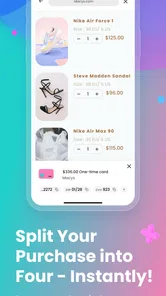
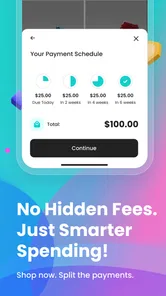
Four is a financial app that provides the 'Buy Now, Pay Later' service, allowing users to purchase items immediately and pay for them over time in installments. After downloading the app, users can shop at participating retailers and select Four as their payment method at checkout. The app then splits the total purchase amount into four equal payments, with the first payment due at the time of purchase and the remaining three payments scheduled bi-weekly.
Is Four | Buy Now, Pay Later safe to use?
Yes, Four is designed with user security in mind, employing encryption and secure payment gateways to protect users' financial information. It's important for users to ensure their device is secure and to only shop with trusted retailers. Additionally, Four offers customer support for any issues that may arise, providing an extra layer of assurance for its users.
Are there any fees or interest associated with using Four?
Four does not charge any interest on the installment payments, making it a cost-effective option compared to credit cards. However, if a user misses a scheduled payment, they may incur a late fee. It's crucial for users to review the terms and conditions regarding fees and ensure they have sufficient funds available when payments are due to avoid additional charges.
Pros
- Flexible payment options.
- No interest on timely payments.
- User-friendly interface.
- Wide acceptance across retailers.
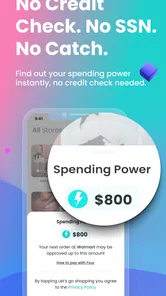
- Instant approval process.
Cons
- High late payment fees.
- Limited credit limits.
- Not universally accepted.
- Potential for overspending.
- Requires internet access.