Earn Money & Rewards: Prograd
- 1.22K
- 4.4
- Installs
- 100.00K
- Price
- Free

Screenshots
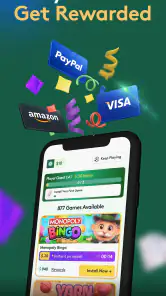

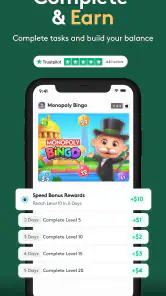
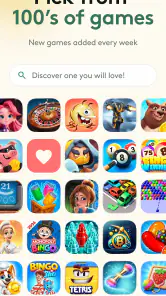
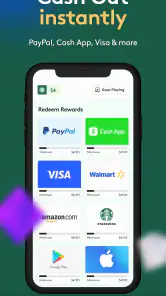
Analysis by Reviewed
I approached Earn Money & Rewards: Prograd as a practical question rather than a promise: can an app built around games, surveys, cash, and gift cards fit naturally into an ordinary routine? My answer is yes, but only for a particular kind of user. It works best when you treat it as a small rewards activity for spare moments, not as dependable income or a replacement for paid work.
That distinction matters from the beginning. Prograd, the developer behind this free lifestyle app, has created something aimed at people who are comfortable trading a little attention for incremental rewards. The idea is easy to understand, and the app has attracted over 100 thousand installs. Its average rating sits at 4.4 from around 21 thousand ratings, with roughly 1.2 thousand written reviews, so there is clear interest in the format. Still, popularity does not remove the need to check whether the tasks suit your patience, privacy comfort, and expectations.
How I would decide whether Prograd is worth using
My first decision criterion is time. If I have a few unused minutes and do not mind choosing between a survey and a game-related activity, a rewards app can feel worthwhile. If I expect a predictable hourly return, I would look elsewhere. The value here depends on what appears for me, how long I stay engaged, and whether I am willing to stop when a task no longer feels worth the effort.
The second criterion is variety. Prograd is not presented as only a survey tool or only a gaming app. Its appeal comes from having both routes available, alongside the possibility of receiving real cash or gift cards. That mix is useful because my mood changes: sometimes I can answer questions, while at other times I would rather play something casually. An app with only one task type becomes repetitive much faster.
I also pay attention to the reward path. Before spending serious time on any activity, I want to understand what action is expected, what completion looks like, and how the reward is represented. A sensible habit is to read each task carefully, note the conditions in plain language, and avoid continuing when the instructions feel unclear. This is not a criticism unique to Prograd; it is the basic discipline needed with any rewards platform.
Age suitability is another important filter. The app carries a Mature 17+ content rating, so it is not something I would recommend casually to younger teenagers. Parents should treat that rating as a meaningful boundary rather than assuming that a simple rewards concept makes the app suitable for every member of the household.
Finally, I consider motivation. I would use Prograd if I enjoy small, occasional rewards and want a single place to browse different activities. I would skip it if I dislike surveys, have little tolerance for repetitive tasks, or feel frustrated when a reward does not arrive immediately after an action. The right question is not whether the app can make me rich. It is whether its exchange of attention for modest rewards feels fair to me.
More From Our News Desk

Clash of Clans Is Won Between the Battles

Android Auto Makes the Case for Quieter Car Software

MobiOffice: Transforming Mobile Productivity with Seamless Integration

EA SPORTS FC™ Mobile Soccer: Redefining Mobile Sports Gaming

How Microsoft OneDrive Became a Mobile Productivity Giant

How Google Translate Breaks Language Barriers Effortlessly
What the everyday experience is good at
The strongest part of the concept is its low barrier to entry. There is no purchase price to get started, and the app is listed as free. That makes it easier to test without committing money. I can explore the available activities, learn how the reward system feels, and decide whether it deserves a regular place in my routine.
I like the combination of surveys and games because each option serves a different kind of spare time. A survey can fit into a short waiting period when I want a clearly bounded activity. A game may suit a longer break when I am already in the mood to play. Having both in one lifestyle app reduces the need to move between unrelated services, even though it does not guarantee that every available task will be equally appealing.
A realistic use case would be a commute or a quiet evening at home. I might open the app, scan the available choices, and select only an activity whose requirements are immediately understandable. If I have ten minutes, I would avoid beginning something that appears to need sustained attention. If I have more time, I could consider a game-based option, but I would still check the conditions first so that entertainment does not quietly turn into an obligation.
That simple selection habit is one of the most useful ways to approach Prograd. I would not open it automatically every time I have a spare minute. I would first ask whether the current activity matches the time I actually have. This prevents a common mistake with rewards apps: starting a task because it looks attractive, then abandoning it when real life interrupts.
The app also makes sense for people who like visible, short-term goals. Cash and gift cards feel more concrete than vague points with no obvious purpose. I find that clarity motivating, provided I keep my expectations modest. A reward should feel like a small bonus attached to an activity I was willing to do anyway, not payment I urgently need.
Specific habits that make the reward model easier to manage
My first practical tip is to separate entertainment from earning. When I choose a game, I would play it only if I would enjoy the activity without the reward. That mindset protects me from spending too much time chasing a result. If the game is boring without the incentive, the reward may not compensate for the frustration.
My second tip is to keep a simple personal record of effort. I would note the activity I started, approximately how long I spent, and what reward outcome I expected. This is not about creating a complicated spreadsheet. It helps me recognize which types of tasks fit my routine and which ones repeatedly feel inefficient. Over time, that record becomes more useful than a general promise of earning opportunities.
My third tip is to use a stopping rule. For example, I might decide that I will leave an activity when its instructions change, when the time required becomes unclear, or when I no longer enjoy it. A stopping rule is especially valuable in game-based tasks because play can continue indefinitely even when the original reason for starting has disappeared.
I would also avoid treating every notification or new opportunity as urgent. Rewards apps are easier to live with when I check them on my schedule rather than allowing them to dictate my attention. If Prograd becomes a source of pressure, it has stopped serving its best purpose as a casual lifestyle tool.
Another non-obvious trade-off is convenience versus concentration. Keeping surveys and games together is convenient, but that same mixture can make the app feel less focused than a specialist service. When I want a quick opinion task, game recommendations may feel like noise. When I want something entertaining, a survey may interrupt the mood. The variety is a strength, but users who prefer a single clear workflow may find it less comfortable.
Where Prograd has a clear advantage
Prograd is at its best for someone who wants options without paying to try them. The free entry point removes one obvious barrier, while the combination of games and surveys gives the app more flexibility than a service built around only one kind of task. I can choose based on my energy level instead of forcing myself through the same format every time.
It is also a reasonable choice for users who prefer rewards with a recognizable destination. Cash and gift cards are easier to understand than an abstract score, at least conceptually. That makes the app more approachable for a first experiment with reward platforms. I would still read the details of each activity carefully, but I would not need to learn an elaborate financial product before deciding whether the idea suits me.
The app’s current version is 1.9.1, and it supports devices running Android 7.0 or later. That broad operating-system requirement makes it accessible to people who are not using a recent phone. For an app that is meant to fit into spare moments, compatibility with older Android devices is a practical advantage.
The developer is Prograd, and the product is positioned in the lifestyle category rather than as a banking, employment, or investment service. That framing matches how I would use it: as an optional activity around the edges of my day. I would not build a budget around it, promise a particular amount to someone else, or confuse reward opportunities with guaranteed earnings.
The release date is September 23, 2025, which gives the app a relatively recent feel in the context of its current version. I would therefore pay attention to how comfortable the interface and task flow feel on my own device rather than assuming that a newer app automatically has a smoother experience. A recent release can be encouraging, but personal usability still decides whether I return.
When another type of app may fit better
Prograd is not automatically the best choice for every rewards seeker. If my main goal is the highest possible return for a specialized skill, I would choose a freelance or task marketplace instead. Those services involve a different level of commitment and may demand more preparation, but they are designed around paid work rather than casual activities. Prograd is better suited to spare-time experimentation than to replacing an income stream.
If I want only surveys, a survey-focused service may feel more efficient because its entire interface is organized around questionnaires. I would not need to filter out game-related choices, and the workflow might feel more predictable. The trade-off is less variety. Someone who dislikes games should ask whether Prograd’s mixed approach adds genuine value or simply adds another layer to navigate.
On the other hand, a dedicated game-rewards app may be preferable for someone who already spends substantial time playing on mobile. That user may want deeper tracking around game activity rather than a broad lifestyle app. Prograd makes more sense when I want to alternate between play and surveys, not when gaming is the only reason I opened the phone.
Cashback apps are another different category. They may suit a person who is already shopping and wants rewards attached to purchases. Prograd’s appeal is that its activities are not framed around buying something first. For a careful user, that can be a meaningful distinction: I can avoid spending money simply to unlock a reward. Still, cashback may be more natural for someone who already has planned purchases and does not want to answer surveys or play games.
There is also a question of privacy comfort. Any app involving surveys requires me to think about the questions I am willing to answer and the information I am comfortable sharing. I would never provide sensitive details casually, and I would leave an activity if its questions crossed my personal boundary. Users who want the smallest possible data-sharing footprint may prefer an app category that does not rely on questionnaires.
What switching costs I would consider
Trying Prograd is relatively easy because the app is free, but switching away is not completely costless in the practical sense. The main cost is attention. If I begin several activities without finishing them, I may lose track of what I intended to do. That is why I would complete one clearly understood task at a time and avoid opening multiple reward paths simultaneously.
There is also a habit cost. Once I become used to checking an app for small rewards, I may start opening it automatically. I would set a personal limit on how often I check it, especially during work, study, or time with friends. The app should fit around my priorities, not compete with them.
Moving from another rewards service can also change the kind of effort I provide. A survey-only platform may feel direct, while Prograd asks me to decide between different activity types. That extra choice is helpful when I want variety, but it adds a small decision step. Users who value maximum simplicity may prefer a narrower alternative even if it offers fewer formats.
I would also make sure I understand the reward destination before investing a long session. The store summary mentions real cash and gift cards, but the useful question for me is which option feels most practical for my needs at the moment. Someone who wants flexible money may think differently from someone saving toward a particular gift card. I would choose activities with that end goal in mind rather than collecting rewards without a purpose.
Because the app has a Mature 17+ rating, switching from a family-friendly rewards tool could also affect who in the household can use it. I would not install it on a child’s device simply because the concept sounds harmless. The rating should guide the decision, particularly in families where several people share a phone or tablet.
My recommendation for different kinds of users
I recommend Prograd to adults who want a free way to explore small rewards during genuinely idle moments and who appreciate having both surveys and games in one place. It is especially suitable for someone who can follow task instructions carefully, stop when the effort no longer feels worthwhile, and view cash or gift cards as occasional extras.
I would recommend a cautious trial rather than an enthusiastic commitment. Start with one short, understandable activity. Notice how the process fits your attention span, whether the available choices are enjoyable, and whether the reward structure feels clear enough for you. If that first experience feels fair, continue selectively. If it feels confusing or too demanding, there is no reason to force the app into your routine.
I would not recommend it to anyone looking for guaranteed earnings, a substitute for employment, or a way to solve an immediate financial problem. I would also steer away users who strongly dislike surveys, dislike mobile games, or feel tempted to continue tasks solely because they have already spent time on them. In those cases, a focused alternative or a conventional paid-work platform is likely to be a better match.
Overall, Prograd earns its place as a flexible lifestyle rewards app because it gives me more than one way to use a spare moment without requiring an upfront purchase. Its real strength is choice, while its main challenge is self-management. Use it as a controlled trade of spare attention for occasional rewards, not as a promise of dependable income. With that expectation, and with a clear stopping rule, I think it is worth trying for the right user.
Earn Money & Rewards: Prograd Frequently Asked Questions
Does Prograd work on my Android device?
Before downloading, check that your device runs Android 7.0 or later, which is the app’s minimum operating-system requirement. Prograd is a Lifestyle app from Prograd and is free to download. It is rated Mature 17+, so it is intended for adults. If your device meets the requirement, you can install it and explore the activities available to your account.
What age group is Earn Money & Rewards: Prograd intended for?
Prograd has a Mature 17+ age rating, so it is intended for adults rather than younger users. Consider this rating before downloading, especially if you manage a device used by a teenager. The app focuses on surveys, games, and other reward activities, and individual offers may have their own eligibility requirements. Review those conditions before participating.
Who can download Earn Money & Rewards: Prograd?
Earn Money & Rewards: Prograd is a Lifestyle app from Prograd, and it is free to download. It has a Mature 17+ age rating, so it is intended for adults rather than younger users. Before installing, check that your device meets the app’s minimum operating-system requirement, and keep in mind that the activities and offers available may depend on your location.
What is Earn Money & Rewards: Prograd?
Earn Money & Rewards: Prograd is a rewards-focused app designed to help users earn money or redeemable benefits by completing eligible activities, such as surveys, offers, tasks, or other promotions available inside the platform. The exact opportunities can vary by location, account status, and current campaigns, so users should review each offer carefully before participating.
How can I earn rewards with Prograd?
After creating an account, you can usually browse the available earning opportunities and select activities that match your interests. Rewards may depend on completing requirements correctly, reaching a specified milestone, or allowing the app to verify your participation. Before starting, check the estimated reward, completion conditions, deadlines, and any restrictions, because not every activity provides the same value or availability.
Pros
- Clear progress tracking helps users monitor earnings and completed tasks.
- Offers multiple reward categories
- giving users more than one way to earn.
- Useful financial education content can support better money habits.
- Simple interface makes key earning and reward features easy to find.
- Suitable for users who prefer gradual rewards over high-risk money-making schemes.
Cons
- Rewards may accumulate slowly
- especially for users with limited eligible activity.
- Some offers can vary by location
- account status
- or promotional availability.
- Certain features may require linking financial accounts or sharing personal data.
- Not every task or offer provides the same value for the time required.
- Users may need to meet minimum thresholds before redeeming available rewards.
- Category
- Lifestyle
- Version
- 1.9.1