DramaPlay - Trending Dramas
- 16.00
- 4.0
- Installs
- 10.00K
- Price
- Free

Screenshots
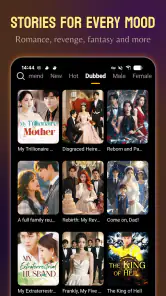




Analysis by Reviewed
I tried DramaPlay as a lightweight way to browse short dramas on a phone, and my first impression was straightforward: it is focused on quick viewing rather than acting as a broad entertainment hub. That narrow purpose is also its appeal. If you often want a compact story to watch during a break, the app gives you a simple place to explore that kind of content without paying to download it.
DramaPlay is a free tools app from ZhiXiang Cloud Trading Limited. Its store summary presents it as a collection of engaging short dramas, while the short description simply calls it “DramaPlay.” The app is suitable for Everyone, runs on Android 8.0 or later, and the current version is 1.0.3. Those details make it approachable for people using older Android phones, although the viewing experience will still depend on the phone, connection, and the way each drama is delivered.
What matters most here is not a long list of extras but whether the app makes short-form viewing convenient. In my experience, that is the question to ask before installing it. DramaPlay makes sense for someone who wants quick dramatic stories in a dedicated app. It is less compelling for someone who expects a large, fully documented streaming service with extensive discovery tools, established catalogs, or clearly explained premium options.
How DramaPlay fits into everyday viewing
The app’s identity is easy to understand: open it when you want short dramas, browse what catches your eye, and decide whether the format suits your available time. That is different from opening a general video platform and sorting through music, creators, news, comedy, and long programs before finding something dramatic. A dedicated destination can reduce that initial decision-making, especially when you already know the mood you want.
I can see a practical use during a commute, a lunch break, or the few minutes before an appointment. A short drama is easier to approach than a full-length film when I know I may need to stop suddenly. The important distinction is that short does not automatically mean shallow or disposable. A compact episode can still be useful when the app helps me find a story quickly instead of making me spend the whole break searching.
At the same time, I would not treat DramaPlay as a replacement for every video service on my phone. A general streaming platform is usually better when I want a particular famous title, a long movie, a broad genre selection, or a mature system for managing a large watchlist. DramaPlay’s value is more specific: it is aimed at the habit of sampling short dramatic stories rather than building an all-purpose home cinema.
What the free price really tells you
DramaPlay is listed as free, so there is no purchase price to weigh before downloading it. That makes testing the app relatively easy: I can install it, look through the available dramas, and decide whether the format fits my routine without committing money first. For casual viewers, that low entry barrier is one of the strongest reasons to give it a try.
Still, free access should not be confused with guaranteed unlimited value. The useful question is how much viewing I can get from the available collection and whether the app fits my preferences. A free app can be worthwhile if it regularly gives me stories I actually want to watch; it can also be a poor use of storage if the catalog does not match my taste. I would judge it by repeated use, not by the absence of an upfront charge.
I also prefer to keep the cost question separate from assumptions about optional purchases or viewing restrictions. The confirmed price is free, and that is the part I can use confidently when deciding whether to try it. I would not plan a subscription budget around DramaPlay or assume that every part of the experience follows the same model as a major paid streaming service. Install it first, explore its actual viewing flow, and only then decide whether it deserves a regular place on the phone.
Where the app can deliver practical value
The clearest value is convenience. A focused short-drama app can remove some of the clutter found in broad video platforms. When I am specifically in the mood for dramatic storytelling, a dedicated collection gives the app a clearer purpose than an endless mixed feed. That can be especially helpful for viewers who become tired of choosing between unrelated categories.
Another useful angle is experimentation. Short dramas let me sample storytelling styles without reserving an entire evening. If a story does not hold my attention, the time cost of moving on is lower than abandoning a long film halfway through. If it does work, the compact structure can make the next viewing decision feel easy. This makes the app a reasonable companion for small gaps in the day rather than a service I need to plan around.
There is also value for people who enjoy discovering lesser-known stories. I would approach DramaPlay with an exploratory mindset instead of expecting it to function like a catalog of familiar blockbuster titles. That change in expectation matters. The app is more attractive when the pleasure comes from browsing and finding something new, not when I already have a precise title in mind.
A useful personal workflow is to open the app only when I have a defined viewing window. For example, I might use it during a ten-minute break, choose one short drama, and close it when the break ends. This prevents casual browsing from turning into aimless scrolling. It also helps me judge whether the app is genuinely serving my schedule, rather than simply filling the screen with content.
Tradeoffs I noticed before making it a habit
The focused concept can become a limitation. If the collection does not line up with my preferred tone, language, pacing, or subject matter, there may be little reason to return. A general video service gives me more ways to change direction. DramaPlay’s specialization is useful only when the available short dramas are close enough to what I want.
Short-form viewing can also create a fragmented experience. Someone who prefers a single uninterrupted narrative may find the format less satisfying than a film or a conventional series. I would not choose this app when I want a carefully planned evening watch with a known ending and a familiar production. It is better suited to flexible viewing, where sampling is part of the fun.
Discovery is another area where expectations should stay realistic. The app’s public description establishes a collection of short dramas, but it does not give me a detailed promise about catalog size, release frequency, search tools, subtitle support, offline viewing, or account features. Those are important practical questions for regular streaming, so I would test the actual interface and viewing process before relying on it for travel or a long period without dependable internet.
That point is not a criticism of the app’s basic idea; it is a reason to avoid assuming that a specialized catalog automatically includes the same conveniences as a larger platform. If I need downloads for a flight, precise title searching, playback controls designed for long sessions, or a carefully organized personal library, I would compare DramaPlay directly with services that advertise those functions clearly.
The app’s relatively modest public footprint may also influence how I evaluate it. DramaPlay has an average rating of 4.0 from around 95 ratings and 16 written reviews, with over 10K installs. I read that as enough activity to show that people are trying it, but not enough to treat the public response as a complete picture of long-term reliability or catalog quality. I would use the rating as a signal, not as a substitute for my own trial.
Small habits that improve the trial
My first tip is to test DramaPlay in the exact situation where I expect to use it. If the goal is quick viewing during breaks, I would not judge it after a long evening session alone. I would open it when I have limited time and see how quickly I can move from launch to a drama that interests me. That reveals more about its everyday usefulness than simply browsing while relaxed at home.
My second tip is to separate content satisfaction from app convenience. I would ask two questions after each session: did I enjoy the story, and was it easy to find and watch? A good answer to only one of those questions is not enough. A strong collection with frustrating navigation may not become a daily tool, while a smooth interface cannot rescue dramas that never match my taste.
My third tip is to treat the free installation as a short evaluation period rather than an obligation. I would keep it only if I can imagine opening it again for a specific reason. This is particularly useful on an older device, where every app should earn its storage and attention. The minimum requirement of Android 8.0 or later makes the app accessible to a broad range of Android users, but accessibility alone does not guarantee that it will be the best fit for every phone or viewing habit.
Finally, I would avoid comparing it with a paid service solely on catalog size. The meaningful comparison is use case versus use case. If I want free access to short dramatic entertainment and enjoy browsing, DramaPlay may provide enough value. If I want a known premium title, a broad library, or dependable long-form viewing tools, another option may justify its cost more effectively.
Who is most likely to enjoy it
DramaPlay is a good candidate for casual viewers who like dramatic stories but rarely have time for a complete movie. It also suits people who enjoy trying unfamiliar short content without paying before they know whether the service fits them. Because the app is free and rated for Everyone, it is easy to consider for a shared household device, although individual viewing preferences will still determine whether the collection is genuinely useful.
I would recommend trying it if your ideal session sounds like this: you have a short break, you want fiction rather than a random social feed, and you are happy to browse instead of searching for one specific famous program. That combination matches the app’s focused purpose. It can turn an otherwise empty few minutes into a small entertainment routine.
I would be more cautious if you are a serious streaming user. People who expect extensive personalization, mature library management, offline planning, or a broad mix of entertainment should compare it with their usual platform rather than replacing it immediately. DramaPlay may work alongside those services as a quick-drama option, but its specialization does not automatically cover every need.
It is also not the right first choice for someone who dislikes episodic or compact storytelling. If you want slow character development across long episodes, a complete film, or a carefully selected prestige series, the short-drama format may feel too compressed. In that situation, the free price is not enough to create value; the format itself has to match the way you like to watch.
Device compatibility and what to check on first launch
The Android requirement is practical: the app supports Android 8.0 and newer. That gives users of older compatible phones a chance to try it instead of assuming they need the latest hardware. Even so, I would check how comfortably it behaves on my particular device, especially if I use an older handset or rely on limited mobile data.
On the first launch, I would focus on three things. First, I would see whether the collection is easy to scan without excessive searching. Second, I would check whether the dramas are presented clearly enough for me to understand what I am choosing. Third, I would watch long enough to decide whether the playback experience feels comfortable for my normal routine. These checks answer the practical questions that a short store description cannot answer for me.
I would also decide in advance whether I am comfortable using the app primarily online. Since I would not assume offline access or other streaming conveniences without seeing them in the app, I would test it at home before depending on it for travel. That simple step avoids the common mistake of installing a viewing app for a trip and discovering too late that it does not fit the intended connection conditions.
My verdict on the value
DramaPlay is worth trying when free access to short dramas is exactly what you want. It has a clear identity, a low-risk entry point, and a format that fits brief viewing sessions. I like that I can evaluate the concept without paying first, and I can see it becoming useful as a secondary entertainment app for moments when a full movie is too much commitment.
My recommendation is more measured for everyone else. I would not install it expecting a complete substitute for an established streaming service, and I would not choose it when I need a specific title or advanced viewing workflow. The app’s value depends heavily on whether its collection matches your taste and whether its browsing experience works smoothly on your device.
For me, the buy-or-skip decision is simple because there is no purchase price to recover: try it if short dramatic stories appeal to you, then keep it only if the first few sessions fit naturally into your day. Skip it if you want long-form entertainment, a broad all-purpose catalog, or features that you cannot do without. DramaPlay is not trying to be everything, and that focus is its main strength as well as its main limitation.
With its current version, 1.0.3, the app is still something I would approach as a focused, low-commitment option rather than a definitive streaming destination. I would recommend it to a friend who enjoys discovering compact dramas during spare moments, while being honest that a different service will be better for demanding viewers. That is a fair position for a free tools app: it does not need to replace the entire entertainment stack to be useful, but it does need to make those short viewing moments easier and more enjoyable.
Pros
- Large selection of trending Asian dramas and popular series
- New episodes and titles are added regularly
- Simple interface makes browsing genres and recommendations easy
- Video playback is generally smooth on a stable connection
- Useful search tools help locate specific shows quickly
Cons
- Some content may require a premium subscription to access
- Availability of dramas can vary by region and licensing rights
- Subtitle quality and language options may differ between titles
- Streaming can consume significant mobile data without Wi-Fi
- Occasional ads may interrupt browsing or playback

- Category
- Tools
- Version
- 1.0.3