DailyPay On-Demand Pay
- 18.87K
- 4.7
- Installs
- 1.00M
- Price
- Free

Screenshots


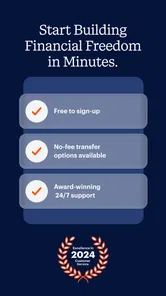

Analysis by Reviewed
For me, the most useful way to think about DailyPay is as a bridge between work already completed and the date your employer normally pays you. It can help when a bill arrives at an awkward moment, but it is not extra income or a replacement for a steady budget. I would first find out whether my workplace supports it, then decide whether an early transfer solves a specific short-term problem without making the next payday harder.
Start with the employer connection
Before relying on an early transfer, I would confirm that my employer offers access and find out what enrollment requires. A download by itself does not establish that an account is ready or that a particular amount can be transferred. This is especially important if there is a deadline involved: I would not promise a landlord, utility provider, or repair shop that money will arrive until I have checked what the app actually shows for my account.
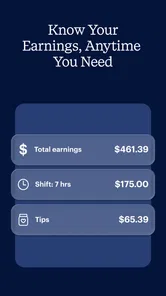
I would also separate two questions that are easy to blur together: whether I have earned wages and whether those wages are currently available to transfer. The app is built around earned pay, but the amount shown for a particular account is the practical figure to use. If it is lower than expected, I would avoid building a plan around an estimate or assuming that a new shift will appear as available immediately.
A small, planned transfer is often the sensible test
If I were trying the service for the first time, I would choose a clear, limited use rather than withdrawing the largest amount available. A modest grocery shortfall or a necessary prescription can make the value easier to judge: did access solve a genuine timing issue, and did the next payday remain manageable? This approach also helps me understand the steps and transfer choices before I depend on them for something more urgent.
For a bill that can be paid online, I would check its due date and any late-payment rules before moving money. If the bill is not due for several days, waiting may be better than paying for faster access. If it is due immediately, I would compare the transfer timing and any charge displayed in the app with the cost of paying late. The right choice depends on the actual deadline, not simply on the fact that an early transfer is available.
When it helps—and when another route fits better
DailyPay is most useful for someone whose pay is already earned, whose employer makes the service available, and whose problem is a short mismatch between the work schedule and a bill date. It is less suited to someone who needs money for an ongoing monthly shortfall. Drawing from each upcoming payday may relieve the immediate pressure while leaving less room for the same rent, food, or transport costs later.
I would compare it with a credit card, savings, or a conventional short-term loan according to the specific need. A card may be more convenient if it can cover a purchase without a transfer charge and its balance can be paid under manageable terms. Savings can avoid a new transaction cost if the expense can be handled from that buffer. Borrowing may provide a different repayment structure, but it also creates an obligation beyond wages already earned. None is automatically best; I would compare total cost, timing, and what remains for the next pay period.
More From Our News Desk

 Bolt: Request a Ride
Bolt and the Shift from One-Tap Rides to More Legible Trips
Bolt shows how ride-hailing is shifting from a one-tap taxi request toward a more legible, choice-driven trip, while leaving the hardest questions of price and reliability unresolved.

 Farm Land - Farming life game
Farm Land Review: A Small Island Farm with a Satisfying Loop
A bright, breezy island farm turns a few quick chores into a satisfying cycle of planting, harvesting, expanding, and deciding what to build next.

 Android Auto
’s Community Takes Shape in the Passenger Seat
Its most valuable network is not a public feed but a shared set of routes, voice habits, app integrations, and advice that make driving less isolating—and sometimes more complicated.

 My Talking Angela
 Makes the Virtual Pet Feel Personal
A polished pet-raising game built on small rituals, playful customization, and a character who gives everyday screen time a surprisingly personal rhythm.

 Google Translate
 Review: A Pocket Tool for the Small Frictions of Travel
From menus and signs to quick conversations, Google Translate earns its place by cutting the little delays that make unfamiliar language feel like a barrier.

 Shazam: Find Music & Concerts
Shazam’s Best Trick Is Turning a Song Into a Night Out
A few seconds of recognition can settle an argument, rescue a half-remembered chorus, and point toward a live show. Shazam’s real trick is what happens after the match.
Latest News



One practical safeguard is to record an early transfer in the same budget where I track rent, food, and other essentials. I would mark the bill it covers and reduce the amount I expect to have available on payday. That simple step makes the trade-off visible instead of treating transferred wages as a bonus. If the numbers show that early access is needed repeatedly for ordinary expenses, I would pause and look at bill dates, spending, or available budgeting help rather than treating transfers as a lasting fix.
When payday is still several days away, even a small surprise expense can throw off a carefully planned week. I see DailyPay as a practical option for workers whose employers make it available: it gives people a way to draw on wages they have already earned rather than relying only on the usual pay schedule. That distinction matters. This is not extra income, and it works best as a timing tool for a real cash-flow gap, not as a reason to spend more.
How the app fits into the current pay cycle
DailyPay is a finance app from DailyPay Inc, built around access to earned pay before the next payday. It is free to download, rated for Everyone, and its current version is 37.0.0. The app has a 4.7 average across around 203,000 ratings, with more than a million installs. Those figures suggest that many people have found a use for the service, though they do not tell me whether it will be available through a particular employer or suit an individual budget.
The key practical question is whether your workplace offers DailyPay. Before planning around an early transfer, I would check with an employer or in the app to see whether I can enroll and what steps apply to my account. Earned-wage access depends on work and pay information being connected to the service, so downloading the app alone should not be treated as a guarantee that funds will be available. That is the first point I would settle before counting on it for a bill.
What is DailyPay?
So, DailyPay is this nifty app that lets you access your earned wages before the traditional payday arrives. Imagine you’ve worked a couple of shifts and, instead of waiting two weeks to see that cash, you can snag it right when you need it. That’s the magic of DailyPay. It’s like having a financial safety net you can tap into whenever life throws a curveball your way.
Getting Started
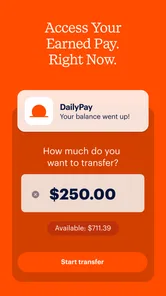
Setting up the app was a breeze. I downloaded it from the App Store, and within minutes, I was ready to roll. The interface is super user-friendly, which I appreciate. I mean, who has time to fumble around with complicated setups? Not me! Once you link your account, you’re pretty much set. You can see your available balance and decide how much you want to transfer to your bank account.
In real life, I would treat that available balance as a ceiling, not a spending target. For example, if a grocery bill lands before payday, I would first work out what the next pay period’s essential expenses are, then consider withdrawing only enough to cover the immediate shortfall. That small pause makes the app more useful: it helps solve a timing problem without quietly turning every available dollar into money for today.
Using the App
Using DailyPay is as simple as it sounds. Need a little cash for groceries, a night out, or an unexpected bill? Just open the app, choose how much you want, and hit transfer. The funds usually hit your account instantly or within a day, depending on your bank. It’s quick, painless, and oh-so-convenient.
I would still avoid assuming that a transfer will arrive at a particular moment. If a payment has a hard deadline, leave room for processing and check the terms shown for your account before submitting a request. It is also worth comparing the available transfer choices and any displayed charges before confirming; convenience can have a cost, and the best choice depends on whether speed or keeping more of your pay matters more that day.
A useful habit is to note each withdrawal alongside the bill it covers. That gives me a clear picture of how much of the next paycheck is already spoken for, rather than relying on memory. If I find myself using early access for routine expenses every pay cycle, I would take that as a signal to revisit the budget, due dates, or savings cushion. The feature can ease a pinch, but repeated reliance may leave the eventual payday feeling smaller.
Who Benefits the Most?
If you’re living paycheck to paycheck, or if you just like having the option to access your funds whenever you want, this app is a game changer. It’s also great for those unexpected emergencies when you don’t have time to wait for payday. Employers who offer DailyPay as a benefit to their employees are also on the winning side, as it can enhance employee satisfaction and reduce turnover. Win-win!
It is most relevant to someone who has already earned wages, has access through work, and needs to bridge a short gap between work and the regular pay date. A realistic case might be a utility bill arriving before payday after an unexpected car expense: accessing only the amount needed could help avoid a late payment. By contrast, someone whose workplace does not offer the service, or who needs a long-term solution to expenses that consistently exceed income, should look at budgeting support or speak with a trusted financial counselor instead.
Compared with a credit card or a short-term loan, earned-wage access draws on pay already earned rather than borrowing against future income in the same way. That can make it a more fitting option for a brief timing mismatch, but it does not make every transfer free or automatically beneficial. A credit card may be better for a purchase when its terms are manageable and paying by card avoids a transfer charge; a savings buffer may be better when the expense can wait. I would compare the actual cost and timing before choosing.
However, I’d say it’s important to use this feature responsibly. It’s easy to get carried away and dip into your earnings, so having a bit of self-discipline is key. Think of it as a tool to help you manage your finances better, not just a way to splurge impulsively.
What has changed, and what I would watch
DailyPay was released on December 7, 2018, and its current version is 37.0.0. That release history and version number show that the app has continued through multiple iterations, but they do not by themselves reveal which features changed or how any particular update affects an existing account. I would look at the update notes before installing a new version, especially if I rely on the app near payday, and keep the app current so I am using the version presently offered.
For someone already enrolled, the most useful measure of an update is whether the balance, transfer steps, and account details remain clear and dependable. I would also check the displayed amount and any terms each time rather than assuming that yesterday’s available balance or transfer conditions still apply. Those checks are simple, but they reduce the chance of planning around a figure that has changed.
Final Thoughts
All in all, I’m pretty impressed with DailyPay. The app does exactly what it promises, providing quick access to your earnings without the hassle. It’s like having a financial buddy who’s got your back, especially in those tight situations. While it’s not a replacement for sound financial planning and budgeting, it’s definitely a helpful tool to have in your back pocket.
So, if you’re looking for an easy way to access your money on your terms, give DailyPay a try. Just remember to use it wisely, and it might just become your new best friend in managing your personal finances.
Questions I would settle before depending on it
Can anyone use it? I would not assume so: the useful first step is checking whether the employer participates and whether the account can be enrolled. That matters more than downloading the app, because access to earned wages depends on the work arrangement being connected. If a coworker has it, I would still confirm my own eligibility rather than taking that as proof that every role or account qualifies.
Will money arrive immediately? The transfer timing can depend on the bank and the option presented for the account, so I would not use an expected arrival time as a guarantee for a deadline. Before requesting funds, I would review the timing and any charge displayed, then leave a cushion when a late payment would create a bigger problem. For a non-urgent expense, waiting for regular payday may be the simpler and cheaper choice.
Does an early transfer change the amount earned? I think of it as moving access to wages already earned, not increasing income. The important budgeting effect is that money taken earlier is no longer available in the same way when payday comes. I would enter the transfer in my budget right away so the next pay period’s rent, food, and transport plans reflect what remains.
Is it a good fit for someone whose expenses regularly exceed income? In my view, no—not as the main solution. The app may help with a temporary mismatch, but repeatedly moving pay forward cannot resolve a recurring deficit and can make each regular payday feel tighter. If the gap happens often, reviewing recurring bills and seeking trustworthy budgeting advice is a better next step than treating an access feature as additional earnings.
My overall recommendation is deliberately conditional: I would consider DailyPay when my employer makes it available, I have a defined short-term need, and I can account for the effect on payday. I would skip it when I need a dependable long-term source of extra money, when the cost of a transfer outweighs the cost of waiting, or when using it would leave essential expenses uncovered later. Used with that boundary, it can be a helpful option rather than a habit that quietly reshapes the whole pay cycle.
DailyPay On-Demand Pay Frequently Asked Questions
Do I need an account to use DailyPay, and how do I get started?
You’ll need to set up access through DailyPay and connect your account to an eligible employer before using its wage-access features. The app is not a general-purpose cash advance service for anyone who downloads it; your employer’s participation is central to getting started. Check with your workplace about its enrollment process, then follow the app’s prompts to set up your access.
Does using DailyPay change my regular payday or paycheck?
DailyPay provides access to wages you have already earned before your next payday, so it changes when you can use part of your pay rather than creating additional income. Any amount accessed early will affect what remains to be paid through your normal payroll cycle. Before making a transfer, consider upcoming bills and how the reduced payday deposit will fit into your budget.
Can I use DailyPay if I change jobs or my employer stops participating?
DailyPay’s wage-access features depend on an employer’s participation, so a change in workplace may affect your eligibility. If you move to a new job, check whether that employer works with DailyPay before relying on the app. For questions about a change in your current workplace’s arrangement, your HR department or DailyPay support can help clarify what applies to your account.
Can I download DailyPay On-Demand Pay for free, and which devices support it?
DailyPay On-Demand Pay is a free finance app from DailyPay Inc. It is available for Android and iOS devices, and the Android version requires Android 9 or later. The app is intended for employees whose companies participate in DailyPay, so downloading it does not by itself guarantee that you can use its wage-access features.
What is DailyPay On-Demand Pay and how does it work?
DailyPay On-Demand Pay is an innovative financial app that allows users to access their earned wages before the scheduled payday. It functions by partnering with employers, enabling employees to withdraw a portion of their earned pay whenever they need it. This service helps manage finances more flexibly, eliminating the wait for payday to cover urgent expenses.
Pros
- Instant access to earned wages.
- User-friendly interface.
- Reduces financial stress.
- Secure transactions.
- Compatible with major payroll systems.
Cons
- Requires employer participation.
- Limited customer support.
- May encourage overspending.
- Fees for instant transfers.
- Not available in all regions.