Cozy Couples: Relationship App
- 644.00
- 4.7
- Installs
- 500.00K
- Price
- Free

Screenshots

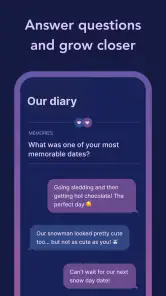
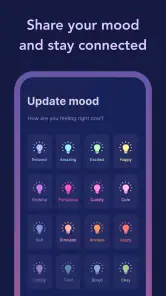



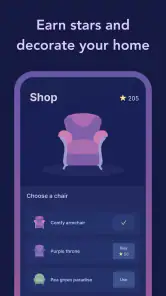

Analysis by Reviewed
Relationships often need attention in ordinary moments, not only after a difficult conversation. Cozy Couples: Relationship App takes that idea into the lifestyle category, presenting itself as a shared space for affection and happier couple moments. I found its appeal easy to understand: it is aimed at partners who want a gentle prompt to connect rather than another demanding task-management tool.
My overall impression is that this is best approached as a small relationship habit, not as a complete solution for communication problems. The app is free to start, has an Everyone age rating, and comes from Gain Clarity. Its public reception is encouraging, with a 4.7 average from around 8K ratings, while its reach has passed 500K installs. Those figures suggest that the concept has found a real audience, but they do not replace the more important question: does its style fit the way you and your partner actually interact?
How the app feels in everyday use
The central idea is simple: give couples a comfortable place to focus on love, warmth, and shared moments. That makes the experience feel less like a conventional productivity app and more like a private nudge toward emotional presence. I would not open it expecting a long course, a clinical relationship assessment, or a detailed calendar of couple activities. Its strength is the lighter touch.
That lighter touch matters because many relationship tools accidentally turn affection into homework. A partner may resist an app if every session feels like a test or a serious intervention. The Cozy Couples approach is more suitable for a quick check-in during a quiet evening, a short moment together after work, or a reminder to notice something positive that would otherwise be overlooked.
In practical terms, I would treat it as a shared ritual. One person can suggest opening it when conversation has become repetitive, or both partners can use it when they want to reconnect without planning a full date. The most useful outcome is not necessarily spending a long time inside the app. It is carrying one small prompt, thought, or affectionate intention into the rest of the day.
What the free starting point means
The app is listed as free, which removes the biggest barrier to trying its basic experience. That is important for couples who are curious but do not yet know whether a relationship app will feel natural. You can begin without treating the download as a financial commitment, then decide whether the experience earns a place in your routine.
There are in-app purchases ranging from $1.99 to $39.99 per item. I see that range as a reason to slow down before paying, not as an automatic criticism. The free entry point lets you judge the tone and usefulness first. If the app becomes a meaningful part of your relationship routine, a paid option may feel reasonable; if it only creates a brief burst of curiosity, staying with free access is the more sensible choice.
More From Our News Desk

Clash of Clans Is Won Between the Battles

Android Auto Makes the Case for Quieter Car Software

MobiOffice: Transforming Mobile Productivity with Seamless Integration

EA SPORTS FC™ Mobile Soccer: Redefining Mobile Sports Gaming

How Microsoft OneDrive Became a Mobile Productivity Giant

How Google Translate Breaks Language Barriers Effortlessly
The important distinction is between free access and paid value. The fact that the app can be started without charge does not mean every appealing element is included at no cost. Before buying, I would check exactly what a purchase unlocks and whether it supports a need you already have. Paying simply because the app feels pleasant on first launch is less convincing than paying for something you and your partner will use repeatedly.
Why the tone is its main advantage
For me, the strongest quality is the emotional positioning. The app does not need to compete with a full messaging service, a shared calendar, or a meditation platform because it serves a narrower purpose: making room for couple-focused attention. That focus can be valuable when both people want connection but lack the energy to organize it themselves.
There is also a useful psychological trade-off here. A small app-based prompt can lower the effort required to begin a conversation, but it cannot create sincerity on its own. If one partner opens the app only to satisfy the other, the activity may feel mechanical. I would use it as an invitation, then let the conversation move away from the screen whenever something meaningful comes up.
The best value comes from using the app as a doorway to real conversation, not as a replacement for it. That is a subtle difference, but it determines whether the experience feels warm or artificial. Couples who understand that boundary are more likely to get lasting value from a lightweight relationship tool.
A realistic evening with Cozy Couples
Imagine two partners arriving home tired, each absorbed in separate routines. They do not have the energy for a planned date, and asking “How was your day?” produces the same short answers as usual. Opening the app together can create a deliberate pause. One person can suggest spending a few minutes with it, and the other can participate without having to invent an activity from scratch.
Afterward, I would put the phone aside and ask one follow-up question based on whatever the app brought to mind. That second step is where the relationship benefit is likely to appear. The app provides structure; the couple supplies attention, honesty, and patience. Used this way, it can fit into a weekday without turning connection into another major appointment.
A different use case is long-distance partnership. When physical closeness is unavailable, a shared digital ritual can give both people a repeatable way to mark the relationship. It will not remove the limitations of distance, but it may help prevent every call from becoming a report about errands and schedules. The same applies to couples who live together but have fallen into parallel routines.
Where it compares well with usual alternatives
The usual alternative is doing nothing structured and hoping a good conversation appears naturally. That can work for couples who already communicate easily, but it leaves the start of the conversation to chance. Cozy Couples is more useful when the intention is there but the opening is missing.
Another alternative is a general notes app or shared calendar. Those tools are better for planning dates, recording reminders, or organizing practical responsibilities, but they are not designed around emotional connection. A calendar can remind you to buy groceries; it cannot, by itself, make a shared moment feel intentional. This app occupies a more personal space.
There is also a clear difference from professional relationship counseling. Counseling is the better choice when a couple is dealing with repeated conflict, fear, betrayal, coercion, or communication problems that feel impossible to manage alone. A lifestyle app can encourage warmth and reflection, but it should not be mistaken for therapy or crisis support. That limitation is not a flaw in the app; it is a boundary users should respect.
Compared with a broad wellness app, its advantage is relevance. A wellness platform may cover sleep, stress, exercise, or mindfulness, while this experience keeps the relationship at the center. The trade-off is breadth: if you want a single app for many areas of personal wellbeing, a broader option may serve you better.
Small habits that make it more useful
I would avoid opening it only when the relationship feels strained. That can make the app seem like an emergency button and may cause one partner to associate it with criticism. A better workflow is to use it during neutral or positive moments, so the habit becomes familiar before either person needs extra support.
It also helps to agree on a low-pressure rule: either partner can suggest using the app, but neither person has to perform a perfect emotional response. This prevents a shared activity from becoming a hidden test. If one of you is exhausted, a short session may be enough. Consistency is more realistic than expecting every use to produce a deep revelation.
Another practical tip is to connect the app with an offline action. After using it, make tea together, take a short walk, send a thoughtful message, or simply sit without separate screens. This creates a bridge between the digital prompt and the relationship itself. Without that bridge, it is easy to mistake time spent inside the app for time spent meaningfully together.
For couples with different communication styles, alternating who chooses when to open it may reduce imbalance. The more talkative partner should not always control the moment, while the quieter partner should not be pressured to disclose more than feels comfortable. A shared app works best when both people retain a sense of choice.
The friction and limitations to consider
The same simplicity that makes the app approachable may disappoint users looking for depth. If you want detailed progress tracking, extensive customization, structured lessons, or a large planning system, this is unlikely to replace dedicated tools. Its value depends on whether a focused emotional experience is enough for your needs.
There is also a risk of repetition in any app built around recurring couple engagement. Even a well-designed prompt can lose its effect if it becomes a compulsory daily routine. I would keep the frequency flexible and allow the app to remain occasional when that feels more natural. A relationship should not be measured by whether both people maintain a flawless app streak.
The purchase range creates another point of friction. Since paid items can cost from $1.99 up to $39.99, the sensible approach is to inspect the purchase screen carefully and decide what level of spending feels justified for your household. The free starting point is helpful, but users should not assume that every useful part of the experience belongs to the free tier.
People who dislike discussing feelings through a phone may also find the format uncomfortable. In that case, a walk, a shared meal, or a direct conversation may be more effective. Similarly, couples seeking help for serious conflict should choose qualified human support rather than expecting a lifestyle app to handle situations it was not designed to address.
Who is likely to get the most value
I would recommend trying it to couples who want a gentle way to interrupt routine. It suits partners who care about their relationship but struggle to create regular moments of attention, especially when work, distance, or household responsibilities dominate the day. It may also appeal to newer couples who want to build a habit of appreciation without making the process overly formal.
It can be useful for partners who already enjoy reflective prompts and shared digital activities. The free access makes experimentation straightforward, and the Everyone rating makes the app broadly approachable as a lifestyle product. The current version is 1.0.0, so I would keep expectations realistic about maturity and judge the experience on what is available now rather than on imagined future additions.
I would be more cautious if one partner is enthusiastic and the other is openly resistant. No relationship app can solve the problem of unequal willingness. In that situation, pushing the reluctant person to participate may create more tension than connection. A better test is whether both people can agree to try it voluntarily and stop if it feels forced.
It is also not the right choice for someone shopping primarily for a free, comprehensive relationship program. The app has a free entry point, but the presence of purchases means you should evaluate the actual unlocked value before committing money. If your priority is intensive guidance, professional accountability, or detailed relationship education, another route will probably be a better match.
My value judgment before spending
From a cost perspective, I like the ability to begin without paying. That gives couples room to test whether the tone feels comfortable and whether both partners will actually return to it. I would consider a paid item only after seeing a repeated use case in my own routine, such as using it during weekly check-ins or while maintaining closeness across distance.
The upper end of the purchase range deserves particular scrutiny. A higher one-time spend can be worthwhile for a tool that becomes genuinely useful, but the app must earn that decision through repeated, relevant use. I would not buy simply to unlock more content out of curiosity. First establish the habit, then decide whether the additional value is clear enough.
That approach also protects the app’s strongest quality: low pressure. Once payment becomes the focus, a gentle relationship ritual can start to feel like a product obligation. Keeping the financial decision separate from the emotional moment helps preserve the relaxed atmosphere that makes the concept appealing in the first place.
My final recommendation
Cozy Couples: Relationship App is worth trying if you want a simple, affectionate prompt to help you and your partner pay attention to each other. I appreciate that it sits in the lifestyle space rather than pretending to be a substitute for counseling, and I think its free starting point makes the experiment fair. Gain Clarity has created something aimed at a real everyday problem: couples can care deeply and still need help making time for connection.
My recommendation is to start free, use it together in a low-pressure setting, and follow each session with an offline moment. Watch how both partners respond over several uses rather than judging it after one opening. If it becomes a natural conversation starter, a purchase may offer reasonable paid value; if it feels repetitive, forced, or too shallow, stop without feeling that you have failed.
Buy only when the app has already proved useful in your relationship; skip it if you need therapy, detailed relationship education, or a fully free all-in-one tool. For the right couple, it can be a pleasant nudge toward better moments. For everyone else, its value is limited precisely because it chooses warmth and simplicity over depth and complexity.
Cozy Couples: Relationship App Frequently Asked Questions
Is Cozy Couples: Relationship App suitable for a new relationship or only long-term couples?
Cozy Couples is a lifestyle app built around shared moments and relationship-focused conversations, so its activities may suit partners at different stages. New couples could use prompts to learn about one another, while established partners may find them useful for making time to connect. How well it fits depends on what both people want from the experience and how comfortable they are discussing personal topics.
What is Cozy Couples: Relationship App and who is it designed for?
Cozy Couples: Relationship App is designed to help partners stay connected, communicate more intentionally, and create shared moments through relationship-focused prompts, activities, and conversations. It may be useful for couples who live together, maintain a long-distance relationship, or simply want to spend more quality time together. The app is generally intended for consenting partners rather than individual dating or matchmaking.
How does Cozy Couples help partners improve communication?
The app typically encourages communication through guided questions, couple activities, conversation prompts, and shared reflections. These features can make it easier to discuss feelings, preferences, goals, and everyday experiences without having to think of a topic from scratch. It should be viewed as a supportive tool for starting conversations, not as a replacement for honest communication, professional counseling, or therapy when a relationship faces serious difficulties.
Can both partners use Cozy Couples together on Android and iOS?
Couples should check the current store listings and the app’s account requirements before downloading, because device compatibility, pairing options, and synchronization features can change with updates. If the application supports partner invitations or shared accounts, both people may be able to participate from their own phones. A stable internet connection may be required for syncing activities, messages, progress, or shared answers between devices.
Is Cozy Couples: Relationship App free to download and use?
Cozy Couples is free to download, with optional in-app purchases that range from $1.99 to $39.99 per item. Before making a purchase, review the displayed price and terms carefully so you know what is included and whether any recurring billing applies. The app is rated Everyone, and its lifestyle focus centers on helping couples share affectionate moments and conversations.
Pros
- Simple daily prompts make it easy to start meaningful conversations.
- Private couple-focused space keeps interactions centered on your relationship.
- Helpful reminders encourage consistent check-ins and shared activities.
- Suitable for couples who prefer guided discussions over spontaneous chats.
- Clean
- approachable design is easy for both partners to navigate.
Cons
- Some prompts may feel repetitive after using the app regularly.
- The experience depends on both partners participating consistently.
- Certain features may require a paid subscription or in-app purchase.
- It may feel too structured for couples who prefer completely free-form chats.
- Limited value for users looking for individual self-improvement tools.
- Category
- Lifestyle
- Version
- 1.0.0