Core of the Heart Daily
- 1.37K
- 4.9
- Installs
- 100.00K
- Price
- Free

Screenshots



Analysis by Reviewed
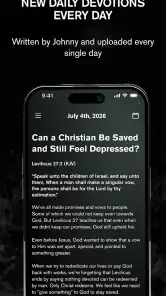
I approached Core of the Heart Daily as a lifestyle app for people who want spiritual guidance to fit into ordinary routines rather than remain something reserved for a quiet weekend. Its focus is straightforward: live mentorship classes and daily devotions by Johnny Chang, brought together in one place by Core of the Heart. After spending time with it, I see its strongest quality in the way it can turn a short pause in the day into a more intentional moment. I also found that its usefulness depends heavily on how comfortable you are with a class-led, faith-centered format.
The app is free to download and is rated for Everyone, which makes it approachable for households with different ages and levels of technical confidence. It belongs to the Lifestyle category, and its 4.9 average from around 12 thousand ratings suggests that the people who connect with its message value it highly. I would not treat that number as a guarantee that every user will enjoy the experience, though. This is a focused app, not a broad meditation library or a general-purpose wellness planner.
How the app feels to read and navigate
The first thing I noticed was that the app’s purpose is easier to understand than its broader lifestyle label might suggest. You are not opening it to track habits, browse recipes, or manage appointments. The central experience is devotional content and mentorship, so the app makes most sense when I enter with a specific intention: read or listen to a daily reflection, join a class, or return to a lesson that deserves more attention.
That focus is helpful for readers who become overwhelmed by apps packed with tabs, challenges, streaks, badges, and recommendation feeds. A simpler spiritual routine can be more sustainable than a large dashboard that constantly asks for decisions. I found it easier to think about what I wanted from a session when the app’s identity stayed centered on guidance rather than trying to become an all-in-one wellness service.
For readability, I would use the app in a calm setting and give the text my full attention. Devotional writing is not the kind of material I like to skim between unrelated notifications. A short passage can carry more meaning when I slow down, read it once for the general idea, and then return to the sentence that feels most relevant to my day. That is a practical way to use the app even if you only have a few minutes.
Navigation is also easier when I separate two kinds of use. Daily devotions suit a quick, repeatable routine, while live mentorship classes require more planning and attention. I would not treat both as interchangeable. A devotion can accompany a morning coffee or a quiet evening. A live class deserves a time when interruptions are less likely, especially if you want to follow the teaching rather than simply have it playing in the background.
One useful habit is to decide before opening the app whether you want comfort, reflection, instruction, or participation. That small choice prevents aimless browsing. It also helps reveal whether the app is working for you: if you repeatedly open it without knowing what you want to do, a more structured study tool may suit you better.
More From Our News Desk

Clash of Clans Is Won Between the Battles

Android Auto Makes the Case for Quieter Car Software

MobiOffice: Transforming Mobile Productivity with Seamless Integration

EA SPORTS FC™ Mobile Soccer: Redefining Mobile Sports Gaming

How Microsoft OneDrive Became a Mobile Productivity Giant

How Google Translate Breaks Language Barriers Effortlessly
The current version is 1.3.0, and the app supports devices running Android 7.0 or later. That gives it a reasonably broad reach among Android users with older phones, although the quality of the experience will still depend on the individual device, display, speakers, and connection. I would check those basics before deciding that the app itself is difficult to use.
Reading for different attention levels
Daily devotional material can work well for people who prefer small portions of content instead of long courses. I especially like the possibility of using one entry as a starting point rather than treating it as an assignment to finish quickly. Read the main idea, pause, and consider how it relates to a real conversation, decision, or worry. That approach makes the app more useful than simply consuming one item after another.
At the same time, users who need very large text, strong contrast, screen-reader-friendly controls, captions, or a clearly adjustable viewing experience should test the app on their own device before building a routine around it. I would not assume that a clean-looking interface automatically meets every reading need. Android’s own display and accessibility settings may help, but the result can vary by phone and by the content being shown.
This matters for older adults and for anyone whose eyesight changes during the day. A session that feels comfortable in bright morning light may be harder to follow at night. Increasing system text size, reducing glare, and using headphones where appropriate can make the experience more manageable. Those adjustments are simple, but they are worth trying before abandoning the app.
Motor and sensory considerations in everyday use
From an inclusive-use perspective, the app is most appealing when I can engage with it without rushing. People with limited dexterity, tremors, or fatigue may prefer opening it during a planned rest period rather than trying to operate it while walking, cooking, or carrying something. A slower setting reduces the pressure to tap precisely or respond immediately.
Live classes introduce a different set of demands from daily devotions. A class may require more sustained attention, timely interaction, or a stable position in front of the device. That can be difficult for users who cannot remain seated for long periods, who experience pain, or who need to move frequently. In those situations, the devotional side may be more practical than the live side, because it can fit around the person instead of asking the person to fit around a scheduled experience.
Sound is another important consideration. Spoken teaching can be valuable for someone who finds extended reading tiring, but audio is not automatically accessible. Background noise, hearing loss, sensory sensitivity, or a shared household can all change whether a session is comfortable. I would use headphones only if they are comfortable and safe in the environment, and I would avoid assuming that every user can rely on audio alone.
Likewise, users who are sensitive to sound or visual stimulation may prefer a quiet room, lower device volume, and a short session. The app’s spiritual purpose does not require a dramatic setting. In my experience, a restrained routine is often better: one devotion, one thought to carry forward, and then a return to the day.
For people with motor limitations, the best workflow is to prepare the environment first. Place the phone where it can be reached without stretching, activate the device’s built-in voice or switch controls if those are part of your usual setup, and open the app before settling into a comfortable position. This is more reliable than trying to make several adjustments after a class has already begun.
When the content fits a busy or unpredictable day
The app can be useful in situations where a person wants a spiritual anchor but does not have the energy for a full study session. I can imagine using a daily devotion during a lunch break, after a difficult appointment, or before bed when I want something more purposeful than casual scrolling. The key is to keep the expectation realistic. A brief session can still be meaningful; it does not need to become a long ritual to count.
Families may also find a place for it in a shared routine, but the Everyone rating should not be confused with universal suitability for every family dynamic. A child, teenager, adult, or older relative may each respond differently to the teaching style. I would preview the experience together and let each person decide how much participation feels comfortable, rather than assuming that one format works equally well for everyone.
For someone with an irregular work schedule, the daily devotion format may be easier to maintain than a live class. A nurse coming off a night shift, a parent managing school pickups, or a caregiver whose day changes constantly may appreciate content that can be approached when there is a genuine opening. Live mentorship is more valuable when the timing works, but it can become frustrating if the user is repeatedly interrupted.
People who live with limited data, unreliable internet, or restricted device access should also think about when and where they will use the app. Live content is naturally more sensitive to connection quality than a short reading session. I would choose a dependable network and avoid planning an important class around a location where the signal regularly drops. That is not a criticism of the teaching itself; it is a practical limitation of live digital participation.
What the app does well for inclusive participation
The strongest inclusive quality here is the range of intensity. I can approach the app as a quiet reader, a listener, or a participant in mentorship classes, depending on my energy and circumstances. That flexibility is more useful than a rigid program that assumes everyone has the same schedule, attention span, and physical comfort.
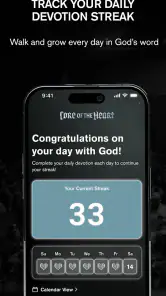
Another strength is the possibility of building a routine without turning spirituality into a competition. Some wellness apps push streaks and performance goals so strongly that missing a day feels like failure. Core of the Heart Daily is better suited to users who want reflection without another score to maintain. I would use the daily material as an invitation, not as a test.
The developer, Core of the Heart, has kept the app’s identity tied to its named teaching and devotional purpose. That can help users who already know what kind of guidance they are seeking. It can also make the app less suitable for someone who wants several traditions, teachers, or neutral wellness approaches in one place. The narrow focus is a benefit for the right audience and a limitation for everyone else.
Compared with a printed devotional book, the app offers a more immediate route to live mentorship and makes the routine easier to carry on a phone. Compared with a general meditation app, it is more explicitly centered on faith and instruction rather than breathing exercises, sleep soundscapes, or stress tools. Compared with video platforms, it should feel more purposeful because the experience is organized around this specific spiritual offering instead of an enormous stream of unrelated material.
That comparison also clarifies the trade-off. A printed book may be easier for someone who wants no screen, no device battery concerns, and no digital navigation. A broad meditation app may be better for a user seeking secular practices or many kinds of audio. A general video service may offer more variety, but it also brings distractions. I would choose this app when focused Christian mentorship and devotion are more important to me than variety.
Where accessibility and convenience still have limits
I would be careful about expecting the app to solve every access problem by itself. Device settings can improve text size, audio volume, and interaction, but they cannot guarantee that every class or devotional presentation will suit every user. A person who depends on a particular assistive setup should try a short session first and confirm that the controls and content work comfortably before paying for anything.
The commercial side deserves attention as well. The app is free to download, but in-app purchases range from around 33 dollars to over 819 dollars per item. That is a substantial difference from the initial download price, so I would read each purchase screen carefully and decide in advance whether paid content belongs in my budget. Free access can be useful for exploring the experience, but it should not lead anyone to assume that every part of the service is included without cost.
That pricing range may create a barrier for users who want ongoing mentorship but have limited income. It also makes the app less suitable as an unplanned recommendation to a group where people have very different financial situations. I would discuss the cost openly before suggesting a paid option to a friend or family member, especially if the person might feel pressure to spend in order to participate fully.
Live classes can create social and scheduling barriers too. Someone with anxiety, speech differences, caregiving duties, or a fluctuating health condition may prefer to observe quietly or use the devotional material alone. If participation feels demanding, that does not mean the user is failing; it may simply mean that a self-paced format is the better match.
There is also a difference between being welcome and being fully supported. The Everyone rating communicates broad age suitability, but it does not tell me how every visual, audio, or interaction need will be handled. My practical advice is to test the app with the phone settings you already rely on, use the shortest comfortable session first, and judge the experience by whether it reduces effort rather than adding another task.
Who should choose it, and who should skip it
I would recommend Core of the Heart Daily to someone who wants a direct spiritual routine, appreciates Johnny Chang’s mentorship format, and likes the idea of combining daily devotion with live classes. It is particularly promising for users who need flexible moments of reflection but still want access to teaching that feels more personal than a static book.
I would also recommend it to a person who is tired of wellness apps that treat mindfulness as a collection of generic exercises. The focused religious identity is the point here. If that matches your beliefs and expectations, the app may feel more meaningful than a broad catalog that offers a little of everything.
I would skip it if I were looking for secular meditation, detailed habit tracking, extensive customization, or a large collection of unrelated wellness tools. I would also look elsewhere if my main requirement were guaranteed support for a specific accessibility need and I could not test the app comfortably on my own device. A printed resource, an audio service designed around accessibility, or a more general study platform may be a better choice in those cases.
For a realistic daily scenario, imagine finishing work mentally drained and having only ten quiet minutes before preparing dinner. I would open the app, choose the day’s devotional material, silence unrelated notifications, and read or listen without trying to complete a longer class. If the message gives me one useful thought, I would close the app and carry that thought into the evening. On a less crowded day, I would reserve a separate time for a live mentorship class instead of squeezing it into the same rushed gap.
My inclusive verdict after using it
Core of the Heart Daily succeeds because it knows what it wants to be: a focused lifestyle app built around daily devotions and live mentorship by Johnny Chang. Its strongest experience comes from users who value that specific direction and are willing to create a calm, repeatable routine around it. The app is free to start, supports older Android versions, and has earned a 4.9 average from over 12 thousand ratings, but those figures matter less than the personal fit of the content and the practical conditions in which you will use it.
From an accessibility and inclusion standpoint, I see useful flexibility in the choice between brief devotional engagement and more involved live learning. That makes it possible to adapt the app to different energy levels, schedules, and attention patterns. I would still approach live sessions carefully if I have hearing, vision, motor, sensory, or scheduling needs, and I would test the experience rather than rely on assumptions.
My final recommendation is positive but specific: try it if you want faith-centered guidance that can occupy a small, intentional place in your day. Start with the free experience, adjust your phone for comfortable reading or listening, and avoid committing to a paid option until you understand how often you will genuinely use it. The best reason to choose this app is not its high rating or its broad age label, but whether its teaching format makes reflection easier for you to return to.
For me, that makes it a worthwhile option for the right audience, with clear boundaries. It is not a universal wellness solution, and it should not pretend to be one. It is a concentrated spiritual companion: useful when its message, pace, and live-learning approach match your needs; less convincing when you want neutrality, extensive accessibility controls, or a wide range of wellness formats.
Core of the Heart Daily Frequently Asked Questions
Who developed Core of the Heart Daily, and who may find it useful?
Core of the Heart Daily is a lifestyle app developed by Core of the Heart, with live mentorship classes and daily devotions by Johnny Chang at its center. It may appeal to people who want faith-oriented encouragement and a regular devotional routine. The app is free to download and is rated for Everyone, so its stated age suitability is broad.
What is Core of the Heart Daily?
Core of the Heart Daily is a wellness and personal-growth app designed to support regular reflection, emotional awareness, and intentional daily habits. From my experience using it, the app focuses on short, approachable sessions rather than demanding long commitments. It may be useful for people who want a structured moment of calm, self-check-in, or motivation as part of their everyday routine.
How does Core of the Heart Daily work?
The app generally guides users through daily content or exercises intended to encourage mindfulness, emotional reflection, and personal development. Depending on the available version, this may include prompts, readings, guided activities, reminders, or progress-related features. The experience is designed to be simple enough for daily use, although the exact tools and content can vary between Android and iOS releases. Its store summary highlights live mentorship classes and daily devotions by Johnny Chang.
Is Core of the Heart Daily free to download and use?
Core of the Heart Daily is free to download, but it also offers in-app purchases priced from $33 to $819 per item. Check the purchase details in your app store before buying, especially if you are considering paid content or a program. The free download does not mean every offering inside the app is included at no cost.
Is Core of the Heart Daily suitable for beginners?
Yes, the app appears suitable for beginners because its daily approach encourages users to start with manageable activities instead of requiring previous experience with meditation, journaling, or emotional-wellness practices. New users should still explore the settings and guidance at their own pace. The app can complement a healthy routine, but it should not be considered a replacement for professional mental-health care.
Pros
- Simple daily prompts make reflection easy to maintain.
- Encourages emotional awareness through consistent self-check-ins.
- Lightweight design is suitable for quick entries anywhere.
- Can help users notice patterns in their moods and thoughts.
- A private journaling routine may support personal growth.
Cons
- Limited appeal for users who prefer detailed journaling tools.
- Daily prompts may feel repetitive after extended use.
- Some features may require payment or an in-app subscription.
- It is not a substitute for professional mental health support.
- Progress can be difficult to measure without deeper tracking options.
- Category
- Lifestyle
- Version
- 1.3.0