Coin Value - Coin Identifier
- 2.44K
- 4.3
- Installs
- 1.00M
- Price
- Free
Screenshots




Analysis by Reviewed
When I first open a coin-scanning app, I want one simple win: a useful starting point for a coin I can’t identify by sight. Coin Value - Coin Identifier is aimed at that moment, bringing a camera-based lookup together with collection tools. I’d treat it as a convenient first stop for curiosity and organization, not as the final word on a coin’s authenticity or sale price.
What to expect from a coin scan
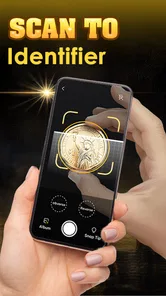
The basic idea is approachable: photograph a coin, review the match, then use the result to learn more or keep track of the piece. That makes this a different kind of tool from a general web search, where you have to guess the right terms before finding relevant examples. It is also more focused than a spreadsheet, which can record a collection but cannot help you recognize an unfamiliar coin in the first place.
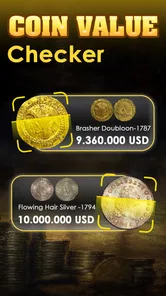
There is a useful distinction to keep in mind: identification and valuation are not the same task. A scan can point you toward a likely coin, but condition, wear, rarity, and the details of a particular issue can change what a buyer might pay. I would use any estimate as a research clue, then compare clear images and trustworthy specialist references before making a purchase or sale.
Getting started without overthinking it
This is a free tools app from Mobie Dev, with optional in-app purchases ranging from $3.99 to $39.99 per item. It is rated for Everyone, and its current version is 20.7, with Android support starting at version 8.0. The app has a 4.3 average from around 74,000 ratings and over 1 million installs, so it has attracted a substantial audience, though those figures alone cannot tell you whether a particular scan will be accurate.
For your first try, choose a coin you can handle safely and photograph both sides in even light. Keep the coin flat, avoid glare, and make the date and lettering as sharp as you can. If the first result seems uncertain, retake the picture rather than accepting the closest-looking match. A small change in angle or lighting can make fine details easier to read, especially on a worn coin.
From first match to a useful collection record
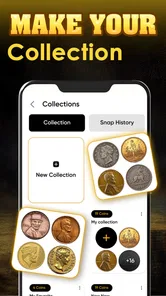
Once a result looks plausible, I’d save the search or add the coin to my collection rather than relying on memory. That turns a quick scan into a practical record: you can revisit what you found, compare pieces, and keep a running view of what you own. For a new collector, this is more useful than scanning dozens of coins without noting which ones were yours or what you learned about them.
A realistic use is sorting a jar of mixed change on a quiet evening. I’d scan only the unfamiliar pieces, check the dates and identifying marks against the results, and record the ones worth researching further. That selective approach is faster than trying to catalog every ordinary coin and helps prevent a broad visual match from being mistaken for a confirmed identification.
More From Our News Desk

 Gmail
Gmail in a Busy Inbox: Who Benefits Most?
From first account to crowded workday, Gmail earns its place through dependable search and flexible sorting—but its best fit depends on how much inbox maintenance you can tolerate.

 Prime Video
Switching to Prime Video: What Changes in Your Viewing Routine
Prime Video can make a compelling second home for streaming, but switching means learning a different catalog, rental layer, and route from browsing to playback.

 Universal TV Remote Control
 Works Best as a Reliable Backup
A phone remote earns its place through quick setup and reliable habits. Here is how to get more from Universal TV Remote Control—and where its limits show.

 Weather - By Xiaomi
Weather by Xiaomi Review: Clear at a Glance, Less Clear Up Close
Xiaomi’s weather app makes everyday forecasts quick to scan, but its calm surface can leave useful details and recovery paths harder to find than they should be.

 X
X Under Pressure: Can It Recover When Posting Goes Wrong?
A resilience-focused review of X, examining setup, mistaken posts, interruptions, weak connections, and the gaps that matter when recovery needs to be dependable.

 Clash of Clans
 Is Won Between the Battles
Its raids are quick; its community is a long-term project of coordination, teaching, rivalry, and shared responsibility—with all the friction that entails.
Latest News



What is Coin Value - Coin Identifier?
In a nutshell, Coin Value - Coin Identifier is an app designed to help users identify and appraise coins from around the globe. It’s like having a personal coin expert in your pocket, ready to assist at any time. The app’s user interface is straightforward, making it easy to dive into the world of coin collecting without feeling overwhelmed. It’s compatible with both Android and iOS, so no matter your device preference, you can jump right in.
Features that Stand Out
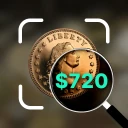
One of the first things I noticed about the app is its intuitive design. You simply snap a picture of your coin, and the app does the rest. It uses image recognition to identify the coin and then provides a wealth of information about it. This includes historical context, estimated value, and even the metal composition. It’s almost magical how quickly it pulls up this information.
Another feature I found incredibly useful is the app’s database. It’s vast and constantly updated, ensuring that even the most obscure coins are likely to be recognized. This feature, coupled with the app’s ability to save your past searches, makes it a powerful tool for both novice and seasoned collectors.
Why You Might Want to Give It a Try
For anyone interested in coins, whether as a hobby or a more serious endeavor, this app is a game-changer. Not only does it save time, but it also enriches your understanding of the coins you come across. I found myself spending hours just exploring different coins and learning about their history. The app also has a community feature, allowing users to share their finds and insights, adding a social element that can be both fun and educational.
Another nifty aspect is the app’s offline mode. While it’s always best to be connected to the internet for the most accurate and up-to-date information, the offline mode ensures you’re never left in the dark, even in remote areas where internet access might be spotty.
Using the results with care
Where I’d be cautious is with damaged, unusually small, or heavily circulated coins. A camera can capture the broad design while missing a tiny mint mark or a subtle difference between editions. I’d photograph the reverse as well as the front and check the result against those details before adding a value to my notes. If the app suggests a coin that looks close but not exact, treating it as a lead rather than a verdict is the sensible move.
The collection feature is most helpful when you build a consistent habit. I’d record a short note about where a coin came from or what still needs checking, instead of trying to remember that context later. For a group of inherited coins, for example, I’d sort them into small batches, scan the clearest examples first, and leave uncertain pieces marked for a second look. That keeps the app useful without turning a family keepsake into a rushed valuation exercise.
Who will get the most from it
I can see this working especially well for curious beginners, casual collectors, and anyone who wants a searchable record rather than a pile of unlabelled finds. It is less suited to someone who needs a formal appraisal, authentication, or a firm price before a transaction. In those cases, a specialist dealer or an established coin reference is a better next step. A manual catalog may also suit a collector who already knows every issue and wants complete control over custom fields.
The app is free to start, but the listed in-app purchases mean I’d check what is included before committing to a paid option. You can begin with a straightforward scan and decide whether the collection workflow fits your habits before spending anything. Its release date is September 22, 2023, and the 1.9K written reviews offer another perspective alongside the average rating; I’d read a few recent comments if you want to judge how it behaves on devices like yours.
Making a first scan more informative
For a first-time user, I would make the first test deliberately easy: pick a coin with a readable date and a familiar, distinctive design rather than the most worn or unusual piece in the box. That gives you a better chance of judging the scanning workflow itself instead of getting stuck on an obscure identification. Once you have a plausible match, compare both faces and note any details that do not line up. The point is not to prove the app right; it is to learn which clues help you verify a result.
A small workflow improvement is to keep one coin on the table at a time and take the front and reverse images in similar lighting. When several coins are scattered together, it is easy to forget which result belongs to which piece, especially if designs look alike. For a collection you plan to revisit, write down a short identifier alongside the saved entry, such as “brass-colored coin from the inherited tin” or “date unclear.” That context can be more useful later than a bare list of names.
When the camera is not enough
Coin identification has awkward edge cases that are easy to underestimate. A coin may be dirty, scratched, bent, or photographed through a reflective surface; any of those can hide the very details that distinguish one issue from another. I would avoid cleaning a potentially collectible coin just to improve a scan, since cleaning can damage its surface and affect its desirability. Instead, adjust the light, try a different angle, and use the visible details as prompts for manual research if the match still feels uncertain.
There is also a difference between a useful estimate and a price you can actually realize. A coin’s condition can be graded differently by different people, and asking prices in a listing are not the same as completed sales. If a result makes a coin seem valuable, I would slow down: verify the denomination, date, mint mark, and condition, then consult a specialist source or dealer before buying, selling, or insuring it. The app is most helpful at the beginning of that process, not as a substitute for it.
Choosing between a scanner and other tools
Compared with searching images online, a scanner can make the first step less intimidating because you do not need to know the right terminology before looking for a match. The trade-off is that a visual suggestion may look convincing even when a small distinguishing mark has been overlooked. A printed catalog or specialist reference takes more effort, but it can be better for checking precise varieties and learning how experts separate similar issues. I would use the app to narrow the field, then switch tools when accuracy matters more than speed.
Compared with a spreadsheet or a general collection tracker, this app’s appeal is the route from an unfamiliar object to a possible identification and then a record. A spreadsheet still wins if you want custom columns, a highly controlled inventory, or a format you can maintain independently. For someone with a modest collection and uncertain names, starting with scans and then keeping concise notes is a gentler entry point. For an advanced collector, the app may be a companion rather than the main catalog.
A practical routine for a growing collection
If you are sorting a family collection, I would first separate coins by broad visual similarities, without assuming that appearance proves they belong to the same country or period. Scan the clearest example in each small group, then compare the remaining pieces against it. This avoids doing repetitive lookups for obvious duplicates and helps you spot when one coin has a different date or design detail. Keep uncertain items separate so they do not accidentally become part of a confirmed inventory.
For everyday change, I would set a simple threshold for what deserves a closer look: an unfamiliar design, a date or mark that stands out, or a coin you want to keep for personal reasons. That prevents the collection feature from becoming a chore. If you are mainly curious, the app can turn a brief pause into a little learning session; if you are building a serious inventory, use a consistent naming and note-taking habit from the start so your records remain useful as the collection grows.
What to check before spending
Because the app is free to try and offers optional purchases, I would use the basic experience first and decide whether the results and organizing workflow actually solve your problem. Before paying for anything, check what the specific purchase unlocks and whether it suits the way you collect. A casual user who only wants to identify an occasional coin may have different needs from someone cataloging inherited pieces. There is no reason to buy an option simply because it is available; the value depends on whether it removes a real friction point for you.
Likewise, the overall rating and broad popularity are useful context, not a guarantee for every phone, coin, or photo. If performance matters to you, pay attention to how the app handles your own test coin and read user comments with similar use cases in mind. One person’s success with bright, clear modern coins does not necessarily predict how it will handle a worn piece with faint lettering. A short, careful trial is more informative than assuming every scan will be equally reliable.
Final Thoughts
All in all, Coin Value - Coin Identifier is a brilliant app for anyone curious about coins. Its user-friendly interface, coupled with a robust database and innovative features, make it a must-have for coin enthusiasts. It’s like having a digital encyclopedia that fits right in your palm. So next time you find a mysterious coin, you know exactly what to do. Happy collecting!
Coin Value - Coin Identifier Frequently Asked Questions
What coins can I identify with Coin Value - Coin Identifier?
The app is intended to help users identify coins and explore their estimated values, making it useful when you come across a coin you do not recognize or want to learn more about. Results can depend on how clearly the coin is shown and the information available for it. Treat the app as a helpful starting point, particularly when assessing a coin that may be valuable.
What should I do to get a useful coin scan?
For a clearer scan, place the coin where its details are easy to see and capture an image that shows the surface clearly. The app’s identification process uses your device’s camera, so lighting, focus, and the condition of the coin can affect what it recognizes. Reviewing the result carefully is worthwhile, especially if you plan to use its estimated value to make a decision.
Who develops Coin Value - Coin Identifier, and what kind of app is it?
Coin Value - Coin Identifier is a coin-collecting tool developed by Mobie Dev. Its main purpose is to help users identify coins, explore estimated values, and keep a collection organized, making it relevant to both curious beginners and people who already collect coins. The app is rated for Everyone, though its usefulness will depend on what you want to do with your collection.
What is Coin Value - Coin Identifier and how does it work?
Coin Value - Coin Identifier is a mobile application designed to help users quickly identify coins and determine their value. By using your device’s camera, the app can scan coins and provide detailed information about them, including origin, historical context, and estimated market value. This makes it a useful tool for collectors and enthusiasts alike.
Is Coin Value - Coin Identifier free to use, or does it have any hidden costs?
Coin Value - Coin Identifier is free to download and offers core features for exploring coins, but it also includes optional in-app purchases. These purchases range from $3.99 to $39.99 per item, so it is worth checking the purchase details before choosing any paid option. You can start with the free app and decide whether its additional features are useful to you.
Pros
- Accurate coin identification
- Wide coin database coverage
- User-friendly interface
- Regular database updates
- Offline functionality
Cons
- Limited to coin identification
- Requires in-app purchases
- Occasional misidentification
- Ads can be intrusive
- No community feature