CashHype: Play & Earn Rewards!
- 94.00
- 4.7
- Installs
- 10.00K
- Price
- Free

Screenshots




Analysis by Reviewed
I approached CashHype as a lifestyle app for people who want to play games while working toward rewards, rather than as a traditional game with one central storyline or challenge. That distinction matters. The appeal is easy to understand: instead of opening a game with no purpose beyond passing time, you use an app built around the idea of earning something from that activity. My experience is that the concept is most useful when treated as a small extra layer around casual play, not as a dependable income source.
CashHype is free, developed by Play Well, and aimed at an Everyone audience. It runs on Android devices using Android 7.0 or later, and the current release is version 1.0. Its store presence shows a 4.7 average from around 1.1 thousand ratings, with more than 10 thousand installs. Those figures suggest that the app has attracted early interest, but they also tell me to keep expectations measured: a young app can still have rough edges while its basic experience is being refined.
Getting past the first points of friction
The first place I would expect users to hesitate is the gap between the simple promise and the practical steps that follow. “Play and earn” sounds immediate, but any reward-focused app requires careful attention to how activity is recognized, how progress is displayed, and what action is needed before a reward can be claimed. If you open CashHype expecting to start playing without reading anything, you may miss an important instruction or misunderstand what counts as completed activity.
I recommend taking a slow first pass through the opening screens. Look for the wording attached to each available activity, especially anything that explains how progress is tracked. Do not assume that installing a game, opening it once, or playing for a short period automatically produces a reward. The safest approach is to follow the app’s own instructions in order and check whether the activity appears in your progress area before spending much time on it.
This is also where CashHype differs from a normal casual game. A conventional game gives you a direct response through levels, scores, unlocks, or visible achievements. A rewards app adds another layer: the app must connect your actions with a record of progress. That extra step can feel less satisfying than simply launching a game from your phone, but it is central to deciding whether the experience is working correctly.
My practical advice is to begin with one activity rather than trying several at once. A single test gives you a clearer idea of how the app presents progress and whether your device is registering what you do. It also prevents a common mistake: moving between multiple activities before understanding which one is actually being tracked. For a first session, clarity is more valuable than variety.
What to check before spending time in a game
Before you commit to a longer session, confirm that you are using the same device and app account throughout the process. Switching between devices, reinstalling immediately, or clearing app information can make it harder to understand where your progress went. I would avoid making changes during the first test unless something is clearly broken, because a stable setup makes troubleshooting much easier.
More From Our News Desk

Clash of Clans Is Won Between the Battles

Android Auto Makes the Case for Quieter Car Software

MobiOffice: Transforming Mobile Productivity with Seamless Integration

EA SPORTS FC™ Mobile Soccer: Redefining Mobile Sports Gaming

How Microsoft OneDrive Became a Mobile Productivity Giant

How Google Translate Breaks Language Barriers Effortlessly
It is worth checking that your Android version meets the requirement. CashHype supports Android 7.0 and later, so an older phone may not be suitable even if it can still run many ordinary games. On a supported device, keep the app updated to its current version, 1.0, and install it through the normal app distribution route. These are basic checks, but they remove several avoidable causes of trouble before you blame the reward system.
Another useful habit is to read the task wording literally. If an activity describes a particular action or condition, do not replace it with a similar action that merely feels equivalent. Reward tracking often depends on specific milestones, and casual assumptions can lead to disappointment. I would also take a moment to note the starting state shown in the app, so you have a reference point if the display later seems unchanged.
The best first test is short, deliberate, and easy to verify. Open CashHype, choose one listed activity, follow its instructions without jumping around, then return to the app and inspect the progress display. This workflow is less exciting than immediately chasing the biggest-looking opportunity, but it gives you useful evidence about whether the setup is behaving normally.
Why progress may look slower than expected
One source of friction is the difference between doing something and having it recognized. You may spend time inside a game and still not see an immediate change in CashHype. That does not automatically mean the app has failed. The activity may require a particular milestone, a return to the rewards app, or a short delay before the status changes. Because the app is coordinating play with reward progress, the visible result may not be as instant as the gameplay itself.
I would resist repeatedly reopening the same screens or restarting the activity in frustration. That can make it harder to tell whether the original session was recorded. Instead, finish the instructed step, return calmly to CashHype, and give the progress view a chance to refresh. If the status remains unchanged, close and reopen the app once, then compare what you see with the original instructions.
This is one of the less obvious trade-offs of the concept. The reward layer can make casual play feel more purposeful, but it also makes small technical uncertainties more noticeable. In a normal game, a delayed menu update is an annoyance. In a rewards app, the same delay raises a more important question: did the activity count? That is why I prefer a cautious, repeatable workflow over rapid experimentation.
Recovering a session when something does not update
When progress appears stuck, I would troubleshoot from the simplest cause to the more disruptive one. First, confirm that the activity was started from the place CashHype expects and that you completed the stated requirement. Then return to the app normally and check the progress screen again. If the display still looks unchanged, close the app, reopen it, and check once more. These steps are safe because they do not erase anything or alter the device.
Next, check the basics of the phone itself. A weak or interrupted internet connection can prevent an app from loading current information. Switching between a reliable Wi-Fi connection and mobile data may help identify whether the problem is connectivity rather than the activity. I would also make sure the phone has enough free storage and that Android is not aggressively stopping apps in the background, especially on older devices with limited memory.
Do not clear storage or uninstall CashHype as an early troubleshooting step. Those actions can remove local information or make the situation harder to reconstruct. If you do need to reinstall later, first make sure you understand how you will return to the same app account or setup. A reset should be a last resort, not the standard response to a delayed progress update.
It helps to keep a simple personal record during the first few sessions. Note which activity you selected, roughly when you started it, and what the app showed before and after. I am not suggesting a complicated spreadsheet; a short note is enough. This gives you a way to distinguish a missed instruction from a genuine tracking issue, and it prevents you from repeating the same uncertain action several times.
A sensible recovery sequence
Re-read the activity instructions and confirm that the required action was completed exactly as written.
Return to CashHype and inspect the progress area instead of assuming the update will appear inside the game.
Close and reopen the app once, preferably while connected to a stable network.
Check that your Android device meets the minimum requirement and that the app is running its current release.
Only after those checks should you consider more disruptive steps such as reinstalling.
This sequence is deliberately conservative. It protects your time and avoids creating a second problem while trying to solve the first. If an activity still does not register after a careful repeat, I would stop investing more time in that particular task and move on rather than assuming persistence alone will fix it.
That last point is important for a rewards app. A normal game can justify repeated attempts because the play itself may be enjoyable. With CashHype, the value depends on both the play and the successful recognition of progress. If the tracking experience is unclear, the opportunity cost becomes your time. I would rather test one alternative activity than spend an entire evening repeating a session with no visible confirmation.
When the phone or connection is the real problem
Not every failure belongs to CashHype. Phones with very old software, unstable connections, limited storage, or heavy background restrictions can create symptoms that look like app errors. If other apps are also slow to load, losing their state, or failing to update, the wider device environment deserves attention first. Restarting the phone, freeing storage, and using a more reliable connection are reasonable general checks.
Battery-saving settings can also affect how smoothly apps behave, particularly when you move between CashHype and a game. I would not change advanced system settings immediately, but if the app repeatedly loses its place after you switch away, inspect the phone’s battery and background-app controls. The exact menus vary by manufacturer, so the goal is simply to ensure that Android is not closing the app more aggressively than expected.
There is another practical limitation: performance. CashHype may be light enough to install on an older supported phone, while the games connected with the experience may demand more from the device. Meeting the Android requirement does not guarantee that every game will run comfortably. If a game stutters, overheats the phone, or makes the whole session unpleasant, the sensible choice is to skip that activity rather than treating the reward as compensation for a poor experience.
Notifications can be useful for awareness, but I would not rely on them as the only proof that progress has been recorded. Open the app and inspect its own status when something matters. A notification may be delayed, dismissed, or hidden by the phone’s settings. Checking the in-app record gives you a more dependable view of what CashHype currently recognizes.
Privacy and trust also deserve a practical pause before regular use. CashHype is free, which removes an upfront purchase decision, but “free” does not mean your time has no value. Read the app’s own permission prompts and account instructions carefully, granting only what makes sense for the experience. I would not continue if the setup asked for access that felt unrelated to playing and tracking rewards. That is a general safety rule, but it is especially relevant when an app connects entertainment with incentives.
Who will enjoy it, and who should choose something else
I can see CashHype working well for someone who already plays casual mobile games and likes the idea of organizing that habit around rewards. It may also suit users who enjoy checking progress, testing different activities, and following instructions carefully. For those people, the app adds a reason to explore games they might otherwise overlook.
A realistic everyday use case would be a short evening break after work. Instead of opening a random game and drifting between several options, you could choose one activity in CashHype, complete a clearly defined session, return to check the progress, and stop there. The benefit is not that the break becomes a job; it is that the app gives the time a simple structure. Keeping the session limited also helps prevent the reward idea from taking over your evening.
I would be more cautious recommending it to anyone looking for predictable earnings, instant withdrawals, or a replacement for paid work. The store summary presents the app around playing games and earning rewards, but that should be understood as an incentive model, not a financial plan. If your main goal is reliable income, a conventional money-management or employment platform is a better match. If your main goal is deep gameplay, a dedicated game will usually offer a more focused experience without the extra tracking layer.
CashHype is also not ideal for users who dislike reading task conditions or troubleshooting app behavior. The moment progress is not obvious, patience becomes part of the experience. Someone who wants to tap a game and receive immediate, transparent feedback may find the rewards workflow more frustrating than enjoyable. In that situation, a standard free-to-play game or a simple entertainment app would probably be the better choice.
How it compares with ordinary alternatives
Compared with launching games directly from your phone, CashHype offers a purpose beyond entertainment: it tries to connect play with rewards. That can make a familiar habit feel more intentional. The trade-off is additional setup, progress checking, and the possibility that an activity will not be recognized as quickly as expected. Direct game launches are simpler, while CashHype is more relevant when the incentive matters to you.
Compared with other lifestyle apps that focus on routines, habits, or personal organization, CashHype is less about recording your whole day and more about turning game time into a reward-oriented activity. I would not use it as a planner, fitness tracker, or general productivity tool. Its usefulness depends on whether you genuinely want games to be the center of the experience.
The early version also affects my recommendation. Version 1.0 is encouraging because it presents a clear starting point, but it means I would approach the app as something to test rather than a mature platform I would build a strict routine around. The strong average rating and growing install count are positive signals, yet they do not remove the need to judge the actual tracking flow on your own phone.
One advanced habit makes a noticeable difference: separate “fun value” from “reward value” when deciding whether to continue. If you would enjoy the game even without the incentive, a delayed update is merely inconvenient. If you are playing only for the reward, every minute spent troubleshooting should count against the activity. This simple distinction helps prevent sunk-cost thinking and leads to better choices about when to stop.
My practical verdict after using the concept as intended
CashHype is most convincing as a lightweight companion for casual gamers, not as a promise of dependable financial return. I like the straightforward idea of adding a reward goal to play, and the free entry point makes it easy to test without committing money. The Everyone rating also makes the app broadly approachable, although younger users should still follow the guidance of a parent or guardian when using reward-focused services.
My main reservation is the amount of uncertainty that can appear between starting an activity and seeing progress confirmed. That is where users are most likely to get stuck, and it is also where disciplined habits matter most. Start with one activity, read its conditions, use a stable connection, check progress inside the app, and avoid destructive resets when a status update is delayed.
I would recommend giving CashHype a limited trial if you already enjoy mobile games and are comfortable treating rewards as a bonus. I would not recommend organizing your budget around it, nor would I choose it over a dedicated game when gameplay quality is the priority. The app earns its place on my phone only when it adds structure without making leisure feel like an obligation.
In short, Play Well’s app has a clear lifestyle angle and an appealing free starting point, but its real value depends on how smoothly your device, connection, activity instructions, and progress tracking work together. Use it as a measured way to add incentives to casual play, and judge it by the clarity of the workflow rather than by the promise alone. That mindset gives you the best chance of enjoying what CashHype does well while avoiding the frustration that comes from expecting more than a rewards companion can reasonably provide.
CashHype: Play & Earn Rewards! Frequently Asked Questions
Who is CashHype designed for, and what kind of app is it?
CashHype is a lifestyle app for people interested in playing games and earning rewards through in-app activities. Its store summary describes the idea simply: play games and earn rewards. The app is rated for Everyone, so its content is presented for a broad audience. As with any rewards app, it makes sense to choose only activities that fit your interests and to read each offer’s conditions before you begin.
What devices can run CashHype: Play & Earn Rewards!?
CashHype is available for Android devices running version 7.0 or later. Checking your device’s operating system before downloading is a quick way to avoid compatibility trouble. The app is free, and its current release is version 1.0. CashHype is developed by Play Well, and it is listed as a lifestyle app focused on playing games and earning rewards.
What is CashHype: Play & Earn Rewards!?
CashHype: Play & Earn Rewards! is a rewards app that lets users earn points by completing activities such as playing selected games, trying partner offers, watching content, or reaching specific milestones. The available tasks and reward values may vary by location and account. Before starting, review each offer’s requirements carefully so you understand what must be completed to receive credit.
How do I earn rewards with CashHype?
After creating an account, you can browse the available earning opportunities in the app and choose activities that match your interests. Some offers may require installing a game, registering for a service, completing a survey, or reaching a certain level. CashHype generally tracks qualifying activity through its offer partners, so follow the instructions exactly and avoid using multiple accounts or unsupported devices.
How can I redeem my CashHype rewards?
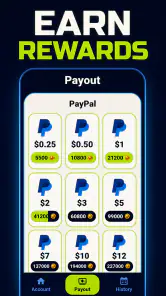
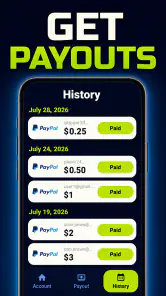
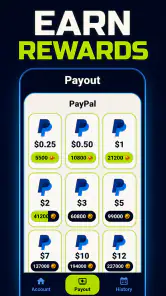
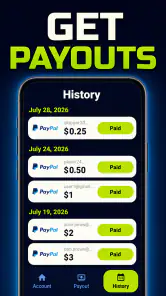
Once you reach the applicable minimum balance, CashHype may allow you to exchange your earnings for available rewards, which can include gift cards, cash-equivalent options, or other redemption methods depending on your country. Redemption choices, processing times, and eligibility requirements can change. Check the app’s rewards section before investing significant time in an offer, and verify that your account information is accurate.
Pros
- Simple reward system built around playing casual games
- Offers a variety of game options to reduce repetition
- Easy to browse available earning opportunities
- Suitable for short gaming sessions during spare time
- Free to install and try without an upfront payment
Cons
- Reward rates may vary significantly between games
- Cash-out eligibility can require reaching a minimum balance
- Earnings are unlikely to replace a regular income
- Some offers may be limited by region or device
- Frequent ads can interrupt gameplay and reward progress
- Category
- Lifestyle
- Version
- 1.0