Branded Surveys: Get Paid Cash
- 2.86K
- 4.4
- Installs
- 500.00K
- Price
- Free

Screenshots
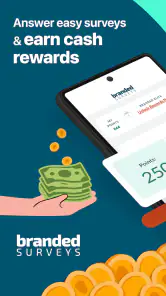
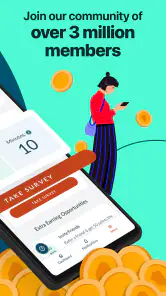
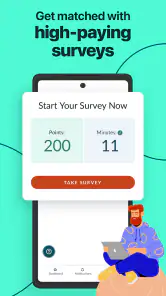
Analysis by Reviewed
I approached Branded Surveys as a small side-income tool rather than a replacement for paid work. The idea is straightforward: answer market-research questions, share your opinions, and build cash rewards over time. After using it in that spirit, I found that the app is most useful when it becomes part of a repeatable routine instead of something I open randomly whenever I remember it.
That distinction matters. Survey apps can look appealing because each task is easy to understand, but the real test is whether the time, screening questions, and available opportunities fit your habits. Branded Surveys: Get Paid Cash is a free lifestyle app from Branded Research, Inc, and its focus is narrower than a general rewards platform. You are not browsing a large catalog of shopping offers or trying to manage coupons. You are mainly checking for surveys that match your profile and deciding which ones deserve your time.
My overall impression is that this is a practical option for patient users who want occasional cash rewards, not instant earnings. The experience has a clear learning curve: first you learn how surveys work, then you learn which opportunities are worth opening, and finally you develop a routine that reduces wasted time. That last stage is where the app becomes noticeably more useful.
How the everyday survey workflow feels
The basic process is easy enough for a first-time user. I would open the app, look through the available survey opportunities, read the information shown before starting, and choose one that seemed reasonable for the time involved. The important habit is not to treat every listing as equally valuable. A short survey with a good reward can make sense during a spare moment, while a longer questionnaire may be a poor choice if I am distracted or likely to abandon it.
Screening is part of the experience. A survey may begin with questions designed to determine whether I fit the audience the researcher wants. That means a person can spend time answering initial questions and still not reach the main questionnaire. I consider this normal for market research, but it is also the main source of frustration. Anyone expecting every tap to convert directly into a reward will probably find the process disappointing.
My preferred workflow is to check the available list when I have a quiet block of time, not while walking between tasks. I read the estimated commitment carefully, select one survey, and finish it before moving to another. This reduces the chance of losing track of which questionnaires I have already attempted and makes it easier to judge whether the session was worthwhile.
For a realistic example, imagine having fifteen minutes before an appointment. I would not start the longest opportunity just because it appears first. I would look for a manageable survey, complete the profile questions honestly, and stop if the available options clearly require more attention than I have. On another day, during a longer break, I might try a more involved questionnaire. The app works better when I match the survey to the time I actually have.
More From Our News Desk

Clash of Clans Is Won Between the Battles

Android Auto Makes the Case for Quieter Car Software

MobiOffice: Transforming Mobile Productivity with Seamless Integration

EA SPORTS FC™ Mobile Soccer: Redefining Mobile Sports Gaming

How Microsoft OneDrive Became a Mobile Productivity Giant

How Google Translate Breaks Language Barriers Effortlessly
The reward structure also encourages patience. This is money earned in small increments, so I would not use it to cover a bill or plan a purchase that depends on immediate payment. I see it as a way to turn otherwise idle moments into modest rewards. That expectation keeps the experience realistic and makes ordinary screening friction easier to tolerate.
What I would do before answering the first survey
I would complete the profile information carefully and keep my answers consistent. Market-research systems use profile details to find relevant audiences, so rushed or contradictory responses can make the experience less useful. I would also answer based on my real situation rather than trying to guess which response might unlock more surveys. Trying to game the questions is a poor long-term strategy and can make later questionnaires feel repetitive or unreliable.
I would keep notifications under control as well. If the app sends alerts for new opportunities, they can be helpful for someone who wants to check promptly, but constant interruptions are not worth it for a low-pressure side-income app. My preference would be to allow useful reminders only if they fit my schedule. Otherwise, a planned manual check is calmer and gives me better control over when I spend time on surveys.
Another practical step is to use a stable internet connection and avoid starting a survey when the phone is about to lose service. A questionnaire can require sustained attention, and interruptions are especially irritating after completing several screening questions. This is not a special feature of Branded Surveys; it is simply a sensible way to protect the time already invested.
Settings and account habits worth checking
The most valuable “settings” here are the choices that shape how I use the app, rather than a complicated customization system. I would review notification behavior, make sure my account details are accurate, and check the reward or cash-out area regularly enough to understand my progress. Doing this early prevents a common mistake: collecting rewards without knowing what steps are needed to turn them into money.
I would also pay attention to the wording around each reward option and follow the in-app instructions carefully. The app’s purpose is to earn cash rewards, but the practical path from completed survey to received reward still deserves attention. Before spending a lot of time on questionnaires, I would make sure I understand how the app presents balances, eligibility, and redemption choices on my device.
Because the app is rated for Everyone, it is approachable for a broad audience, but that does not mean it is equally suitable for every person. Younger users and anyone sharing a device should understand that surveys ask about personal preferences and everyday behavior. I would only provide information I am comfortable sharing for market research, and I would read each question rather than tapping through automatically.
The Android version works with Android 7.0 or later, which makes it accessible on many older phones. That is useful if you do not own a recent flagship device, although an older phone may still make long questionnaires less comfortable because of screen size, speed, or battery condition. The current version is 1.9.21, so I would keep the app updated when an update is available through the normal store process. Updates can matter for stability, but I would not assume that every update changes the earning experience.
One setting-related habit I find especially useful is separating survey time from ordinary phone time. If I open the app while already distracted, I am more likely to abandon a questionnaire or answer carelessly. I would create a simple rule: only start a survey when I can give it uninterrupted attention. That rule does more for the quality of my sessions than repeatedly refreshing the app.
How I decide whether a survey is worth opening
I look at three things together: the expected effort, the reward shown, and my current level of concentration. A survey that appears attractive on paper may not be worthwhile if it begins with a long sequence of qualifying questions. Conversely, a modest opportunity can be perfectly reasonable when I am already sitting idle and can complete it without rushing.
I also avoid treating a failed screening attempt as a personal setback. Qualification depends on the audience needed for that particular study. The useful response is to move on, not to change answers in hopes of qualifying for the next one. Honest answers make the account more sustainable and keep the information supplied to researchers meaningful.
When the app presents several choices, I favor variety in subject matter if the options allow it. Repeatedly forcing myself through surveys I find tedious makes the routine harder to maintain. Selecting topics that genuinely match my experience also helps me answer more clearly, which is better than guessing about products or services I do not use.
Faster patterns that make the routine less tiring
Experienced use is less about tapping quickly and more about removing avoidable decisions. I would check the app at predictable times, such as during a planned break, rather than opening it dozens of times throughout the day. This creates a clear boundary: I am either doing a survey session or I am not. It also prevents the app from taking over attention for rewards that are usually incremental.
I would keep a simple mental note of which survey types tend to suit me. If a questionnaire repeatedly asks about areas outside my experience, I would stop prioritizing similar opportunities. If another kind of survey is easy for me to answer accurately, I would consider it a better fit when several choices appear. This is not a secret shortcut; it is ordinary pattern recognition that saves time.
Another efficient habit is to finish one survey before checking for something else. Jumping between opportunities can create confusion, especially if one closes or if I forget where I left off. A single-task approach also makes it easier to notice whether the app has recorded completion properly. If anything looks unclear, I would resolve that before beginning another questionnaire.
I would use the app during naturally idle moments, but not during situations where attention matters. Commuting as a passenger or waiting in a quiet reception area can work; driving, walking through busy streets, or multitasking at work does not. The reward is never worth compromising safety or making careless responses.
For users who want a more disciplined approach, I suggest setting a personal stopping point rather than chasing every available survey. For example, I might decide that one focused session is enough for the day. This protects the app from becoming an endless search for the next opportunity and helps me judge its value over several sessions instead of reacting emotionally to one disappointing screening result.
Where it beats ordinary alternatives, and where it does not
Compared with general cashback apps, Branded Surveys is more direct if your goal is to answer questions rather than shop. You do not need to plan purchases around a reward portal, and the main activity is clear from the moment you open the app. That simplicity is a strength for someone who wants a dedicated survey routine.
On the other hand, shopping-reward services may be a better fit for people who already make frequent online purchases. Those users can sometimes earn while buying things they intended to purchase anyway, whereas survey rewards require active time and attention. I would choose Branded Surveys when I want a task-based option, not when I am looking for passive savings attached to shopping.
It also differs from apps that combine games, videos, offers, and surveys. A mixed rewards app may provide more variety when I get bored with questionnaires. Branded Surveys is easier to understand because it stays focused, but that focus can feel limiting if I want several ways to earn from the same account. The better choice depends on whether simplicity or variety matters more to me.
Compared with traditional paid freelance work, the barrier to entry is lower, but the earning potential and control are different. Freelancing lets me sell a defined skill and negotiate work, while surveys ask for opinions and demographic fit. I would never replace dependable work with this app. I would use it only for spare time when I want a low-commitment activity.
Limits that become clearer with regular use
The biggest limitation is that availability is not entirely under my control. Even with a complete profile and a willingness to participate, I cannot assume that a suitable survey will always be waiting. Opportunities depend on the research audiences being sought, so some days may feel productive while others offer little that fits.
Screen-outs are another unavoidable trade-off. The first part of a survey can feel like unpaid effort when I do not qualify. I reduce the annoyance by choosing opportunities carefully and limiting sessions, but I cannot eliminate it. Anyone who dislikes uncertainty in a task should think twice before relying on this type of app.
There is also a concentration cost. Some questionnaires are simple, but others may ask for detailed opinions about brands, habits, or experiences. If I answer while tired, I may give low-quality responses and enjoy the process less. The app is not a good choice for someone seeking completely passive rewards, because earning requires active participation.
Privacy should be considered in practical terms. Surveys ask for opinions and information relevant to research, so I would read questions attentively and avoid sharing anything that makes me uncomfortable. I would also use a personal account rather than treating the app as a communal tool on a family device. The Everyone rating describes broad content suitability, not a promise that every user will want to answer every question.
Finally, cash rewards should be viewed as a gradual outcome. I would not download the app expecting an immediate payout simply because the store summary mentions real cash rewards. The sensible approach is to learn how the balance and redemption process work, build rewards at a pace that suits my schedule, and decide after several sessions whether the time feels worthwhile.
Who should use it and who should skip it
I think Branded Surveys suits people who enjoy giving opinions, have short periods of free time, and are comfortable with rewards accumulating gradually. It can fit students, part-time workers, caregivers, or anyone who wants a simple survey-focused activity without committing to a larger side business. The free price makes experimenting easy, provided expectations remain modest.
I would skip it if I need predictable income, dislike answering personal preference questions, or become frustrated when a survey screens me out. I would also choose a different category of rewards app if I prefer earning through shopping, receipt scanning, games, or other activities. The focused design is helpful for the right user, but it is not a universal solution.
The public response suggests that many users find the concept worthwhile: the app holds a 4.4 average from around 14 thousand ratings, with more than 2.9 thousand written reviews and over 500 thousand installs. I treat those figures as useful context rather than a guarantee. A strong overall reception can show that the basic model works for many people, but my own result would still depend on survey availability, patience, and how well the routine fits my day.
My verdict after building a repeatable habit
Branded Surveys: Get Paid Cash is at its best when I use it deliberately. I check at sensible times, read the opportunity before starting, answer consistently, and stop when the session stops being worthwhile. Those habits do not transform surveys into a major income source, but they make the experience more efficient and less frustrating.
I appreciate that the app has a clear purpose and is free to try. Its lifestyle category makes sense because it turns spare attention into a small reward activity rather than presenting itself as a full employment platform. The developer, Branded Research, Inc, has kept the central idea easy to understand: share opinions through surveys and work toward cash rewards.
My recommendation is therefore qualified but positive. If you want a focused survey app and can accept screening, uneven availability, and gradual progress, it is worth trying on a compatible Android phone. If you need guaranteed tasks, immediate money, or passive earnings, I would look elsewhere. The mastery point is recognizing that success here comes from choosing the right moments and opportunities, not from opening the app constantly.
After using it with that mindset, I would keep it as one small option in a broader personal routine. I would not depend on it, but I would recommend it to a friend who enjoys questionnaires and wants to make occasional spare minutes more productive. The best result comes from treating each survey as a deliberate trade of time for a modest reward, not as a promise of effortless cash.
Branded Surveys: Get Paid Cash Frequently Asked Questions
Do I need to create an account to use Branded Surveys?
Yes. To take surveys and receive rewards, you need to register and provide information about yourself. That profile helps match you with surveys aimed at particular groups, so answer accurately and keep your details consistent. Before signing up, consider what personal information you are comfortable sharing and review the app’s privacy policy and terms.
What kinds of activities can I do in Branded Surveys?
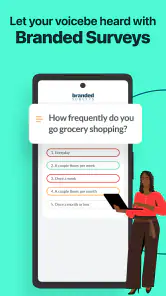
The app is centered on answering surveys, sharing your opinions, and earning cash rewards. Opportunities can vary, and the surveys shown to you may depend on your profile, interests, and location. If you are considering downloading it, keep in mind that survey availability is not necessarily constant, so it may work best as an occasional activity rather than something to use on a fixed schedule.
Is Branded Surveys free to download, and which devices can run it?
Branded Surveys is a free lifestyle app from Branded Research, Inc. It is listed for devices running Android 7.0 or later, so check your device’s operating system before installing. The app’s purpose is to let members answer surveys, share their opinions, and earn cash rewards. As with any app, make sure you download it from the official app store for your device.
What is Branded Surveys: Get Paid Cash?
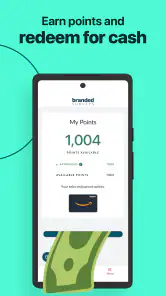
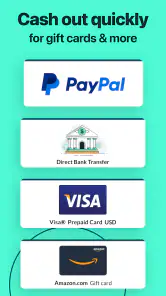
Branded Surveys is a rewards app that lets you earn points by completing online surveys and other available activities. After registering, the app presents surveys based on your profile, interests, and location. Completed surveys add points to your account, which can later be exchanged for supported rewards such as cash payments or gift cards, depending on your country and eligibility.
How much money can you make with Branded Surveys?
Your earnings depend on how many surveys you qualify for, the length and reward value of each survey, and the availability of opportunities in your region. Some surveys may take only a few minutes, while others require more time. It is best viewed as a way to earn occasional extra money rather than a dependable replacement for a job or regular income.
Pros
- Simple surveys can be completed in short sessions.
- Multiple cash-out options provide flexibility for rewards.
- Progress toward the next payout is easy to track.
- Daily poll activities can add small bonus earnings.
- The app is suitable for users with limited survey experience.
Cons
- Survey availability can vary significantly by location.
- Some surveys screen users out after initial questions.
- Earnings per survey may be low compared with the time required.
- Profile information must be kept updated to receive relevant surveys.
- Rewards may take time to process after reaching the payout threshold.
- Category
- Lifestyle
- Version
- 1.9.21