align27 Vedic Astrology Guide
- 131.00
- 3.7
- Installs
- 100.00K
- Price
- Free
Screenshots
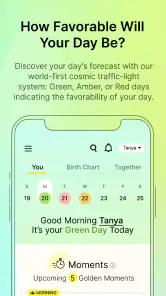
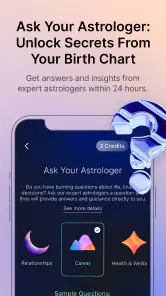
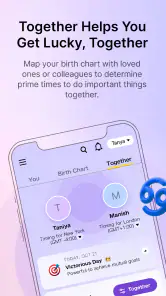
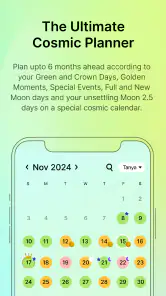
Analysis by Reviewed
I approached align27 Vedic Astrology Guide as a practical lifestyle app rather than something to open once and forget. Its focus is clear: horoscopes and a natal birth chart, presented through a Vedic astrology lens. That makes it most interesting for people who want a structured way to reflect on personality, timing, and recurring themes, especially if they already enjoy astrology and want more than a short daily prediction.
My first impression is that the app works best when I treat it as a personal reference tool. I would not use it as a substitute for professional advice or as a machine that can make important decisions for me. Instead, I find value in comparing what it says with my own experiences, keeping notes about recurring patterns, and returning to the chart when I want a broader view than a quick horoscope can provide.
What the app is trying to do
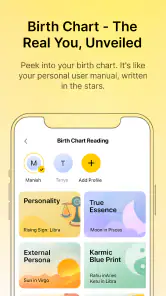
Developed by Gman Labs, this free lifestyle app combines horoscope content with a natal birth chart. The distinction matters. A daily horoscope is easy to consume but usually broad, while a birth chart is intended to be more personal because it is connected to the details entered during setup. In practice, that gives the app two different rhythms: a quick check when I want a short reading, and a slower exploration when I want to understand the chart itself.
The app has been available since April 17, 2018, and its current version is 4.6.5. That history gives it the feel of an established Android product rather than a brand-new experiment. It has passed the threshold of over one hundred thousand installs, while its average rating sits at 3.7 from around one thousand ratings. I read that combination as a sign of useful appeal mixed with some uneven experiences, so I would approach it with interest but not blind expectations.
It is rated for Everyone, which matches the general subject matter. Still, the mature way to use any astrology app is to keep its interpretations in perspective. The language can feel personal, but it remains interpretive. I would use it for reflection, journaling, or entertainment rather than allowing a prediction to overrule medical, financial, legal, or relationship decisions.
Getting started without making the chart meaningless
The most important setup choice is entering birth information carefully. A small mistake in the date, time, or location can affect how personal the result feels, so I would not rush through the first screen just to reach the horoscope. If I were setting it up for a family member or friend, I would confirm the details first instead of guessing. This is one of the less obvious trade-offs of a birth-chart app: the reading can look detailed, but its usefulness depends heavily on the quality of the information behind it.
I also recommend deciding what I want from the app before browsing. If I am only looking for a brief daily prompt, digging through a full chart may feel excessive. If I want to understand personality themes or revisit a particular life period, the chart becomes more worthwhile. That simple distinction prevents the experience from becoming a stream of disconnected astrological terms.
More From Our News Desk

Clash of Clans Is Won Between the Battles

Android Auto Makes the Case for Quieter Car Software

MobiOffice: Transforming Mobile Productivity with Seamless Integration

EA SPORTS FC™ Mobile Soccer: Redefining Mobile Sports Gaming

How Microsoft OneDrive Became a Mobile Productivity Giant

How Google Translate Breaks Language Barriers Effortlessly
People new to Vedic astrology may need patience. A chart can feel less immediately friendly than a conventional magazine horoscope because it introduces a symbolic system rather than giving one plain sentence. My approach would be to focus on one section at a time, write down unfamiliar words, and look for repeated themes instead of trying to understand everything in one sitting.
Speed expectations in everyday use
For ordinary browsing, I would expect a lightweight experience. The core idea is reading horoscope material and examining chart information, not editing video, playing a graphics-heavy game, or processing large files. That means the app should generally suit short sessions on a wide range of Android phones that meet its minimum requirement of Android 8.0.
Perceived speed is not only about how quickly a screen appears. Astrology apps also feel fast when the information is organized clearly and I can move from a general reading to a more personal chart without losing my place. When an app makes me repeatedly search for the same interpretation, even a technically quick interface feels slow. With this kind of product, clarity and navigation matter almost as much as loading time.
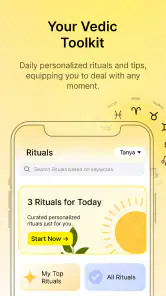
I would use it in small bursts: a horoscope check in the morning, a chart review during a quiet break, or a longer session when I am journaling. That pattern is more realistic than expecting it to remain open for hours. Short visits also make it easier to judge whether the readings are genuinely useful to me rather than letting the novelty carry the experience.
A practical daily scenario would be checking the app before writing a weekly journal entry. I might read the current horoscope, note the central theme in one sentence, then compare it with what actually happened during the day. At the end of the week, I could review those notes and decide whether the app helped me notice a pattern or simply encouraged vague interpretation. That workflow gives the content a purpose without treating it as a prediction engine.
Where heavier use can become demanding
The more time I spend exploring a natal chart, the more demanding the experience becomes—not necessarily for the phone, but for my attention. A long reading can produce a lot of information without telling me which part deserves priority. I find it more useful to choose a question first, such as whether I am examining communication style, work habits, or a recurring emotional response.
Heavy use can also mean repeated comparisons. Someone interested in astrology may return to the chart, revisit horoscope entries, and compare interpretations across different days. That is where organization becomes important. I would keep a separate note with the date, the main theme, and my own observation. Without that habit, repeated readings can blur together and make every sentence seem equally significant.
Another trade-off is the temptation to keep refreshing for reassurance. If I am anxious about a decision, an astrology app can become a loop: read a prediction, feel uncertain, check again, and search for a more comfortable interpretation. I would avoid using it that way. The app is better as a prompt for reflection than as a source of repeated confirmation.
In longer sessions, the most useful technique is selective reading. I would not try to absorb every chart label or interpretation at once. Instead, I would choose one area, copy a short personal note in my own words, and close the app. That makes the information easier to remember and helps separate the app’s interpretation from my own judgment.
Reliability, consistency, and trust
Reliability has two sides here. One is technical stability: whether the app opens, keeps my place, and presents its material consistently. The other is interpretive reliability, which is much more subjective. A horoscope can feel accurate because it describes common experiences in a relatable way, so I would judge the app by the quality of the reflection it encourages, not by expecting scientifically verified forecasts.
The rating of 3.7 suggests a mixed but meaningful public response. I would not treat that number as a final verdict, but it does support a balanced expectation. Some users will likely appreciate having horoscopes and a birth chart together, while others may find the interpretations too broad, the learning curve too steep, or the overall experience less polished than they wanted.
For my own use, consistency would mean being able to return to the same chart and understand what I am reading without feeling that the app is constantly changing the basis of the interpretation. I would also want to distinguish permanent chart information from time-sensitive horoscope material. That distinction is essential because a natal chart is a long-term reference, while a daily reading is temporary and should not carry the same weight.
I would be especially careful with any interpretation that sounds absolute. Statements about health, money, or major life choices deserve skepticism, regardless of how confidently they are written. The safest and most useful reading style is conditional: “this may prompt me to consider…” rather than “this will definitely happen.” That mindset improves the experience more than simply searching for the most flattering prediction.
Device constraints and cost considerations
The Android 8.0 minimum makes the app accessible to many users, including people who do not own the newest phone. That is helpful for a reading-focused lifestyle app, since its purpose does not demand cutting-edge hardware. On older devices, I would still keep sensible expectations: switching between many open apps, limited storage, or an aging battery can affect any Android experience even when the app itself is not demanding.
Because the main download is free, it is easy to try without committing money immediately. However, in-app purchases range from $4.99 to $499.99 per item. That is a wide span, so I would pay close attention to each purchase screen and avoid assuming that every feature is included simply because the app costs nothing to install. I would also decide in advance how much the experience is worth to me before considering an upgrade.
This is an important point for casual users. If I only want occasional horoscope reading, the free experience may be enough to decide whether the app fits my habits. If I become interested in deeper chart material, I would first use the app consistently and evaluate whether I am returning for genuine insight or just responding to curiosity. A purchase makes more sense when it supports a regular workflow, not when it is an impulse after one interesting reading.
For someone using an older or modest Android phone, I would prioritize free storage, a stable connection when content needs to load, and closing unrelated apps if the device feels sluggish. I would not expect the app to be a major resource drain compared with media-heavy applications, but I also would not promise identical performance on every handset. Device age, manufacturer software, and background activity can all change the feel of a simple app.
How it compares with ordinary horoscope alternatives
The usual alternative is a general horoscope website or a social-media feed. Those options are convenient and often faster for a single daily sentence, but they can be shallow and distracting. This app has a stronger reason to stay installed if I want the horoscope experience connected to a natal chart rather than scattered across unrelated pages.
Another alternative is a dedicated astrology consultation or a printed birth-chart report. Those can offer more human context or more explanation, but they are less convenient for quick personal checking. align27 sits between those extremes: more personal than a generic zodiac snippet, yet more self-guided than a conversation with an astrologer. That middle position is its main appeal.
It is not automatically the best choice for someone who wants a simple, scientific mood tracker, a meditation routine, or a plain calendar of reminders. Those tools answer different needs and may be better if I want measurable habits rather than symbolic interpretation. Likewise, a serious astrology student may eventually prefer a specialized reference tool with extensive educational material. I would choose this app for approachable personal exploration, not for replacing a complete study system.
Who will get the most from it
I think the app suits curious beginners who want to move beyond generic zodiac content without immediately paying for a personal consultation. It can also work for experienced astrology readers who want a convenient place to revisit their birth chart and horoscope material during ordinary routines.
It is particularly useful for reflective habits. I can pair a reading with journaling, use a chart theme as a prompt for self-questioning, or compare a prediction with what actually happened instead of accepting it automatically. That makes the app more valuable as a conversation starter with myself than as a source of fixed answers.
I would skip it if I dislike symbolic systems, want strictly evidence-based guidance, or feel uncomfortable with the possibility of paid extras. I would also avoid relying on it if I am looking for urgent answers. Its best role is optional and reflective; its worst role would be allowing a horoscope to control a serious decision.
My performance verdict after weighing the trade-offs
From a performance perspective, this is the kind of app I would expect to be comfortable for reading-focused sessions, especially on a device running Android 8.0 or newer. Its demands are likely to come more from extended browsing and the amount of information I choose to process than from visually intensive tasks. I would judge it by how smoothly it supports short checks and deliberate chart exploration.
The strongest practical insight is that preparation improves the experience. Accurate birth details, a clear question, and a small note-taking habit make the chart more useful than simply opening the app and scrolling. The second is that selective reading prevents overload: one theme at a time is more helpful than trying to interpret every element immediately. The third is financial: because purchases can be substantial, I would test my regular interest before spending.
Gman Labs has made a free lifestyle app with a clear audience and a recognizable purpose. Its 3.7 average rating reflects why I would recommend a measured trial rather than an unconditional endorsement. I like the combination of horoscope access and a personal birth-chart focus, but I would want users to bring patience, skepticism, and awareness of the purchase range.
My final recommendation is simple: try it if you enjoy Vedic astrology and want a personal reference on your Android phone. Use it alongside journaling or quiet reflection, and judge the readings by whether they help you think more clearly. If you only want a one-line daily horoscope, a simpler alternative may be quicker. If you want certainty, professional guidance, or a fully academic astrology resource, this is not the right tool. For curious users who understand those limits, this app is most rewarding when treated as a reflective guide rather than a decision-maker.
align27 Vedic Astrology Guide Frequently Asked Questions
Does align27 work on my Android or iOS device?
align27 is available for Android and iOS, and the Android version requires Android 8.0 or later. Before downloading, check that your device meets the relevant platform’s requirements and that you have enough space for the app. The app is listed for everyone, though individual features and the interface may vary between platforms.
What is align27 Vedic Astrology Guide?
align27 Vedic Astrology Guide is an astrology and self-reflection app based on Vedic astrology principles. It uses personal birth information to provide interpretations, daily guidance, planetary insights, and suggestions intended to help users understand patterns in their lives. The app is designed more as a personal guidance and wellness tool than as a replacement for professional, medical, financial, or psychological advice.
What information is required to use align27?
To create a personalized experience, align27 generally requires details such as your date of birth, exact birth time, and place of birth. These details are used to calculate your Vedic astrology chart and generate relevant readings. Accuracy matters, especially for the birth time and location, so users should check the information carefully before saving it. Some features may also request an account or additional profile preferences.
What features can users expect from align27 Vedic Astrology Guide?
The app typically focuses on personalized Vedic astrology guidance, including birth-chart interpretations, planetary or transit information, daily insights, and recommendations connected with personal growth. Depending on the current version and subscription plan, users may also find guided practices, forecasts, compatibility-related content, or tools for tracking astrological cycles. Available features can vary by platform, region, and app updates.
Is align27 Vedic Astrology Guide free to download and use?
align27 is free to download, but some readings, tools, or personalized guidance may require a paid subscription or in-app purchase. Before starting a trial or making a purchase, review the pricing, renewal terms, and cancellation instructions shown in the app store. A free download does not mean that all features are free, and subscription conditions may differ between Android and iOS.
Pros
- Clear Vedic astrology explanations for beginners
- Personalized charts help make readings more relevant
- Useful guidance on planets
- houses
- and zodiac signs
- Clean interface makes browsing astrology content easy
- Can support reflection on goals
- habits
- and life patterns
Cons
- Some advanced features may require a paid subscription
- Astrology readings should not replace professional advice
- Predictions may feel broad or subjective to some users
- Accurate birth details are needed for better chart results
- Frequent notifications may feel unnecessary for casual users
- Category
- Lifestyle
- Version
- 4.6.5