2nd Phone Number - Call & Text
- 31.63K
- 4.0
- Installs
- 10.00M
- Price
- Free

Screenshots

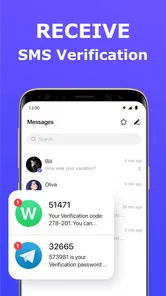
Analysis by Reviewed
I find a second number most useful when I need a boundary, not a whole second phone. For example, if I’m selling a desk online, I can give a buyer a separate contact number rather than my everyday one. That makes follow-up easier to keep apart, while avoiding the hassle of carrying another device. The important distinction is that a second number is a practical layer of separation, not a guarantee of anonymity or a replacement for careful decisions about whom to contact.
What free access does—and doesn’t—settle
2nd Phone Number - Call & Text is a free communication app from TalkU International Inc., with in-app purchases listed from $1.99 to $79.99 per item. That gives you a way to try the app without an upfront purchase, but the range alone doesn’t tell you which option suits your calling and texting habits. I’d check the current purchase details in the app before relying on it for regular business use, and decide whether the amount of use you expect justifies any paid option.
Its reach is substantial: it has over 10 million installs, around 355,000 ratings, and a 4.0 average. Those figures offer context, not a promise that every call will fit your needs. It’s rated for Everyone, and the current version is 6.2.8, which requires Android 6.0 or later. The app has been available since November 18, 2014, so it is an established option rather than a brand-new experiment.
Where a second number earns its place
Imagine you’re running a small business from home. You don’t want your personal number circulating amongst clients, yet you’re not ready to invest in a separate phone. This app allows you to manage business calls and messages without exposing your personal contact details. It’s like having a second SIM card, minus the physical card and the extra phone.
Putting the extra line to work
The clearest benefit is not simply having another number; it’s being able to choose which number you share in each situation. I’d reserve the app-based line for conversations that may be temporary or come from people I don’t know well, such as an online listing, a one-off service inquiry, or early contact with a prospective client. My regular number can remain for family, friends, and accounts where I want a stable contact point.
A realistic routine might look like this: I post a desk for sale, use the second number in the listing, and keep the buyer’s messages in that separate conversation space. If the sale falls through or the inquiries become unwanted, I can stop using that number for new public listings rather than having exposed my everyday number to every interested stranger. That is a useful boundary, though it doesn’t erase details already shared in a conversation or guarantee that a contact cannot reach me through another route.
For a small home business, I’d also decide in advance what counts as an urgent call and what can wait. The app’s voicemail option can give callers a way to leave a message instead of making every missed call feel immediate. That makes the extra line more manageable, but it doesn’t create true office hours by itself: I still need to decide when to check it and how quickly I’ll reply.
More From Our News Desk

Weather by Xiaomi Review: Clear at a Glance, Less Clear Up Close

X Under Pressure: Can It Recover When Posting Goes Wrong?

Clash of Clans Is Won Between the Battles

Android Auto Makes the Case for Quieter Car Software

MobiOffice: Transforming Mobile Productivity with Seamless Integration

EA SPORTS FC™ Mobile Soccer: Redefining Mobile Sports Gaming
Setup and user experience
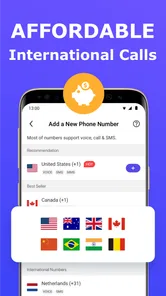
Getting started with 2nd Phone Number - Call & Text is a breeze. After downloading the app, you’re prompted to choose a phone number from a list of available options. This could be based on area code preferences, which is great if you want to appear local to a certain region. The interface is clean and intuitive, making it easy even for the less tech-savvy among us to navigate. Within minutes, you're ready to make calls and send texts.
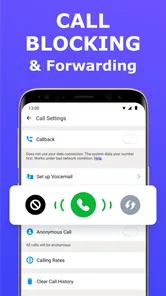
The app also offers a range of customization options. You can set up voicemail, block numbers, and even schedule messages to be sent later. It's like having a fully functional second phone right within your existing device.
Small habits that prevent mix-ups
Having two numbers on one handset saves the trouble of carrying another device, but it also means I have to pay attention to which line I’m using. Before sending a message, I’d glance at the number or conversation context, particularly when switching quickly between a client and a personal contact. That simple pause can prevent an awkward reply from the wrong number and helps preserve the separation the app is meant to provide.
Scheduled messages are handy for routine follow-ups, but I’d treat them as reminders to be careful, not as a substitute for checking in. Before scheduling, I’d confirm the recipient and timing, then consider whether a delayed message will still make sense if the conversation changes. A follow-up meant for a buyer can sound pushy or confusing if the item has already been sold, so this feature is best for predictable messages rather than sensitive or time-dependent exchanges.
Blocking can help when a particular contact is no longer welcome on the second line. It is most useful as a practical way to manage that line, not as a promise that the person cannot contact me by other means. I’d also avoid sharing the number more widely than needed just because it is separate; reducing exposure is more effective than assuming a second number makes every interaction harmless.
A separate line is useful, but not magic
Features such as voicemail and blocking can make a second line easier to manage: I’d use voicemail to keep after-hours queries from demanding an immediate reply, and blocking to stop unwanted contacts from continuing to reach that line. Scheduled messages can help with routine follow-ups, but I’d use them sparingly and check the recipient and timing first. A message sent from the wrong line can undermine the separation the app is meant to provide.
One practical habit is to label the purpose of the number in your own routine and always check which line is active before replying. That matters when switching between a marketplace conversation, a client, and a personal text. A second number can reduce how widely your main number is shared, but it does not make a conversation anonymous; recipients can still identify you through what you say or other details you choose to share.
Privacy needs realistic expectations
In today's digital age, privacy is paramount. The app ensures that all your communications through the second number are secure and private. This is particularly useful for dating, online selling, or any situation where you’d prefer not to give out your main number. Knowing your calls and texts are encrypted gives that extra peace of mind.
I’d treat the second number as a contact boundary rather than a security shield. It can help keep casual contacts away from your main number, but I wouldn’t use it as a substitute for careful judgment, especially with sensitive conversations or accounts that depend on a phone number for access. If dependable long-term reachability is essential, compare the app’s current terms and purchase choices with a carrier-provided second line before moving important contacts over.
That distinction matters when deciding whether to use the number for account verification or other important access. A number used as a temporary contact for a sale is one thing; a number that becomes the only way to recover an account is a more consequential choice. I’d keep essential account recovery details somewhere dependable and avoid making a number I may stop using the sole route back into an important service.
How it compares with other ways to add a line
Compared with using your regular number for everything, a separate app-based number can make it easier to keep work, selling, or dating conversations distinct on one device. A physical second SIM or a carrier line may be a better fit if you want your extra number managed as part of your mobile service. Conversely, if you only need to message people who already use the same messaging platform, that platform may be simpler than adding another number. The right choice depends on whether you value separation, carrier integration, or fewer apps most.
The trade-off is convenience versus integration. An app-based line keeps both conversations on one phone, which is attractive if the main goal is to avoid carrying extra hardware. A carrier-provided line may make more sense for someone who wants an additional number tied directly to their mobile service. And if the people I need to reach already use one messaging service, a second phone number may be unnecessary overhead. I’d choose based on how contacts need to reach me, not on the appeal of having an extra number in itself.
This is especially handy for someone who takes occasional client calls or posts items for sale and wants one number to share publicly. It is less compelling if you need a second line for critical, always-available communication, or if you do not want to manage another app and its purchase options. Before giving out the number widely, test your everyday workflow: place a call, send a text, and check how voicemail and blocking fit your needs.
Who is most likely to get value
I’d recommend considering it if you regularly post contact details in public, take occasional calls for a side business, or want a separate point of contact for early-stage conversations. The advantage is strongest when separation is useful but a second device would be excessive. It can also suit someone who wants to keep personal and less familiar contacts distinct while using one handset.
I’d be more cautious if people must reach me reliably at any time, if the number will become central to important accounts, or if I need a line that behaves as part of my carrier plan. Someone who rarely receives calls or texts from unfamiliar people may not gain enough to justify managing another app. In those cases, keeping a single number—or choosing a carrier line for a more permanent second number—may be the simpler decision.
Value for money
While the app is not free, it offers competitive pricing plans that cater to different needs, whether you’re a heavy user or just need it occasionally. Considering the convenience and functionality it provides, it's a worthy investment for both personal and professional use.
For me, the value comes from keeping a boundary without carrying a second phone. The app is free to access, while optional in-app purchases make the real cost depend on how you plan to use it. I wouldn’t assume that every useful feature or level of usage is covered at no cost; I’d review the available options first and weigh them against how often I expect to call and text. It makes the most sense when a separate number solves a recurring problem, not just because having one sounds convenient.
Before committing to a paid option, I’d work out what I actually need the line to do. Is it for a handful of temporary conversations, or will I give it to clients who may contact me repeatedly? The answer changes how I judge the purchase range: occasional use and regular reliance are different needs. Since the listed prices span from $1.99 to $79.99 per item, I’d check the terms and included use for the specific option in the app rather than infer a subscription, allowance, or feature bundle from the price range alone.
That makes the free access useful as a low-commitment starting point, but not a reason to assume the service will remain cost-free for every pattern of use. I’d test the basic workflow first, then decide whether the available paid choices match the role I want the number to play. If the cost or ongoing arrangement doesn’t suit me, I would avoid moving essential contacts over simply because setup was easy.
My recommendation
In conclusion, if you’re looking for a practical solution to manage multiple numbers without the inconvenience of multiple devices, 2nd Phone Number - Call & Text is definitely worth checking out. It’s user-friendly, secure, and offers excellent flexibility for anyone needing an extra number. Go ahead, give it a try and see how it can simplify your life!
My more specific verdict is that it is worth trying when the goal is to keep a public-facing or occasional contact number apart from your everyday one. I would not treat it as a guaranteed privacy tool or choose it automatically for a line that must stay dependable for years. Start with a low-stakes use, check the current purchase choices, and see whether the extra boundary genuinely makes your calls and messages easier to manage. If it does, the convenience can justify the added app; if not, a single number or a carrier-based second line may be a better fit.
2nd Phone Number - Call & Text Frequently Asked Questions
Can I use the app without giving out my primary phone number?
The app is designed to let you call and text using a second number, which can help keep your primary number private when communicating with others. Its store summary highlights a local US phone number for this purpose. This can be useful for online conversations or contacts you would rather keep separate from your usual personal communications.
Does the app provide a US phone number for calls and texts?
Yes. 2nd Phone Number - Call & Text is presented as a second phone number app for privacy, with a local US number for calling and texting. The additional number is managed through the app on your device, so it offers an alternative to carrying another physical phone. Consider whether a US number suits the people and services you plan to contact.
Can I use the app for a separate work or personal identity?
Yes. The app is intended to add another phone number on your existing device, which can help keep work calls and texts apart from personal conversations. It may also be useful when you want to communicate online without sharing your primary number. You can manage these conversations from the app rather than carrying a second physical phone.
What is the purpose of the 2nd Phone Number - Call & Text app?
The 2nd Phone Number - Call & Text app is designed to provide users with an additional phone number on their existing device. This can be useful for separating personal and business communications, maintaining privacy when communicating online, or managing multiple social or professional identities without the need for a second physical phone.
How does the 2nd Phone Number - Call & Text app maintain user privacy?
The app ensures user privacy by allowing them to communicate without revealing their primary phone number. It uses VoIP technology to facilitate calls and texts through the app, thus keeping the user's main number hidden. Additionally, the app offers various privacy settings that users can customize to control who can contact them and when.
Pros
- Easy setup process for new users.
- Provides clear call and text logs.
- Offers affordable pricing plans.
- Good call quality even on busy networks.
- Multiple number management.
Cons
- Limited free features available.
- Occasional app crashes reported.
- Customer support needs improvement.
- Some features require premium subscription.
- Notifications can be delayed.