12 Steps AA Companion
- 595.00
- 4.7
- Installs
- 50.00K
- Price
- $1.99

Screenshots

Analysis by Reviewed
Starting with a recovery app can feel like one more thing to figure out, especially when you are already trying to make a difficult change. I would approach 12 Steps AA Companion as a small, practical reference: open it, find something relevant to today, and take one useful thought into the next part of your day. It is built around Alcoholics Anonymous and the 12-step approach, so it makes the most sense when that framework already matters to you or you are curious about exploring it.
What the AA focus means for a first-time user
This is a paid Lifestyle app from developer Dean Huff, priced at $1.99. It has a 4.7 average from around 1,800 ratings, with over 50,000 installs, suggesting it has found an audience among people looking for an AA-focused tool. Its Teen content rating is worth noting if you are considering it for a younger person; the rating itself does not tell you whether the app suits their particular needs.
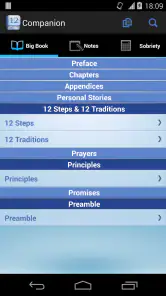
The main appeal is having recovery-oriented material gathered in one place: step guidance, reflections, Big Book text, prayers, and promises. That can be more convenient than switching between a general notes app, a book, and unrelated meditation content. It is also a focused choice: if you want a broad wellness tracker or a program that is not based on AA, this may not be the right fit.
A Handy Guide to Sobriety
If you’ve ever felt overwhelmed by the sheer magnitude of the 12 Steps, this app breaks it down into manageable chunks. It’s like that friend who always knows how to make a complicated thing sound simple. The 12 Steps AA Companion offers a clear, concise guide to each step, complete with personal reflections and insights that make the process feel less daunting and more like a personal growth journey.
Getting started without overcomplicating it
When you first open a recovery companion, it can be tempting to explore every section at once. I’d keep the first visit simple: look for the step you are currently working on, read one passage, and decide whether it gives you a useful prompt for reflection. You do not need to treat the app like a course to finish or race through all the material. The value is in returning to a relevant idea when you have the attention and time for it.
If you are new to AA, it may help to use the app alongside a conversation with a sponsor or someone you trust in the program. Reading about a step can help you arrive with a question, but personal guidance can help you understand how that step applies to your own circumstances. If you already have a routine, the app can serve as a handy reference between meetings rather than something that changes the routine itself.
Turning a reading into a useful first action
A first meaningful success does not have to be a dramatic milestone. I would count it as a win if you open a reflection, notice a line that connects with a decision you face today, and use it to start a conversation or pause before reacting. For instance, if a tense exchange at home leaves you unsettled, you might read a relevant passage during a quiet moment, jot down the question it raises in your own notebook, and bring that question to a sponsor or meeting. The app can help you prepare; the actual support comes from people and choices beyond the screen.
More From Our News Desk

Clash of Clans Is Won Between the Battles

Android Auto Makes the Case for Quieter Car Software

MobiOffice: Transforming Mobile Productivity with Seamless Integration

EA SPORTS FC™ Mobile Soccer: Redefining Mobile Sports Gaming

How Microsoft OneDrive Became a Mobile Productivity Giant

How Google Translate Breaks Language Barriers Effortlessly
This is also a useful way to avoid turning reading into passive reassurance. Rather than opening several sections in search of the perfect answer, choose one piece of material and ask what small, realistic action follows from it. That action might be reaching out to someone, attending a meeting you had been putting off, or simply waiting until you are calmer before making a decision. I would not expect every reading to feel profound. A modest prompt that helps you take one constructive step is enough.
Features that Make a Difference
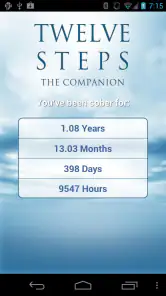
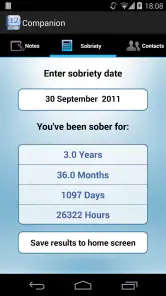
One of the standout features has to be the daily reflections. It’s like getting a mini pep talk every morning. You start your day with a quote or a reflection that sets a positive tone. It’s amazing how a few words can shift your mindset. Plus, there’s a sobriety calculator! You input your sobriety date, and it keeps track of your progress. Trust me, watching those days add up is incredibly motivating.
For a practical routine, I’d use the reflection as a pause rather than a box to tick: read it, note what stands out, and carry one thought into the day. If seeing a running sobriety count feels encouraging, it can be a private way to recognize progress. If numbers make you feel pressured, though, you can focus on the reading instead; recovery is not made more meaningful by comparing your count with anyone else’s.
Making the calculator and reflections work for you
The calculator is most useful when it supports your own sense of progress, not when it becomes a scorecard. If tracking a count is motivating, you can use it as a brief check-in and then move on with your day. If a lapse or a change in how you count time brings up difficult feelings, do not let the app’s number define your worth or decide what support you deserve. The tool can record a date-based count; it cannot interpret your circumstances or offer the compassion a person can.
For the reflection, a simple routine may be more sustainable than trying to read at a fixed ideal time. You could open it with breakfast, during a commute break when you are not driving, or after a meeting while the conversation is still fresh. If you miss a day, there is no need to catch up as though you have fallen behind in a class. Return when it is useful. That flexible approach keeps a small aid from becoming another source of guilt.
Reading and support in everyday moments
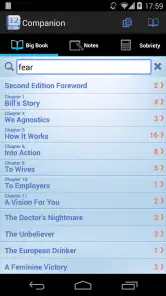
Another cool feature is the Big Book text. You can access all the important passages anytime, anywhere. It’s perfect for those moments when you need a quick reminder of why you’re on this journey. Plus, there are prayers and promises that can be a real lifeline during tough times.
A realistic use is to open a passage during a quiet break, before a meeting, or after a difficult conversation, then bring any question it raises to someone you trust. That is a more grounded way to use the material than expecting a screen to resolve a crisis. In an urgent or unsafe situation, contact a person or service that can help directly; an app is not emergency care.
Choosing the right material for the moment
Different sections can serve different purposes. Step guidance is a natural starting point if you are trying to understand the program’s structure; a reflection may be easier to use when you only have a few minutes; and a passage, prayer, or promise may give you familiar language to sit with during a difficult day. I would choose based on the need in front of me instead of browsing everything at once. A focused visit is less likely to feel like homework.
There is a trade-off in having several kinds of material together: the range is convenient, but it can make it tempting to keep scrolling instead of acting on one idea. Before opening the app, it can help to name what you need—something to read, a prompt to think about, or a reminder of the AA approach. Then close it after that purpose is served. This keeps the phone from becoming a substitute for a meeting or a conversation you would benefit from having.
User-Friendly and Personalized
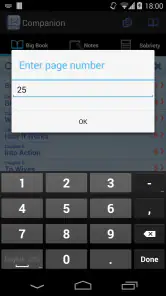
The app is super user-friendly. Even if you’re not tech-savvy, navigating through its features is a breeze. You can customize it to suit your needs, whether it’s setting reminders for meetings or saving your favorite reflections. It really feels like an app that grows with you and adapts to your journey.
One helpful habit is to save only the reflections you genuinely want to revisit, rather than turning the saved list into another task to manage. A reminder can support a routine, but it should fit around your actual meeting schedule and daily life; if notifications become nagging, fewer reminders may be better. I would also avoid putting sensitive personal details into any app unless you are comfortable with how you use and protect that information.
Making a personal routine without adding pressure
If you are setting up a routine, start with one reminder or one saved passage, not a long schedule that assumes every day will go smoothly. A prompt that arrives at a realistic time is more likely to be useful than one that interrupts work, sleep, or time with other people. You can also treat a saved reflection as a bookmark for later rather than a commitment to revisit it repeatedly. The point is to make access easier, not to build a perfect system.
Privacy is worth considering in a personal recovery routine. Keep any notes about sensitive experiences in a place you are comfortable using, and remember that a phone can be seen or shared. The app’s role can remain simple: reading and reference, while private details and difficult decisions stay in a conversation with someone you trust. That division lets you benefit from convenient material without asking the app to hold more than you intend.
Where it fits—and where it doesn’t
Compared with a paper Big Book or a printed meeting handout, a phone-based companion is easier to keep close and search through in spare moments, while a physical book can be more comfortable for longer, distraction-free reading. Compared with a general sobriety tracker, this app’s AA emphasis is a strength if the 12 Steps are central to your recovery, but a limitation if you want a broader set of approaches or tools tailored to another program.
I’d recommend it most to someone who already wants AA material nearby, whether they are beginning to explore the steps or simply want a compact reference between meetings. I’d skip it if you do not identify with the AA framework, expect an app to provide personal counseling, or need a live support service. It works best as one small part of a support plan, not the whole plan.
What to do when the app is not enough
A common point of confusion is expecting a companion app to explain how a step applies to a particular relationship, health concern, or personal history. Reading can offer language and structure, but it cannot know the context behind your situation. If a passage leaves you unsure, that is a good reason to take the question to a sponsor, a trusted AA member, or an appropriate professional rather than trying to force a private interpretation from the screen.
It is also reasonable to use a different kind of support alongside it. Someone who wants a live conversation may be better served by contacting a person or attending a meeting; someone seeking a broader wellness approach may prefer a tool designed around that specific need. Choosing another resource does not mean this app has failed. It means the resource should match the job, and an AA reference is strongest when AA material is what you actually want.
Keeping the routine useful
The app is currently at version 3.4.0 and supports Android 4.4 or later, so it may suit an older compatible Android device as well as a newer one. Before relying on any phone app for a reading or reminder, I’d make sure the material you need is accessible when you want it and keep another option, such as a book or meeting notes, for times when your phone is unavailable. That simple backup avoids making a recovery routine depend on one device.
For someone deciding whether to pay for it, I would think about how often AA material would be useful on the phone. If you regularly want a step reference or reflection nearby, the $1.99 cost may feel reasonable for that convenience. If you prefer paper, already have a routine that works, or are looking for live guidance, spending money on this particular app may not solve the problem you have. The practical question is whether having these materials together would make it easier for you to follow through on a routine you already value.
Final Thoughts
In a nutshell, the 12 Steps AA Companion app is more than just a tool; it’s a companion. It’s there to remind you of your progress, help you through rough patches, and celebrate your victories. If you’re committed to the 12-step journey, this app is well worth checking out. It’s like having a pocket-sized support system that’s always just a tap away.
Whether you're new to the program or a veteran, this app is a solid investment in your recovery journey. Give it a try, and you might just find it's the companion you've been looking for.
12 Steps AA Companion Frequently Asked Questions
Who might find 12 Steps AA Companion useful before choosing a recovery resource?
This Lifestyle app is intended as a digital companion for people seeking support in their recovery from alcohol addiction, particularly those interested in Alcoholics Anonymous materials. Its focus is on the 12 Steps and 12 Traditions, along with meditations and progress tools. It can complement a person’s existing recovery routine, while remaining a self-guided app rather than a replacement for professional care or support from other people.
What is the main purpose of the 12 Steps AA Companion app?
The 12 Steps AA Companion app is designed to support individuals on their journey to recovery from alcohol addiction. It provides users with easy access to the 12 Steps and 12 Traditions of Alcoholics Anonymous, daily meditations, and personal progress tracking tools. This app serves as a digital companion, making it easier for individuals to stay committed to their recovery process.
Is the 12 Steps AA Companion app free to use?
The 12 Steps AA Companion app costs $1.99 to download. The app is described as the original sobriety tool available for members of Alcoholics Anonymous, and its focus is on recovery resources such as the 12 Steps and daily reflections. Check the purchase details shown in your app store before downloading so you know the charge associated with installing it.
Can the 12 Steps AA Companion app be used offline?
Yes, the 12 Steps AA Companion app is designed to be used offline, allowing users to access its resources and tools without needing an internet connection. This is particularly beneficial for those who may not always have internet access but still wish to engage with the app's features, such as daily meditations and personal progress tracking.
How does the 12 Steps AA Companion app ensure user privacy?
The 12 Steps AA Companion app prioritizes user privacy by implementing robust security measures, ensuring that personal information and progress data are kept safe and confidential. Users can rest assured that their journey remains private, with data protection protocols in place that align with industry standards. However, it's always a good idea to review the app's privacy policy for more detailed information.
Pros
- Comprehensive resource for AA members.
- Easy-to-navigate interface.
- Daily reflections and prayers included.
- Offline access to materials.
- Customizable sobriety counter.
Cons
- Limited free content.
- No social features for interaction.
- Requires initial setup for customization.
- Ads in free version.
- Not a substitute for meetings.
- Category
- Lifestyle
- Version
- 3.4.0