Zen Tiles - Mahjong Match
- 2.81K
- 4.8
- Installs
- 1.00M
- Price
- Free

Screenshots
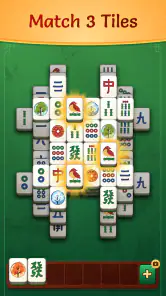
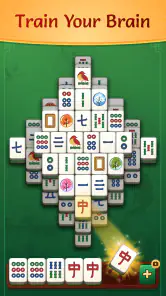
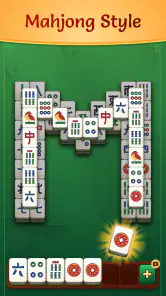
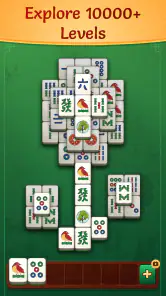
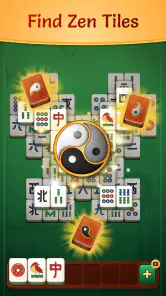
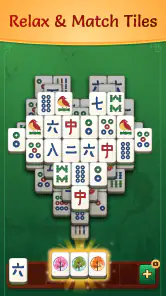
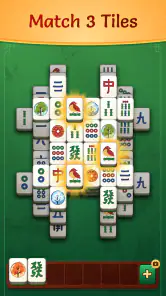
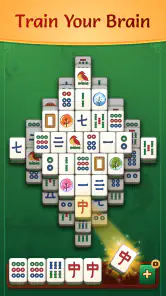
Analysis by Reviewed
I picked up Zen Tiles - Mahjong Match expecting a simple tile game, but I ended up judging it less as a quick distraction and more as a small shared-device ritual. It is a free puzzle game from Bluetile built around arranging and matching tiles, with a calm visual identity that makes it easy to hand to someone else for a few minutes. My first impression was that it is approachable immediately, yet it still leaves room for careful decisions once the board becomes crowded.
The game is listed for Everyone, costs nothing to start, and has reached over a million installs. Those details fit its basic appeal: it is easy to understand, suitable for a broad household audience, and convenient to try without making a purchase first. The current version is 2.8.1, and it runs on Android 7.0 or later. I would not describe it as a deep strategy game, but I would recommend it to anyone who likes visual sorting, short puzzle sessions, and a gentler alternative to fast arcade games.
How Zen Tiles works when several people share the device
The most natural household use is passing the phone or tablet around. One person can start a puzzle, another can suggest a move, and a third can take over when the board becomes difficult. That makes the game more social than its single-player format might suggest. I found that the best conversations were not about winning quickly, but about spotting a safe match before removing a tile that might be useful later.
This shared-device style also exposes an important limitation: the experience feels personal even when the device is communal. I would not treat it as a family account system or assume that each player has a separate space. If several people want to use it regularly, agree on a simple routine before starting. For example, one person can finish a board before handing over the device, rather than changing turns after every move and losing track of the plan.
That small rule matters because matching puzzles depend on visual memory. When someone else makes a move, the next player may not know which tiles were deliberately left available. In my experience, a short explanation such as “I left that group because it may unlock the covered row” is enough to keep the session coordinated. Without that communication, the game can feel less like cooperation and more like several people undoing one another’s decisions.
A useful everyday scenario is a quiet wait at home while dinner is being prepared. One player can work through the opening arrangement, then leave the device on the table for another person to continue. It is also suited to a short break when a full-length game would be too demanding. The lack of pressure from fast action makes it comfortable for mixed-age groups, although younger players may still need help understanding why an apparently obvious match is not always the best move.
What to decide before handing over the phone
Before sharing the game, I would establish who is playing and whether the session is meant to be cooperative or individual. That sounds obvious, but a puzzle board can become confusing when one person assumes the goal is speed and another is trying to preserve options. A shared device works best when everyone follows the same approach: scan the whole board, identify available triples, and only then commit to a move.
More From Our News Desk

Weather by Xiaomi Review: Clear at a Glance, Less Clear Up Close

X Under Pressure: Can It Recover When Posting Goes Wrong?

Clash of Clans Is Won Between the Battles

Android Auto Makes the Case for Quieter Car Software

MobiOffice: Transforming Mobile Productivity with Seamless Integration

EA SPORTS FC™ Mobile Soccer: Redefining Mobile Sports Gaming
I also recommend keeping the first session short. The game is easy to begin, but repeated visual matching can become tiring, especially on a small screen. A tablet is more comfortable for two people looking together, while a phone is better for solo play or a quick turn. That is not a technical requirement; it is simply a practical difference I noticed when trying to discuss moves while holding the device.
Another helpful boundary is deciding whether children may make purchases. The game is free, but it includes optional in-app items priced from $0.99 to $2.99 each. I would not hand over a shared device without first making sure the person using it understands that “free to play” does not mean every optional item is free. If the device belongs to a household, the adult who manages payments should be the one to decide whether purchases are appropriate.
Because there is no reason to turn a relaxing puzzle into a family argument, I would also avoid presenting every board as a competition. The game works better when players compare approaches rather than criticize mistakes. A child who chooses a less efficient move may still be learning to recognize patterns, while an older player may prefer to think several steps ahead. The same board can serve both purposes if the household agrees that experimenting is allowed.
Coordination makes the puzzle more interesting
When I played with another person watching, I noticed that verbal reasoning became part of the challenge. Instead of touching the first visible match, we tried to explain which group should disappear and why. This creates a useful distinction between spotting a legal move and choosing a sensible one. That is one of the game’s stronger qualities: its simple rules leave space for discussion without requiring complicated instructions.
A practical technique is to divide the board into zones during a shared session. One player can inspect the upper area while another checks the lower area, then both compare what they found before a move is made. This reduces the chance that someone overlooks a triple because the screen is being viewed from a different angle. It also gives quieter players a clear way to participate without taking control of the device.
For solo play, I use a similar method mentally. I first look for groups that are already easy to identify, then check whether removing them will reveal or block useful choices. The important insight is that the most visible match is not automatically the best match. Keeping a mental note of two or three possible routes helps me avoid making a move simply because it is available.
That approach is especially useful when a player is interrupted. If I need to put the phone down, I try to remember the next two candidate moves rather than the entire board. On returning, I can rescan the area and continue without feeling that the puzzle has become a memory test. This makes the game suitable for short household interruptions, although it is less satisfying for someone who wants uninterrupted, high-intensity concentration.
There is also a trade-off in discussing every move. Conversation can make the game more enjoyable, but it can slow the pace considerably. A player who wants a quiet brain break may prefer not to explain each decision. I would use cooperative discussion for the first few boards, then allow each person to play independently once they understand the rhythm.
Age, trust, and the limits of a shared game
The Everyone rating makes sense for the visible nature of the puzzle and its non-violent theme. I would feel comfortable introducing it to a broad age range, but age suitability is not the same as independent device use. A younger player may understand the matching rule while still needing an adult to explain purchases, turn-taking, and what to do if the board feels confusing.
For older relatives, the uncluttered puzzle concept may be more approachable than a traditional action game. The visual task is concrete, and another family member can offer suggestions without needing to take over completely. I would still check whether the tile presentation is comfortable on the particular device, because screen size and brightness affect how easily similar shapes can be distinguished.
Trust is relevant whenever a game is installed on a device used by more than one person. I would explain that the game is free to download but contains optional paid items, then keep payment decisions with the device owner. That conversation is more useful than simply saying “do not press anything,” because it teaches the difference between starting a game and authorizing an in-app transaction.
I would also avoid describing the game as educational in a formal sense. It encourages observation, grouping, and planning, but I see those as natural puzzle habits rather than a replacement for structured learning. For a child, it can be a pleasant way to practice patience and visual attention. For an adult, it is better understood as a calming pastime with a modest mental challenge.
People who need strong individual profiles, detailed progress separation, or tightly managed household permissions should be cautious about choosing a shared-device setup. I would prefer a game designed around separate accounts when several players need clearly independent histories or when progress must never be mixed. Zen Tiles - Mahjong Match is easier to recommend when the household is comfortable treating the device as a common object and the game as a casual activity.
Where it stands beside familiar puzzle alternatives
Compared with classic mahjong solitaire, this game feels more focused on matching groups of three than on clearing traditional paired layouts. That gives it a different rhythm. Players who enjoy the ceremony and strict structure of standard mahjong arrangements may find this version lighter and more immediate. On the other hand, anyone who finds classic layouts intimidating may appreciate being able to concentrate on visual grouping without learning a large rule set first.
It also differs from match-three games that rely on swapping adjacent pieces across a fixed grid. Here, the appeal comes from recognizing tile groups and managing what remains available, rather than building chains through rapid board manipulation. I prefer this slower style when I want to think, but I would choose a conventional match-three game when I am looking for flashy reactions, quick combos, or a more energetic sense of progress.
Compared with word puzzles, the game asks less of language and more of visual attention. That makes it a useful option in a household where players speak different languages or where someone wants a puzzle that does not depend on vocabulary. The trade-off is that it may become repetitive for people who need changing question types, narrative goals, or a stronger sense of discovery.
The calm presentation is another reason I would choose it over a busier puzzle alternative for shared use. A crowded interface can make it harder for two people to follow the same board, while a straightforward tile layout supports conversation. Still, players who dislike repetition should try a short session before committing to regular play. The core action remains intentionally focused, and its simplicity is both the attraction and the boundary.
The game’s average rating is 4.8 from around 174 thousand ratings, with roughly 2.8 thousand written reviews. I read that reception as evidence of strong broad appeal, not proof that every player will enjoy the same pace. A high rating can coexist with the exact limitation I noticed: people who want complex systems or substantial long-term variety may outgrow a simple matching loop sooner than casual players will.
Small habits that improve a session
My first tip is to scan before touching anything. On a shared screen, it is tempting for the quickest observer to claim the first obvious group, but a full-board glance often reveals a better sequence. I try to identify several possible triples, then choose the one that keeps the largest number of future choices visible.
My second tip is to narrate only important decisions when playing with someone else. Saying “I am leaving this tile because it may pair with the hidden group” is useful; describing every tap is not. This keeps cooperation from becoming coaching fatigue and lets both players enjoy the puzzle instead of turning it into a lesson.
My third tip is to treat interruptions as part of the design of the session. If the household is busy, do not begin a board that requires uninterrupted attention. Use a short turn, leave the device in a safe place, and agree who will continue. This is more realistic than expecting everyone to remember a complicated plan after several unrelated tasks.
My fourth tip concerns purchases. Since optional items can cost between $0.99 and $2.99, I would decide in advance whether the game is being used strictly as a free pastime. That removes awkwardness when a child or guest encounters a paid option. It also keeps the review of the game honest: the entry point is free, but the presence of optional spending should be part of the household conversation.
Finally, I would use the game as a conversation starter rather than a test of intelligence. Asking another player what they noticed before making a move is more enjoyable than judging how quickly they solved it. This works particularly well across age groups, because each person can contribute observation, memory, or patience without needing to dominate the board.
My household verdict
After spending time with it, I see Zen Tiles - Mahjong Match as a friendly puzzle for quiet moments and informal shared play. Bluetile has kept the central idea accessible enough for a first-time player, while the need to consider future matches gives the board more thought than a purely automatic matching exercise. Its free starting price and Everyone rating make it easy to introduce, provided the device owner handles the optional purchases responsibly.
I would recommend it to households that enjoy passing a phone or tablet around, discussing possible moves, and taking short breaks without noise or time pressure. It is particularly suitable when players want a visual puzzle that does not depend on language, fast reflexes, or a complicated tutorial. The strongest use case is not a competitive family tournament; it is a relaxed shared session where people can take turns and compare what they see.
I would skip it if you want deep progression systems, a story, intense competition, or the exact structure of traditional mahjong solitaire. I would also choose a more account-oriented game if several household members need completely separate spaces. Those are not minor preferences; they change whether the shared-device experience feels convenient or disorganized.
For everyone else, the current 2.8.1 release is an easy recommendation for a modest, calming challenge. I like that it can occupy five quiet minutes without demanding a large commitment, yet it still rewards players who pause and plan. In my view, that balance is the reason to try it: not because it transforms the puzzle category, but because it fits naturally into the small gaps and shared moments of an ordinary household.
Zen Tiles - Mahjong Match Frequently Asked Questions
How much storage space does Zen Tiles - Mahjong Match need?
Before downloading Zen Tiles - Mahjong Match, check the available storage on your device and the app’s download size in the store. The space needed after installation can differ from the initial download because apps may store additional files or receive updates. Keeping some extra room available can also help your device install updates smoothly and avoid interrupting a game session.
Can I adjust the sound or play Zen Tiles - Mahjong Match quietly?
If you prefer to play without sound, check the game’s settings for audio controls, or use your device’s volume and silent settings. This can be useful for quick puzzle sessions in shared spaces or while travelling. Sound options and menu layouts can vary between versions, so take a moment to explore the controls after opening the game.
Is Zen Tiles - Mahjong Match updated, and which version should I install?
Zen Tiles - Mahjong Match is a game by Bluetile, and its current version is 2.8.1. Installing the latest version offered for your device helps you get the edition intended for that platform. You can check for updates through the app store you use, and it is sensible to review the device requirements before installing or updating.
Can I play Zen Tiles - Mahjong Match on iOS as well as Android?
Zen Tiles - Mahjong Match is listed for Android devices running version 7.0 or later. If you use an iPhone or iPad, search your platform’s app store for the game and check that a compatible edition is available before downloading. The game’s availability and features can differ across platforms, so confirm that the edition matches your device.
What kind of puzzles does Zen Tiles - Mahjong Match offer?
Zen Tiles - Mahjong Match is a puzzle game built around matching tiles, with a calm mahjong-inspired style. Its store summary describes it as a way to train your brain through zen mahjong puzzles and triple-tile matches. If you enjoy scanning a board, spotting matching tiles, and planning which ones to clear, this is the kind of focused, casual play the game is designed to provide.
Pros
- Relaxing gameplay suitable for short breaks
- Simple controls make it easy for beginners to start
- Large tile designs improve visibility on smaller screens
- Progressive levels provide a steady sense of achievement
- Offline play is convenient when you have no connection
Cons
- Some puzzles may feel repetitive after extended play
- Hints or extra moves may be limited without rewards or purchases
- Ads can interrupt the flow between completed levels
- Later stages may rely heavily on careful tile planning
- Performance can vary on older phones or tablets
- Category
- Puzzle
- Version
- 2.8.1