Vault of the Void
- 42.00
- 4.4
- Installs
- 10.00K
- Price
- $6.99

Screenshots
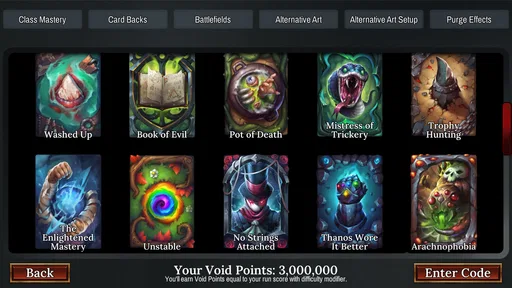
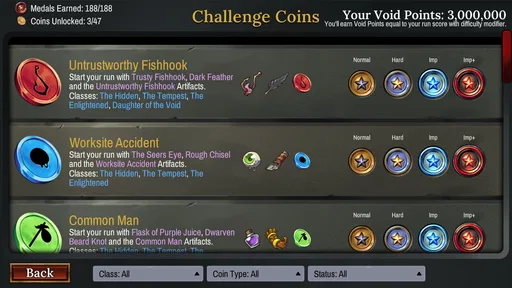
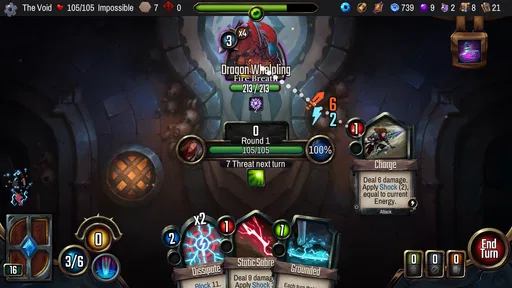
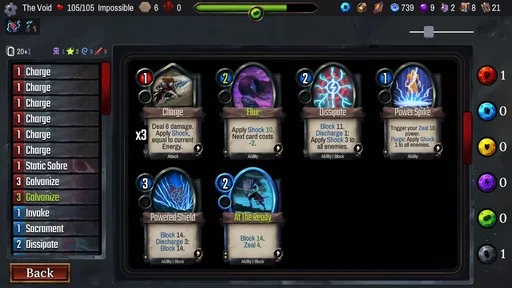

Analysis by Reviewed
I enjoy card games most when the choices matter beyond the turn I am currently playing, and Vault of the Void is built around that kind of planning. It is a strategy-focused card game from Spider Nest Games, available for $6.99, with optional in-app purchases priced at $2.99 per item. Its age rating is Everyone, and it suits players who want to think through their card choices rather than simply tap through a quick match.
Where it fits among card games
Compared with simpler card games that lean on familiar rules or short rounds, this one asks for more attention to deck decisions and adapting as play unfolds. That depth is a plus if you like learning from a run and adjusting your approach; it is less appealing if you want a casual game you can play without concentrating. I would choose it for a focused break, not as background entertainment while doing something else.
A realistic way to approach it is to play a short session when you have enough time to follow your decisions, then stop and think about what worked. Rather than changing several parts of a deck at once, I find it more useful to notice one decision that felt weak and adjust around that. This makes experimentation more informative and helps keep the learning curve from feeling like guesswork.
A good fit for deliberate play
I would recommend it most to players who enjoy pausing to consider how a deck is developing, rather than looking for a card game that supplies instant variety without much thought. That difference matters in an ordinary day: if I have a quiet stretch after dinner, I can give a run my attention and enjoy testing a coherent idea. If I have only a few distracted minutes while waiting for something, I am more likely to choose a simpler game whose decisions do not demand the same focus.
It also helps to decide what you want from a session before starting. If the aim is to learn, treat an awkward outcome as information and keep track of one choice you would change next time. If the aim is simply to relax, it may be better to stop once the decision-making starts to feel like work. The game’s appeal comes from engaging with its strategy, so trying to force it into every spare moment can make its strongest quality feel like a chore.
What Makes Vault of the Void Stand Out?
If you’re tired of the usual card games that seem to follow a predetermined path, Vault of the Void brings a refreshing twist. The game is designed to challenge your strategic thinking and adaptability. It’s not just about playing the cards you’re dealt but mastering the art of deck management and real-time decision-making.
Immersive Gameplay
The first thing that struck me about Vault of the Void is its immersive gameplay. The graphics are crisp, and the interface is user-friendly, which makes navigating through the game a breeze. There’s something incredibly satisfying about pulling off a well-thought-out combo, watching your opponent’s plans unravel right before your eyes.
More From Our News Desk

Weather by Xiaomi Review: Clear at a Glance, Less Clear Up Close

X Under Pressure: Can It Recover When Posting Goes Wrong?

Clash of Clans Is Won Between the Battles

Android Auto Makes the Case for Quieter Car Software

MobiOffice: Transforming Mobile Productivity with Seamless Integration

EA SPORTS FC™ Mobile Soccer: Redefining Mobile Sports Gaming
Strategic Depth
What sets this game apart from others is its strategic depth. Each decision you make can turn the tide of the game. The developers have done a fantastic job of ensuring that every card has a purpose, and it’s up to you to figure out how to use it effectively. There’s a real sense of achievement when you manage to outsmart your opponent with a clever strategy.
Making the most of your decisions
One useful habit is to evaluate a card by how it supports the rest of your plan, not just by how powerful it looks in isolation. When a combo succeeds, I try to identify which choice made it possible; when it fails, I look for whether the problem was the card selection or the timing. That small review turns each session into practice instead of a string of unrelated wins and losses.
Another practical way to keep that review useful is to change one variable at a time. If a run felt weak, I would first ask whether I committed to a plan too early, chose a card that did not support it, or used a useful option at the wrong moment. I would not conclude from one rough result that the whole approach is bad. Separating those possibilities makes the next attempt more meaningful and helps prevent a common deckbuilding mistake: swapping several choices at once, then having no idea which change helped.
Endless Replayability
One thing I absolutely love about Vault of the Void is its replayability. No two games are ever the same, thanks to its vast array of cards and strategies. Whether you’re a newbie or a seasoned card shark, there’s always something new to learn and master. Plus, the game frequently updates with new content, keeping things fresh and exciting.
The game was released on June 16, 2024, and its current version is 2.6.31. That gives existing players a concrete version to compare against as they continue playing, though a version number alone does not tell me what changed in each release. If you already enjoy it, I would treat updates as a reason to check what feels different in your own play rather than assume your favorite approach has been replaced. It requires Android 5.0 or later, and it has more than 5,000 installs, with an average rating of 4.5 from 140 ratings.
What version information means in practice
The version number is useful as a snapshot of the game’s current state, not as proof that a particular card, balance choice, or system changed recently. If you are returning after time away, I would give yourself a few sessions to reacquaint yourself with your usual decisions instead of rebuilding everything immediately. That lets you notice what is genuinely different in your experience and what simply feels unfamiliar after a break. For someone already playing regularly, a new version is a sensible point to recheck familiar tactics, but not a reason to discard a working plan without seeing a reason in play.
For a prospective buyer, this also answers a natural question: is it a finished, fixed experience or something that continues to develop? The version and release date show that the game has a defined history and a current build, while the strongest reason to choose it remains the strategy itself. I would not buy it solely on an expectation of future additions. I would decide based on whether its present card-game style sounds enjoyable, then regard later changes as something to assess when they arrive.
Community and Support
Let’s not forget about the community aspect. The Vault of the Void community is vibrant and welcoming. Whether you’re seeking advice, wanting to share your latest deck build, or just looking for a friendly match, you’ll find plenty of like-minded individuals ready to connect. The developers are also very active and responsive, continually working to enhance the gaming experience based on player feedback.
Choosing it over familiar alternatives
When I compare it with the usual options in the card-game category, the key trade-off is not simply depth versus simplicity; it is how much attention I want to spend making a plan. A quick, familiar card game can be a better fit for casual play when I want to learn its rules once and settle into short rounds. This one makes more sense when building and adjusting a strategy is the point of the session. If you mostly enjoy collecting cards or playing a fast match without reflecting on how choices fit together, another style may suit you better.
That distinction can help answer whether it is approachable for someone new to this kind of game. I would not assume that being new makes it a poor choice, but I would expect to learn by experimenting rather than by searching for a single universally correct deck. A patient player can begin with straightforward plans and add complexity as they recognize what their choices are doing. Someone who finds trial and error frustrating may have a better time with a more direct card game that puts less emphasis on adapting a strategy.
Who should give it a pass?
I would skip it if your ideal card game is a lightweight distraction, or if you dislike weighing several strategic choices before committing to a move. The purchase price also makes it a more deliberate choice than a free-to-start game, and optional purchases mean it is worth checking the spending controls on your device if you share it with someone else. For players who enjoy deliberate deckbuilding, though, the upfront cost may feel easier to justify than a game that constantly asks for attention through short, disposable sessions.
The cost is worth considering in relation to your habits, not just the sticker price. If you play card games often and enjoy returning to a strategy to refine it, a paid game can feel like a more straightforward proposition than a free alternative built around repeated small purchases. Here, the base price is $6.99 and optional purchases are $2.99 per item, so I would make the purchase with those two parts in mind. If you are buying for a younger player, the Everyone age rating is reassuring as a content classification, while checking device purchase controls is still a sensible household precaution.
What to expect as you keep playing
For a new player, the most useful question is not whether there is one perfect deck, but whether you enjoy testing a plan and learning from its weak points. For a returning player, the current version offers a clear point of reference, while the game’s ongoing evolution is something to judge through actual play rather than promises about future changes. I would also avoid assuming that a strong combination will solve every situation: adapting is part of the appeal, and that means some decisions will not pay off.
One trade-off I would keep in mind is that replay value depends on enjoying the act of making decisions, not simply on having more sessions available. If you like examining why a combination worked and trying a different direction next time, that can give the game a satisfying long-term rhythm. If you prefer a clear sequence of levels that steadily removes uncertainty, the open-ended feeling of testing strategies may be less rewarding. The best measure is whether you look forward to refining your next attempt, rather than whether you can play for a long time in one sitting.
A sensible way to decide
My practical advice is to judge the game by the kind of attention it asks for, and by whether that is attention you want to give. Spider Nest Games’ card game has an average rating of 4.5 from around 140 ratings, a useful sign that players have responded positively, though a rating cannot tell you whether its particular style matches your taste. It has over 5,000 installs, and its Everyone age classification makes it suitable from a content-rating perspective for a broad audience. Those details help set expectations, but the decisive question is still whether you enjoy strategic deck decisions more than quick, low-pressure rounds.
If you are choosing between this and another card game, think about your typical play situation. For a commute or a noisy waiting room, a game that is easy to dip into without sustained concentration may be the safer choice. At home, with enough time to consider your moves, this one has a clearer reason to stand out. I would also avoid judging it from a single frustrating session: a game built around learning from decisions can take more than one attempt before you know whether its challenge feels satisfying or simply tiring.
Wrapping it up, if you’re on the lookout for a card game that offers more than just the basics, Vault of the Void is definitely worth checking out. It’s engaging, challenging, and immensely rewarding. So, why not give it a shot? Who knows, it might just become your new favorite pastime!
Vault of the Void Frequently Asked Questions
What should I know about the price before downloading Vault of the Void?
Vault of the Void is a paid card game, priced at $6.99. Before downloading, consider whether you are looking for a full deck-building game rather than a free-to-play experience. The game also offers in-app purchases priced at $2.99 per item, so check the purchase options on your device if you want to understand what may be available beyond the initial cost.
What is Vault of the Void?
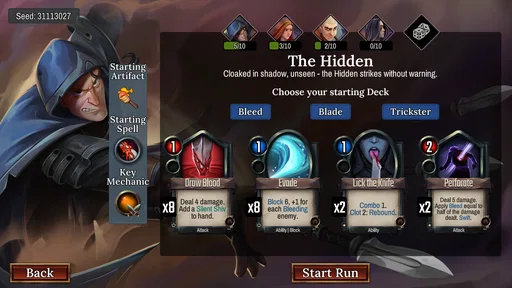
Vault of the Void is a strategic deck-building game available for both Android and iOS devices. It combines elements of tactical card games and roguelike adventures, offering players a unique experience where every decision can change the course of the game. Players must navigate through various challenges, utilizing their deck and strategic skills to conquer the void.
How does the gameplay in Vault of the Void work?
In Vault of the Void, players start with a basic deck of cards and must strategically build and customize it as they progress through the game. Each turn, players draw cards and use them to battle against enemies. The game emphasizes strategy, requiring players to carefully plan their moves and manage resources effectively to survive the challenges and emerge victorious.
Is Vault of the Void free to play?
Vault of the Void offers a free trial version for players to experience the game's mechanics and features. However, to unlock the full game and access additional content, players need to purchase the full version. This model allows players to try the game before committing to a purchase, ensuring they enjoy the gameplay experience.
Can Vault of the Void be played offline?
Yes, Vault of the Void can be played offline. This feature is particularly beneficial for players who wish to enjoy the game without an active internet connection. All game progress is saved locally, allowing players to pick up right where they left off once they reconnect to the internet.
Pros
- Engaging card game mechanics.
- Challenging strategic gameplay.
- Variety of modes and challenges.
- Unique card abilities and combos.
- Frequent updates and improvements.
Cons
- Steep learning curve initially.
- Occasional game crashes.
- Limited free content available.
- Requires internet connection.
- In-app purchases can be pricey.