The Walking Dead: Survivors
- 36.53K
- 4.6
- Installs
- 10.00M
- Price
- Free

Screenshots
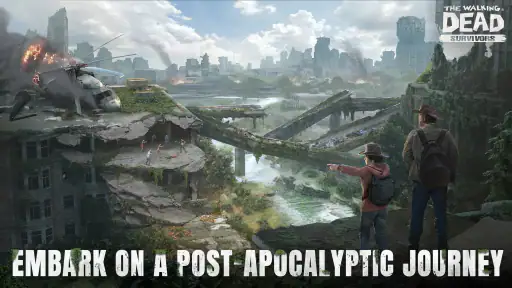

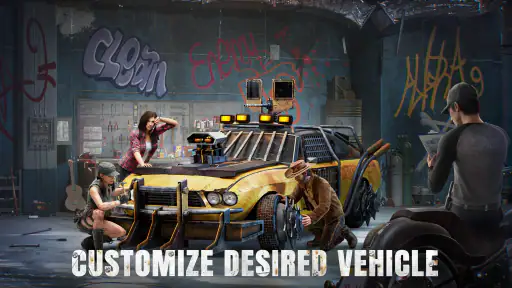
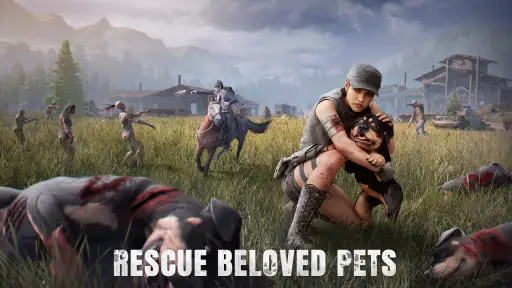

Analysis by Reviewed
What drew me to The Walking Dead: Survivors is the way it turns a familiar zombie setting into a long-term community-management challenge. This is not mainly about quick action or escaping one dramatic encounter; it asks you to build up a settlement, prepare for danger, and decide how much you want to rely on other players. I find that mix appealing when I want a strategy game I can check in on over time, though it suits patient planners much better than anyone looking for a self-contained story adventure.
It is a free strategy game from Galaxy Play Technology Limited, released on April 11, 2021. The game has a 4.6 average from around 1.1 million ratings and has passed 10 million installs, which gives newcomers a large player community to consider joining. Purchases are available, ranging from $0.99 to $249.99 per item, so I would go in with a clear spending limit rather than treating every upgrade as something worth buying. Its Mature 17+ rating is also worth checking before handing the game to a younger player.
Why survival here is a long game
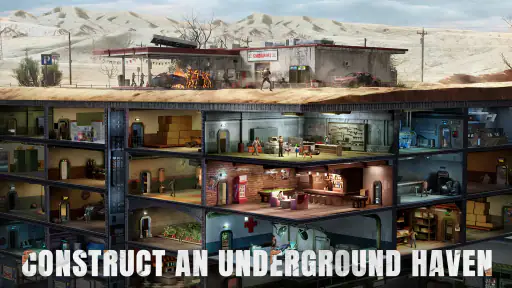
The central appeal is the steady push and pull between growing your settlement and keeping it ready for trouble. You gather resources, improve structures, train survivors, and make choices about what deserves attention first. Those tasks create a satisfying planning loop: an upgrade that helps your community later can compete with the immediate need to shore up its defenses. The best results come from thinking ahead, not simply tapping through every available task.
Familiar characters, but strategy comes first
When it comes to mobile gaming, there's no shortage of zombie-themed adventures out there. But if you're a fan of the iconic TV series and comic book, The Walking Dead: Survivors is one app that might just eat your brains—and your time. Let me take you on a tour of this game, which is available on both Android and iOS, and share what makes it a standout in the crowded zombie apocalypse genre.
If you're a fan of the series, you'll love seeing familiar faces like Rick, Michonne, and Daryl. These characters aren't just there for show; they come with unique skills and stories that add depth to the gameplay. It's like getting an extra season of the TV series, but this time, you're in control of how it unfolds.
The narrative is compelling, with missions and objectives that feel meaningful. You’re not just clicking through menus; you’re making decisions that affect the outcome of your group’s survival. It’s a game that respects your time and rewards your strategic thinking.
I would approach the characters as part of the strategy rather than expecting the cast alone to carry a dramatic, episode-by-episode story. If what you want most is an interactive retelling of the series, a story-focused adventure may fit better. Here, the appeal is seeing familiar survivors in a game shaped around the choices and priorities of managing a community.
More From Our News Desk

Weather by Xiaomi Review: Clear at a Glance, Less Clear Up Close

X Under Pressure: Can It Recover When Posting Goes Wrong?

Clash of Clans Is Won Between the Battles

Android Auto Makes the Case for Quieter Car Software

MobiOffice: Transforming Mobile Productivity with Seamless Integration

EA SPORTS FC™ Mobile Soccer: Redefining Mobile Sports Gaming
Building, defending, and choosing your priorities
The game mechanics are pretty straightforward: gather resources, build and upgrade structures, and train survivors. But don’t be fooled by the simplicity—there's a lot of depth here. Planning your base layout is crucial, as is deciding which upgrades to prioritize. And with the constant threat of walker attacks, you’ll need to keep your defenses in check.
A practical way to avoid spreading your efforts too thin is to settle on a near-term goal before you start a session: strengthen a weak point, work toward a specific building upgrade, or prepare your survivors for the next challenge. I find that a short priority list makes the many small tasks feel like a plan instead of a queue of notifications. It also helps me judge whether a tempting purchase would solve a real bottleneck or only speed up something I can work toward through play.
One useful habit is to think in terms of dependencies, not just the most visible upgrade. If a structure or preparation step supports several later goals, it may be a better use of resources than a flashy improvement that only helps one part of the settlement. I would check what the next objective actually requires before committing materials, then leave a buffer for defense and training rather than spending everything as soon as it becomes available. This makes progress feel less stop-start, especially when several systems ask for attention at once.
The comparison with other mobile strategy games is useful here. If you enjoy games centered on building a base and balancing growth against defense, the basic loop will feel familiar. The Walking Dead setting gives those decisions a recognizable survival frame, while the alliance system adds a social layer that a more solitary strategy game may not offer. On the other hand, someone who dislikes ongoing base management or prefers direct, fast-paced combat may find this style of play too gradual.
Compared with a conventional tower-defense game, this is less about repeatedly mastering a short sequence of battles and more about tending a community across many sessions. Compared with a story-driven zombie game, the emphasis shifts away from controlling one character through a tightly paced plot and toward decisions that accumulate over time. That difference is the main trade-off: the settlement gives you a reason to return, but it also means the experience is not built around a clean finish after a few evenings. I would choose it for the ongoing planning, not as a substitute for a focused campaign.
Alliances change the shape of play
One of the cool features is the alliance system. Teaming up with other players can give you significant advantages, from shared resources to coordinated attacks on common foes. Plus, there's a certain thrill in knowing that you're not alone in this fight for survival.
That social element is also a commitment to think about before joining in. An alliance can make the world feel more active and give your decisions a shared purpose, but it works best if you are comfortable coordinating with other people. If I were playing casually, I would look for a group whose expectations match the time I actually have, rather than assuming I need to be available constantly. Players who want a completely private, solo experience should consider a different game, since cooperation is part of this one’s appeal.
For a newcomer, I would treat the first alliance choice as a practical decision rather than a race to join the biggest group available. A welcoming, active community that suits your schedule can be more useful than one whose pace makes the game feel like an obligation. Before investing heavily in shared plans, notice how members communicate and whether their expectations are clear. That small check can prevent the social side from turning into pressure, and it helps you decide whether the game’s cooperative dimension is actually enjoyable for you.
A realistic routine might be to check in during a break, collect what is ready, choose one useful improvement, and then return later when there is more time to plan. That makes the game easier to fit around a busy day than a title that expects one long uninterrupted session. Still, its ongoing goals can make it tempting to check repeatedly; I would turn off the urge to chase every task and decide in advance how often I want to play.
For example, if I had a few minutes between errands, I would use that visit to collect what has finished and set one sensible next step, rather than starting a complicated chain of decisions with no time to see it through. Later, when I could focus, I would review what the settlement needs and coordinate with the alliance if a shared objective mattered. That separation between quick maintenance and deliberate planning is a simple way to keep the game from taking over spare moments. It also suits players who enjoy gradual progress but do not want every session to become a long event.
Presentation, pace, and who should play
The graphics in The Walking Dead: Survivors are quite impressive for a mobile game. The detailed environments and character models bring the gritty world to life, while the atmospheric sound effects and music keep you immersed in the tension-filled atmosphere. It’s like playing in an episode of the TV show, with all the suspense and excitement.
As for the gameplay, it runs smoothly on both Android and iOS devices. The interface is intuitive, which is great because the last thing you want in a zombie apocalypse is to be fumbling with controls. Whether you’re a veteran gamer or a casual player, you’ll find it easy to get into the swing of things.
Even so, ease of entry should not be confused with a small time commitment. The basic actions are approachable, but the longer-term loop asks you to keep track of what you have, what is under development, and what would help next. Players who like making a plan from a few competing options may find that absorbing. Anyone who mainly wants to open a game, win a quick match, and close it without thinking about future upkeep may prefer a more self-contained strategy title.
The free entry point makes it possible to try the core experience without paying upfront, but the purchase range is broad enough that I would decide on a personal limit before getting invested. When a goal is taking longer than expected, pause and ask whether the purchase would meaningfully improve your enjoyment or only remove a wait. I would not buy something just to keep pace with another player. A slower plan, a more modest alliance commitment, or simply accepting gradual progress can be a better fit for a game whose appeal depends on returning over time.
For me, the strongest recommendation is for fans who enjoy planning, gradual progression, and some interaction with an online group. It is less suitable for players who want a finite campaign they can complete on their own, immediate action, or a game that never nudges them toward optional spending. The purchase range makes restraint important: I would treat purchases as optional convenience, not as a requirement for enjoying the basic loop, and avoid spending simply because a timer or goal makes me impatient.
It is also a better fit for someone who enjoys the world of The Walking Dead but is comfortable with a game that uses it as a setting for strategy rather than as a substitute for watching or reading the original story. Familiar characters add recognition and personality, yet the lasting appeal comes from building and managing your settlement. If your main interest is the cast’s dramatic arcs, a narrative adventure will likely give you more of what you want. If you enjoy deciding how a group should prepare and grow, this game’s priorities make more sense.
One limitation of this format is that the same cycle of collecting, upgrading, and preparing can begin to feel like routine. The setting gives those tasks personality, but it does not change the fact that progress depends on repeated management. If that repetition is satisfying to you, the gradual development can be a reason to return; if you quickly tire of maintaining a base, the familiar characters may not be enough to make it click.
Another point to consider is the difference between a short-term win and a healthy long-term pace. It can be tempting to spend every resource immediately or to say yes to every alliance activity because each one seems useful on its own. I would instead keep a small reserve and check whether a commitment fits the time I actually have. That may mean progressing less quickly, but it also makes the experience more sustainable. In a game about keeping a community going, restraint is not a failure to engage; it is part of choosing a pace you can enjoy.
If you are wondering whether you need to be a series expert, I would not treat that as a requirement. The recognizable characters are a bonus for longtime fans, while the main appeal is the settlement strategy and cooperation. If you are wondering whether it is suitable for younger players, the Mature 17+ rating is a clear reason for parents to check carefully rather than assume that a mobile game is automatically child-friendly. And if you are unsure whether to spend, my advice is to start free, learn which parts of the routine you genuinely enjoy, and only then decide whether any optional purchase is worth it to you.
For someone comparing it with other survival strategy games, the key question is not simply whether they like zombies. It is whether they want a persistent community to manage and are willing to share some of that experience with other players. A solo campaign is better for a clear ending and controlled pacing; a quick tactical game is better for focused bursts of action. This title makes most sense when the social and long-term layers sound like advantages rather than chores.
Overall, The Walking Dead: Survivors is a must-try for fans of the series or anyone who enjoys a good strategic survival game. It captures the essence of the TV show while offering its own unique twist. So, if you’re ready to dive into a world where every decision could mean life or death, give this game a download. But remember, in this world, it's not just the undead you should be worried about!
The Walking Dead: Survivors Frequently Asked Questions
Who developed The Walking Dead: Survivors, and what kind of game is it?
The Walking Dead: Survivors is a strategy game developed by Galaxy Play Technology Limited. Its focus is on surviving in The Walking Dead setting, with settlement management and cooperation with other players forming part of the experience. The game is positioned as an official strategy entry in the franchise, so it may appeal to players who enjoy planning and working with allies as well as the series’ post-apocalyptic world.
When was The Walking Dead: Survivors released?
The Walking Dead: Survivors was released on April 11, 2021. It is a mobile strategy game built around the world of The Walking Dead, with a connected survival experience and alliance-based play. If you are considering installing it now, the release date is useful context, but the game’s appeal will depend more on whether you enjoy managing a settlement, making strategic choices, and interacting with other players.
Is The Walking Dead: Survivors suitable for younger players?
The Walking Dead: Survivors is rated Mature 17+, so it is intended for an adult audience rather than children. Its setting draws on a post-apocalyptic world with zombies and conflict, which may not suit every player. If you are deciding whether to download it for someone else, consider the age rating and whether the game’s survival and combat themes are appropriate for them.
Does The Walking Dead: Survivors need an internet connection?
The Walking Dead: Survivors includes multiplayer features such as alliances and shared activities, so an internet connection is important for taking part in those parts of the game. Its strategic focus also involves ongoing settlement management and interaction with other players. If you mainly want an offline experience, this may not be the right fit; the game is designed around a connected survival world.
What is The Walking Dead: Survivors and how does it relate to the TV series?
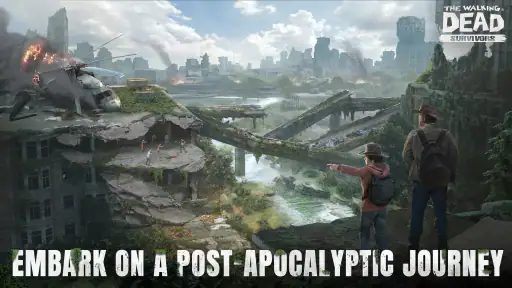
The Walking Dead: Survivors is a strategy game based on the popular TV series, The Walking Dead. In this game, players build and manage a settlement to survive in a post-apocalyptic world filled with zombies. While it draws inspiration from the TV show’s themes and characters, it offers a unique gaming experience where players can create their own survival story.
Pros
- Engaging storylines keep players hooked.
- Rich character development from the series.
- Strategic gameplay with various challenges.
- Frequent updates with new content.
- Strong community and multiplayer features.
Cons
- In-game purchases can get expensive.
- Requires constant internet connection.
- Limited offline gameplay options.
- High battery consumption during play.
- Some players experience occasional bugs.
- Category
- Strategy
- Version
- Varies with device