Monster Legends
- 355.52K
- 4.6
- Installs
- 50.00M
- Price
- Free
Screenshots

Analysis by Reviewed
What keeps me interested in Monster Legends is the way collecting creatures leads into decisions about how to use them. A new monster is more than another design to add to an island: it gives me another possibility to weigh when putting together a team. That connection between growing a collection and planning for battles gives the game more staying power than collecting for its own sake. Team planning is the part I’d focus on if you want the island-building to lead somewhere beyond decoration.
Think in teams, not just rare finds
It’s tempting to chase whichever monster looks hardest to obtain, but rarity alone doesn’t make a balanced battle plan. I’d treat each new addition as a reason to review how your current team works: which skills seem useful together, and where you tend to struggle. That makes collecting feel purposeful rather than like a checklist. It also helps set realistic expectations: you can enjoy discovering creatures without assuming every new one will immediately improve your results.
Monster Legends is a free strategy game from Social Point, with a 4.6 average from around 3.6 million ratings and over 50 million installs. It has been available since June 12, 2014, and the current version is 17.9.4. It’s rated Everyone 10+, works on Android 6.0 and up, and includes optional in-app purchases ranging from $0.29 to $199.99 per item. Those purchases are worth keeping in mind if you prefer games with no paid extras at all.
Building Your Monster Paradise
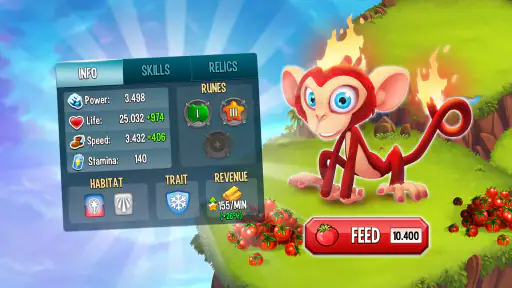
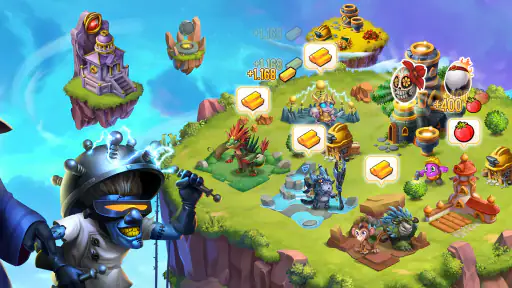
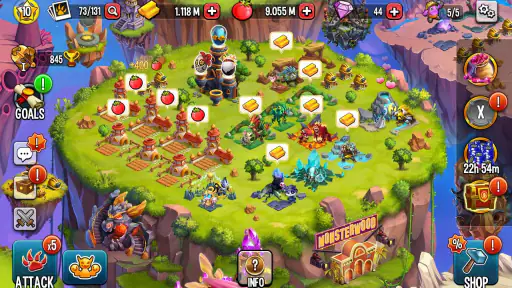
When you first dive into Monster Legends, you're tasked with creating an island habitat for your growing collection of creatures. It's a bit like playing god, but with more adorable monsters and less pressure. You'll start with a basic setup, but as you progress, the customization options become more elaborate. From setting up habitats to decorating your island with quirky structures, the game offers a delightful way to express your creativity. Trust me, there's nothing more satisfying than watching your island evolve into a bustling monster metropolis.
The Art of Breeding and Collecting
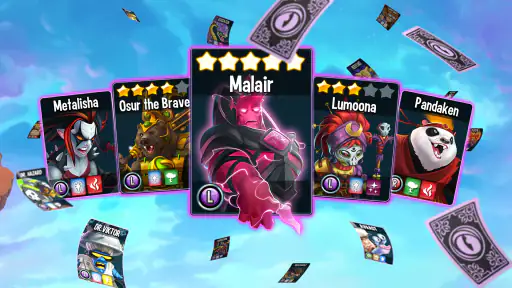
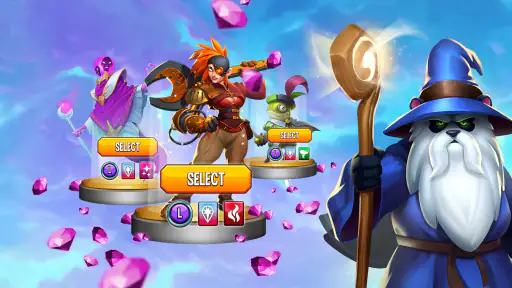
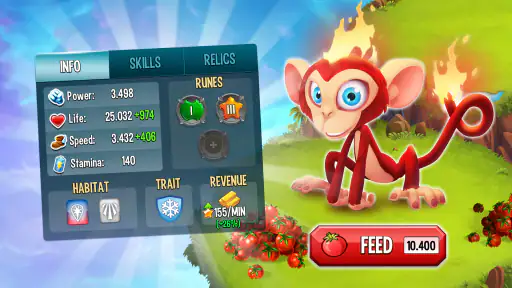
One of the most addictive aspects of Monster Legends is the breeding mechanic. By combining different monsters, you can discover new species, each with unique abilities and traits. It's a bit like Pokémon, but with a deeper focus on strategy and planning. You'll find yourself constantly experimenting with different combinations, hoping to unlock that rare, powerful monster that will give you an edge in battles.
The game has a large roster of creatures, and collecting them all is a challenge that gives regular play a longer-term aim. I find that the most satisfying way to approach this is to treat breeding as a series of experiments rather than a promise of a particular result. Decide what you hope to add to your collection, try combinations, and use the outcome to rethink your options. That turns an uncertain result into a useful reason to adjust a team, instead of making every attempt feel like a pass-or-fail test.
When the collection starts to feel crowded, I’d use a simple working shortlist: the creatures I rely on, the ones I’m testing, and the ones I’m keeping mainly because I like them. That distinction matters because a creature can be worth having without being the best fit for every fight. It also keeps the game’s collecting side personal. You don’t need to make every choice solely around competition to get value from the island and its inhabitants.
More From Our News Desk

Clash of Clans Is Won Between the Battles

Android Auto Makes the Case for Quieter Car Software

MobiOffice: Transforming Mobile Productivity with Seamless Integration

EA SPORTS FC™ Mobile Soccer: Redefining Mobile Sports Gaming

How Microsoft OneDrive Became a Mobile Productivity Giant

How Google Translate Breaks Language Barriers Effortlessly
Epic Battles and Strategy
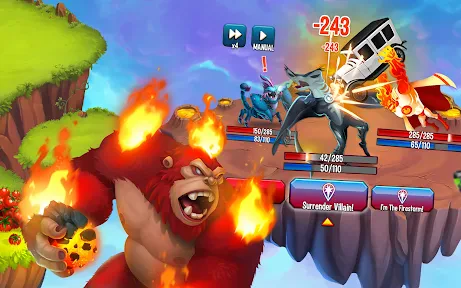
Once your monsters are ready, it's time to put them to the test in battles. The combat system is turn-based, so I have time to consider a move instead of relying on quick reactions. Each monster has its own skills, strengths, and weaknesses, which makes team choice important. The adventure map gives you fights against AI opponents, while multiplayer arenas offer a more competitive alternative. I’d use the former to get comfortable with a team and the latter when I want to see how it fares against other players.
The difference between those modes is useful when deciding what to do with a short play session. A battle against an AI opponent can be a low-pressure way to try a team idea; a competitive match asks you to care more about how your choices hold up against another player. I wouldn’t treat a rough result in one fight as proof that a whole team is useless. Instead, notice which part of your plan felt weak, then change one choice at a time so you can tell whether the adjustment helped.
There’s also a satisfaction in building a team that reflects your own preferences rather than simply collecting the most impressive-looking creatures. If I enjoy a particular monster, I’m more likely to keep experimenting with ways to make it useful. That personal investment is a quiet strength of the game: team planning can be a puzzle, but it doesn’t have to turn into a rigid chase for a single ideal lineup.
Pick the right rhythm for your day
For an ordinary day, I’d treat it as a game to check in on rather than a single long session: make a small island-management decision, try a breeding combination, then use a battle to see whether your team choices hold up. The useful habit is to decide what you want from a short visit before opening the game. If you only have a few minutes, focus on one clear task instead of bouncing between collection, habitat decoration, and competition.
A realistic routine might be to open it during a break, choose one thing to work on, and stop once that goal is done. On a quieter evening, I’d spend longer looking over the team and testing it in a battle. This is a better fit for the game than expecting every visit to deliver a major unlock or a decisive competitive result. The small-session approach also helps me avoid turning a relaxing collection game into a habit of checking every possible activity without knowing what I wanted to accomplish.
That approach also makes the game easier to compare with other strategy options. A conventional tactics game may put nearly all its attention on the match itself; here, the appeal is the loop between collecting, tending your island, and fighting. If you want uninterrupted tactical depth with little interest in creature collecting or a growing home base, a more battle-focused strategy game may suit you better. If you enjoy having several connected goals to return to, the mixture is the point.
Where patience matters
The main trade-off is that collecting and progression can encourage you to keep checking back, while optional purchases make it possible to spend money along the way. I’d set a personal spending limit before playing, especially because individual purchases range from $0.29 to $199.99. You can start without paying, but a free entry point does not mean every route through a collection-focused game will feel equally quick. If you dislike waiting or feel pressured by competitive rankings, that friction may outweigh the fun.
I’d also be cautious about judging the game by how quickly a particular creature arrives. The collecting loop is more enjoyable when I can accept that experiments may take time and still find something worthwhile in the planning and battles along the way. If progress feels slow, I’d shift attention to a team I already have rather than spending just to move past impatience. That is a practical way to keep optional purchases optional, not a shortcut I feel obliged to take.
A practical tip is to avoid treating every new creature as an automatic upgrade. Keep track of which monsters you actually use, and build around the abilities that help your preferred team approach. That simple filter can make a large collection feel manageable and stop the hunt for novelty from becoming the whole game. I’d also separate island enjoyment from battle performance: decorating can be satisfying on its own, while a pretty habitat does not substitute for choosing a team carefully.
Another useful boundary is to decide what success means before entering a competitive mode. If the goal is to learn how a lineup performs, a loss can still tell you what to reconsider. If the only acceptable result is climbing, the ranking side may make the experience more frustrating than it needs to be. I prefer using competition as feedback and keeping collection or island progress as a separate source of enjoyment.
Who will get the most from it?
I’d recommend it to players who like nurturing a collection, experimenting with combinations, and gradually shaping a strategy team. It can also work well for someone who wants a fantasy game with both a personal island to develop and battles to give those creatures a purpose. The Everyone 10+ rating makes it suitable for a broad audience, though parents may still want to discuss optional purchases with younger players.
It’s especially suited to someone who enjoys having a few different kinds of goals rather than repeating one battle format. A player can care about what a creature looks like, how it fits into a team, and how the island comes together, without needing to be equally invested in all three. That flexibility is why I’d suggest it to a friend who likes long-running collection games but wants battles to give the collection a practical role.
I’d skip it if you want a compact game with a clear finish, dislike recurring collection goals, or prefer every session to be a self-contained tactical challenge. It is also not my first pick for someone who wants to avoid in-app purchase prompts entirely. If your main interest is testing tactical decisions with minimal attention to a roster or home base, a focused turn-based strategy game is likely the cleaner choice. The best fit is a player who enjoys long-term progress at their own pace and can treat competition as one part of the experience rather than the only measure of success.
Final Thoughts
Monster Legends works best for me when I let its linked activities support one another: the island gives the collection a home, breeding adds new possibilities, and battles give team choices a reason to matter. It’s not a pure tactics game, and it doesn’t need to be. Its strength is letting me move between those interests, with the option to play in short visits or spend more time thinking about a lineup.
If you're a fan of strategy games and love the idea of collecting and battling with monsters, then Monster Legends is worth checking out. Just be prepared to lose track of time as you dive into this world. I’d go in with a plan for how much time and money I want to give it, and with the expectation that patience is part of the collection experience. If that sounds enjoyable rather than burdensome, its mix of creature collecting, island-building, and considered battles gives you plenty of reasons to return.
Monster Legends Frequently Asked Questions
What kind of game is Monster Legends, and what do you do in it?
Monster Legends is a strategy game built around collecting mythical creatures and forming a monster team. Its main appeal is the mix of collection and team-building, with battles giving you a reason to think about which creatures to use. If you enjoy developing a roster and making tactical choices rather than playing a purely action-focused game, this may be a good fit.
How much storage space does Monster Legends need on my device?
Before downloading, it is sensible to check that your device has room for a new game and any content it may need as you play. The amount of storage required can depend on the device and the version available to you, so check the app’s download page and your device’s storage settings before installing. Keeping some free space can also help avoid installation problems.
Can I transfer my Monster Legends progress to another device?
If you expect to change phones or play on more than one device, consider how you will keep your progress accessible before starting. Linking or signing in through the game’s available account options can help protect progress, but the exact choices may vary by device and platform. Check the in-game settings before switching devices so you know which account is connected.
Is Monster Legends suitable for younger players?
Monster Legends has an Everyone 10+ content rating, so it is generally aimed at players aged ten and up. Its creature-collecting and team-building focus may appeal to younger fans of strategy games, while battles add a competitive element. Parents may also want to review the in-app purchase options and device settings before letting a child play.
What is Monster Legends?
Monster Legends is a popular strategy game where players can collect, breed, and battle a variety of monsters. Each monster has unique abilities and can be evolved to become stronger. The game combines elements of RPG, strategy, and action, offering players a dynamic gaming experience with regular updates and events.
Pros
- Engaging gameplay with strategic elements
- Diverse range of monsters to collect
- Regular updates with new content
- User-friendly interface and controls
- Strong community and multiplayer features
Cons
- In-app purchases can be expensive
- Requires constant internet connection
- Can be repetitive over time
- Long waiting times for upgrades
- Limited offline functionality
- Category
- Strategy
- Version
- 17.9.4