Stick War: Saga
- 975.00
- 4.4
- Installs
- 10.00M
- Price
- Free

Screenshots
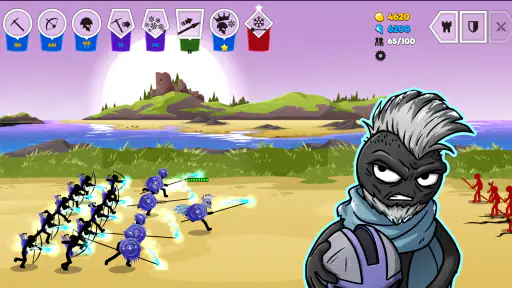
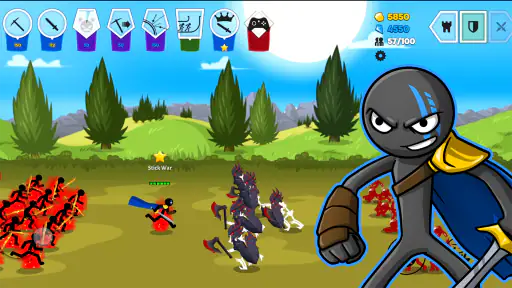
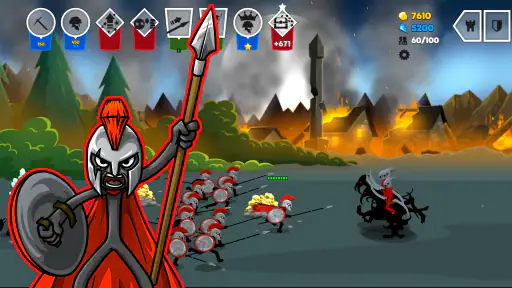
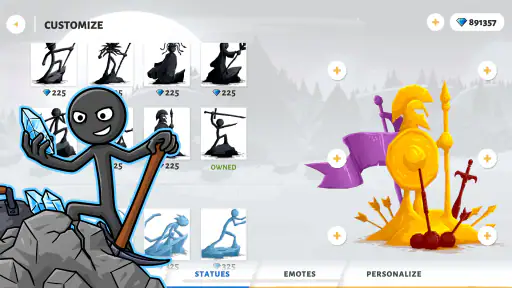
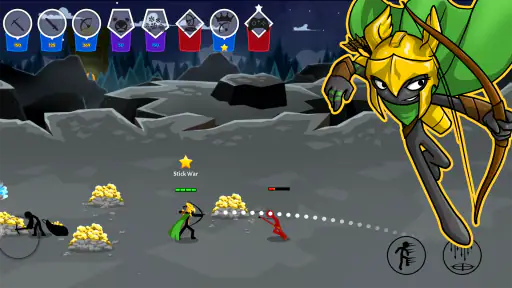
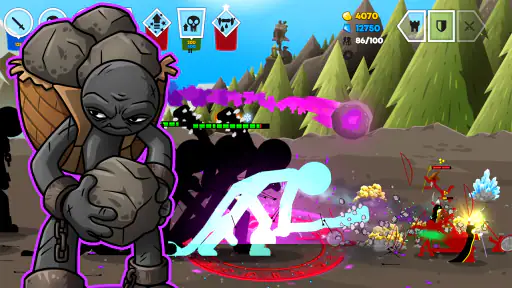
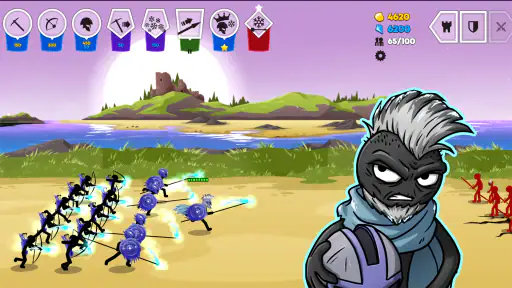
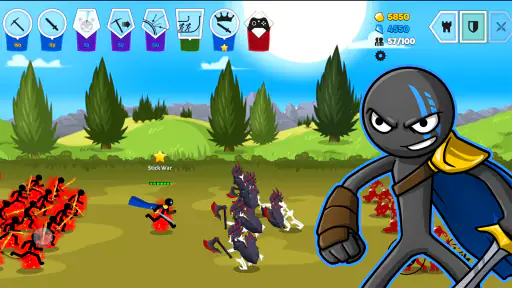
Analysis by Reviewed
I look at Stick War: Saga as a strategy game for people who enjoy making quick battlefield decisions but still want a clear, readable style. Its stick-figure presentation keeps the action easy to follow, while managing an army gives each fight more thought than its simple appearance suggests. It is free to play, though optional in-app purchases range from $0.99 to $114.99 per item, so I would decide how comfortable I am with that purchase range before settling in for the long haul.
What spending does—and does not—tell you
Those purchase prices are the key practical detail for anyone weighing the cost. You can download the game for free, and purchases are available, but the price range alone does not tell me what each item does or whether spending changes competitive balance. I would treat purchases as optional until I had seen what is offered in the game, rather than assume that paying is necessary—or that it has no effect.
That distinction matters in a multiplayer strategy game. If you prefer to spend nothing, you can still try the game and judge its basic appeal for yourself; if a purchase prompt appears, take a moment to check what it covers before deciding. I would not spend just to keep pace with other players without first understanding the item and its value to my own play style.
What Makes Stick War: Saga Tick?
First off, let's talk about the gameplay. You start with a simple premise: control an army of stick figures and battle your way through various territories. The goal? Conquer the world. Sounds simple, right? But don't be fooled. This game is all about strategy and management. You'll need to mine resources, build units, and, most importantly, plan your attacks carefully.
That loop suits short stretches of focused play: a spare moment can be spent thinking about what to build and when to commit your force, rather than simply tapping through a passive progression screen. In an everyday scenario, I might open it during a quiet break, try a battle, then stop and consider what went wrong before starting another. It is less suited to someone who wants a game that can be played without attention, since resource gathering and attack timing both ask you to stay engaged.
One useful habit is to avoid treating every unit as interchangeable muscle. A mixed force can give you more options than repeatedly choosing the unit that looks strongest, while timing a push matters as much as building numbers. I would experiment with one change at a time—alter the unit mix or the moment I attack—so I can tell which decision actually helped. That makes losses informative instead of turning each attempt into guesswork.
One of the most engaging aspects of Stick War: Saga is the variety of units you can control. From sword-wielding warriors to archers and magic-wielding wizards, each unit has its own strengths and weaknesses. It's like a chess game, where positioning and timing are everything. And trust me, there's nothing more satisfying than seeing your well-planned strategy come to life on the battlefield.
You May Like

Clash of Clans Is Won Between the Battles

Android Auto Makes the Case for Quieter Car Software

MobiOffice: Transforming Mobile Productivity with Seamless Integration

EA SPORTS FC™ Mobile Soccer: Redefining Mobile Sports Gaming

How Microsoft OneDrive Became a Mobile Productivity Giant

How Google Translate Breaks Language Barriers Effortlessly
Reading the battlefield and making a plan
The resource-and-army loop gives each decision a cost in attention: choosing a unit is not just a matter of picking a favorite, but of deciding what kind of response I want available later in the fight. I find it helpful to make a simple plan before committing to a push. For example, I can decide whether I am trying to build a balanced force or invest in a particular approach, then watch how the battle responds. This makes it easier to learn from a defeat than changing several things at once and having no idea which choice mattered.
That approach is especially useful for a player new to real-time strategy. Rather than trying to memorize a perfect sequence, I would pay attention to the relationship between gathering resources, choosing troops, and the moment I send them forward. If a plan fails, I can ask whether I had too little variety, attacked too early, or simply misread the opponent. The game’s appeal is not that every attempt is easy; it is that the basic decisions are visible enough to think through.
The Visuals and Sounds
Now, let's not forget about the visuals. Sure, we're talking about stick figures here, but the animations are surprisingly smooth. The developers have done a fantastic job of bringing these simple characters to life. And the sound effects? They're on point. From the clashing of swords to the twang of a bowstring, each sound adds to the immersive experience.
The uncluttered look also helps when several kinds of troops are involved: I can follow the broad shape of a fight without needing realistic detail on every character. That is a useful trade-off, not a promise that every battlefield moment will be effortless to parse. If you like elaborate character art or a richly realistic world, this deliberately simple style may feel sparse; I find it works best when I care more about the decisions than the spectacle.
What really stands out is the game's ability to create tension. The music ramps up at just the right moments, making each battle feel epic. It's like you're right there in the middle of the action, commanding your troops to victory.
Why It's Worth Your Time
So, why should you give Stick War: Saga a try? Well, for starters, it's a game that challenges your strategic thinking. It's not just about brute force; it's about making smart decisions and adapting to your opponent's moves. Plus, the game offers a variety of modes, including a campaign mode that tells a compelling story.
For a genre comparison, this feels more immediate than a grand strategy game built around long planning sessions and broad maps. Here, the appeal is the direct connection between gathering resources, assembling troops, and seeing a plan play out in combat. Compared with a straightforward action game, there is more room to adjust your approach instead of relying only on reflexes. I would choose another strategy game if I wanted deep economic simulation, and a simpler action title if I wanted to switch my brain off.
It is a particularly natural fit for players who like testing tactics against other people, but the multiplayer angle also means outcomes can depend on the opponent and the match, not just a fixed sequence of campaign challenges. If competition makes you tense, I would start with the campaign rather than treating every loss as a verdict on your skill. The game is rated Everyone 10+, which gives parents a useful age guide, though they should still decide whether its combat and competitive play suit their own child.
Max Games Studios developed the game, and its audience is substantial: it has over 10 million installs and an average rating of 4.4 from around 43,000 ratings. That is encouraging evidence of broad interest, not a guarantee that its particular mix of strategy and multiplayer will suit every player. The game was released on March 1, 2024, and version 2025.4.1331 is listed for Android 7.0 and up.
Before installing, I would check that my device meets that Android requirement and think about whether I want a game that asks for repeated tactical attention. The Android requirement does not answer questions about performance on every device, and I would not assume that matches feel identical across all phones. If a battle seems hard to read on a smaller screen, pausing to focus on the unit mix and timing is a more useful response than rushing through repeated attacks.
Choosing a mode for the time and mood you have
The campaign and multiplayer serve different moods, so I would not treat one as a substitute for the other. A campaign is a sensible place to get familiar with the game’s units and rhythm without making every outcome feel like a direct comparison with another player. Multiplayer makes more sense when I am alert enough to adapt rather than repeat a fixed plan. That distinction matters on an ordinary day: after a long stretch of work, I might prefer a campaign session, while a free evening is a better time to test myself against human opponents.
Players who enjoy learning through experimentation are likely to get more from the game than those who want immediate mastery. I would keep a mental note of one tactical question between sessions—whether a different mix of troops or a later attack would help—then test that idea next time. This is a low-pressure way to make progress without turning each match into a checklist. It also helps separate a genuine strategic mistake from a bad guess about what an opponent might do.
Progress, Pressure, and the Right Player
But what really hooks you is the progression. As you advance through the game, you unlock new abilities and units, each adding a new layer of complexity to your strategy. It's this continuous sense of growth and discovery that keeps you coming back for more.
That growth can be rewarding, but it also creates a reason to keep returning. I would set my own stopping point rather than let unlocks decide how long a session should last; the game is a better fit when I enjoy learning new tactical options, not when I feel obliged to grind. Players who want every match to be a quick, self-contained diversion may prefer a more casual puzzle or arcade game.
There is also a practical difference between enjoying a campaign and enjoying multiplayer. A campaign gives you a more directed path through the game, while facing other players puts more weight on adapting in the moment. If I am tired or only have a few minutes, I would choose the mode that best matches my attention rather than assuming every session will be equally relaxing.
What I Would Check Before Committing
Several purchase questions remain open from the price range alone: what each purchase contains, whether it affects progression or competitive play, and whether the game offers any purchase controls a family might want. I would check those details in the game and the relevant device settings before spending or handing a phone to a younger player. The confirmed age rating is Everyone 10+, but that is a guide, not a substitute for a parent’s own judgment.
I would also keep expectations grounded about multiplayer fairness. The game is built around competition, but a price range cannot establish whether purchases confer an advantage, and I would not claim that they do. If fairness is decisive for you, inspect the available items and how they are described before investing time or money. That is a sensible check, not a reason by itself to assume the game is unfair.
Who should try it—and who may want something else
I would recommend it to someone who likes seeing a plan take shape in real time: gather resources, choose a force, and decide when to commit. Its stylized presentation makes the battlefield less visually busy than a realistic war game, while its strategy gives it more staying power than a simple tap-to-attack experience. That combination is the main reason I would suggest it to a friend who wants tactical decisions without a sprawling map to manage.
It is a weaker match for anyone looking for a purely relaxing idle game, a deep simulation of economics, or a story-first experience with elaborate presentation. The resource and attack decisions ask for attention, and the competitive side can add pressure for players who dislike losing to other people. If those are the parts of strategy games you usually avoid, a puzzle game or a more forgiving single-player option may be a better use of your time.
For a younger player, the Everyone 10+ rating is a starting point rather than an automatic recommendation. I would look at the game together first and talk through both the combat and the possibility of in-app purchases. Setting expectations around spending before a child starts is more useful than reacting to a prompt later, especially because the listed per-item range stretches from $0.99 to $114.99.
Final Thoughts
In conclusion, Stick War: Saga is a game that combines simplicity with depth. It's perfect for those who enjoy strategic challenges and don't mind a bit of stick-figure action. Whether you're a casual gamer looking for something fun or a hardcore strategist seeking a new challenge, this game has something for everyone. So, what are you waiting for? Dive in, strategize, and conquer the world of stick figures!
My recommendation is more specific: give it a try if you like managing resources, choosing a force, and adjusting plans as a battle unfolds. Skip it if you mainly want a quiet, consequence-free game or if competitive play and optional purchases are a source of stress. I would start free, explore the campaign and the available modes at my own pace, and only consider spending after I understand exactly what I would be buying. That makes it easier to judge the game on its strategy rather than on pressure to progress.
My trust verdict is cautious but positive. The free entry point makes it practical to see whether the central strategy loop suits you before spending, and the game’s broad audience suggests that plenty of players are interested in this mix of stick-figure battles and tactical choices. Still, I would make my decision from a few hands-on sessions, not popularity alone. I would want to understand the purchase options for myself and see how multiplayer feels before deciding whether to invest more time or money.
Stick War: Saga Frequently Asked Questions
Who developed Stick War: Saga, and how popular is it?
Stick War: Saga is a strategy game from Max Games Studios, built around clashes between the Order and Chaos Empires. It has attracted more than ten million installs and holds an average rating of 4.4 from around 43,000 ratings. Those figures suggest that it has reached a broad mobile audience, though whether its real-time battles suit you will depend on how much you enjoy tactical competition.
How much storage space does Stick War: Saga need?
If you are deciding whether your phone has room for Stick War: Saga, it is sensible to check the available storage shown by your app store before downloading. Game files and updates can take up space, so leaving some room free can help with installation and future updates. You may also want to remove unused apps or files first if your device is already close to its storage limit.
Is Stick War: Saga suitable for playing in short sessions?
Stick War: Saga is a strategy game built around real-time battles, where decisions about resources, units, and attacks shape each match. That can make it a good fit when you want active tactical play rather than a passive game, though the pace of a session depends on the mode and the battle. Its multiplayer focus also makes it worth considering whether you enjoy competing against other players.
What is Stick War: Saga and what is the main objective of the game?
Stick War: Saga is a strategic, real-time strategy game where players command an army of stick figures in a battle for supremacy. The primary objective is to destroy the enemy's statue while protecting your own. Players must mine resources, build units, and deploy strategic tactics to conquer all opposing nations in the Stick War universe.
What are the key features of Stick War: Saga?
Stick War: Saga offers several key features including intense strategy gameplay, multiple game modes like Classic, Mission, and Tournament, and a diverse range of units and characters. Players can also enjoy a variety of terrains and challenges, customizable units, and engaging graphics that enhance the overall gaming experience.
Pros
- Engaging and strategic gameplay.
- Diverse unit types and upgrades.
- Smooth animations and graphics.
- Intuitive controls and interface.
- Frequent updates with new content.
Cons
- In-app purchases can be pricey.
- Requires internet connection.
- Occasional lag issues.
- Ads can be intrusive.
- Limited offline features.

- Category
- Strategy
- Version
- 2025.4.1331